You have no experience.
You’ve never started a company.
You’ve never had a full time job.
Nike is going to kill you.
You’re a kid.
You don’t have technical skills.
You shouldn’t build hardware.
Apple is going to kill you.
You can’t build hardware.
You can’t measure heart rate non-invasively.
Athletes don’t care about recovery.
Under Armour is going to kill you.
It won’t be accurate.
You don’t listen.
You’re an ineffective leader.
You can’t recruit great talent.
You’re going to have to pay every athlete.
You can’t measure sleep non-invasively.
It’s too expensive to research.
Athletes are a small market.
The product costs too much to make.
The product costs too much to sell.
Your valuation is too high.
Consumers aren’t going to want it.
Hardware is too hard.
You should measure steps.
Fitbit is going to kill you.
You can’t build a marketing engine.
You can’t raise enough money.
You need a real CEO.
Google is going to kill you.
You can’t be a subscription.
You can’t build a brand.
You can’t do consumer in Boston.
Your valuation is too high.
You shouldn’t make accessories.
You shouldn’t make apparel.
Lululemon is going to kill you.
You can’t predict Covid.
Stay in your niche.
You are going to run out of money.
You can’t build a health platform.
Amazon is going to kill you.
You can’t measure blood pressure.
You can’t get medical approvals.
The market is too small.
You don’t understand AI.
The market is too competitive.
It won’t work internationally.
The supply chain is too complicated.
You can’t build an AI.
You can’t raise enough money.
It’s too competitive.
Healthcare isn’t going to want it.
…
Just keep going ✌���
@SahilBloom It’s increasingly clear that Blue Zones are less about diet and more about deep social connection. A point that was underestimated for years.
Sent to me by @YAnaisGhandour. A reminder to never decline an offer to boogie. Maybe TSwift was right.
“Long before therapy, productivity culture, or self-help books, humans regulated their nervous system through rhythm and movement.
Dancing wasn't entertainment. It was medicine.
Tribes danced to discharge stress.
To process emotion.
To bring the body back into safety after threat.
When you dance, rhythm calms the amygdala, the brain's alarm system.
Movement activates the vagus nerve, pulling you out of fight or flight.
Music increases dopamine and serotonin in a regulated way, not the spike-and-crash kind.”
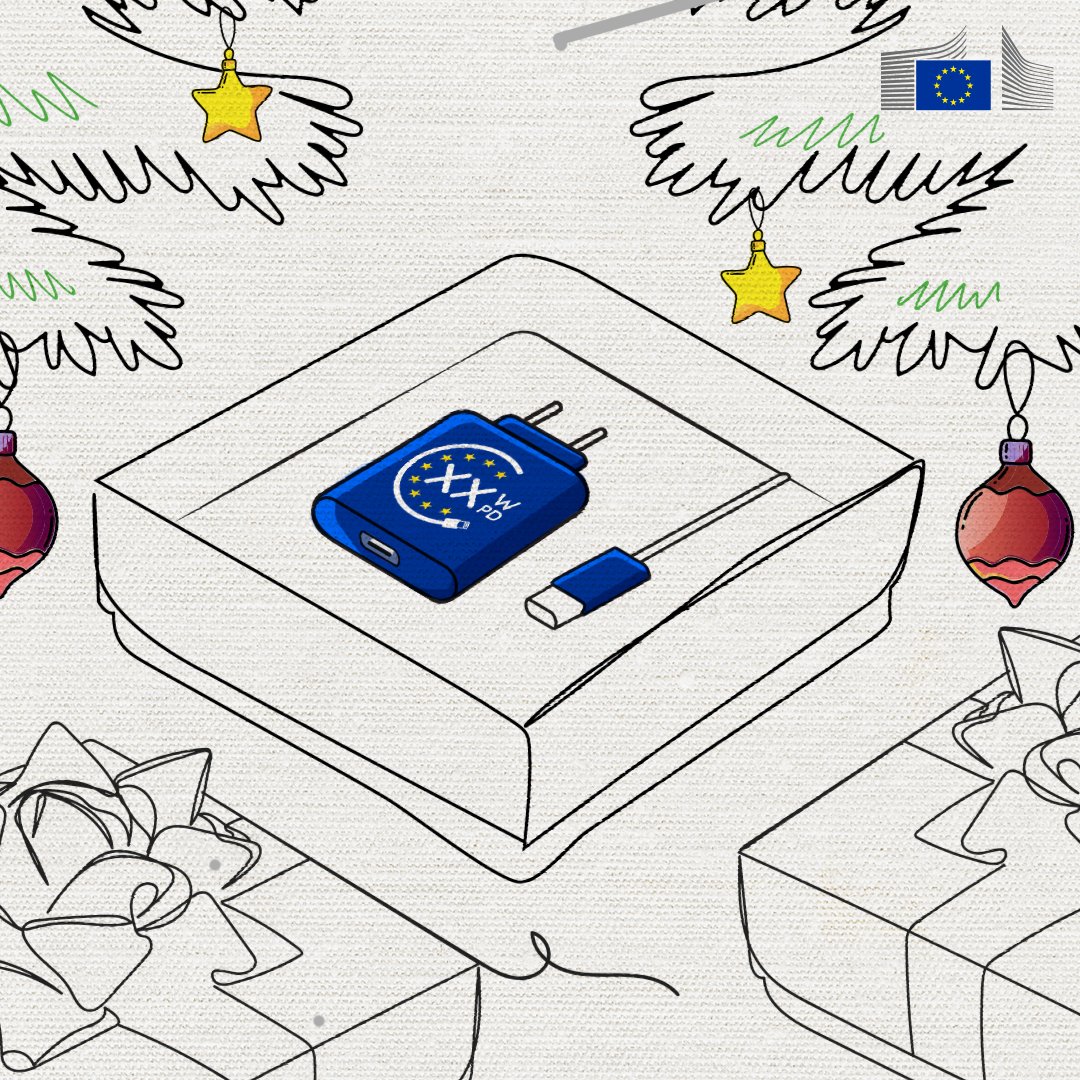
One port, one cable, one Europe.
This holiday, unwrap the power of one: USB-C for all.
Yes, not just phones, tablets, and laptops. In three years, every charger will be under the same tree.
Because less waste, smarter choices, mean more for everyone, all year long.
https://t.co/idDzXhlRRn
Agency > Intelligence
I had this intuitively wrong for decades, I think due to a pervasive cultural veneration of intelligence, various entertainment/media, obsession with IQ etc. Agency is significantly more powerful and significantly more scarce. Are you hiring for agency? Are we educating for agency? Are you acting as if you had 10X agency?
Grok explanation is ~close:
“Agency, as a personality trait, refers to an individual's capacity to take initiative, make decisions, and exert control over their actions and environment. It’s about being proactive rather than reactive—someone with high agency doesn’t just let life happen to them; they shape it. Think of it as a blend of self-efficacy, determination, and a sense of ownership over one’s path.
People with strong agency tend to set goals and pursue them with confidence, even in the face of obstacles. They’re the type to say, “I’ll figure it out,” and then actually do it. On the flip side, someone low in agency might feel more like a passenger in their own life, waiting for external forces—like luck, other people, or circumstances—to dictate what happens next.
It’s not quite the same as assertiveness or ambition, though it can overlap. Agency is quieter, more internal—it’s the belief that you *can* act, paired with the will to follow through. Psychologists often tie it to concepts like locus of control: high-agency folks lean toward an internal locus, feeling they steer their fate, while low-agency folks might lean external, seeing life as something that happens *to* them.”
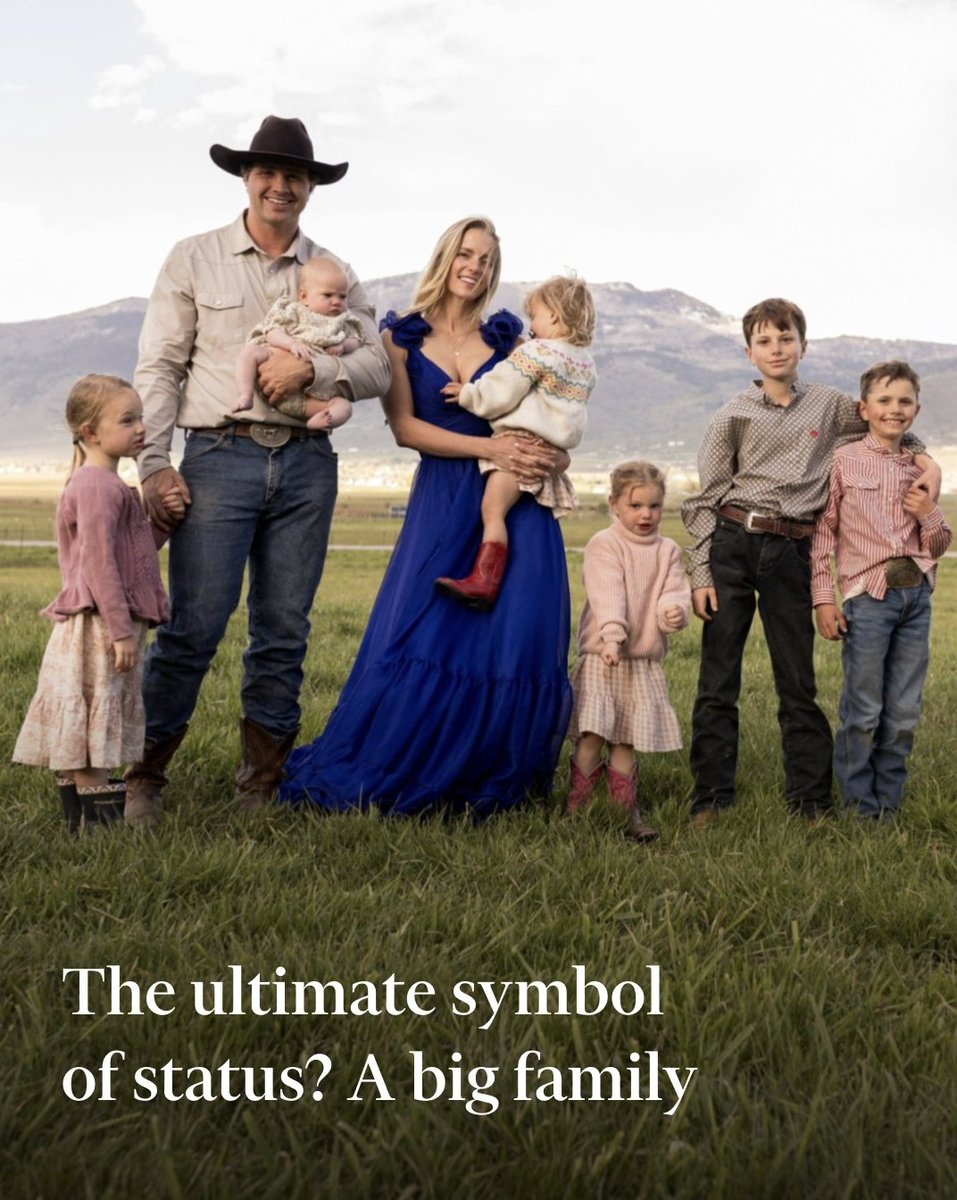
What is the ultimate luxury status symbol? Once upon a time it may have been a sports car or a flashy watch.
But with soaring costs of living, perhaps the most serious flex of wealth is something once considered a natural part of life: having kids https://t.co/9dmFphM0N0