Assistant Professor at @Columbia and @nygenome. Previously at @MGH_RI/@HarvardMed and @BroadInstitute, @sangerinstitute, @Cambridge_Uni, @WilliamsCollege.
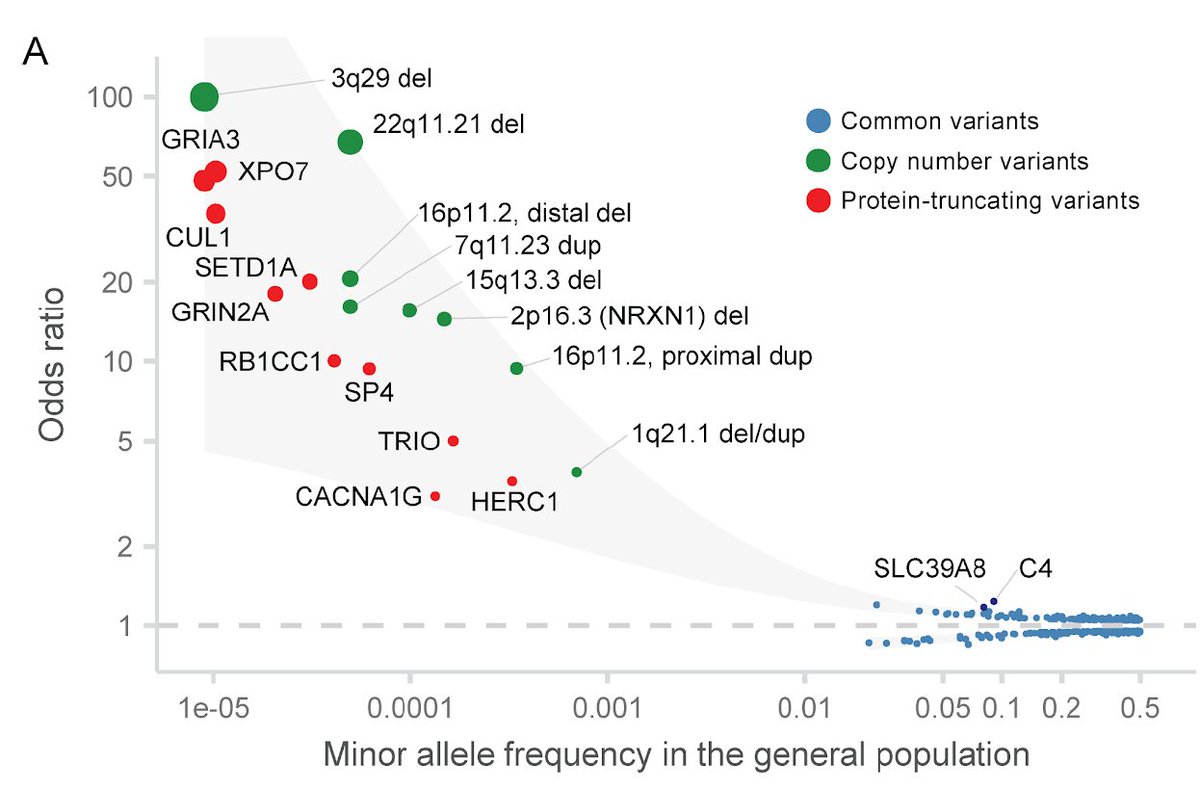
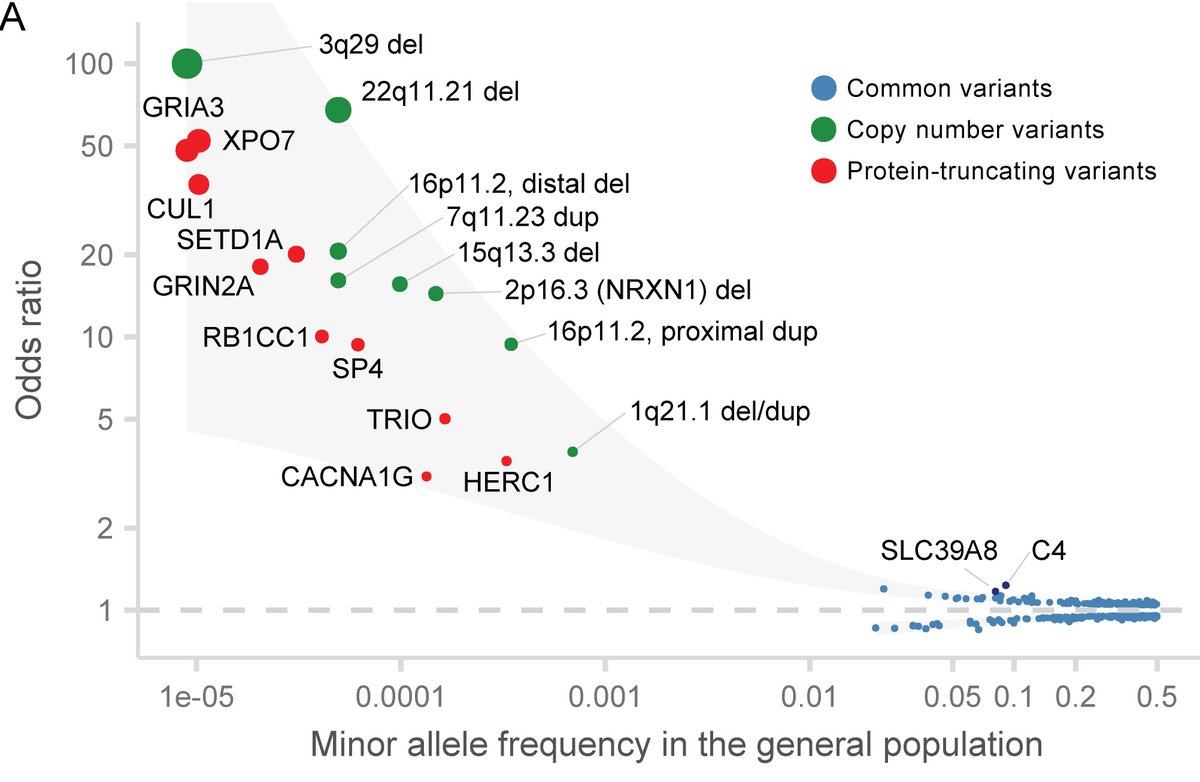
At long last, I am pleased to say that the SCHEMA consortium’s paper has been published online in @Nature (https://t.co/QkN46s4Vwz): analysis of >120K individuals shows that rare coding variants in 10 genes confer substantial risk for schizophrenia. (1/6)
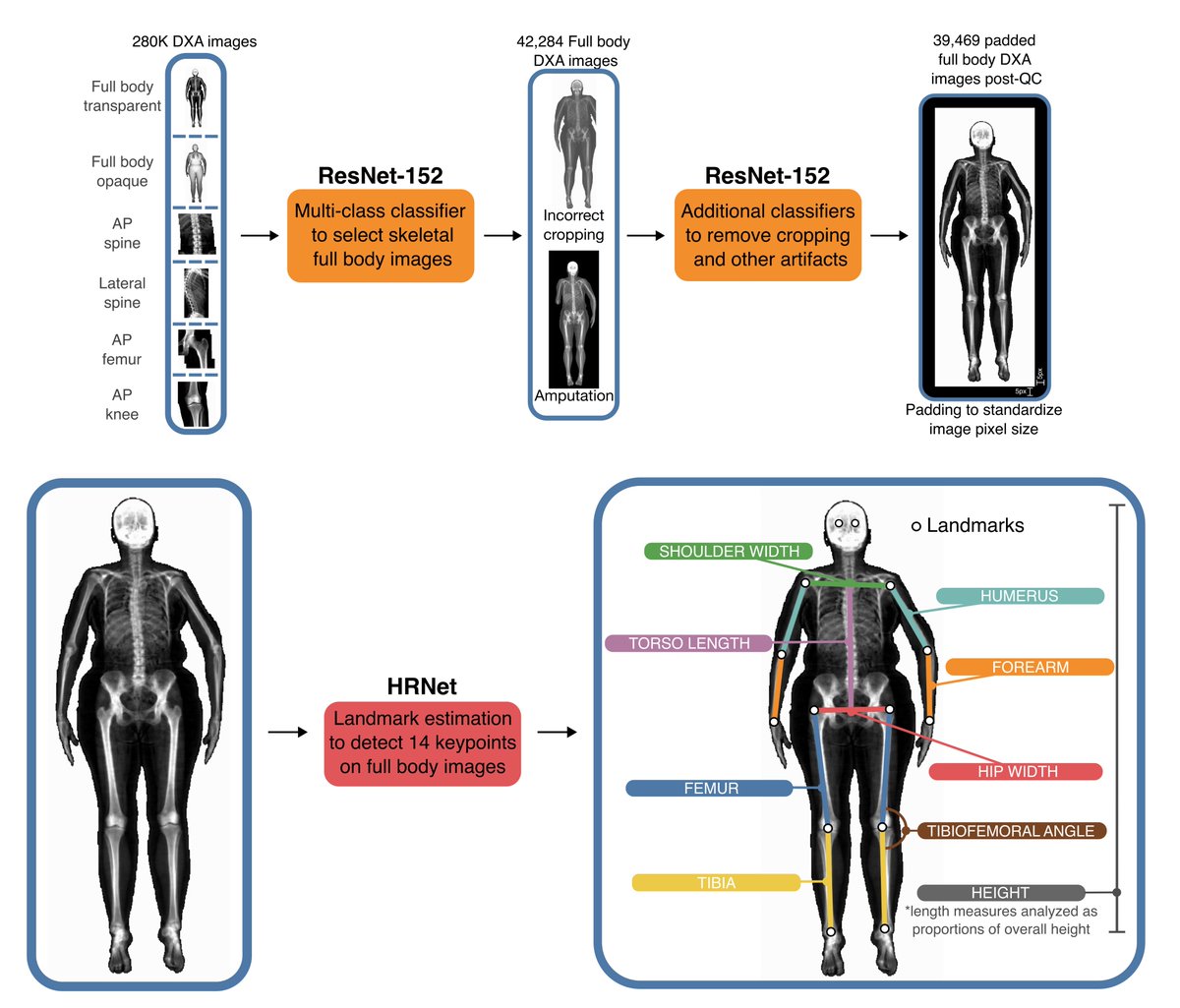
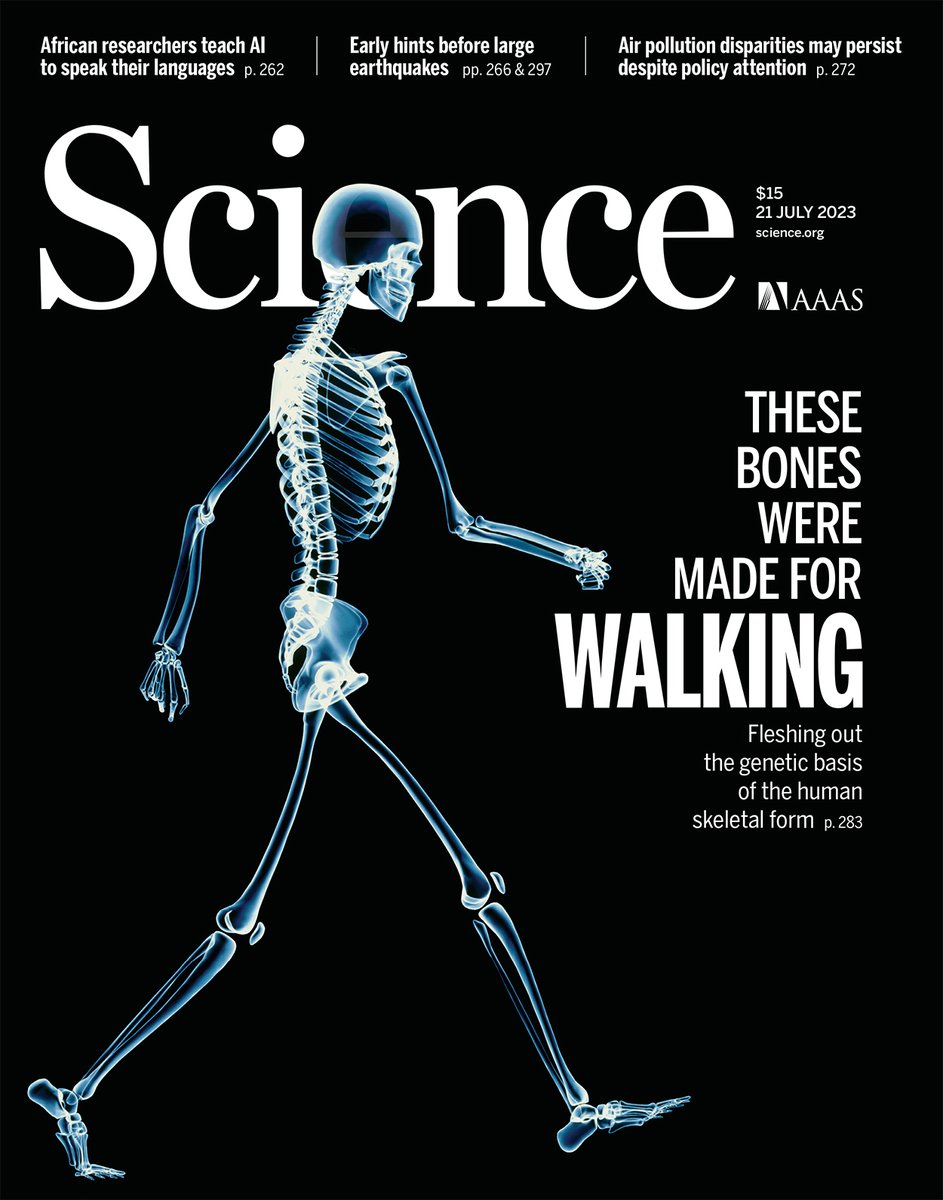
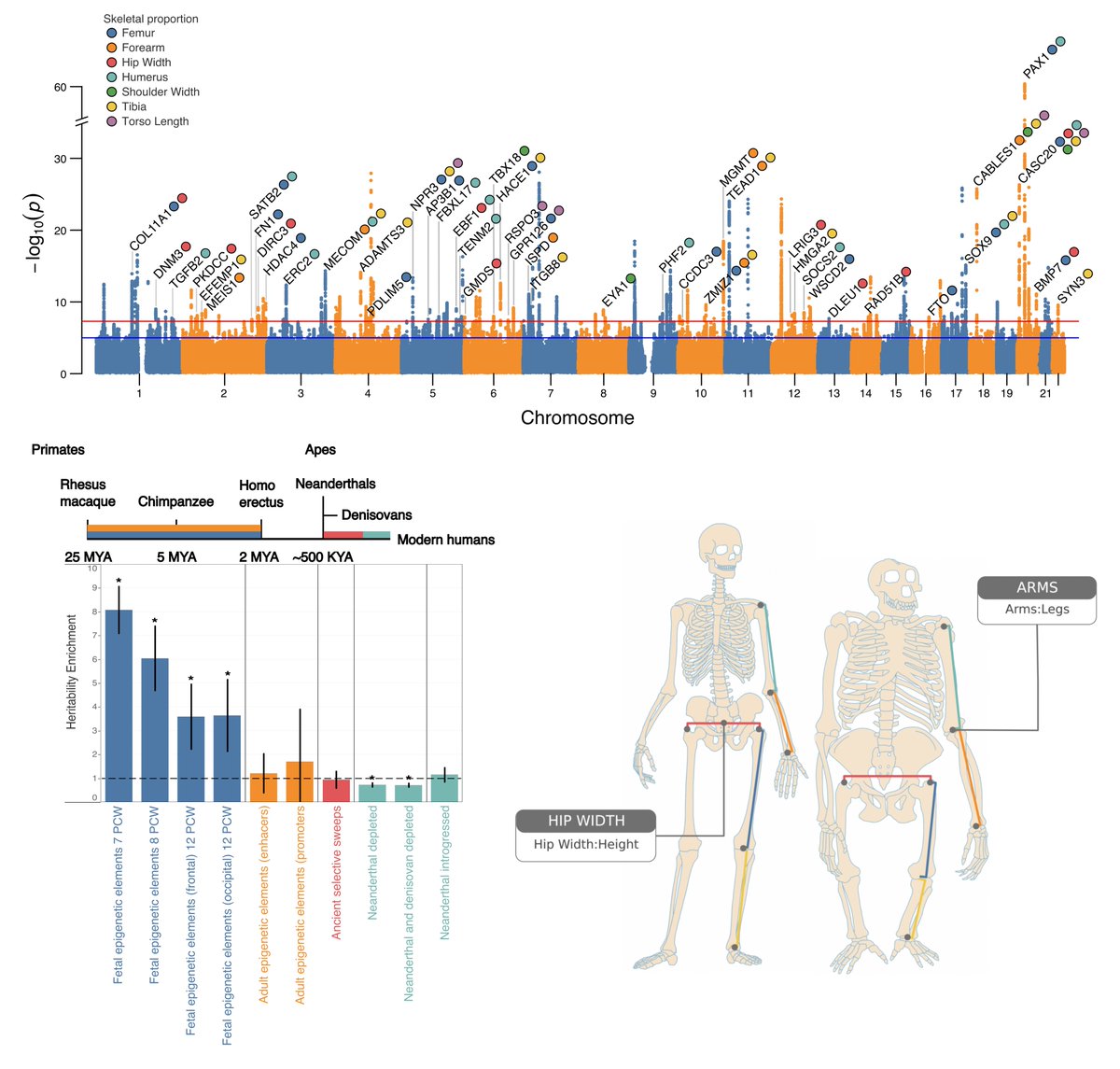
By combining data from full-body x-ray images and associated genomic data from more than 30,000 UK Biobank participants, researchers have provided new insights into the evolution of the human skeletal form.
Learn more this week in Science: https://t.co/9CgyC3HB8g
Humans are the only bipedal great apes, due to the evolution of our unique skeletal form. What genomic regions underlie such change? Our cover article in @sciencemagazine led by @EucharistKun and in collab. with @tarjs is now out! https://t.co/TksHr2tywW
https://t.co/UlozOoy354
Humans are the only bipedal great apes, due to our unique skeletal form. What genomic regions contributed to such change? Our work, combining imaging, genetic & EHR data to understand the genetic architecture and evolution of the human skeletal form is up: https://t.co/tVEAQa1MJg
1/12 Very pleased to finally share the @PGC Schizophrenia Group paper: Mapping genomic loci implicates genes and synaptic biology in schizophrenia https://t.co/IEcUWZVQiF (my first proper thread!!)
@hernandopazo@Nature Instead of h2, we instead looked at the overall contribution of PTVs to risk (https://t.co/2lfCJ3kp97). A message from this section: ~30% of ultra-rare PTVs are de novo in origin, and thus are new in this generation.
At long last, I am pleased to say that the SCHEMA consortium’s paper has been published online in @Nature (https://t.co/QkN46s4Vwz): analysis of >120K individuals shows that rare coding variants in 10 genes confer substantial risk for schizophrenia. (1/6)
@franz_mazz@Nature Most gene associations are driven primarily by PTVs, since classifying pathogenic missense variants in case-control data is imperfect. There are examples of genes with clear PTV and missense signal, however: see GRIN2A and SETD1A.
@patrick_j_short@Nature Selection and power. Variants with large effect are driven to much lower frequencies (a notable proportion appear due to de novo mutations). We don't have power to detect rare variants of modest effects at current sample sizes.
@besterman_a@Nature Not a direct answer to your question, but we roughly explored the contribution of ultra-rare PTVs to schizophrenia risk in section 7 (https://t.co/2lfCJ3C00F).
Scientists at the @broadinstitute discovered 10 rare genetic variants that increase a person's risk of schizophrenia up to 50 fold. A study from @PGCgenetics identifies 287 common variants with small effects. Will guide future research and drug discovery. https://t.co/Kw4bZgdGyd
Finally, we would like to thank the tens of thousands of patients and families for their participation, without whom research efforts such as this are not possible. (6/6)
@WiringTheBrain@davecurtis314 Agree with what Dave is describing. Although I also don't think of this as a cap; we are describing an excess averaged across a small subset of genes and only of ultra-rare PTVs - there are likely risk genes outside this definition, and large-effect missense variation.
On behalf of the SCHEMA consortium, I am excited to present our analysis of sequencing data from 24,248 cases and 97,322 controls in which we pinpoint ultra-rare protein-coding variants in ten genes as conferring substantial risk for schizophrenia. (1/6)
https://t.co/jpH6AnQSk9