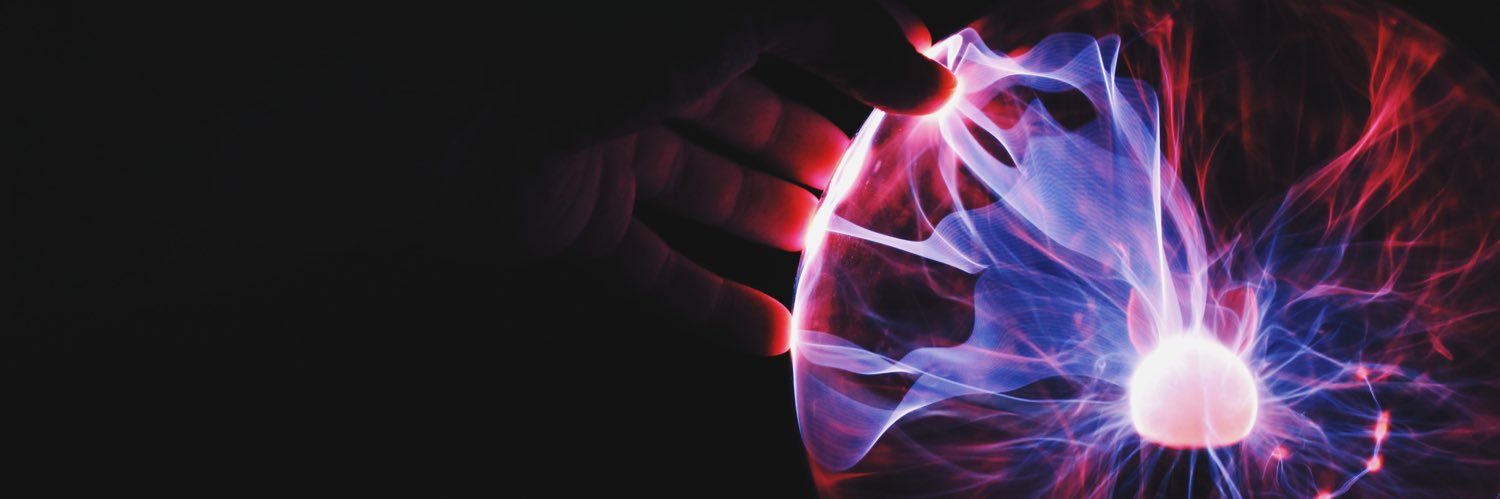
In 1985 an astronaut noticed this physical behavior of a handle, that turned out to be the proof of a theorem: the tennis racket theorem (also dubbed the Dzhanibekov effect)
FYI
January Perihelion - Earth closest to Sun
March Equinox - night equals day
June Solstice - longest daylight (north) / night (south)
July Aphelion - Earth farthest from Sun
September Equinox - night equals day
December Solstice - shortest daylight (north) / night (south)
We’ve taken light data detected by four of our telescopes—@ChandraXray, @NASAWebb, @NASAHubble, and Spitzer Space Telescope—and turned them into sound. Hear what some galaxies and stars sound like: https://t.co/InaZnfy9RH
Astronomers using @NASAHubble have recorded a star’s final moments as it gets gobbled up by a black hole. Stellar shredding like this happens only a few times in every 100,000 years in any given galaxy with a supermassive black hole center: https://t.co/ZhZK4MRK1n #AAS241
2022 ended with a shiver, but the start of 2023 broke a sweat. 🥶🥵
This weather whiplash may have been caused by changes in the polar vortex, the band of strong westerly winds over the Arctic. Details: https://t.co/gnOAqDOncS
Look now. Not later. Right now...
If it's nighttime for you and you can see the Full Moon in the sky, the bright "star" next to it is planet Mars.
The Moon buzz-cut Mars on the sky this evening as it orbits Earth west-to-east, moving its own width on the sky per hour.
Tonight, the world's first planetary defense test will take place, the Double Asteroid Redirection Test. At 7:14pm ET, DART’s impact will slow Dimorphos down, which will make it orbit Didymos faster. This technique could save Earth one day - the only preventable natural disaster.