Working families are facing an affordability crisis. Rising costs, hidden fees, and a tax system that was not built for them are making it harder to get ahead.
Our partners at Economic Security Illinois Action just wrapped up a big session in Springfield fighting back against exactly that.
See what they won for working families.
https://t.co/AKgUkPIM0L
For DAME Magazine's Repairing America series, I spoke to experts about addressing affordability through policies like universal childcare, expanded child tax credit, unionization, wage increases, & more. https://t.co/mGtLrTkifr
“We need to progress beyond analysis paralysis on whether AI comes for jobs and start to pursue 'no regret' policies that not only prepare Americans for a potential AI transition, but respond to the affordability crisis and instability already facing millions of Americans."
ESP Executive Director @taylorjo in @InsidePhilanthr, making the case for "no regret" policies — solutions that address the affordability crisis millions of families are already facing and prepare the country for the AI transition.
The piece explores how philanthropy is responding to AI-driven job displacement and where the field can go further by backing policies that address the broken markets and broken incomes driving the affordability crisis.
Our new brief, "Ideas for Shared Economic Prosperity in the AI Transition", lays out what some of these "no regret" ideas look like in practice: modernizing the tax code, establishing an income floor, and a four-day work week.
Dig into our brief here: https://t.co/TAfMJcEvzR
And read the full piece from Inside Philanthropy here: https://t.co/ugRCKyy0Pa.
This sounds nice, but it's a great way to undermine the welfare state.
The strongest welfare states in the world (the Nordics) tax everyone, including nurses. And they give everyone universal healthcare, childcare, pensions, education in return.
When the middle class has skin in the game, they defend the system. When welfare is 'just for the poor', it becomes a poor program: stigmatized, underfunded, easy to gut.
That's why billionaires keep pushing this idea. The real scandal isn't that this nurse pays $12k.
It's that Jeff Bezos pays $0.
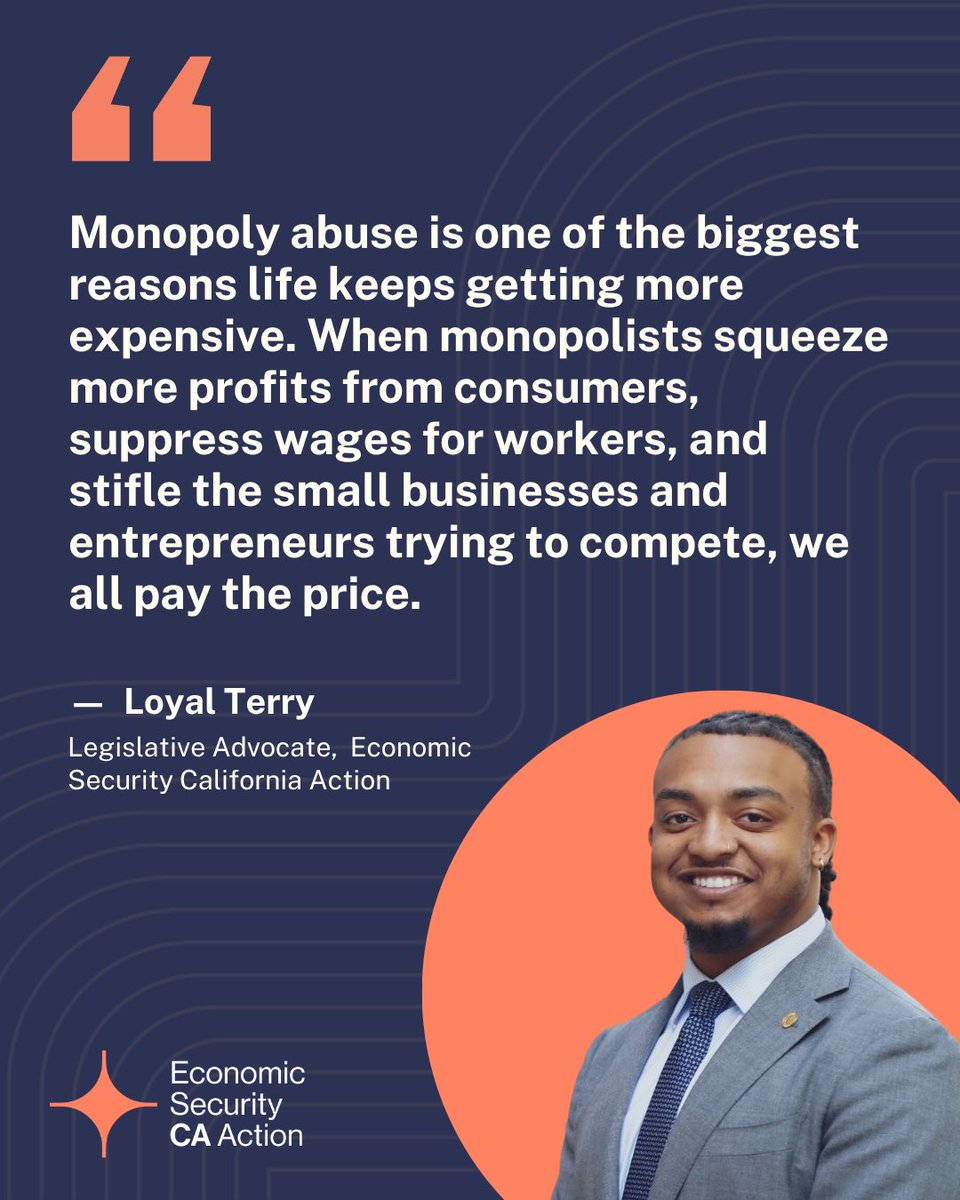
ESCAA Legislative Advocate Loyal Terry was featured in @politic’s California Decoded newsletter today as California’s antitrust momentum continues to build.
Loyal spoke about the growing push by California lawmakers and @CAgovernor, who in his latest budget revision called for stronger antitrust enforcement, to take on corporate consolidation as the federal government steps back from this fight.
Last week, the Assembly Appropriations Committee advanced the COMPETE Act, which would update California’s 119-year-old antitrust law to hold dominant corporations accountable for anticompetitive behavior driving up prices for groceries, healthcare, housing, and everyday essentials.
Corporate consolidation costs California families an estimated $3,700 a year. That has to change.
Last year, I authored & we passed the strongest AI safety law in the nation, SB 53. New York State essentially copied it. Most large tech companies can’t stand it, so there’s now a push in Congress to preempt it. Republicans want to replace our state work with *voluntary* federal requirements.
Hard no. https://t.co/vI25MB7x5q
Since I see Piketty-Saez-Zucman vs Auten-Splinter (on the rise of inequality) again on my TL, let me share two items.
First, here is what I (very briefly) say about the exchange in my book.
Then in the next post, I'll link to my lecture notes on this, doing a deep dive.
It is interesting to me how often in policy debates we have to “achieve” some clear metric (increase women’s labor force participation, increase fertility, etc) and how “it’ll just make things less bad for people” isn’t taken as an acceptable goal more often
Today, the COMPETE Act (AB 1776) passed out of suspense in Sacramento, moving California one step closer to updating its 119-year-old antitrust statute.
The legislation would curb the abuse of monopoly power by dominant corporations that have driven up what Californians pay for groceries, healthcare, housing, and everyday essentials.
Here’s our statement from ESCAA Legislative Advocate Loyal Terry: https://t.co/QD8hxYlk0g
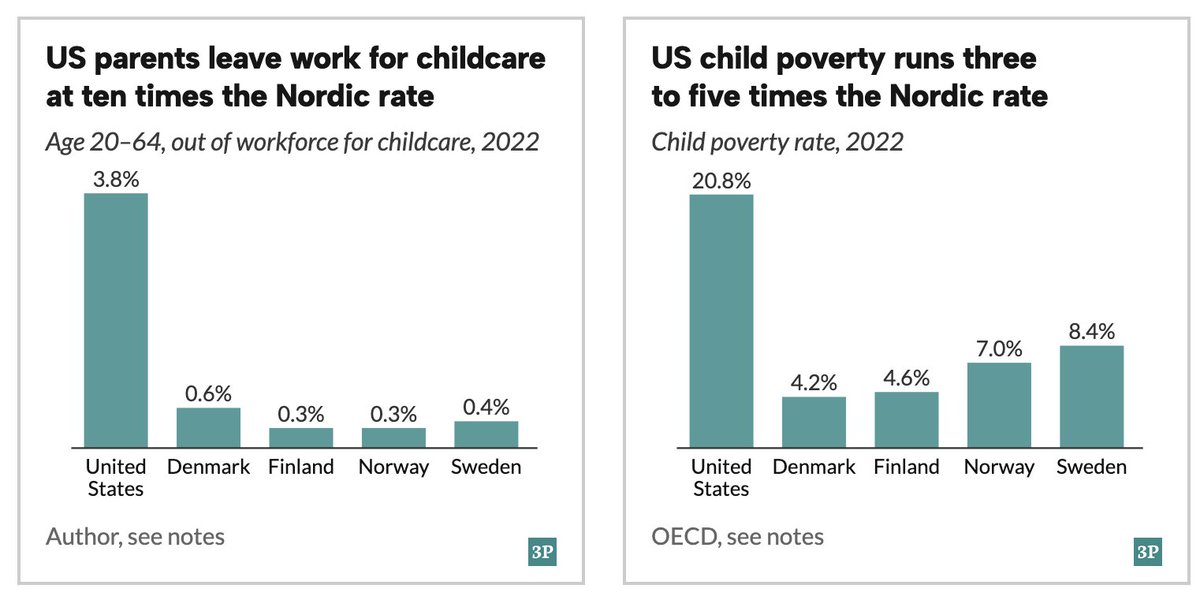
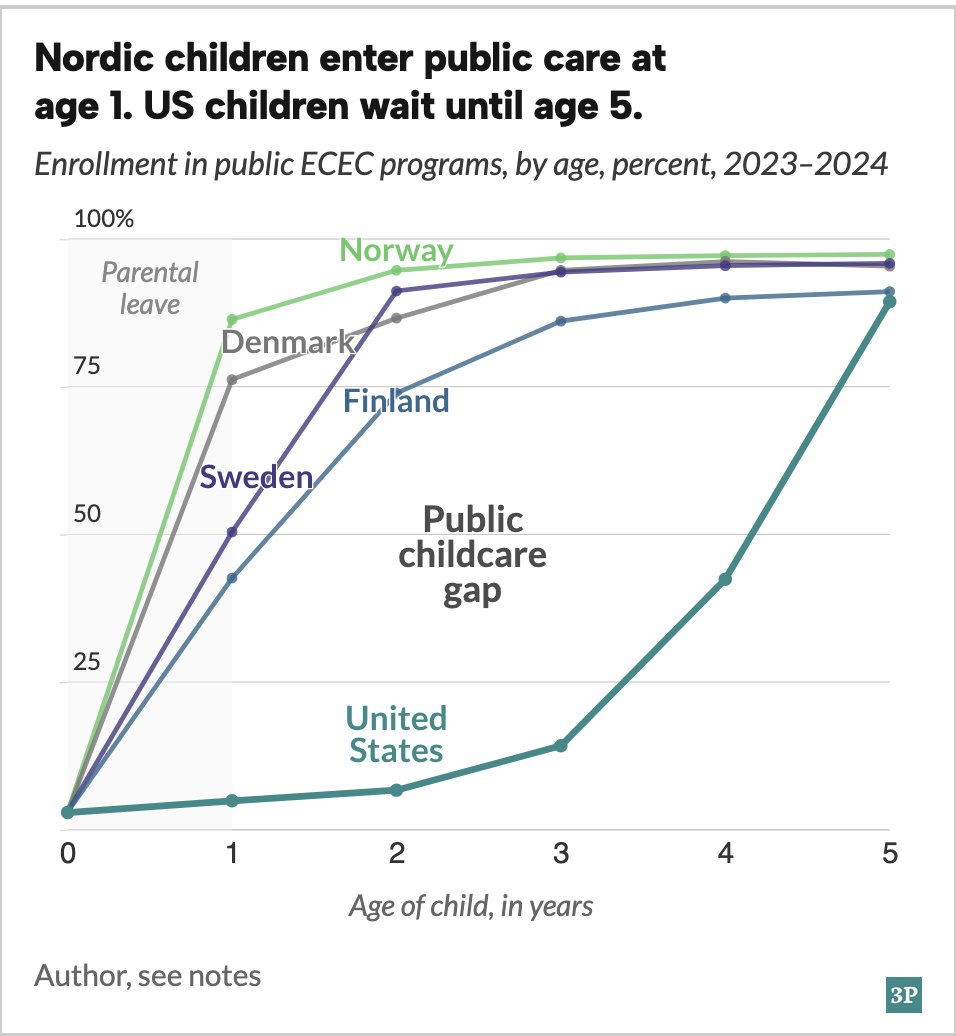
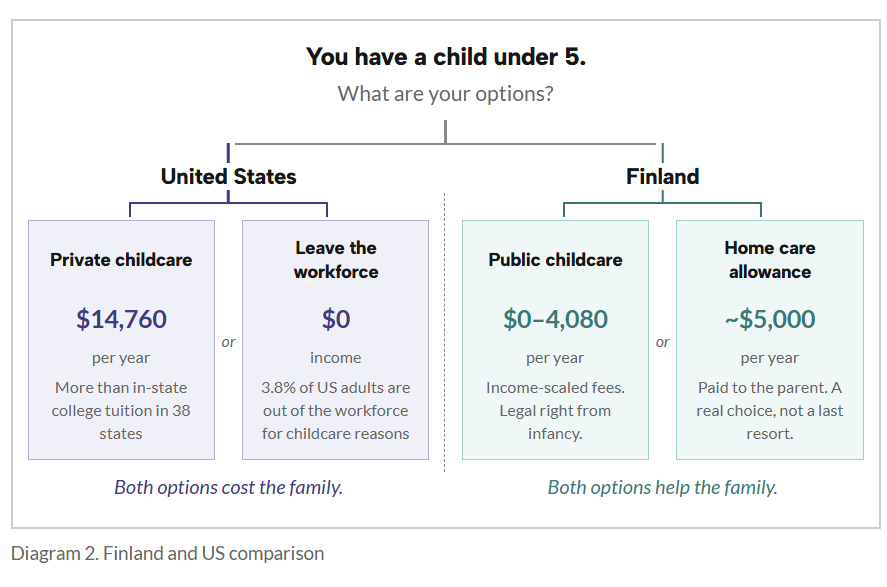
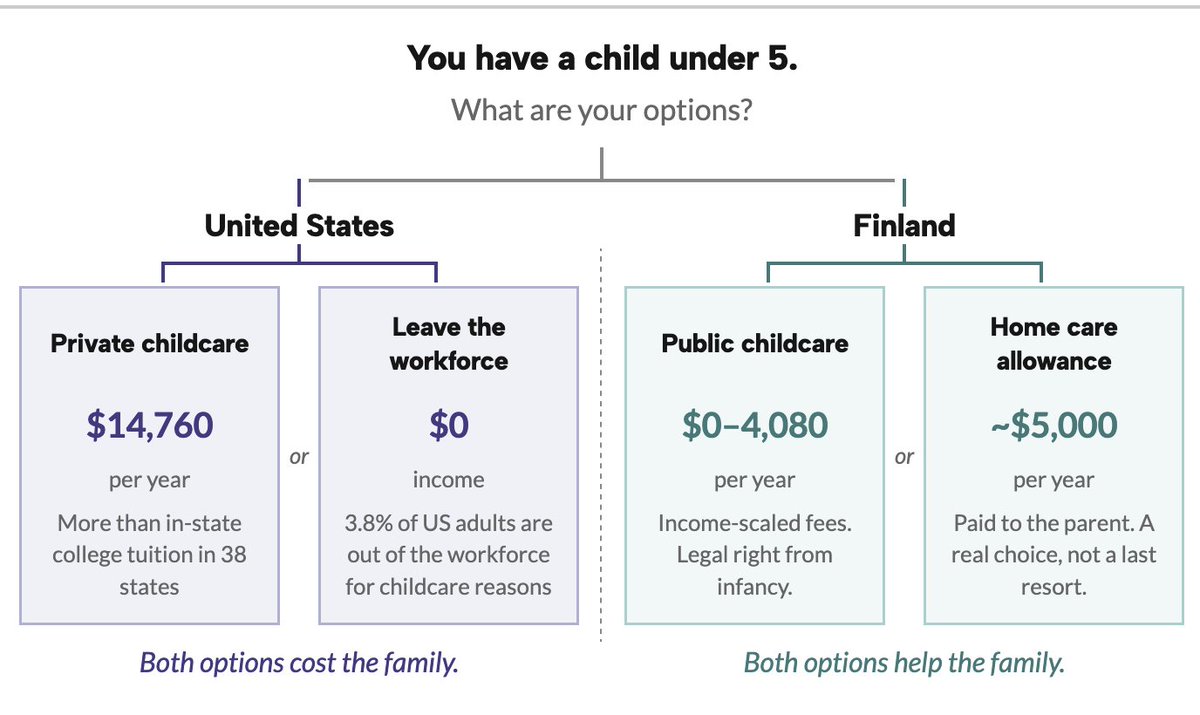
To me, this is the key chart from the new @PplPolicyProj report on Nordic child care: when you have a system with adequate public funding, you can provide parents with *real* choices so they can raise their kids the way they want. This way lies parental freedom.
15/ So, what should policy do? Don't try to lower the overall price level. Target the goods where people feel affordability most keenly — housing, childcare, healthcare, energy, and groceries.
This paper covers literally everything. Differences in childcare worker pay. Differences in benefit structure, spending. History. It's very very good.
https://t.co/tuO7PPEF2x
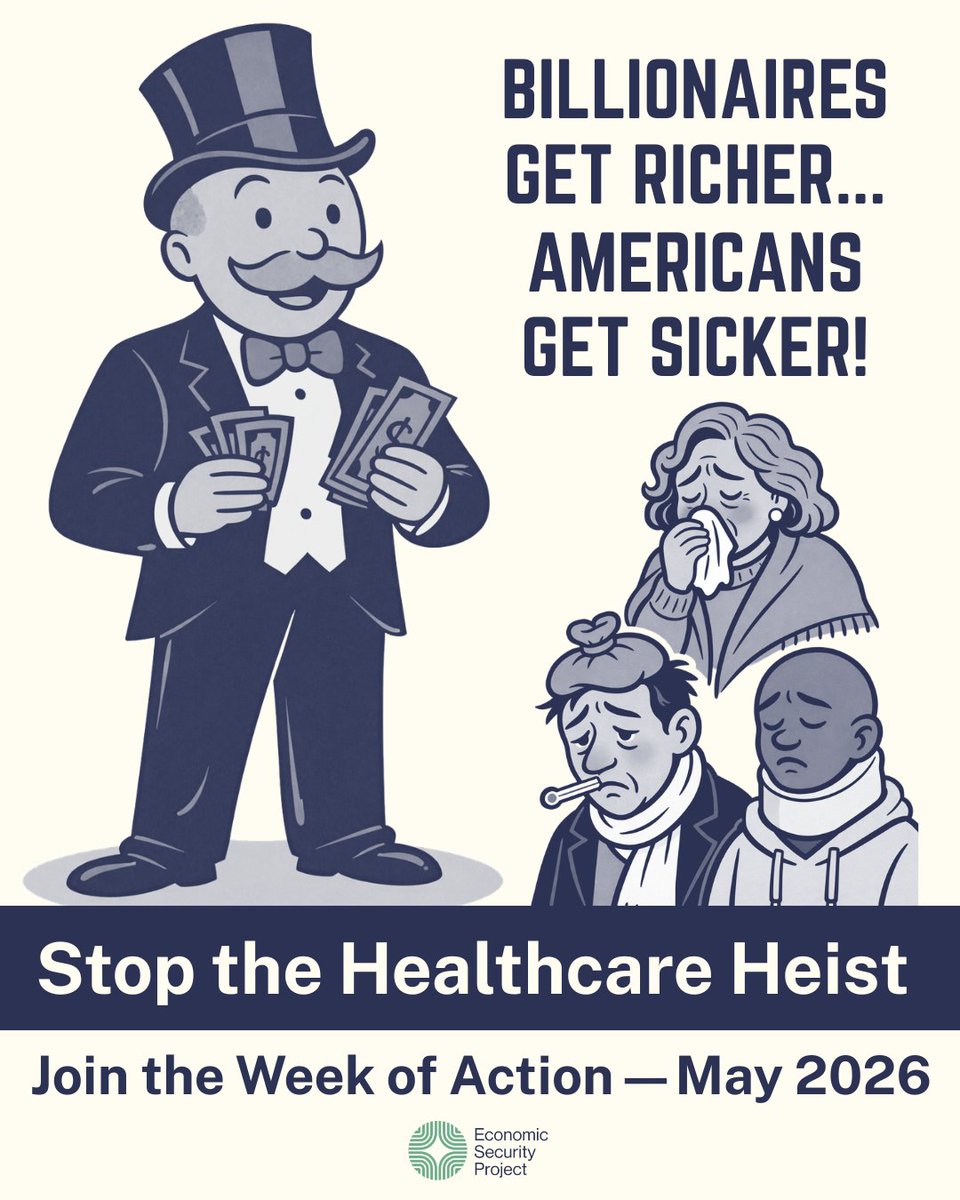
Skyrocketing health costs, hospitals and clinics closing down, and millions of families losing their healthcare: these are the consequences of H.R.1 unfolding in real time, nationwide.
H.R.1 gutted over $1 trillion from Medicaid and the Affordable Care Act. The bill also gave over $1 trillion in tax cuts that mostly benefit billionaires and big corporations.
We need better, affordable healthcare for all. Instead, working families are getting stuck with higher costs and coverage losses. As the healthcare crisis continues to escalate, it's time to speak out against the #healthcareheist.
Learn more here: https://t.co/t9Uoy3lUHn
More of our thinking on the way forward in "Ideas for Shared Economic Prosperity in the AI Transition", our brief authored by the brilliant @chao_becky
https://t.co/mul5iHXMQG
Exciting to see Alex Bores put pen to paper on an AI Dividend. We spent a lot of time studying the pros and cons of the Alaska Dividend early at @EconomicSecProj and what I think is most promising is the advancement of a politics of shared ownership and shared benefit.
Today, I’m proud to announce the AI Dividend, my plan to prepare for the AI economy with direct payments to Americans funded by tax reform that simultaneously incentivizes hiring humans instead of AI.
Read the full plan here: https://t.co/sE1OuM8AlT
The next big question? How do we build a playbook that taps into the shifting politics on AI to make a real go at comprehensive tax reform, which will be foundational to achieving economic freedom and dignity for all.
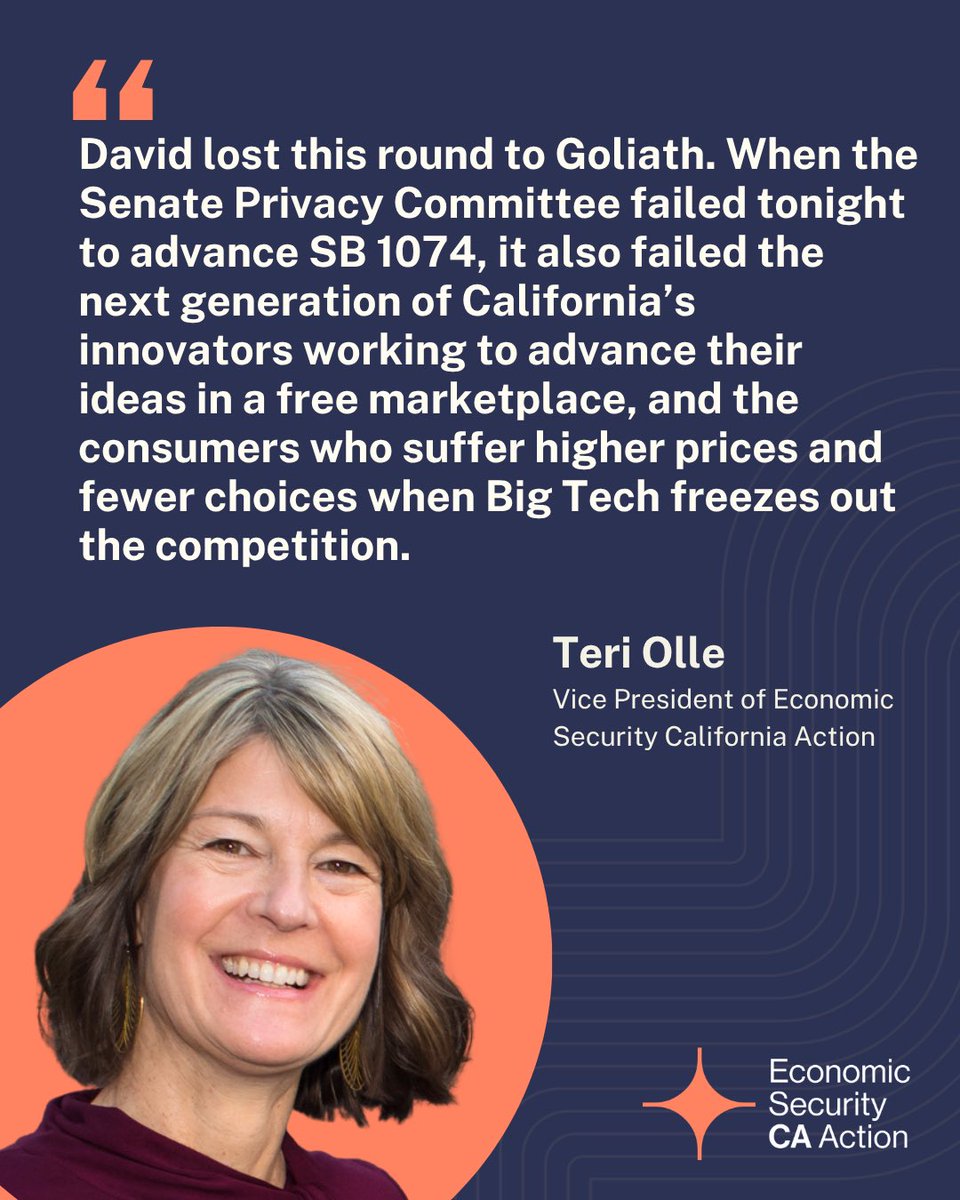
Last night, the Senate blocked Scott Wiener’s SB 1074, a bill that would have stopped Big Tech from rigging the system in their favor.
SB 1074 would have banned self-preferencing, an anticompetitive practice where dominant platforms unfairly boost their own products over competitors—stifling competition, raising prices, and further concentrating corporate power.
We are grateful to @Scott_Wiener for his leadership and to our partners @ycombinator.
This fight isn’t over. We’ll keep pushing to rein in monopoly power and build an economy that works for everyone. ✊🏽
Read our full statement: https://t.co/xO9RNelywy
“When Trump regained power, his IRS shut (Direct File) down - calling it too expensive when in reality it was one of the most cost-efficient innovations in modern government. Why eliminate a cost-effective, well-liked new technology that makes life easier for Americans?…