@gamefromscratch Really nice! Thanks for helping us to keep up with everything. Really cool review! Will export some Android and iPhone games soon, I guess. :)
Absolute bombshell of a release!🚀@stridedotnet is the best C# game engine!
Blazing-fast renderer, complete asset pipeline, and the world's best shader system just got even better.
All platforms are back: Linux (+editor), Android, and iOS!
Plus CLI tools for AI agents...🤯
Stride 4.4 is out 🚀
With over 3200 commits, this is one of the biggest updates the engine has had in years:
• Overhaul of Linux, macOS and mobile support
• Brand new shader compiler
• Direct3D 12 and Vulkan rewrite
• New CLI tool
• Improved asset workflow
They said photography wasn’t art.
They said cinema wasn’t art.
They said video games weren’t art.
Now they say AI arts/digital art isn’t art.
I’ve spent over a decade with my studio team turning millions of data points into living, breathing artwork experiences ethically — at MoMA, at the Guggenheim, at the Venice Biennale. Not because a machine told me what to create, but because I had a vision that no traditional tool could realize.
Denying all AI technologies as an artistic medium doesn’t protect art. It limits it. The artists who embrace new tools don’t replace the old masters — they join them.
Art is not defined by the brush. It’s defined by the intention, the emotion, and the courage to see the world differently.
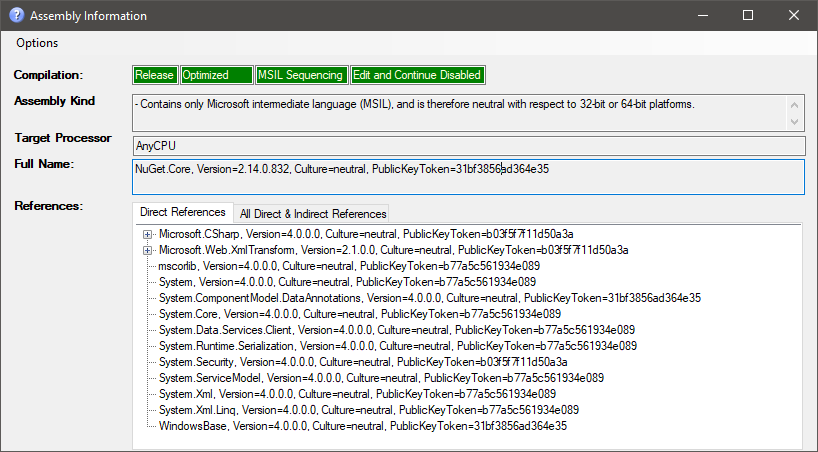
Updated an old free .NET tool I use regularly
Right-click any DLL/EXE → "Assembly Information"
• Debug vs Release
• Target framework
• Dependencies
• PE architecture
Beats opening ILSpy just to check basic stuff
https://t.co/Bho7ALUHPD
#dotnet#csharp
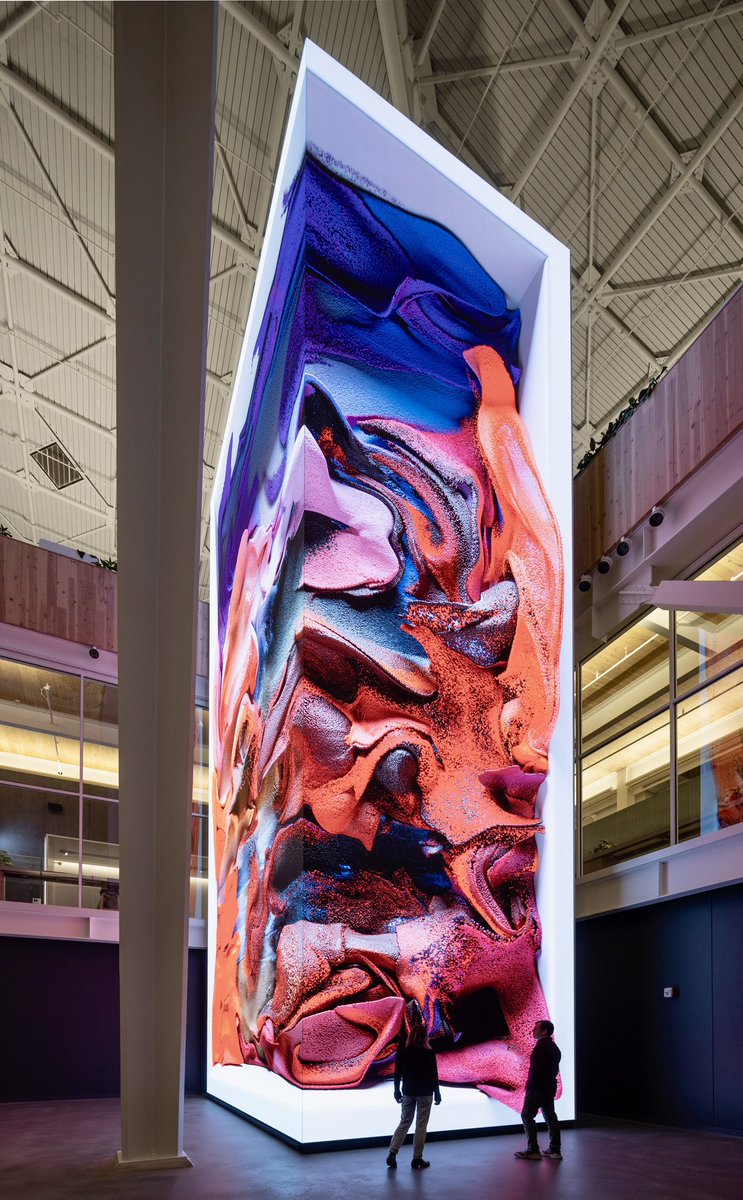
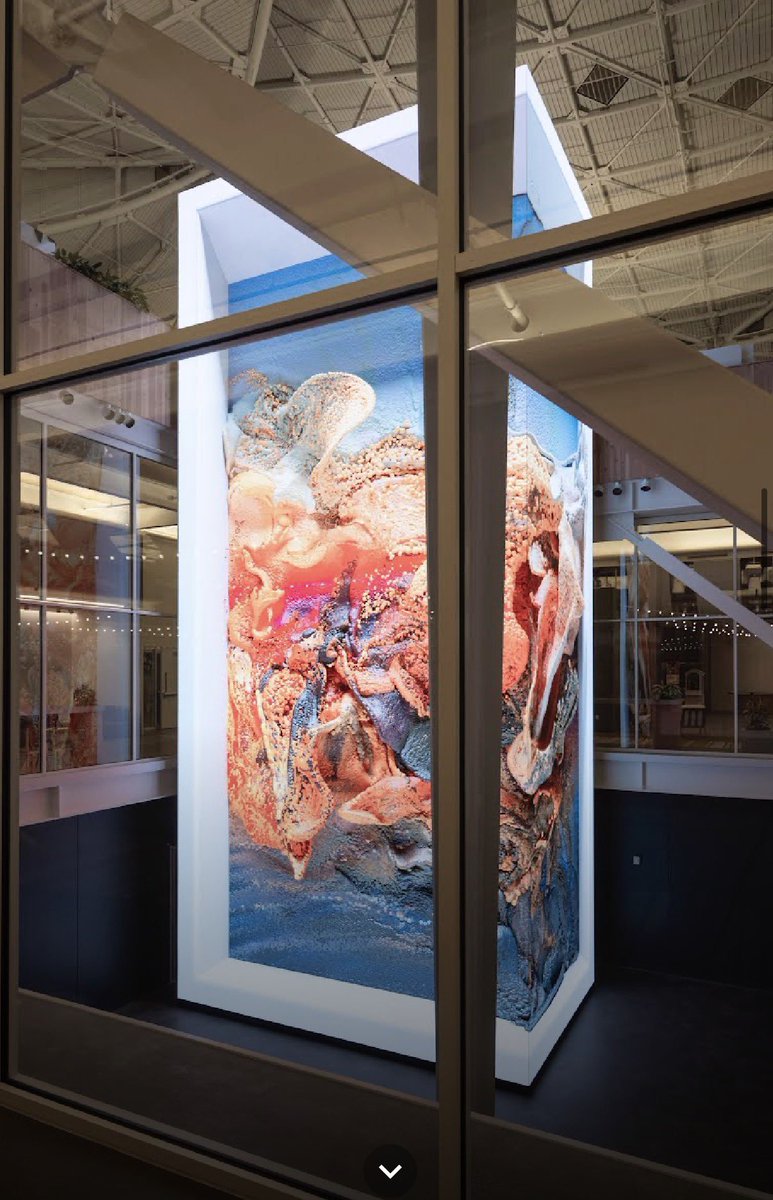
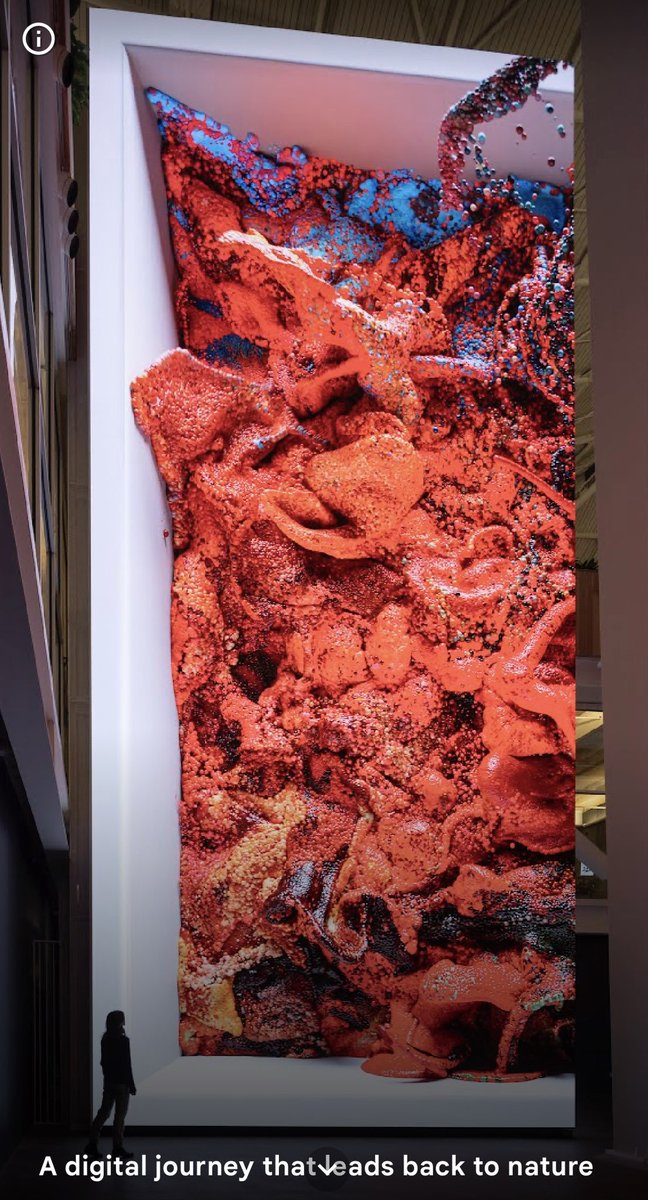
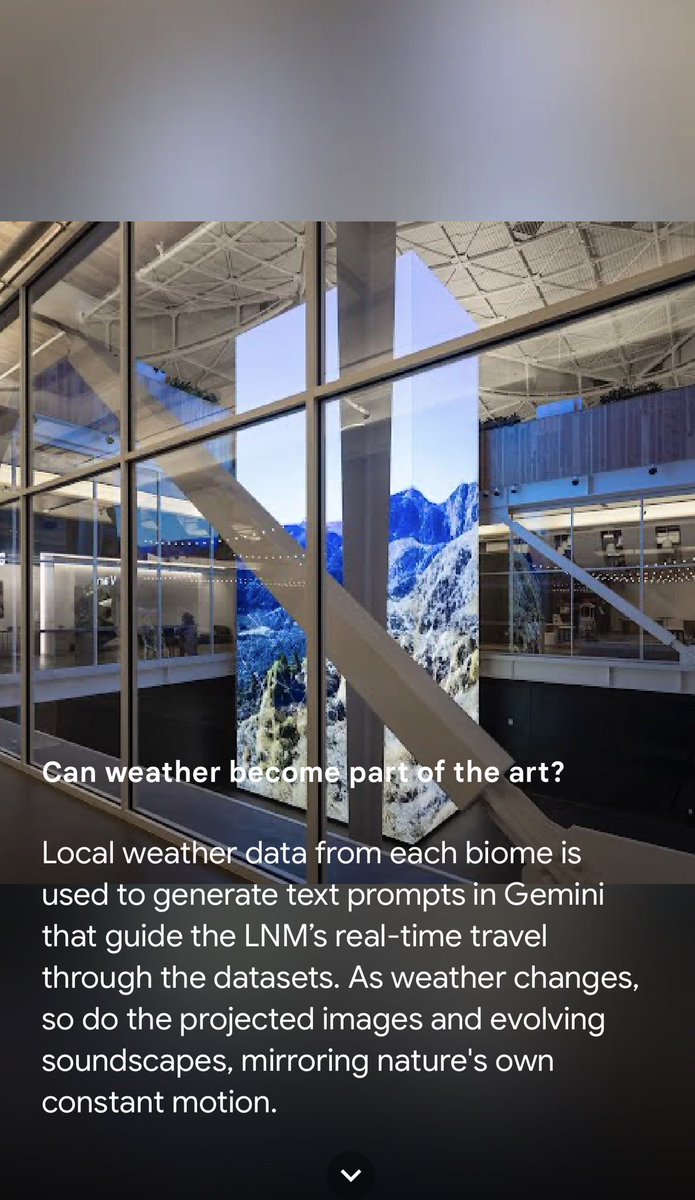
Dear friends, I’m excited to share our final and most ambitious AI arts project for 2025 — Machine Dreams: Biophilia, commissioned by Google for their new headquarters, Gradient Canopy.
The project began nearly two years ago to support Large Nature Model research. To create this work, Refik Anadol Studio collected 2 petabytes of audio and imagery from four distinct California biomes by traveling through the Redwoods, Ocean, Bay, and Foothills. It was combined with publicly available ecological datasets to train our Large Nature Model (LNM) sustainably in Google Cloud using renewable energy.
Local weather data from each biome is used in real time to generate text prompts in the latest Gemini, guiding the LNM’s exploration of the datasets. As the weather changes, so do the dreamed images and evolving soundscapes, reflecting nature’s constant motion—a living AI Data Painting that harmonizes perfectly with nature. The breakthrough technology behind the artwork will also power Dataland, and I cannot wait to share more soon. I am deeply grateful to the team that worked so hard on this epic and unique project, and to Google Leadership and scientists for their ongoing support of our studio since 2015!
🚀New on the Stride Engine blog: we've written a new parser for our shader language parser. Is it faster? Is it better? (Spoiler alert: it is) Read the post If you want to know more about it!
https://t.co/yq9NIRUZkE
#gamedev#OpenSource#CSharp#DotNet#SpirV#StrideEngine
🚀 New Blog Post Alert!
Discover how @SlitherineGames / Code Force leveraged Stride's pure C# to develop Distant Worlds 2. 🕹️
Dive into their development journey, from custom shaders to scalable UI. 🤿
Read more: https://t.co/L2R7TLWWsW
#GameDev#StrideEngine#DistantWorlds2
Gesture Gaming! 🤏🎮
Controlling in-game movement by hand orientation via EPS32 and an MPU 6050/6-axis gyroscope mounted on a glove.
Bluetooth and #StrideEngine's ability to use NuGet packages made this possible in no time! 🚀
#GameDev#IndieGame#Gaming#FOSS#DotNet