@lxganbtc Hey, We'd love to learn more about your projects and if there's a good fit for us working together.
1. What kind of experiences are you looking for?
You can check our portfolio mentioned below or on our profile
https://t.co/uia69QphCq
@_TDNW Hey, We'd love to learn more about your projects and if there's a good fit for us working together.
1. What kind of experiences are you looking for? Responsive, Scaling CSS, or something else?
@_itsmeteri Hey, We'd love to learn more about your projects and if there's a good fit for us working together.
1. What kind of experiences are you looking for? Responsive, Scaling CSS, or something else?
𝑪𝒖𝒔𝒕𝒐𝒎𝒆𝒓 𝒇𝒐𝒄𝒖𝒔 𝒊𝒔 𝒕𝒉𝒆 𝒎𝒐𝒔𝒕 𝒉𝒂𝒗𝒆 𝒊𝒎𝒑𝒐𝒓𝒕𝒂𝒏𝒄𝒆 𝒃𝒖𝒔𝒊𝒏𝒆𝒔𝒔 𝒈𝒓𝒐𝒘𝒕𝒉 𝒇𝒂𝒄𝒕𝒐𝒓
1. Develop strong relationships with your customers to encourage loyalty and repeat business.
2. Use customer feedback to improve your products or services.
I spoke to 101+ software engineers and realized one fact.
Many get confused between Load Balancers, API Gateways and BFFs.
But some simple examples often clear the confusion.
[1] Load Balancers
When you check in to a hotel, you are usually greeted by a receptionist.
The receptionist checks your documents, makes some data entries in their system, and directs you to your room.
If there are too many guests, the hotel might keep multiple receptionists.
Load balancers do a similar job for your application.
It’s a tool that distributes incoming requests across multiple servers.
Also, load balancers keep your system available. If one server goes down, it directs the request to another server.
[2] API Gateway
Imagine going for an interview in a company that’s hiring for different positions - Tech Architect, Engineering Manager, and Software Engineer.
For each position, there’s a different panel.
Now, you don’t want the candidates to check each room to find the correct panel.
This is where a coordinator checks the candidate’s profile and directs them to the correct panel.
For a system, API Gateway is that coordinator.
API Gateways can also perform different functions like authentication, rate limiting, logging, and caching.
Fun fact: Layer 7 Load Balancers can also play the role of API Gateways.
[3] Backends for Frontend
Let’s take our interview example further.
For every position (Arch, Engineering Manager, Software Engineer), there are specific rounds of discussions.
Some rounds are different based on the position but some may be common for all positions (such as the Director Round).
How do you coordinate this for each position?
Backends for Frontends is your BFF in this scenario. It’s a coordinator that takes care of the specific rounds for a particular type of interview.
In system terms, BFF is the component that can take care of different device requirements.
For example, you can have a BFF for Web Apps, a BFF for mobile devices, and another one for external applications.
👉 Ultimately, you can have all 3 of them in the same application stack handling stuff at different levels.
So - have you used Load Balancers, API Gateways, and BFFs before?
And what has been your experience like?
CI/CD Pipeline Explained in Simple Terms
Section 1 - SDLC with CI/CD
The software development life cycle (SDLC) consists of several key stages: development, testing, deployment, and maintenance. CI/CD automates and integrates these stages to enable faster, more reliable releases.
When code is pushed to a git repository, it triggers an automated build and test process. End-to-end (e2e) test cases are run to validate the code. If tests pass, the code can be automatically deployed to staging/production. If issues are found, the code is sent back to development for bug fixing. This automation provides fast feedback to developers and reduces risk of bugs in production.
Section 2 - Difference between CI and CD
Continuous Integration (CI) automates the build, test, and merge process. It runs tests whenever code is committed to detect integration issues early. This encourages frequent code commits and rapid feedback.
Continuous Delivery (CD) automates release processes like infrastructure changes and deployment. It ensures software can be released reliably at any time through automated workflows. CD may also automate the manual testing and approval steps required before production deployment.
Section 3 - CI/CD Pipeline
A typical CI/CD pipeline has several connected stages:
- Developer commits code changes to source control
- CI server detects changes and triggers build
- Code is compiled, tested (unit, integration tests)
- Test results reported to developer
- On success, artifacts are deployed to staging environments
- Further testing may be done on staging before release
- CD system deploys approved changes to production
–
Subscribe to our weekly newsletter to get a Free System Design PDF (158 pages): https://t.co/FIzCeaWsZV
Types of Databases.
Relational Database:
Organizes data into tables with rows and columns, ensuring strong data integrity. Commonly uses SQL for querying.
Document Database:
Stores and retrieves data in flexible, JSON-like documents. Ideal for handling diverse data structures
In-Memory Databases:
Stores data in system memory for faster access. Beneficial for high-performance applications that require rapid data retrieval.
Graph Databases:
Focuses on relationships between data points. Efficiently manages complex relationships often found in social networks or organizational structures.
Time-Series Databases:
Optimized for handling time-ordered data, making it ideal for applications dealing with timestamps and temporal patterns.
Spatial Databases:
Manages spatial data, facilitating efficient storage and retrieval of geographical or location-based information.
🤔 Which database type aligns with your project needs? Share your preference!
👍🏿 Subscribe to our newsletter - https://t.co/hxARDoA98l
#systemdesign #coding #interviewtips
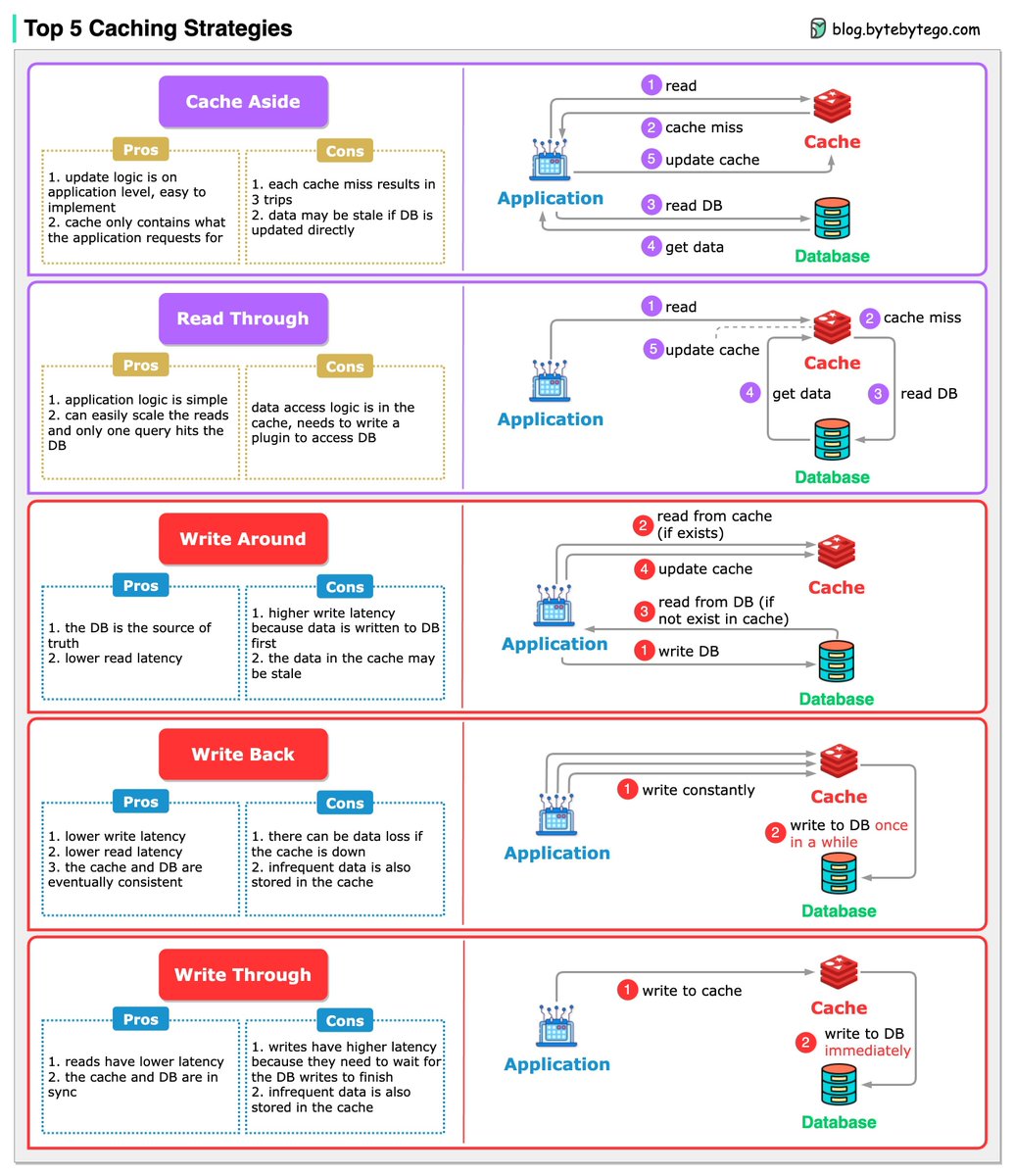
One picture is worth a thousand words - Top 5 Caching Strategies.
When we introduce a cache into the architecture, synchronization between the cache and the database becomes inevitable.
Let’s look at 5 common strategies how we keep the data in sync.
🔹 Read Strategies:
Cache aside
Read through
🔹 Write Strategies:
Write around
Write back
Write through
The caching strategies are often used in combination. For example, write-around is often used together with cache-aside to make sure the cache is up-to-date.
Over to you: What strategies have you used?
–
Subscribe to our weekly newsletter to get a Free System Design PDF (158 pages): https://t.co/FIzCeaWsZV
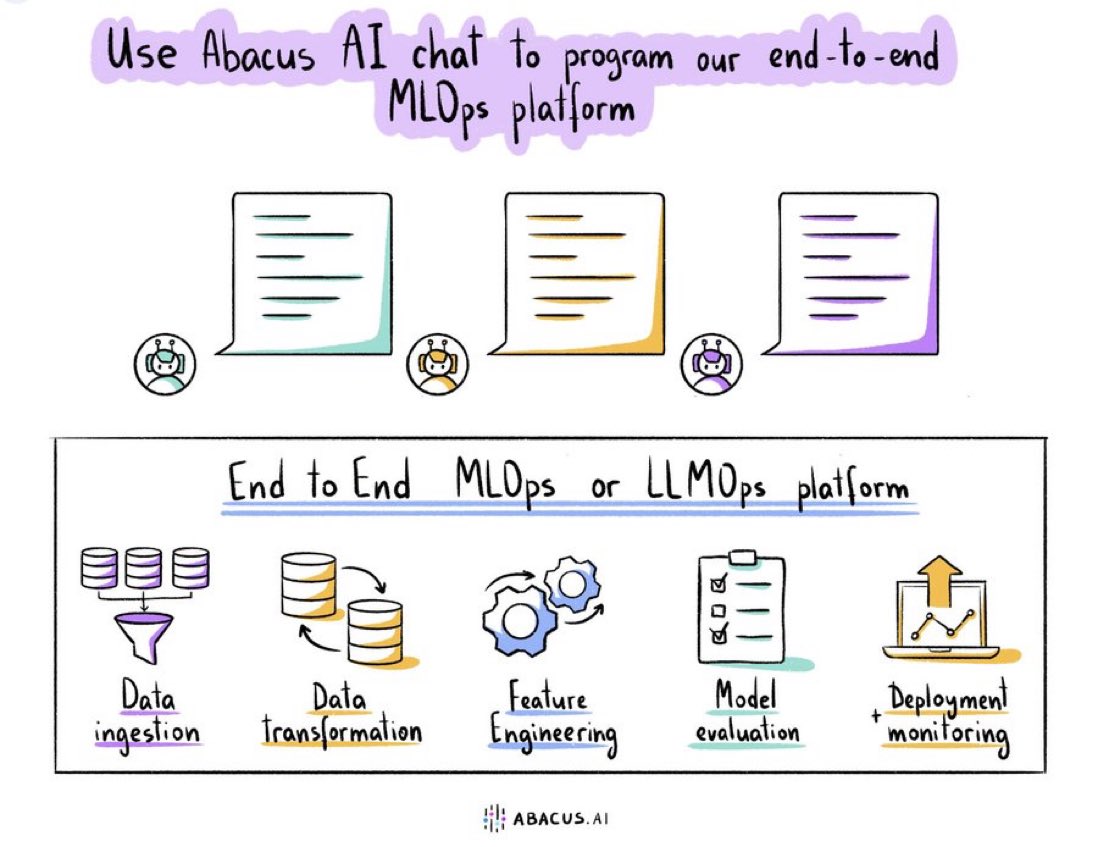
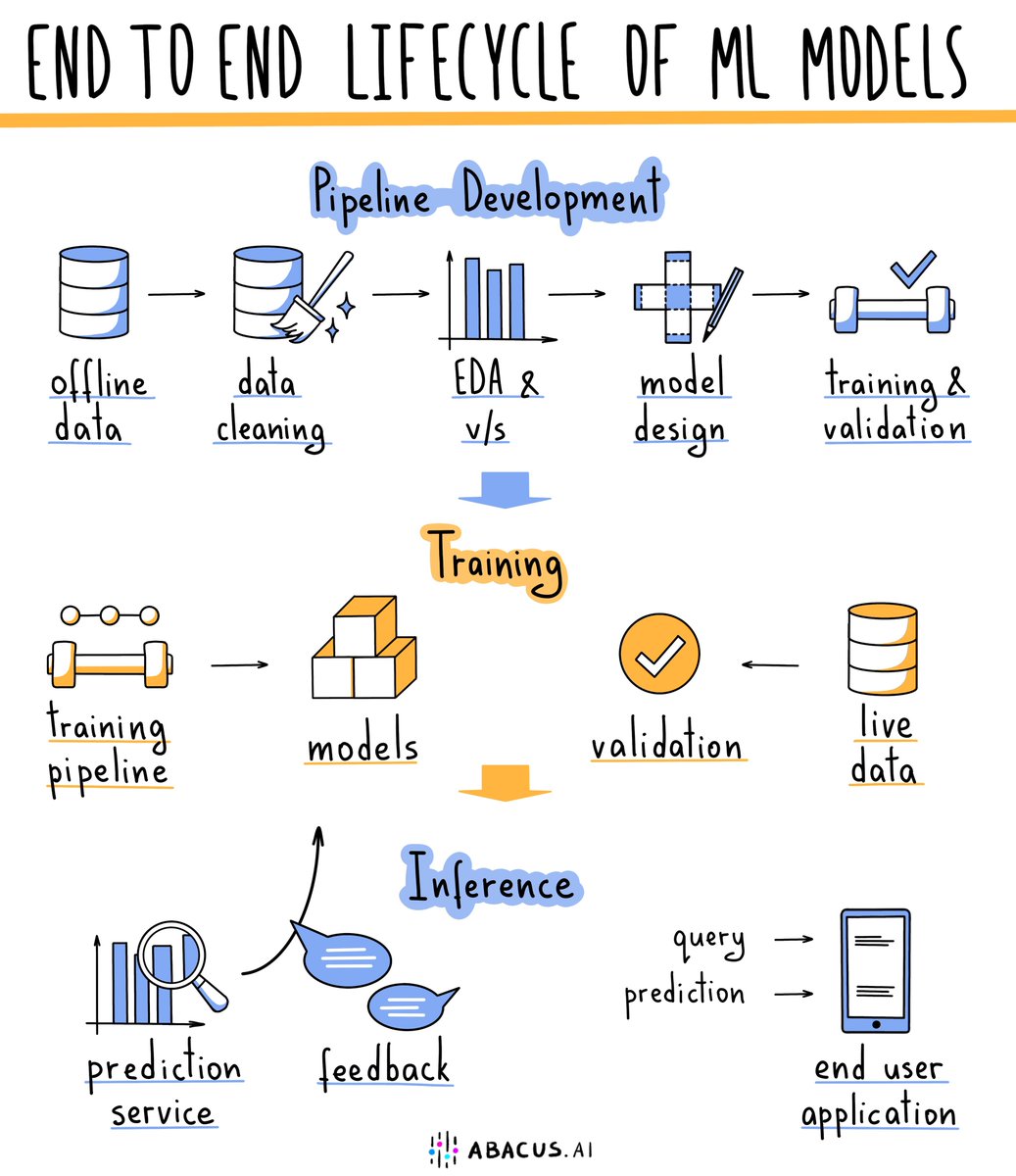
Enterprise #MachineLearning requires all this...
1. Data sources
2. Data pipelines
3. Feature stores
4. Model training
5. Model evaluation
6. Model deployment
7. Model monitoring
8. Predictions API
9. #MLOps
Guess what?
🌟@AbacusAI platform delivers all these goodies for you🌟
𝗪𝗵𝘆 𝗪𝗲 𝗦𝗵𝗼𝘂𝗹𝗱 𝗨𝘀𝗲 𝗦𝗾𝘂𝗮𝗿𝗲𝘀𝗽𝗮𝗰𝗲
𝑺𝒊𝒎𝒑𝒍𝒊𝒄𝒊𝒕𝒚: Squarespace is user-friendly for those without coding skills.
𝑨𝒍𝒍-𝒊𝒏-𝑶𝒏𝒆 𝑺𝒐𝒍𝒖𝒕𝒊𝒐𝒏: It combines hosting, templates, and SEO in a single platform for seamless website creation.
#Techxudo
𝗧𝘆𝗽𝗲𝘀 𝗼𝗳 𝗕𝘂𝘀𝗶𝗻𝗲𝘀𝘀 𝗚𝗿𝗼𝘄𝘁𝗵
As a business owner, you have several avenues for growth. Business growth can be broken down into the following categories
1. Organic
2. Strategic
3. Internal
4. Mergers, Partnerships, Acquisitions
#Techxudo#BusinessGrowth#business
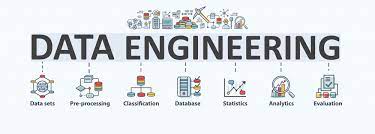
A Data Engineer’s ecosystem includes the infrastructure, tools, frameworks, and processes for extracting data, architecting and managing data pipelines and data repositories, managing workflows, developing applications, and managing BI and Reporting tools.
#dataengineering
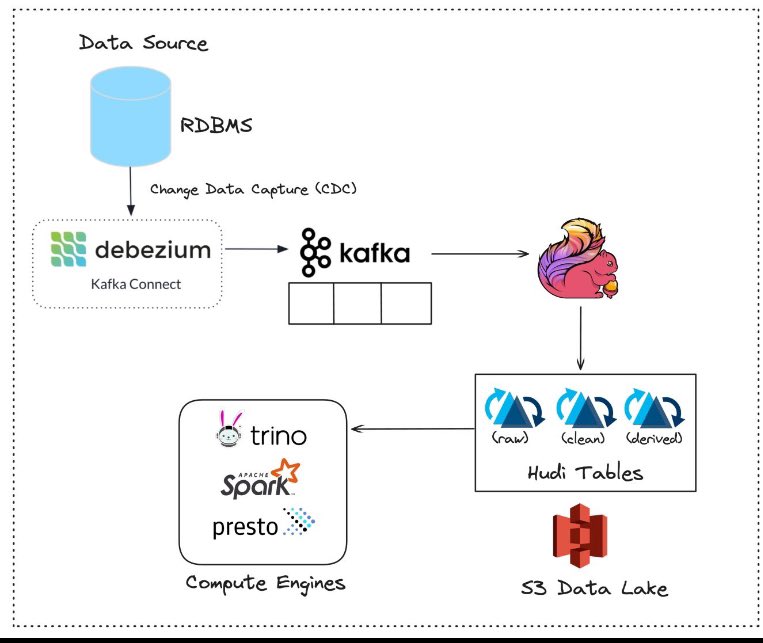
Streaming workloads with @apachehudi & @ApacheFlink.
Stream processing has been seeing a significant traction.
Specifically with efficient stream-processing frameworks like Flink, more & more use cases are being worked on today.
A 🧵
You don’t want to just build those APIs.
You want to actually build secure APIs.
But API security is not a single-dimensional matter.
Whenever dealing with API security, I consider the 3 main aspects at the bare minimum:
[1] Authentication
- This is the first line of defense when it comes to really securing APIs
- Implement token-based authentication using Sessions, JWTs, or OAuth 2.
- Make sure the tokens have a minimal lifespan to reduce risk.
- Use API keys with rate limiting to prevent abuse.
Don’t forget to rotate the API keys from time to time.
[2] Authorization
- You may know the user after authentication but do you control what the user is allowed to do?
- Implement Role-Based-Access-Control (RBAC) to control what actions a user or another system can perform on your API.
- Regularly review those roles
- Be granular with permissions to follow the principle of least-privileges.
[3] Encryption
- Controlling access is one part of the puzzle. You must also keep the API data secure from prying eyes.
- Enforce the use of HTTPS to encrypt data in transit
- Also, encrypt sensitive data stored in databases to protect against unauthorized access.
As you can see, API security isn’t a trivial matter.
How do you secure your APIs?
And what mechanisms do you use?
STAR methodology is compelling in Interviews and often comes in Clutch
Ensuring a structured presentation reinforcing the gravity of their candidacy.
/🧵/
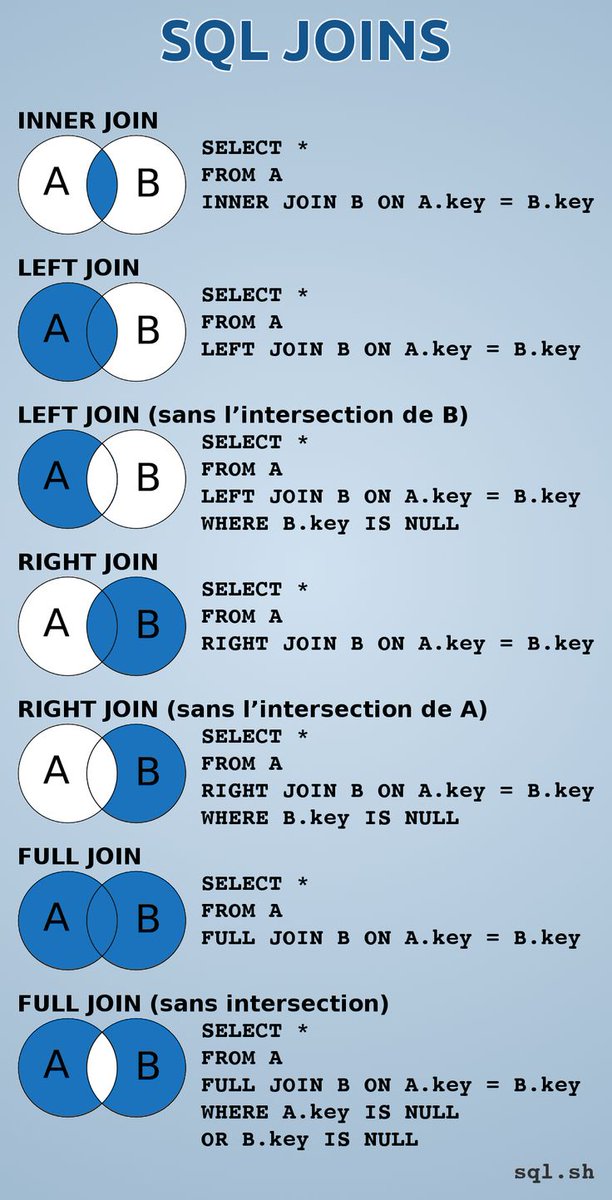
Top 5 SQL Courses for Beginners
2. The Complete SQL Bootcamp- https://t.co/4XyhXwzVF1
3. An Introductory Guide to SQL - https://t.co/Bc8Mx1e97D
4. SQL for Newbs: Data Analysis for Beginners - https://t.co/nX9RFc1qpv
5. ZTM academy SQL course - https://t.co/OD8T7XuU7X








![ProgressiveCod2's tweet photo. I spoke to 101+ software engineers and realized one fact.
Many get confused between Load Balancers, API Gateways and BFFs.
But some simple examples often clear the confusion.
[1] Load Balancers
When you check in to a hotel, you are usually greeted by a receptionist.
The receptionist checks your documents, makes some data entries in their system, and directs you to your room.
If there are too many guests, the hotel might keep multiple receptionists.
Load balancers do a similar job for your application.
It’s a tool that distributes incoming requests across multiple servers.
Also, load balancers keep your system available. If one server goes down, it directs the request to another server.
[2] API Gateway
Imagine going for an interview in a company that’s hiring for different positions - Tech Architect, Engineering Manager, and Software Engineer.
For each position, there’s a different panel.
Now, you don’t want the candidates to check each room to find the correct panel.
This is where a coordinator checks the candidate’s profile and directs them to the correct panel.
For a system, API Gateway is that coordinator.
API Gateways can also perform different functions like authentication, rate limiting, logging, and caching.
Fun fact: Layer 7 Load Balancers can also play the role of API Gateways.
[3] Backends for Frontend
Let’s take our interview example further.
For every position (Arch, Engineering Manager, Software Engineer), there are specific rounds of discussions.
Some rounds are different based on the position but some may be common for all positions (such as the Director Round).
How do you coordinate this for each position?
Backends for Frontends is your BFF in this scenario. It’s a coordinator that takes care of the specific rounds for a particular type of interview.
In system terms, BFF is the component that can take care of different device requirements.
For example, you can have a BFF for Web Apps, a BFF for mobile devices, and another one for external applications.
👉 Ultimately, you can have all 3 of them in the same application stack handling stuff at different levels.
So - have you used Load Balancers, API Gateways, and BFFs before?
And what has been your experience like?](https://pbs.twimg.com/media/GEBzTx9aAAAefZu.jpg)


![ProgressiveCod2's tweet photo. You don’t want to just build those APIs.
You want to actually build secure APIs.
But API security is not a single-dimensional matter.
Whenever dealing with API security, I consider the 3 main aspects at the bare minimum:
[1] Authentication
- This is the first line of defense when it comes to really securing APIs
- Implement token-based authentication using Sessions, JWTs, or OAuth 2.
- Make sure the tokens have a minimal lifespan to reduce risk.
- Use API keys with rate limiting to prevent abuse.
Don’t forget to rotate the API keys from time to time.
[2] Authorization
- You may know the user after authentication but do you control what the user is allowed to do?
- Implement Role-Based-Access-Control (RBAC) to control what actions a user or another system can perform on your API.
- Regularly review those roles
- Be granular with permissions to follow the principle of least-privileges.
[3] Encryption
- Controlling access is one part of the puzzle. You must also keep the API data secure from prying eyes.
- Enforce the use of HTTPS to encrypt data in transit
- Also, encrypt sensitive data stored in databases to protect against unauthorized access.
As you can see, API security isn’t a trivial matter.
How do you secure your APIs?
And what mechanisms do you use?](https://pbs.twimg.com/media/GD8ltMgaEAAnCtJ.jpg)