Kinder Math Bootcamp 2026 is here! We have so many great courses - from multisensory math to math workstations! We have tons of blackline masters of kinder math toolkit supplies, visual flashcards, subitizing cards and more! We give a certificate of completion! So, don't wait! Enroll today. Get your KinderMath on! https://t.co/eCwV5z64dV
Do you love launching K-5 math lessons with a story? Math by the Book has lessons, problems, prompts, & practice tasks for the math you teach. Generate excitement, nurture curiosity, deepen understanding as you teach thru a story context.
See: https://t.co/oNalL6JQLZ
This 👇
I appreciate that his argument is grounded in data versus emotion. The reckoning is coming for screens. Students need to talk, collaborate, interact, and learn to THINK. Bravo for saying it even when it seems many do not want to hear it. #becausekids
Observed Time in Classrooms: A study by Coelho et al. (2024) observed 101 preschool and kindergarten classrooms and found that math activities comprised only 5% of the observed time in U.S. preschools, while literacy activities occupied 45%.
A positive mathematical disposition fosters a growth mindset, encouraging students to approach challenges with curiosity and resilience rather than fear. It's about cultivating a love for exploration and problem-solving in the world of numbers and patterns. -@drnickimath#Math
YES!
"One of the first things we should look for in schools (when doing a walk through) is curiosity, wonder, and joy." -@drnickimath#Math#MathJoy#Curiosity
Looking for interactive centers & games that zero in on critical grade-level skills. Try Navigating Numeracy centers! A fun, engaging way to revisit the full year of math skills to help K-5 students prepare for annual testing.
Find out more at: https://t.co/322kFGnQOL
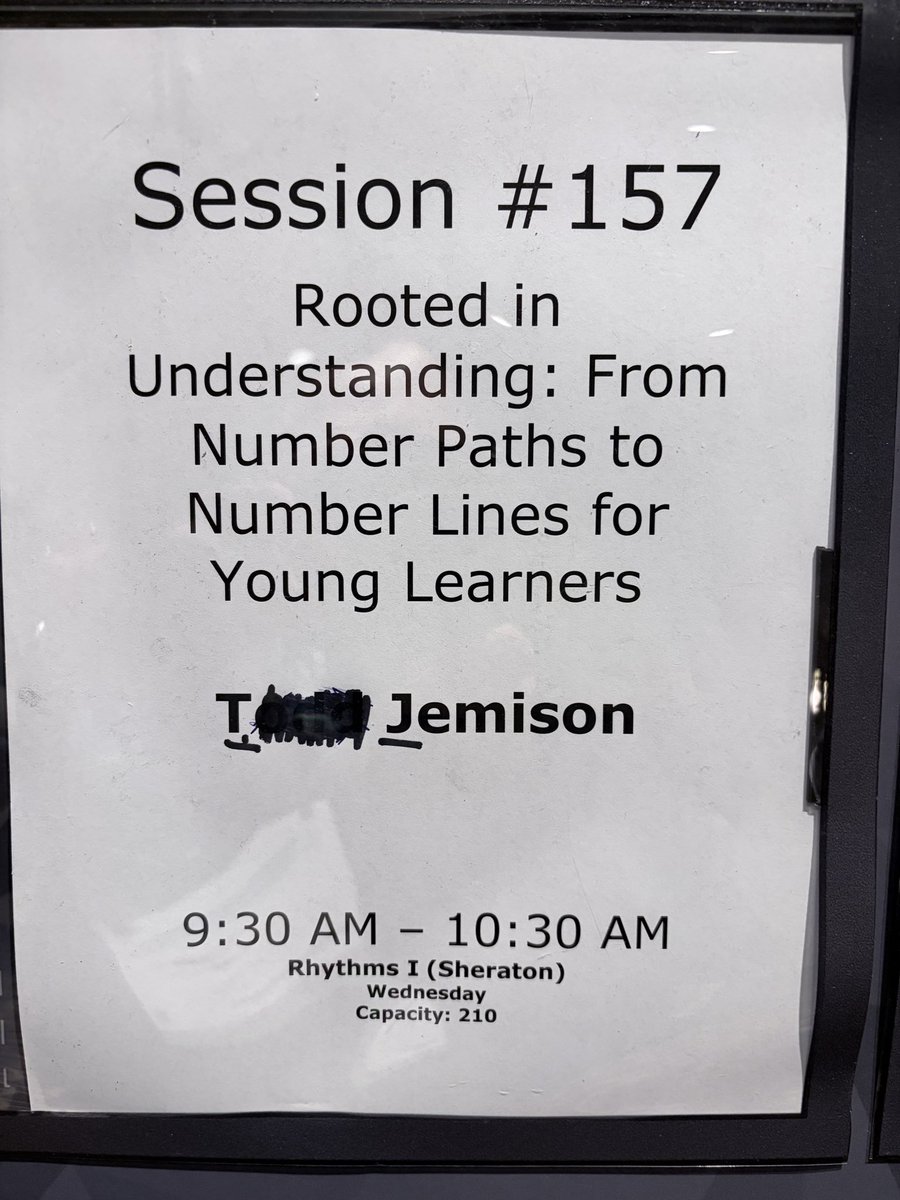
“Research shows that young children develop subtraction understanding most effectively when they experience it physically and visually before symbolic equations.” (Carbonneau et al., 2013; Sarama & Clements, 2009)... Come learn more at the FEA/NJSPA Convention Center this upcoming Wednesday - Feb. 25th!
"Quality children’s literature can spark students’ mathematical imaginations in ways that exercises in a textbook often do not. The context of a story helps students visualize and solve problems, and it provides a purpose for learning and using mathematics (Huinker, D. M., & Jacobs, J. L. (2012).
"First: affective filter. Columba, Kim, and Moe's research on picture books in math and science instruction documented that picture books lower the affective filter — the emotional barrier that rises when learners feel threatened or incompetent. When that filter is down, mathematical ideas land in a more receptive cognitive environment. The book gets the door open. Then you walk the mathematics through."