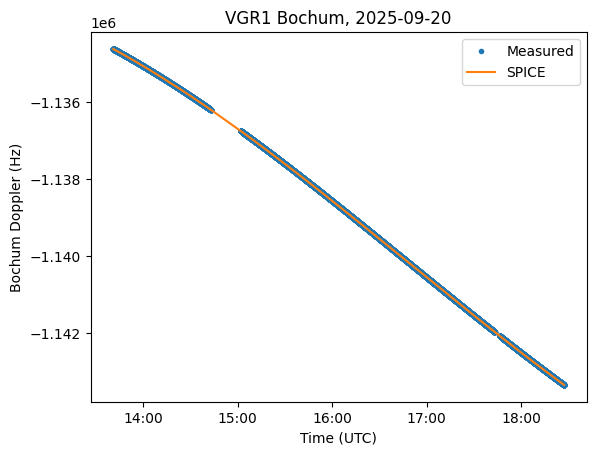
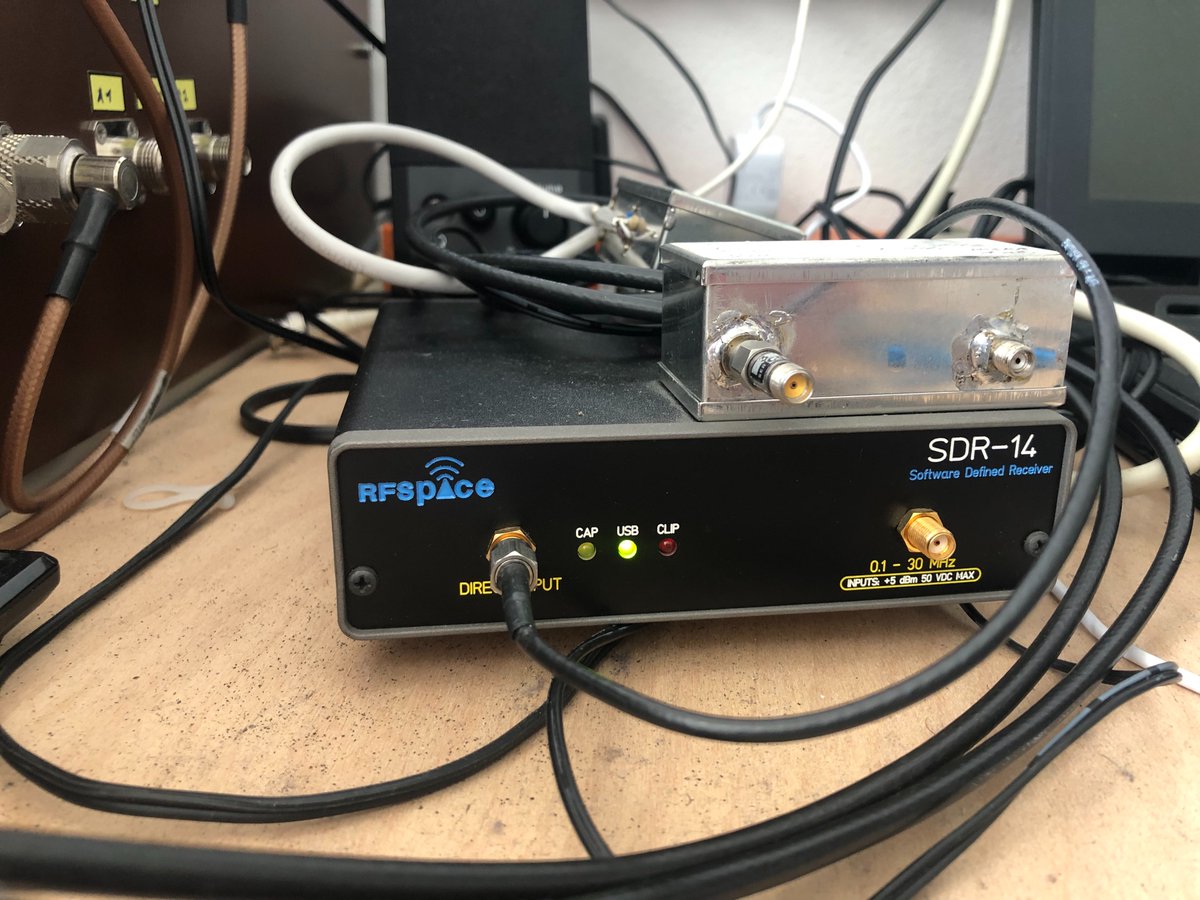
@amsatdl@radiotelescoop@SternwarteBO It was a great day! We tracked Voyager-1 Doppler for more than 4 hours. During that time, it stayed well within 1 Hz of predicted values from the published trajectory.
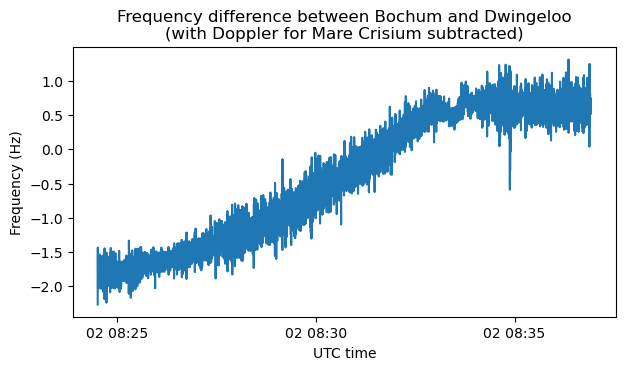
After fixing this mistake, the frequency difference is on the order of 1 Hz. This is about 0.7 ppb, so it is within the accuracy that we could expect for the GPSDO at Bochum. So mystery solved!
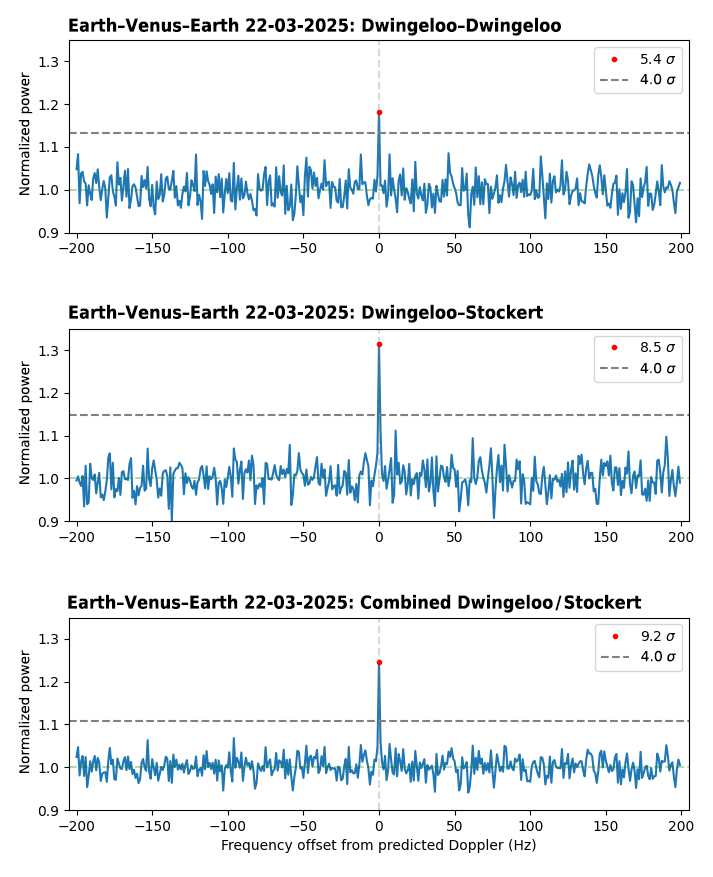
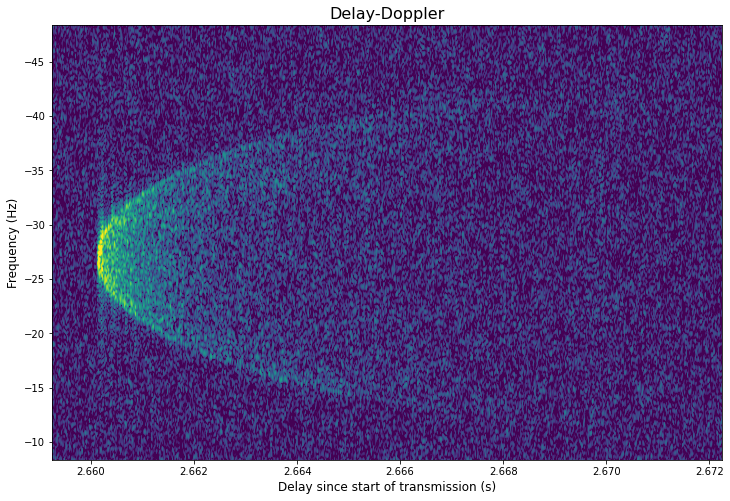
We used the historic Dwingeloo telescope to bounce a signal off the surface of Venus, and receive its echo! This marks only the second time that amateurs have achieved an 'EVE' (Earth-Venus-Earth) bounce. Venus was about 40 million kilometers from Earth.
https://t.co/CU9bxwHieA
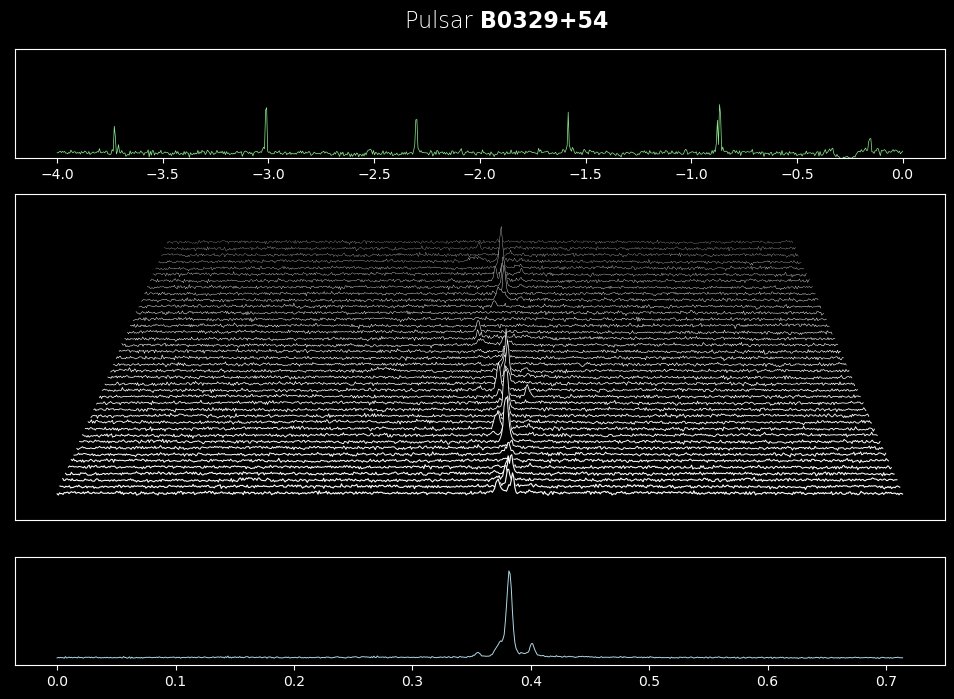
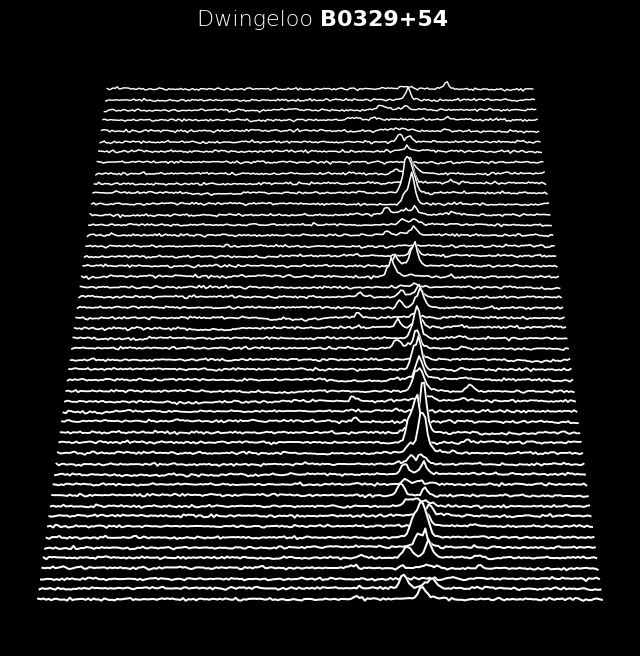
@JonaLendering @LucasEllerbroek In de @radiotelescoop laten we dit live zien, een bewegende versie van het plaatje hierboven! En we leggen uit wat een pulsar is. Deze zomer rondleidingen op zondag en sommige woensdagen.
@tj_astro@LooStann@coastal8049@moddedLimes The s-band setup in Dwingeloo is far from ideal, amongst other things, the feed is not in the focus. Based on a single scan over Cygnus A we would estimate the g/T for the entire chain to be around 27 dB/K for LHCP. For RHCP it will be lower (no data).
We're thrilled to announce we've been awarded a Space Services contract by @lacuna_space to build and operate six satellites for a dedicated IoT constellation, with the opportunity to scale to dozens of satellites.
Read more: https://t.co/7FwW6RQMTG
Boundary-challenging Beethoven recording by Shunske and Shuann. I've heard them perform some of these sonatas live in Leiden, and this was unexpectedly enlightening.
But, they seriously need our help to finish this project. Please have a look at:
https://t.co/dZ95kBFYp6
📰 📣 Exciting news: Together with @viasat and @lacuna_space, we have demonstrated breakthrough NGSO #IoT satellite connectivity which could pave the way for a range of IoT and direct-to-device (#D2D) satellite services.
Read more: https://t.co/iYHoCUrBfp
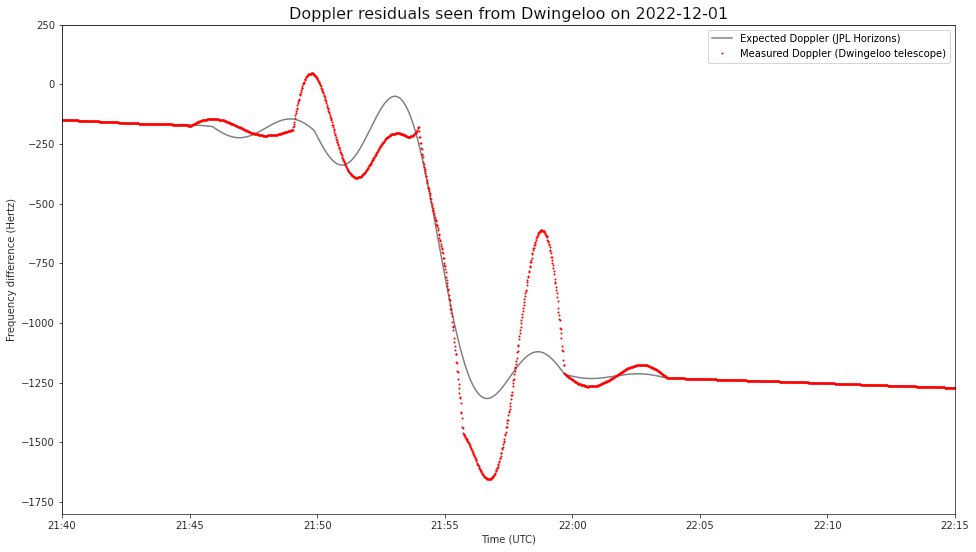
@DegenerateConic@DegenerateConic we observed Artemis1 leaving DRO on Dec 1st by measuring Doppler with @radiotelescoop, but we're not sure how to interpret the 'oscillations' in frequency just before and after the burn. Are these real physical speed changes, or artefacts of the uplink/tracking?