I built tessera, a content-adaptive codec/tokenizer(research prototype) which encodes images with adaptive tiling. it allocates tokens per region based on visual complexity, in variable length sequences. this allows for better efficiency and control (in contrast to mainstream vaes/models which use a fixed sequence and uniform grid size).
I plan to improve on the quality/compression and scaling it up; also training small image models to showcase the gains of using tessera and its content adaptive tokens, but I ran out of compute so...I would appreciate some assistance here (cc: @modal@runpod@fal 🙏)
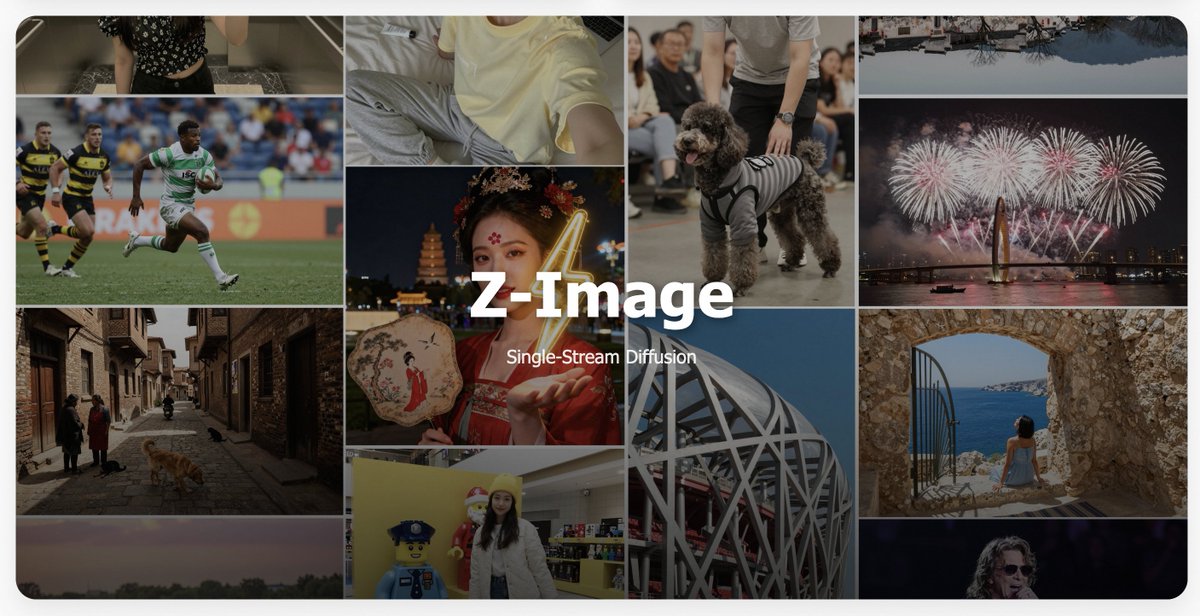
1/ 10 We are pleased to introduce Z-Image, an efficient 6-billion-parameter foundation model for image generation. Through systematic optimization, it proves that top-tier performance is achievable without relying on enormous model sizes, delivering strong results in photorealistic generation and bilingual text rendering that are comparable to leading commercial models.
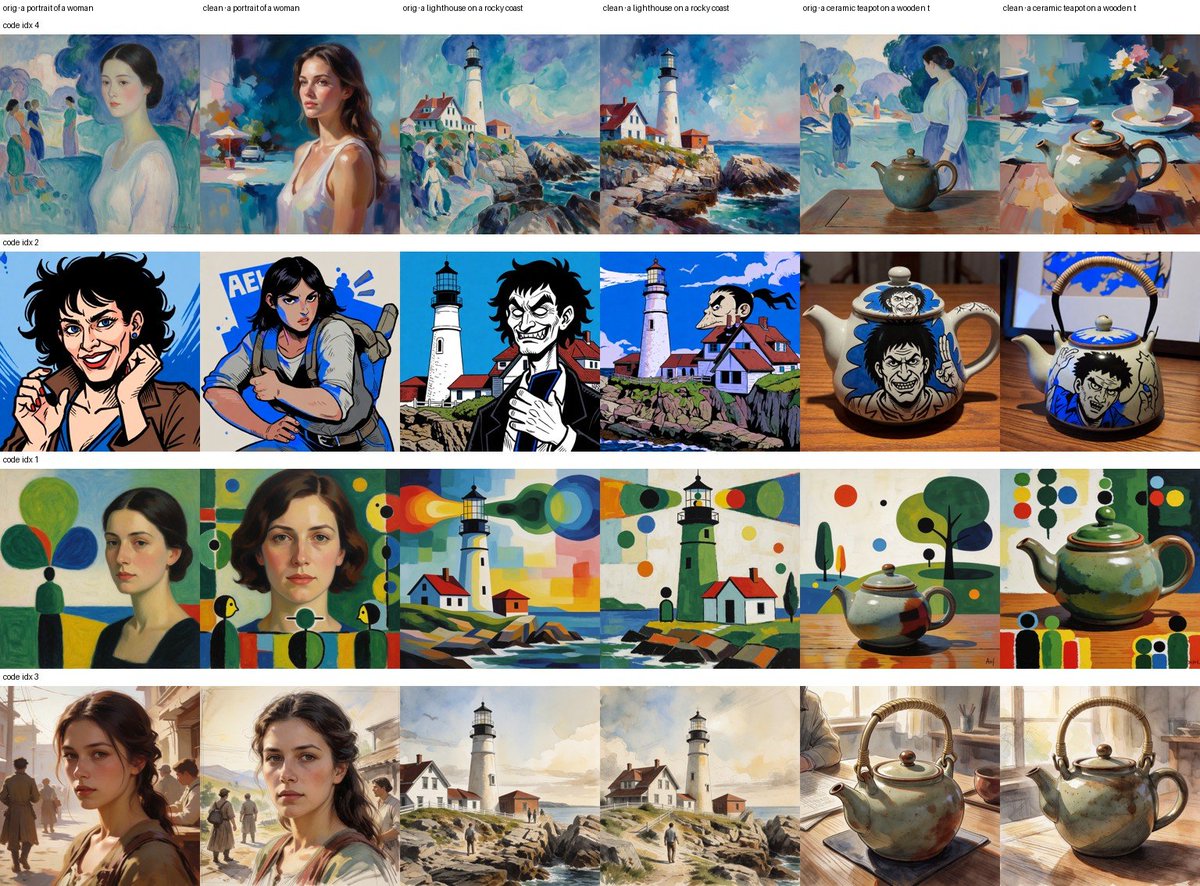
my fix for the leaking objects (sref adapter weights):
there's a few dimensions in the 64-d style code that boost subject/object dominance in the image(up to 11x), so I removed/squashed the top 4. That removes the "ghosts" and object copying :D
link: https://t.co/qysGPDbTCe
basically used fisher analysis across an embedding space for multiple images/styles, and neon found out the dimensions in the code responsible for this(chose the 4 highest), and then we projected them out, so they don't leak subject info into the style code
@_lyraaaa_ Yeah, Qwen overwrites the encoder inputs with vae latents, so I had to do it differently. I didn't get to full style transfer or srefs though
but with your adapter, I have something new to try
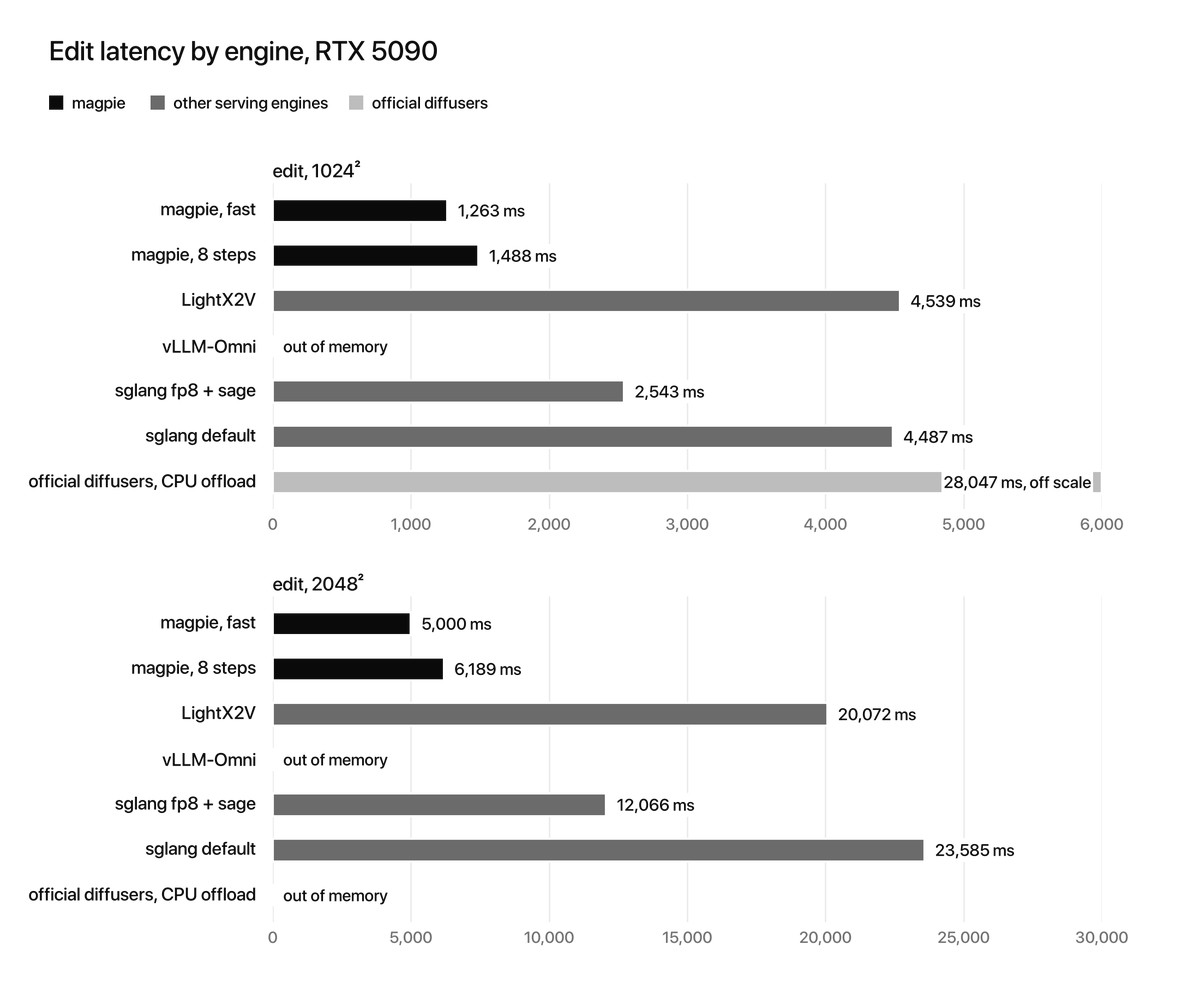
here's magpie, 1.3s editing latency(1024px) with Qwen-Image 2.1-turbo on an rtx 5090 gpu, using custom blackwell kernels and nvfp4 layers, with near-zero quality loss :)
this also cuts memory usage from over 32gb to ~19gb. It is 2x faster than sglang 22x faster than hf diffusers