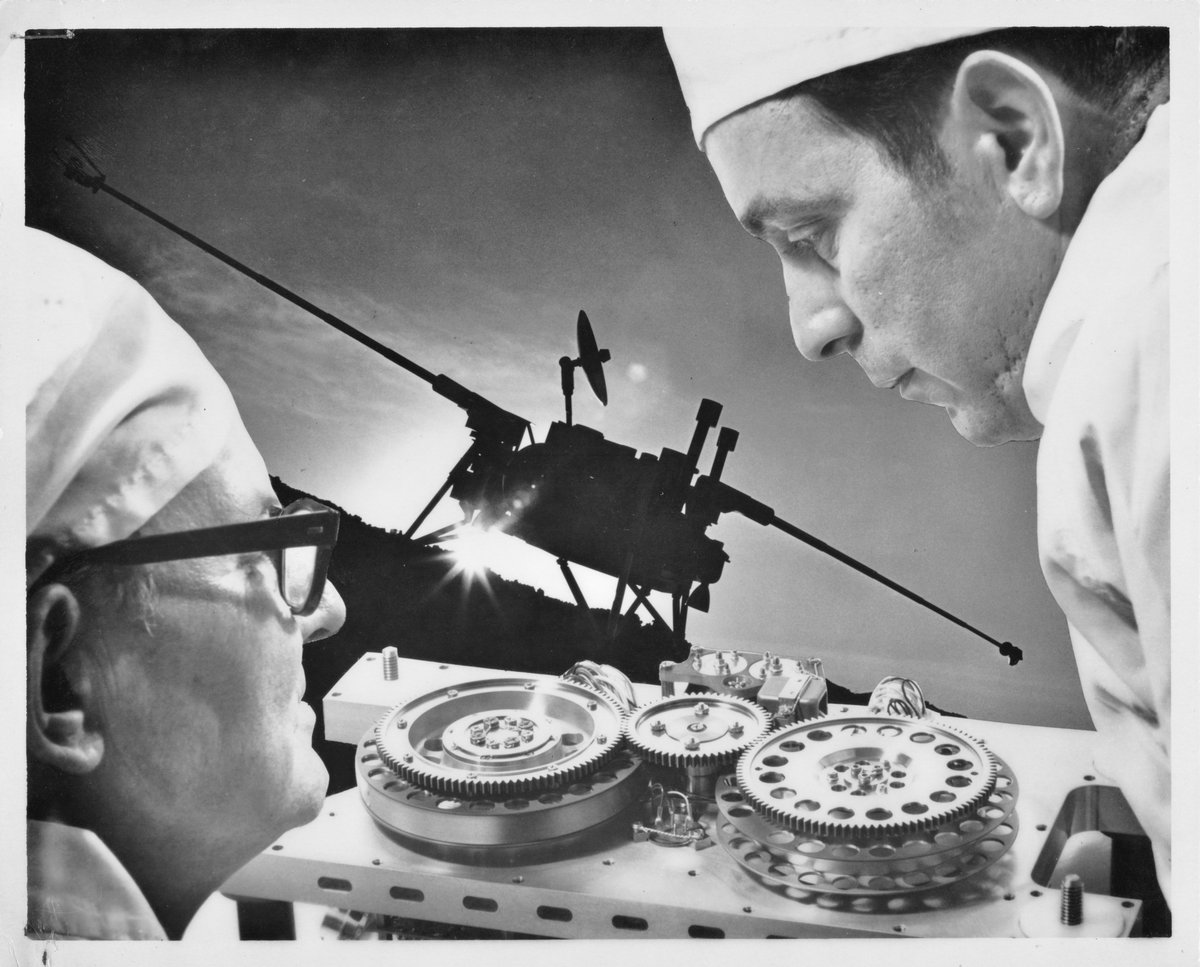
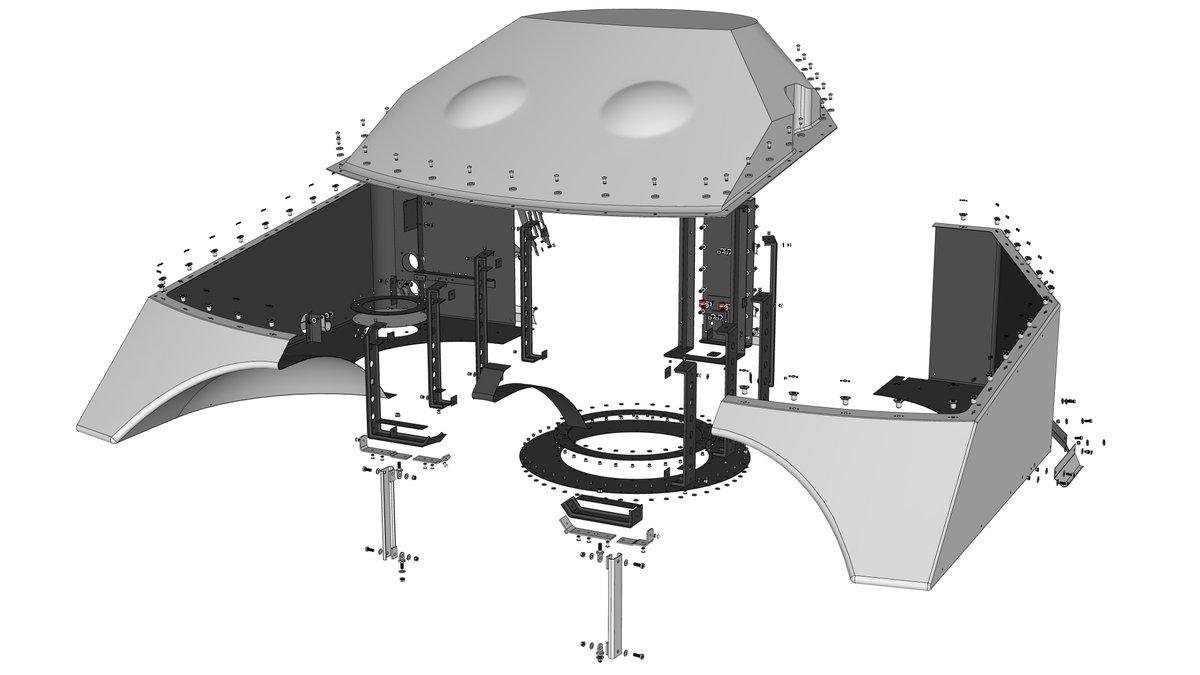
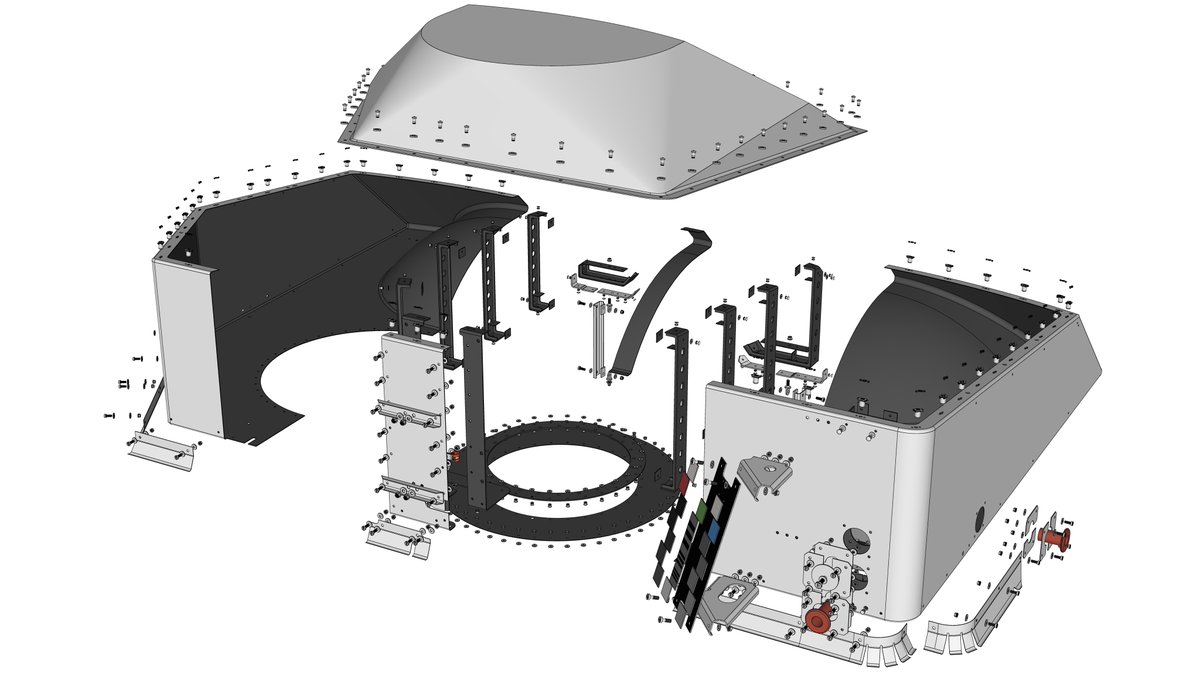
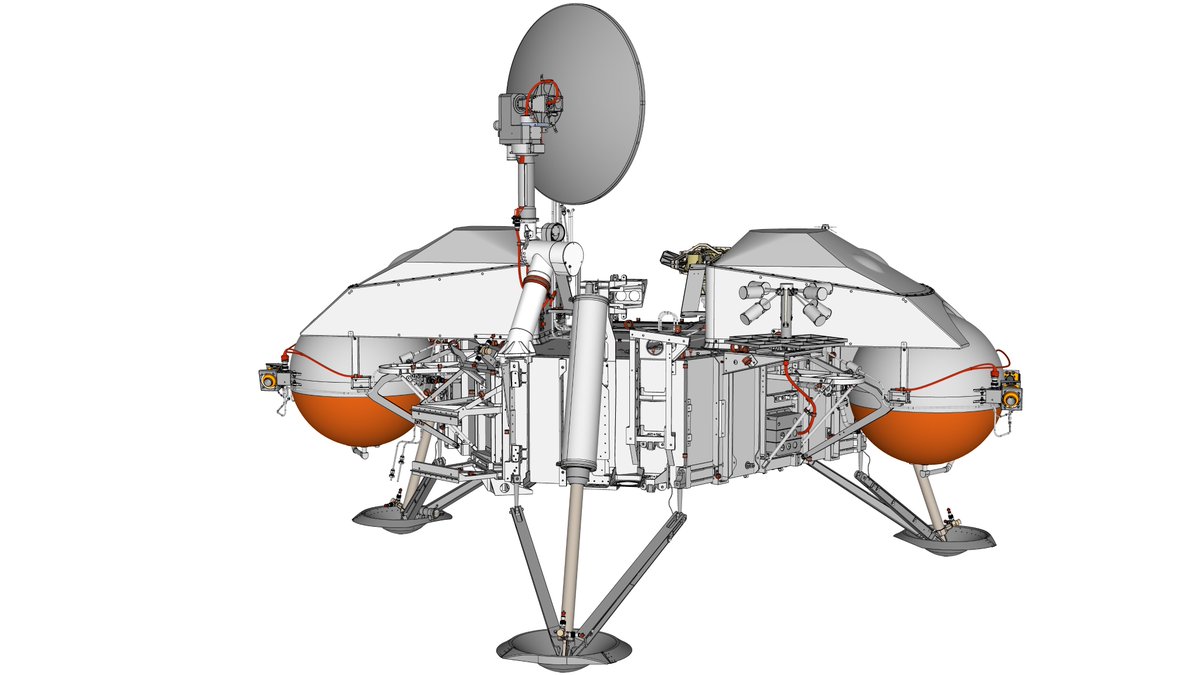
@sanzdzld The lander's Guidance Control and Sequencing Computer (GCSC) used plated wire memory. The lander's tape recorder used a metal tape to tolerate the heat sterilization procedure (about 240 F).
@sanzdzld Fully fueled, the orbiter and lander-capsule pair mass was about 3,527 kg. After landing (when most lander propellant had been expended) the lander mass was about 600 kg. When in Mars orbit after the lander capsule had been released the orbiter mass was about 900 kg.
@sanzdzld Hello Star. You may use short portions of my videos and a few of my still images in your video, so long as: 1) you credit the work to me, Tom Dahl, and 2) your video is respectful of the Viking project (not a parody, not presenting false facts or sensationalism).
@casciencecenter Thanks for being so fantastic @casciencecenter and for featuring the Viking missions. Here is an album of photos of your test lander unit that I was delighted to capture during research visits a few years ago https://t.co/CbsJhUXvSS
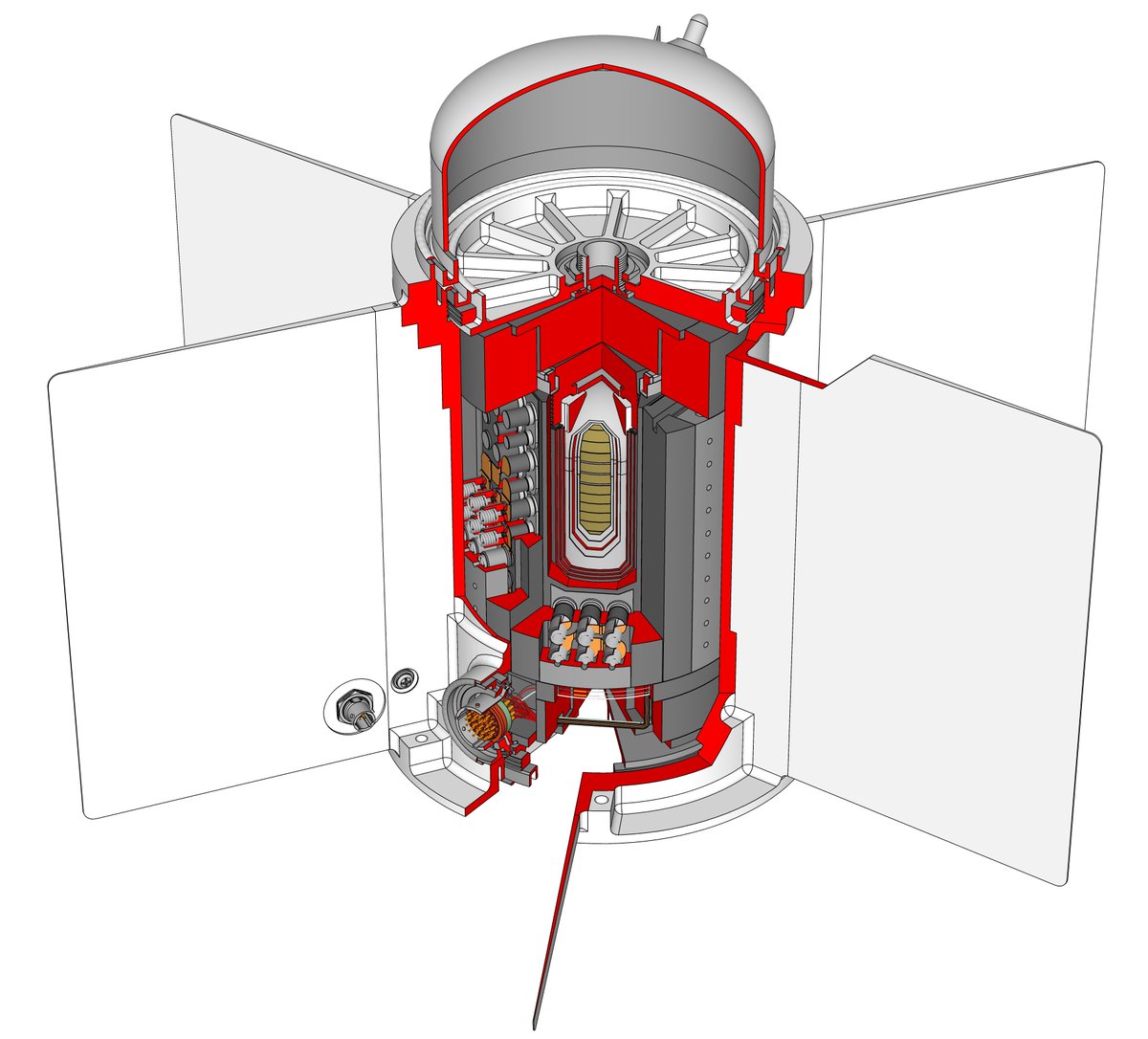
@Apollo17gallery Apollo used the SNAP-27 type RTG. I recently created a detailed video about the slightly smaller SNAP-19 RTGs used by the @NASA Viking landers on Mars in the 1970s and 80s
https://t.co/EEahvJCFHR
@Nick_Stevens_Gr Looks good, Nick! Thank you for featuring my work-in-progress model on your feed. I have created a few detailed videos about Viking and posted them on my YouTube page:
https://t.co/quIjUkeGio
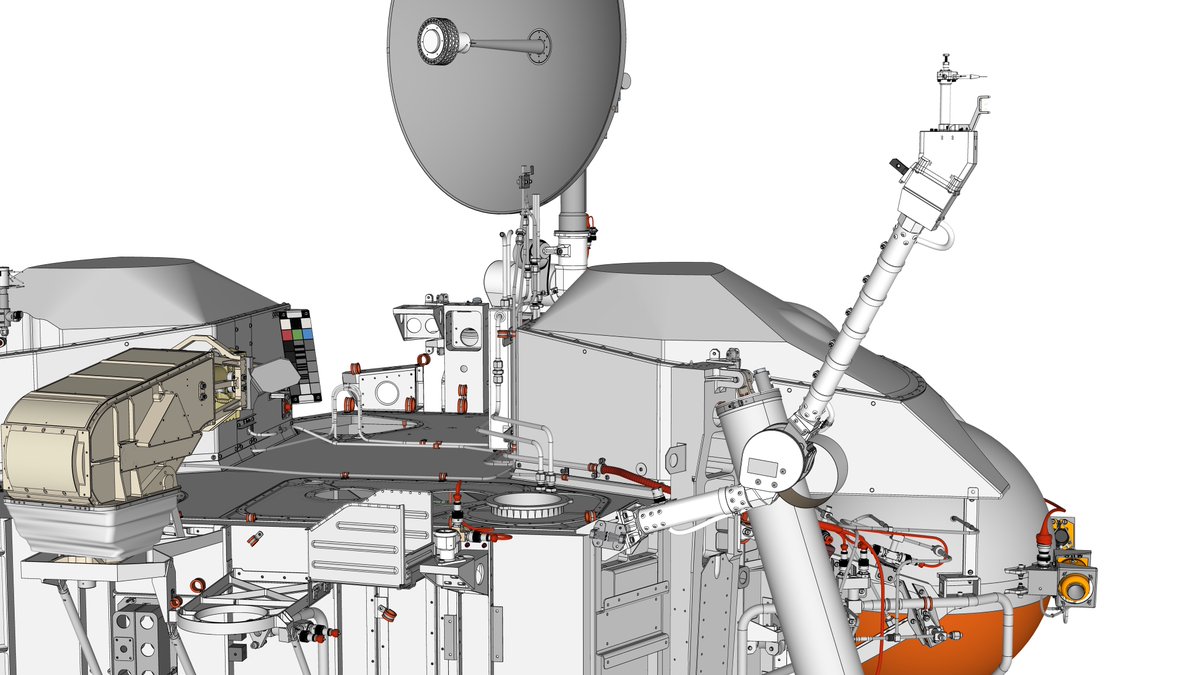
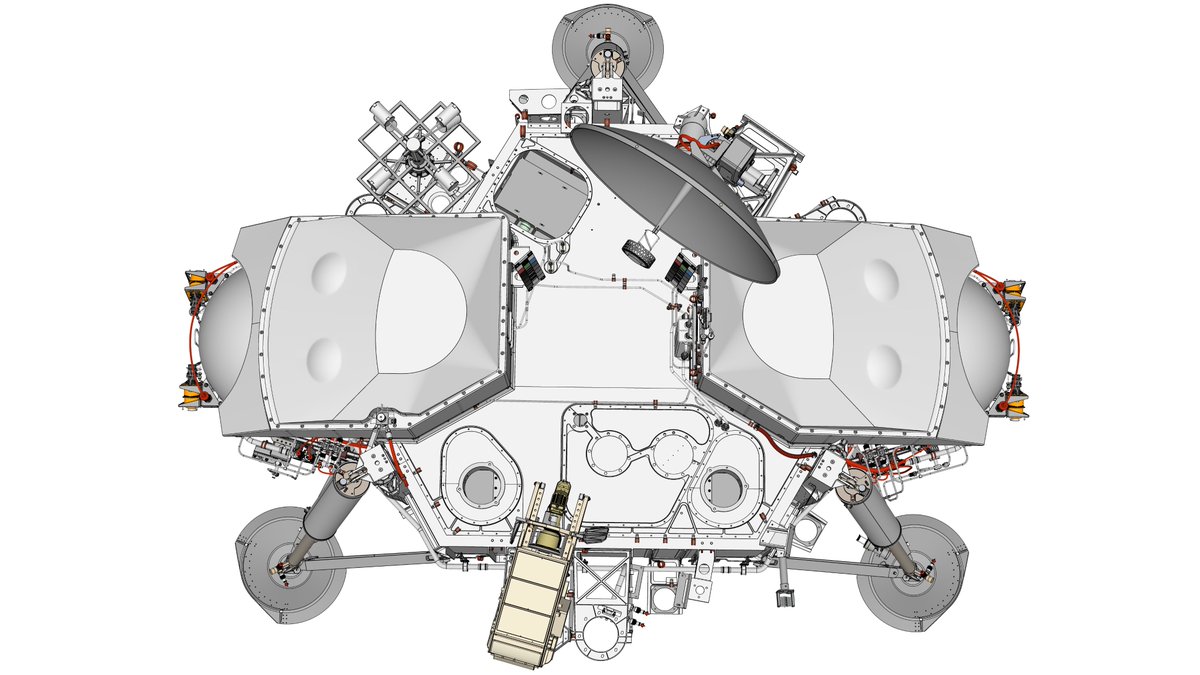
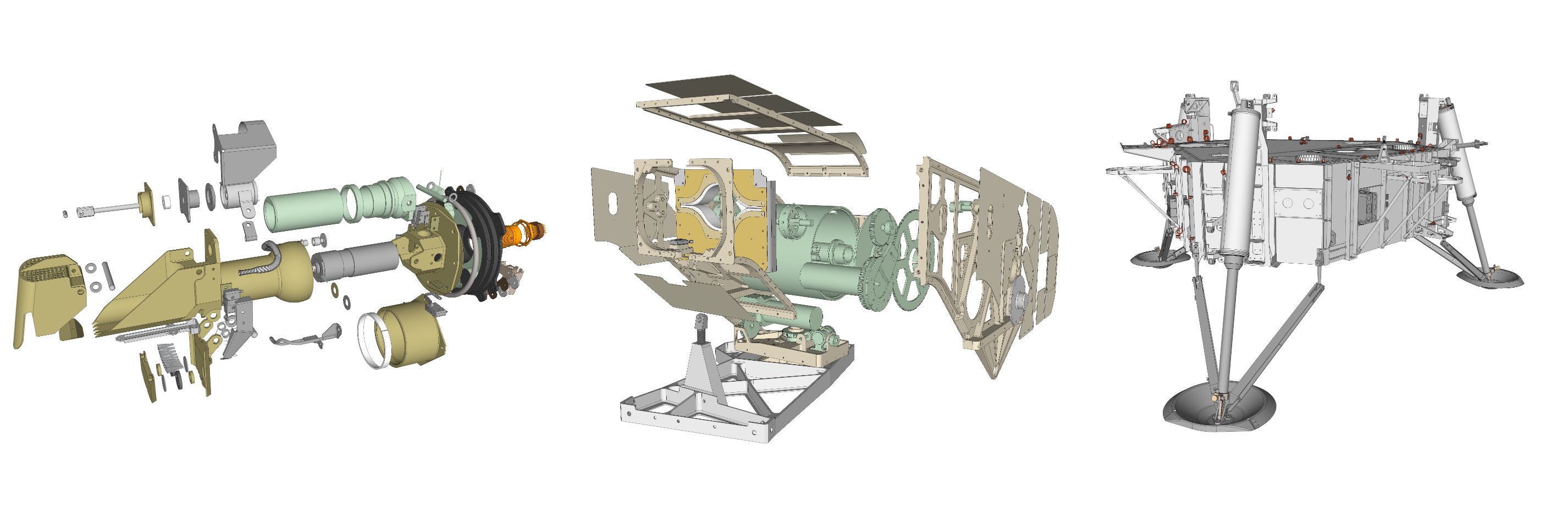
@LMSpace@NASA Congratulations to the team at what was then known as Martin Marietta, and to all Vikings everywhere! Here are renders of my long-term project to create a high-fidelity digital model of the Viking lander and preserve the Viking legacy. @MarsVikingTeam
@Nick_Stevens_Gr The Planetary Society's @exploreplanets Casey Drier @CaseyDreier did a study some time ago about the total Apollo program costs. I don't know if he (or anyone) has a breakdown to testing vs. other line items.
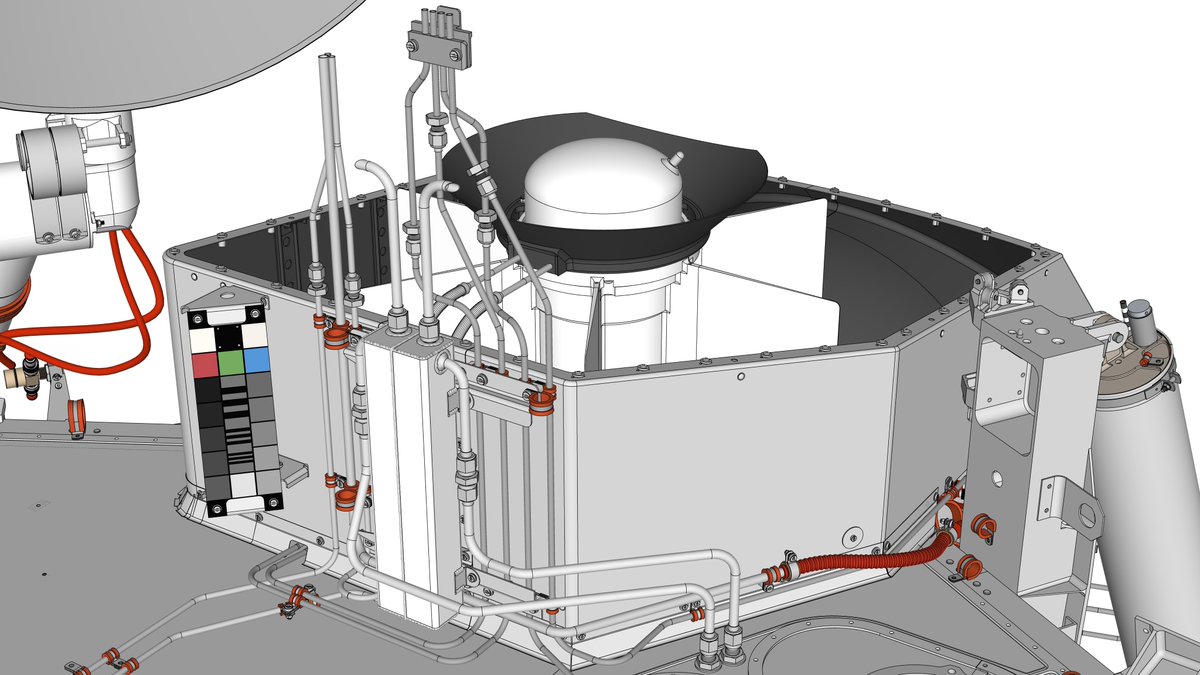
@tedstryk The canister is actually the Collector head Shroud Unit which encapsulated the Viking surface sampler collector head to keep it free of Earthly contamination until after landing. Here are photos and measurements of a unit I examined at @NASA_Langley https://t.co/5luOnRGNJE