Natural variation in insect egg-induced cell death uncovers a role for L-type LECTIN RECEPTOR KINASE-I.1 in Arabidopsis https://t.co/piWF33QRS8 #biorxiv_plants
With the genome sequence from the community #COVID19 case from Solano County (https://t.co/tJveToSbY3), we have one half of the puzzle regarding escape from quarantine on Travis Air Force Base hypothesis. 1/4
I am currently hiring for two postdoctoral scientist positions investigating plant innate immunity. One using the model plant Arabidopsis, the other on bacterial vector-borne disease. Please RT.
Scientists announced last week that they have finally cracked the wheat genome. This is incredibly exciting news — and could have a positive impact on global food security: https://t.co/q3bM824h0q
Considering planting a #citrus tree on your #Bellflower property this spring? Be sure to buy from a licensed nursery in your area & have a plan for combatting plant diseases, like #Huanglongbing, throughout its lifetime. For more info on Huanglongbing, visit @CitrusThreat.
A symptom of #HLB is yellow discoloration on leaves that is asymmetrical, meaning not the same on both sides of the leaf. If you spot the disease, call: 800-491-1899.
What would Huanglongbing look like in your backyard citrus trees? The asymmetrical yellowing of leaves can be a good indication of the disease.
https://t.co/DHUGcbH1le via @farmpress
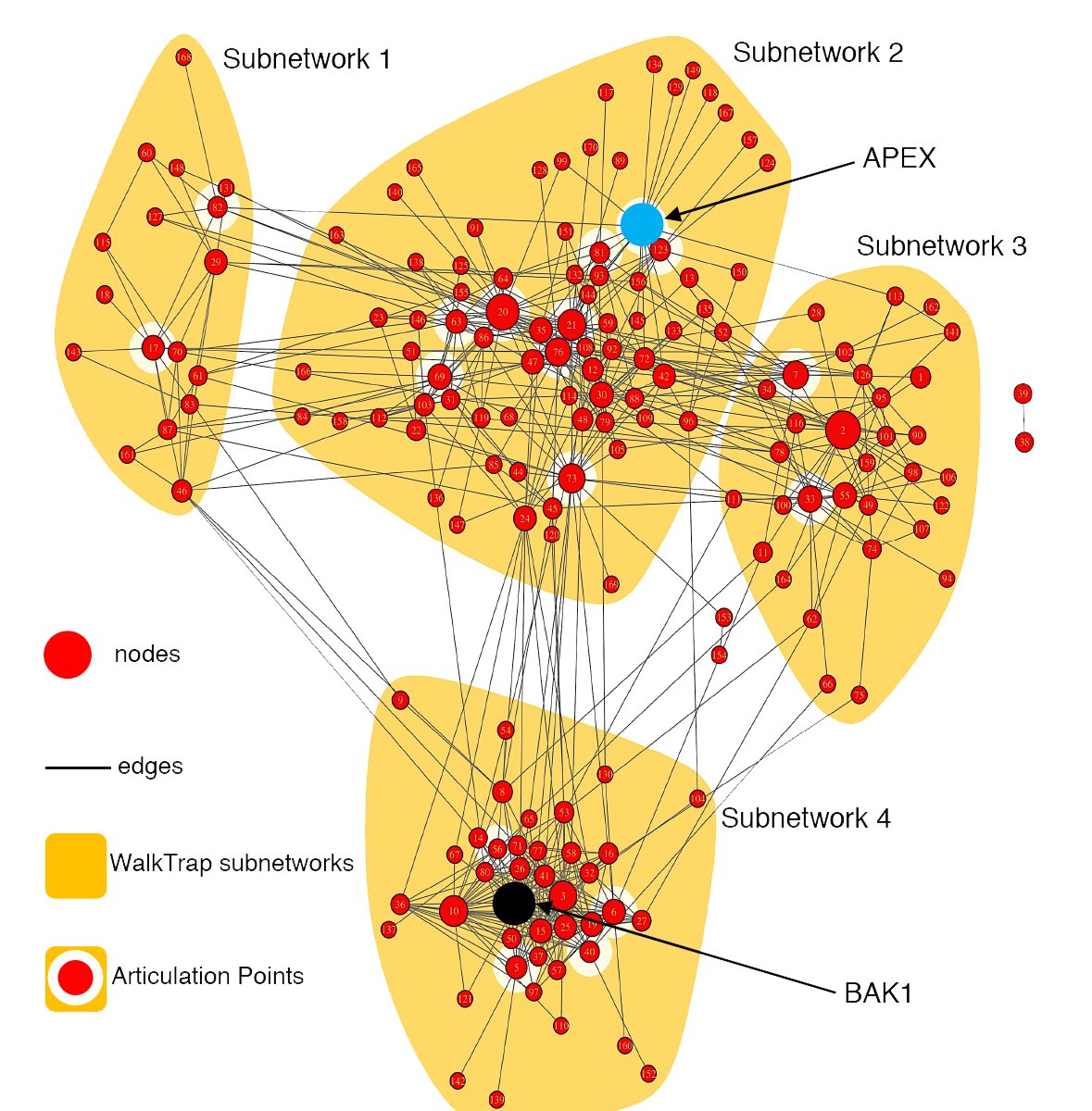
A high-throughput interaction assay testing 40,000 pairwise interactions of Arabidopsis LRR receptor kinases demonstrates that LRR-RKs operate as a unified regulatory network. @nature from @BelkhadirY https://t.co/Da0bWzt5Ec
Asian citrus psyllids can infect citrus trees with Huanglongbing when feeding on leaves, so managing the pest is critical to protecting against the disease. We must all work together to save California citrus. https://t.co/2jaaYyiz3L