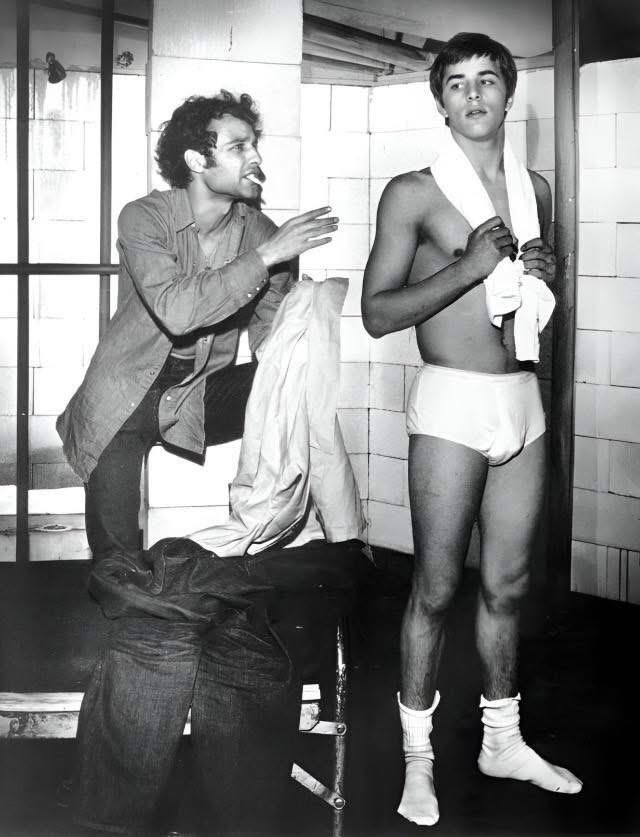
SAL MINEO and DON JOHNSON were roommates in West Hollywood for 4yrs at the time Sal was murdered in 1976.
(this photo of them working together is from the stage production of “Fortune And Men’s Eyes” in 1969)
On this day 25 years ago, three 11-year-old Washington, D.C., sixth-graders were selected to participate in a National Geographic-sponsored field trip to California.
The students were Bernard C. Brown II, Asia S. Cottom, and Rodney Dickens.
Their teachers were James D. Debeuneure, Sara M. Clark, and Hilda E. Taylor.
They boarded American Airlines Flight 77 for the trip. That morning, the plane was hijacked and deliberately flown into the Pentagon.
Twenty-five years later, we remember their names, honor their lives, and stand with every family and loved one forever affected by their tragic loss.
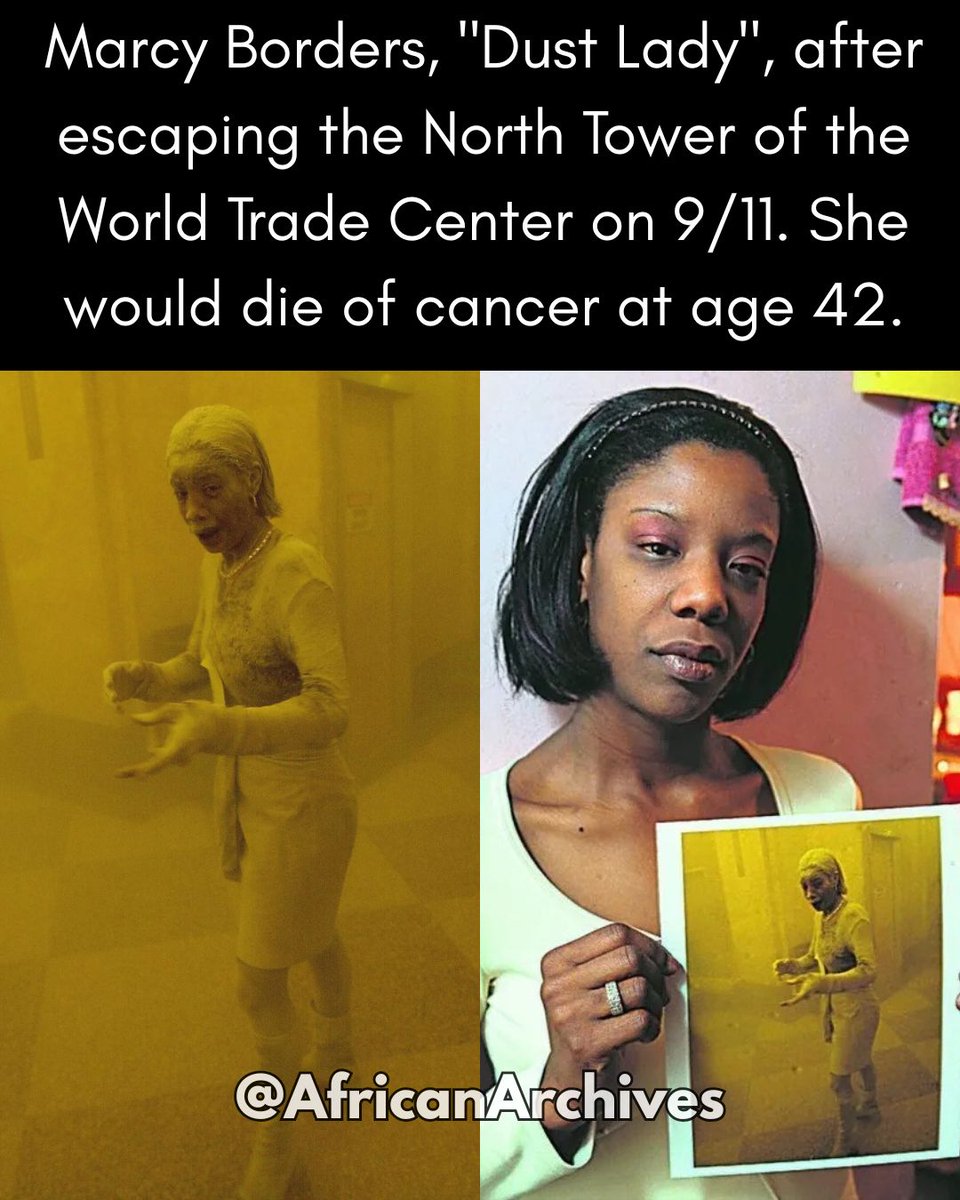
Marcy Borders became one of the most recognizable survivors of September 11, 2001, even though millions of people who saw her photograph did not initially know her name. The 28-year-old Bank of America employee had been working on the 81st floor of the North Tower of the World Trade Center when American Airlines Flight 11 struck the building above her. She joined thousands of others trying to escape, making her way down dozens of flights of stairs before reaching the streets of Lower Manhattan.
Shortly afterward, the South Tower collapsed, sending an enormous cloud of dust and debris through the surrounding streets. Borders ran for shelter and was photographed by Agence France-Presse photographer Stan Honda as she entered a nearby building completely covered in gray dust. The haunting image traveled around the world and became one of the defining photographs of 9/11. She would eventually become widely known as the “Dust Lady.”
Surviving the attack did not mean that Borders simply returned to normal life. She later spoke openly about the psychological toll of what she had experienced, including depression and struggles with substance abuse. For years, she reportedly found it difficult even to look at the famous photograph of herself. Her story is an important reminder that surviving a disaster can be the beginning of another struggle, particularly when the trauma follows someone long after the immediate danger has passed.
Borders eventually rebuilt parts of her life, but in 2014 she was diagnosed with stomach cancer. She publicly questioned whether her illness might have been connected to the toxic dust she inhaled on September 11. Many survivors, first responders and people who worked or lived near Ground Zero later developed illnesses associated with exposure to the disaster site. However, Borders' individual cancer was not officially established as being caused by her 9/11 exposure, so that connection should not be presented as a confirmed medical fact.
Marcy Borders died on August 24, 2015, at just 42 years old. By then, the photograph of the terrified young woman covered from head to toe in dust had become part of the visual history of September 11. Yet behind that photograph was a real person, a mother and survivor whose life continued for nearly fourteen years after the cameras captured one extraordinary moment.
Remembering Marcy Borders means looking beyond the famous image and recognizing the human being inside it. Her photograph captured the immediate horror of 9/11, while the years that followed reveal something photographs cannot always show: the lasting physical and emotional consequences carried by many people who survived that morning.
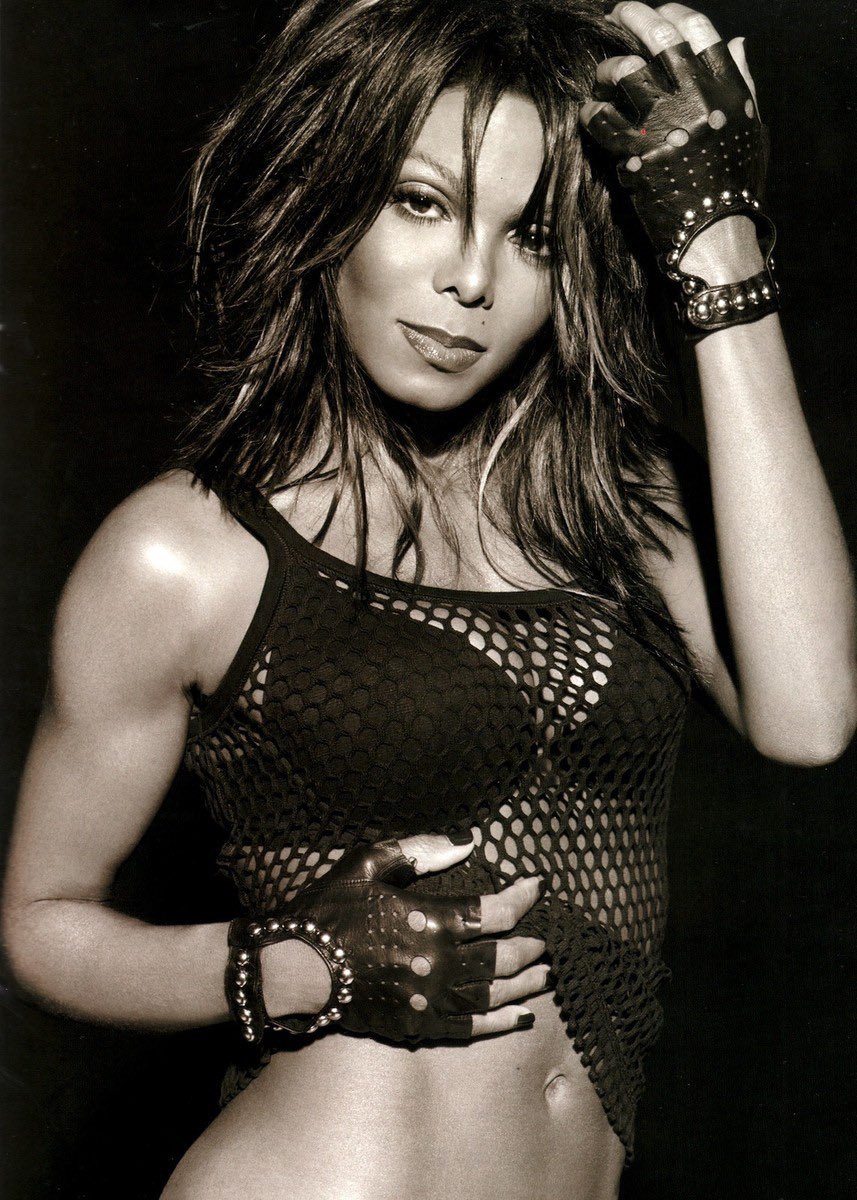
Only a special type of talent can do a solo video and take up visual space the entire time. No extra dancers just her.. AND YOU WATCH HER THE WHOLE TIME. #JanetJackson
“Black Lives Matter” was never meant to say that Black lives matter more than everyone else. The phrase emerged because Black Americans have repeatedly had to fight for their lives to be treated as though they matter equally. The emphasis on Black lives is a response to inequality, not a demand for superiority.
That distinction has deep historical roots. For centuries, American law itself assigned different rights and protections according to race. Slavery legally treated millions of Black people as property. After emancipation, Jim Crow laws enforced racial segregation while Black Americans faced restrictions on voting, education, employment and housing. Even after legal segregation was dismantled, many inequalities created during those generations did not simply disappear.
The modern Black Lives Matter movement emerged in 2013 after the acquittal of George Zimmerman in the killing of 17-year-old Trayvon Martin. The phrase was created by Alicia Garza and developed with Patrisse Cullors and Opal Tometi. It later became internationally recognized following protests over the deaths of Black Americans including Michael Brown, Eric Garner, Breonna Taylor and George Floyd.
At its core, saying Black lives matter is similar to drawing attention to any group experiencing a particular injustice. If one house on a street is burning, focusing firefighters on that house does not mean the other houses are worthless. It means there is an immediate problem requiring attention. Recognizing a specific inequality does not require denying anyone else's humanity.
After 9/11, Sesame Street aired four episodes to help children (and grown-ups) process fear and grief.
In this episode, which aired in 2002, Elmo learns to face his fear with help from the FDNY firefighters — a reminder that even when we're scared, someone is there to keep us safe. #NeverForget