No Bullsh*t. #Marketing for Hospitality Businesses, Blue Collars & Pro Athletes.
Business Concierge Services (Events, Travel, Fractional Executives and MICE)
@KLM how the heck do you overbook flights...
Like there's AI and tech to optimise everything, and it's not like you're a beginner still figuring things out...
Once a flight is fully booked (remember, we pay before flying), it's fully booked. So stop trying to think and bank on maybe some people missing their flights... If they miss their flight it's on them, no refunds, so you've collected all the money already...
In 2025, this is unacceptable for a supposedly leading global airline.
Do better.
My wife (@Will_Lioness) needs to be on the flight she booked... Not on an alternative flight tomorrow, because you screwed up.
I run a PR agency that lands our clients in TechCrunch, CNBC, & other world class publications on a consistent basis.
My superpower? I can make anything sound newsworthy to the journalist I'm pitching.
These are the 2 golden rules I follow that 10x my placement rate: 👇
1/8 🧵
I post videos of my podcast appearances and videos often.
That being said, just because someone has a microphone in front of them doesn’t mean they are a voice you should listen to.
Do your homework.
Content is the easy part.
If you’re thinking about buying a business in 2025, block off April 17–18 and get yourself to the 2025 Wharton ETA Conference at UPenn Wharton.
This is one of the most insightful, high-signal events in the ETA world—especially for operators, aspiring buyers, and deal professionals trying to get sharper. You’ll hear from seasoned searchers, elite operators, and top capital providers who have seen every version of the search-to-close journey.
Jim Vesterman—a true legend in the search fund space—will be speaking, along with a slate of powerhouse panelists. I’m honored to be joining an incredible group on the SBA side: Bruce Marks, Sarah Andrews, Sam Rosati, and Robin Washienko, who collectively have helped close hundreds of SBA-financed acquisitions.
And yes—the whole thing costs $100 to attend. That’s a better ROI than your Amazon Prime membership, and you’ll leave with a sharper deal mind, a deeper network, and clarity on how to move your acquisition forward in 2025.
See you in Philly.
Link to subscribe in the comments below
A lot of business owners don't realize how important it is to have the book closed early each month.
I've been hired into a few small organizations during my career, and one of the common themes of these companies is their books are not closed till after mid-month each month.
When your books are closed so late, you have the risk of:
- Not being able to review the company's performance in time and reflect.
- lose the opportunity to prepare a proper financial forecast for the current month
- By the time the above is done, it might be too late to adjust action plans for the month
- Practically chasing your tail each month
- The finance department becomes frustrated and doesn't feel rewarded at work
When I was hired into these companies, the #1 thing I did was
- look at the process of the Finance department
- Invest in tools and train staff to improve efficiency
- Communicate expectations and month-end close timeline
- Monitor closely in the first few months and adjust accordingly
Every company turned around and had the close done within 5 days.
Moral of the story: have your accountant/bookkeeper close your book as early as possible.
One of my first questions talking to new clients looking for a home is what's more important to you the house or the lot?
You can do a lot of things to change a house, you can't do much to change a lot.
This helps people get clarity quickly because most have gut instincts about what's most important to them
For the folks who are struggling to answer that question, usually a few showings starts to solidify their preferences.
This matters because if I'm looking for off market stuff the tighter that buy box the more effective I am in finding something to slip right into it.
Most people don’t realize how their online shopping habits impact small businesses. After years in small business—both as an SBA loan broker & a former CFO/auditor—I’ve seen firsthand how two small changes can make a big difference:
1⃣ Avoid clicking sponsored ads on Google/Amazon. Every time you click an ad, the seller pays for it—even if you don’t buy. Instead, take an extra second to scroll down and click the organic result to save them the extra cost.
2⃣ Think twice before returning items. Many assume Amazon or big-box retailers take the hit, but often, it’s a small business that absorbs the loss—not just forfeiting the sale, but also getting stuck with a used item, chargebacks, and fees.
It’s easy to forget that real businesses—small, local, and hardworking—are on the other side of these transactions. A little mindfulness in how we shop can go a long way.
Not saying never return an item or change your habits completely—just some food for thought.
LEGAL AND COMPLIANCE OVERVIEW 🏛️
📊 Statistical Insight
- 55% of expats underestimate legal compliance complexity
- 72% of professional relocations require specialized legal consultation
- 43% face unexpected regulatory challenges
💼 Legal Transition Strategies
- Work permit regulations
- Professional credential recognition
- Tax residency requirements
- Contractual differences
- Intellectual property considerations
🌍 Practical Compliance Navigation
- Documentation authentication
- Professional registration processes
- Taxation treaty understanding
- Employment contract variations
- Regulatory reporting requirements
🔮 Trend Prediction
- Increased digital compliance platforms
- Simplified international professional registration
- More flexible bilateral work agreements
- Enhanced cross-border legal technologies
💡 Expert Quote
"Legal compliance in international relocation is not about restriction, but creating a strategic framework that enables professional mobility while protecting individual and corporate interests."
- Robert Martin, US-France Business Transition Expert
🤔 What legal concern makes you most nervous about relocating?
DM for personalized insights!
Kirsty Coventry delivers her acceptance speech after being elected as the 10th President of the International Olympic Committee, and the first female President in IOC history.
One thing I don’t think gets talked about enough in the world of SBA business acquisitions is post-closing liquidity—how much cash you personally have left in the bank after the deal closes.
I’ve seen a lot of buyers get laser-focused on deal terms, loan structure, interest rates, the seller note, the closing checklist—all the technical stuff. And don’t get me wrong, all of that matters. But at the end of the day, if you close on a business and you’ve drained your bank account in the process, you’re setting yourself up for a really tough first year.
Here’s the reality: every SBA lender has a slightly different approach to how they evaluate post-closing liquidity. Some stress-test your personal financials, some focus mainly on whether the business can cover the debt, and some just want to see that you’re not down to your last dollar.
But what I’m hearing from bankers I trust—people who are deep in the trenches of SBA lending—is that things have gotten more challenging over the last year. They’re seeing more deferments, more borrowers who are struggling with cash flow, and more deals that looked solid on paper but ran into real-world turbulence post-close.
A common thread in many of those situations? Not enough post-closing liquidity.
Here’s my personal rule of thumb: I would never recommend that a buyer move forward with a deal unless they have at least 3 to 6 months of personal expenses and loan payments set aside after closing. That means money you still have in the bank after your equity injection, after working capital, after closing costs—after everything.
Because the truth is, even well-run businesses go through rough patches. Key employees leave. A major customer takes longer to pay than expected. Margins fluctuate. If you don’t have a cushion, you don’t have flexibility—and that can make the difference between being calm and in control vs. being backed into a corner.
If you’re actively searching for a business, or thinking about buying one in the next 12 months, here’s the best advice I can give you:
Save as much cash as you can. Cut personal expenses that aren’t absolutely necessary. Build a war chest.
It’s not about being overly conservative—it’s about giving yourself the breathing room to make good decisions and ride out the bumps.
Post-closing liquidity doesn’t get much attention in Twitter posts or podcast interviews. But from where I sit, it’s one of the most important pieces of the puzzle.
You don’t need to be rich to buy a business. But you do need to be prepared.
Your future self will be glad you were.
What does our "Blackbook" look like?
486 Artisans and Craftsmen and women
1879 Restaurants
2873 Hotels and micro resorts
183 Safari and Fishing Camps
376 Vineyards, Distilleries and Breweries
71 resellers and suppliers of luxury goods
187 household and event staff
176 Wellness practitioners
11 brokers across Private aviation, yachting and RE
5 automotive partners
2 private security companies
Logistics companies
Jewellery designers
Art galleries
off-market goods and assets
Keeping on top of this is a lot of work... The numbers are always going up and down, with places closing, places opening, people moving from one to another.
The people listed in our "Blackbook", are the ones that matter... they're the ones who provide perks and privileges to our clients, and are always striving for excellence... to make make every interaction a memorable experience.
🚨SBA Revises 7(a) Loan Fees for FY 2025: What Borrowers and Lenders Need to Know 🚨
On March 24, 2025, the Small Business Administration (SBA) issued a revised fee schedule for the 7(a) loan program, effective for loans approved between March 27, 2025, and September 30, 2025. These updates replace the previous fee structure announced in July 2024 and represent a return to more traditional levels after several years of reduced fees.
Key Changes at a Glance:
1. Lender’s Annual Service Fee
Previous Fee: 0.00% (waived for all loans under the prior FY 2025 guidance)
New Fee: 0.55% of the guaranteed portion of the outstanding loan balance
Impact: This reintroduction increases the cost of capital for lenders and indirectly affects borrower economics. Lenders are prohibited from passing this fee to borrowers.
2. Upfront Guaranty Fees (Loans with Maturities > 12 Months):
Loans ≤ $150,000
Previous Fee: 0.00%
New Fee: 2.00% of the guaranteed portion (Lender may retain up to 25%)
Loans between $150,001 – $700,000
Previous Fee: 0.65%
New Fee: 3.00%
Loans > $700,000
Previous Fee: 2.15% on the first $1M of the guaranteed portion
New Fee: 3.5% on the first $1M, plus 3.75% above that threshold
3. Short-Term Loans (≤ 12 Months):
Fee remains at 0.25% of the guaranteed portion
4. SBA Express Loans to Veteran-Owned Businesses:
Upfront Fee remains waived at $0
5. Working Capital Pilot (WCP) Loans:
Now subject to a graduated fee schedule from 0.25% to 1.35%, depending on the loan term (up to 60 months)
Strategic Considerations:
Over the last several years, SBA borrowers and lenders have benefited from historically low fees—particularly following the pandemic-era provisions of the Economic Aid Act and subsequent extensions. These latest changes mark a return to pre-pandemic norms, with fees now more aligned with long-term SBA funding mechanisms.
Borrowers should revisit deal timelines and capital structures to ensure alignment with the new cost environment. For lenders, this will require a recalibration of fee disclosures, loan pricing, and borrower communications.
At @PIONEERCAPADV, we are actively working with our clients to reassess financing strategies under the revised guidelines. If you're currently under LOI or preparing for SBA underwriting, we’re available to help you navigate these changes effectively.
Nimb Hotel | Copenhagen:
Moorish-inspired palace featuring Tivoli Gardens views from all rooms, Danish design classics, and antique Venetian chandeliers.
Your concierge's recommendation.
My fellow finance and accounting friends (especially those in their 20s).
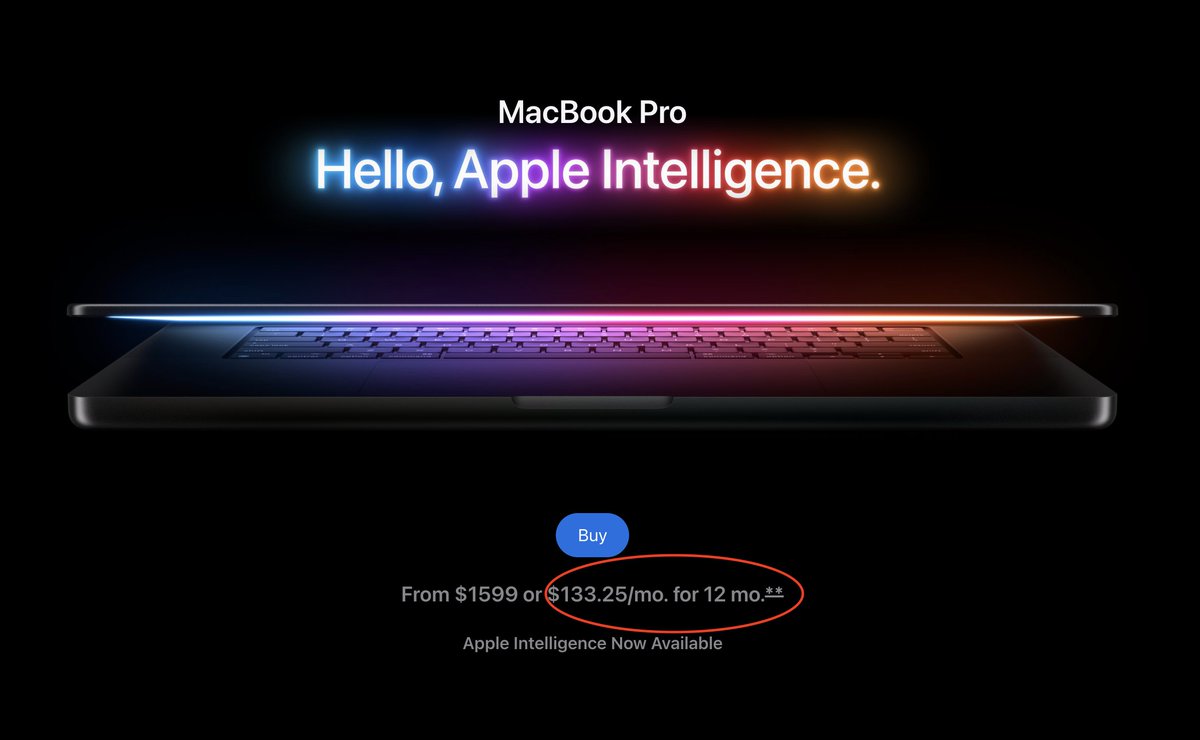
Buy a MacBook pro.
Download parallels to put a seamless virtual windows machine on it so you can still use real excel.
Go into debt if you have to.