Dear book reviewers,
If you are reading a book in translation, please remember that every single word you are reading was chosen by the translator. Every. Single. Word. Sometimes even agonized over for hours, or days. There are two authors of a translated book, not one.
An excellent piece on Humanities at the University of Hertfordshire.
“Many of @OGOMProject’s postgraduate researchers emerged out of the undergraduate English Literature programme at Herts, and @DrSamGeorge1’s Gothic modules played a central part here.” https://t.co/apBWUGvIxl
Spraying a St George cross on bins and dog waste recepticles is a thing that needs recording for future folkloric interpretation. A symbolism lost on the people who do it.
Please consider signing this petition to support Humanities staff at the University of Hertfordshire. The management want to close down Humanities.
https://t.co/DaQCcsXf2I
LITERATURE SEMINAR SERIES #FairytaleTuesday
Join me for a FREE online talk on 20 May at 1.30 ‘The Luck of the Ningyō: Japanese human-fish Yokai and the rise of the fake museum #mermaid’ All welcome - booking via Ticket Press below
Banyan trees start life as vampiric vines that strangle & suffocate the host trees they grow over. With distinctive aerial roots, they often figure in S. Asian folklore as dwelling-places for spirits/ghosts.
🎨: Warwick Goble
#botanicalgothic#FolkloreFriday
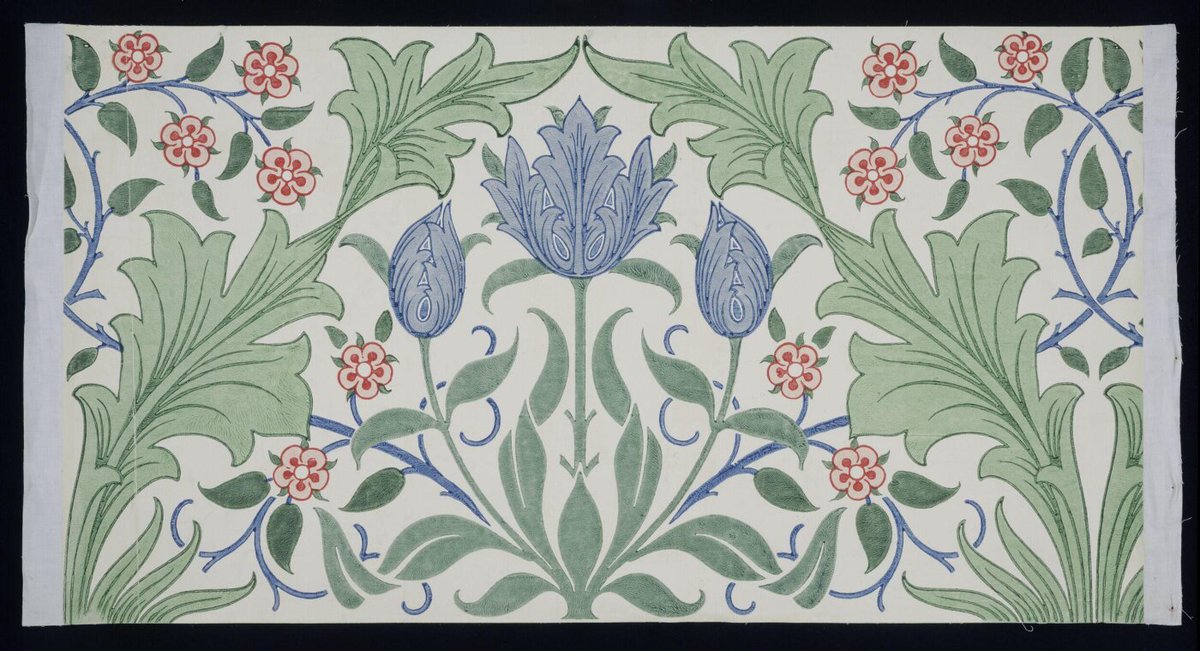
Some of the Persian tulips illustrated by William Morris (1834–1896), inspired by Iranian motifs--courtesy of @V_and_A. Morris was a British textile designer, painter and poet, and an alumnus of @ExeterCollegeOx. He partially translated Ferdowsi's epic poem Shahnameh into English
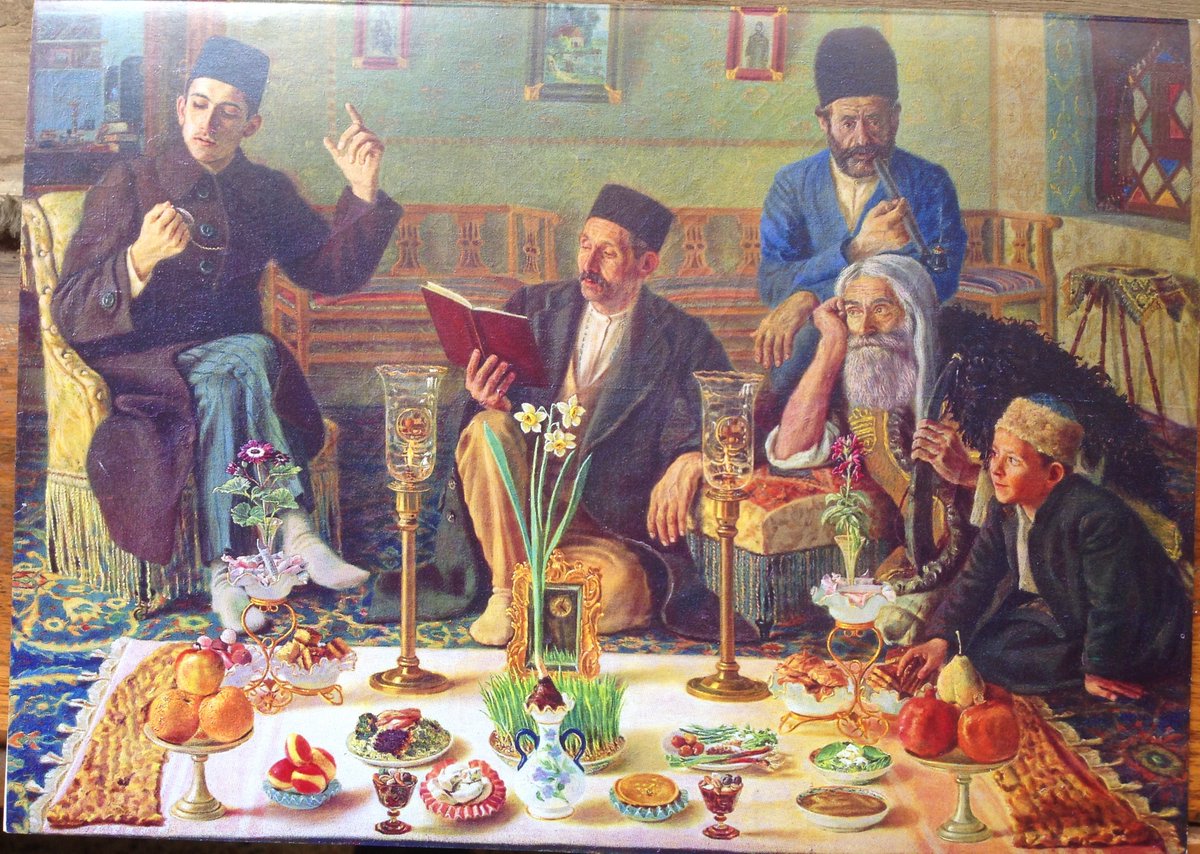
Happy #Nowruz!
Did you know that March 20th marks the start of Spring and a new year for hundreds of millions around the world?
See how this ancient Iranic celebration is observed (and get access to a free Persian class) ⬇️
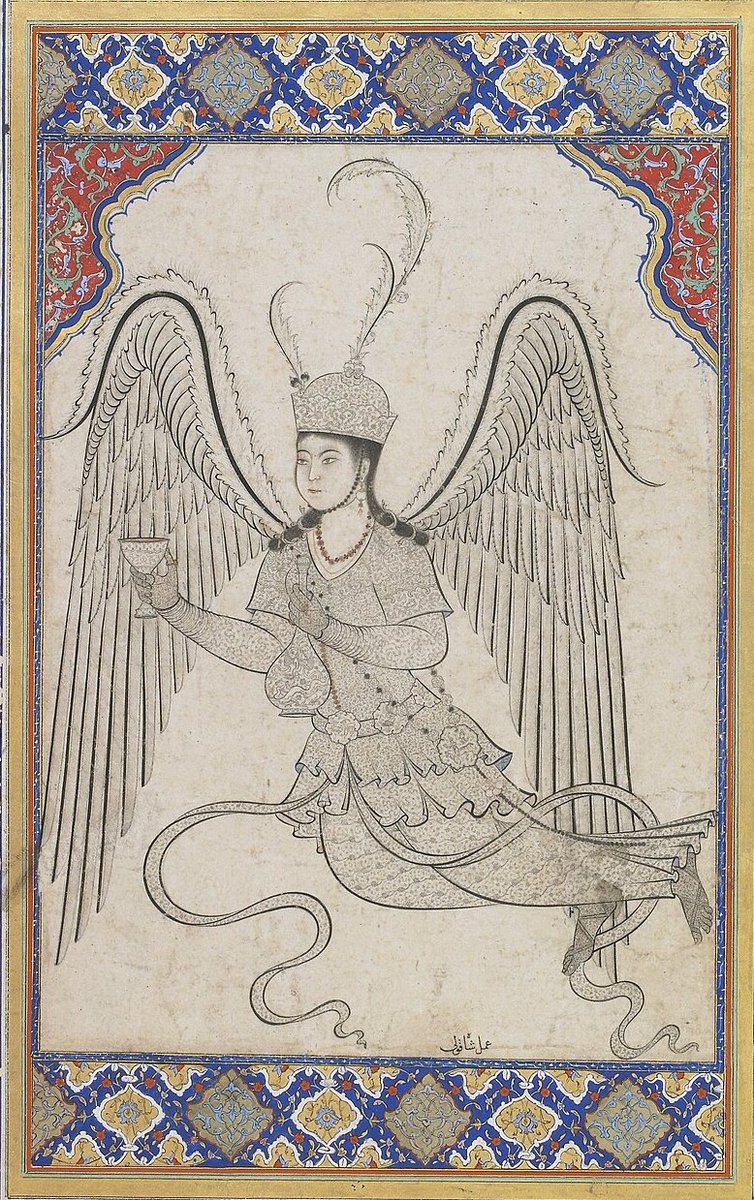
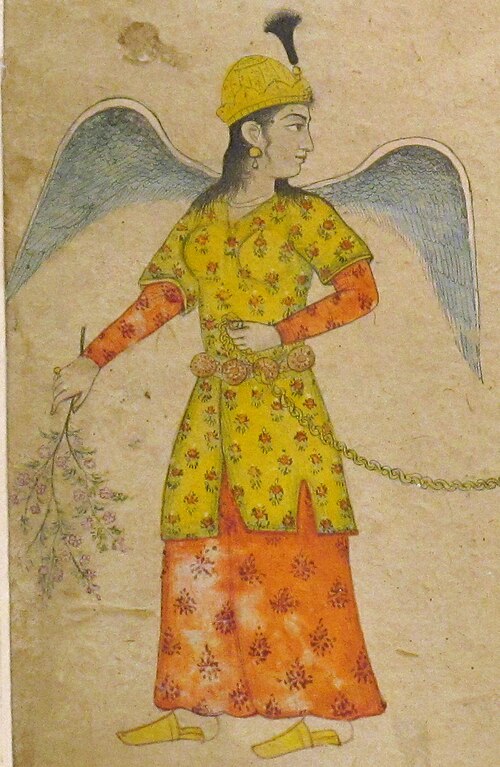
Persian fairies influenced European & S. Asian fairylore:
Persian Peri, S. Asian Pari, & European fairies are beautiful, often winged, & inhabit a hidden realm. Morally complex, their power can be contained or countered with cold iron.
#FolkloreSunday
@DrSamGeorge1 Loved Jim Henson's adaptation of this as a child - visually grotesque, but its message about unconditional love was really quite beautiful and sad, and elicited sympathy for the way Hans was shunned and ridiculed for being different.
I do *not* want an AI "summary" of an email, or a book, or a life. I do not want an AI summary of a winter sky, or my father's hands, or the hope in my child's eyes. I do not want an AI summary of the human heart, or the first little shiver of lust, or the long good work of love.
@madeehahwrites C19th - Mary Shelley is trending again rn. Dickens; Wilkie Collins (spooky mysteries w lots of twists esp. The Woman in White).
C20th classics - Virginia Woolf (her essays and fiction have v. different prose styles). Anything by Daphne du Maurier 👌🏽
They are beautiful books, but unfortunately the stories in them are frequently full of racial and cultural stereotypes. Some newer editions omit or soften some of these, but not all, so proceed with care!
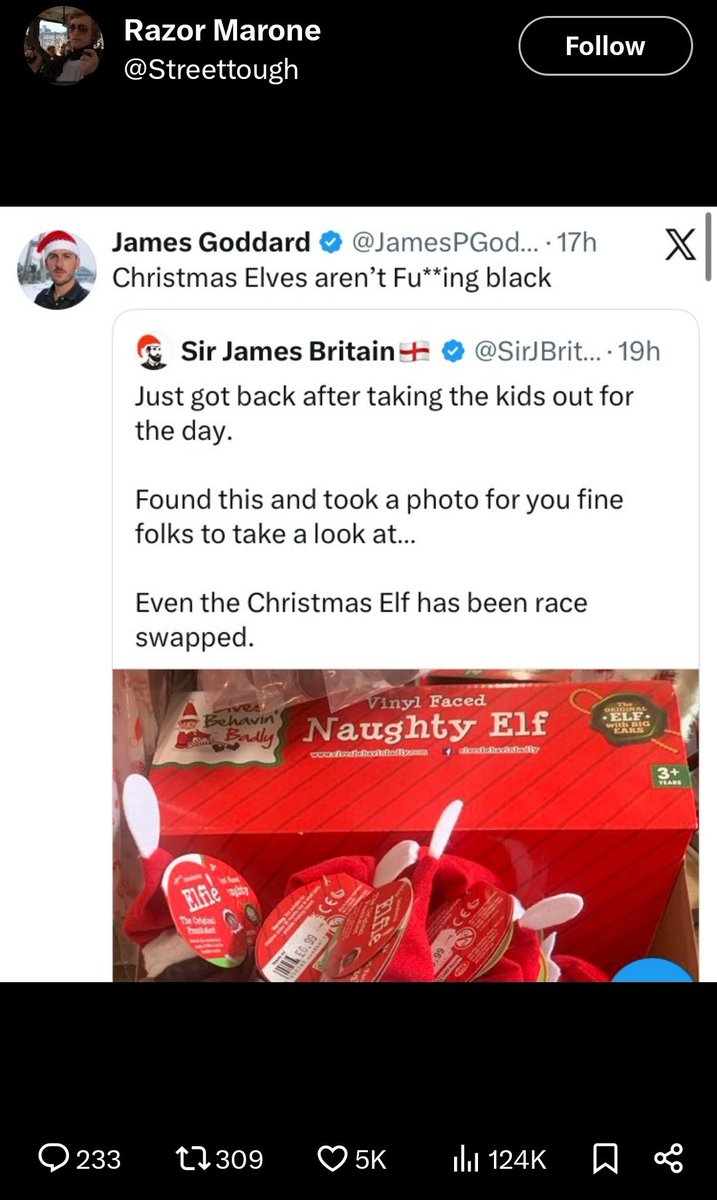
Norse mythology refers to both "light elves" and "dark elves" which further complicates attempts to box them in human ethnic groups. Seen as outsiders, then, it makes little sense for Santa's elves NOT to be depicted in racially/ethnically diverse ways. /END
🧵: What race are Santa's elves?
The C19th folklorist Laurence Gomme thought magical beings like elves were actually indigenous races who had been conquered. 1/
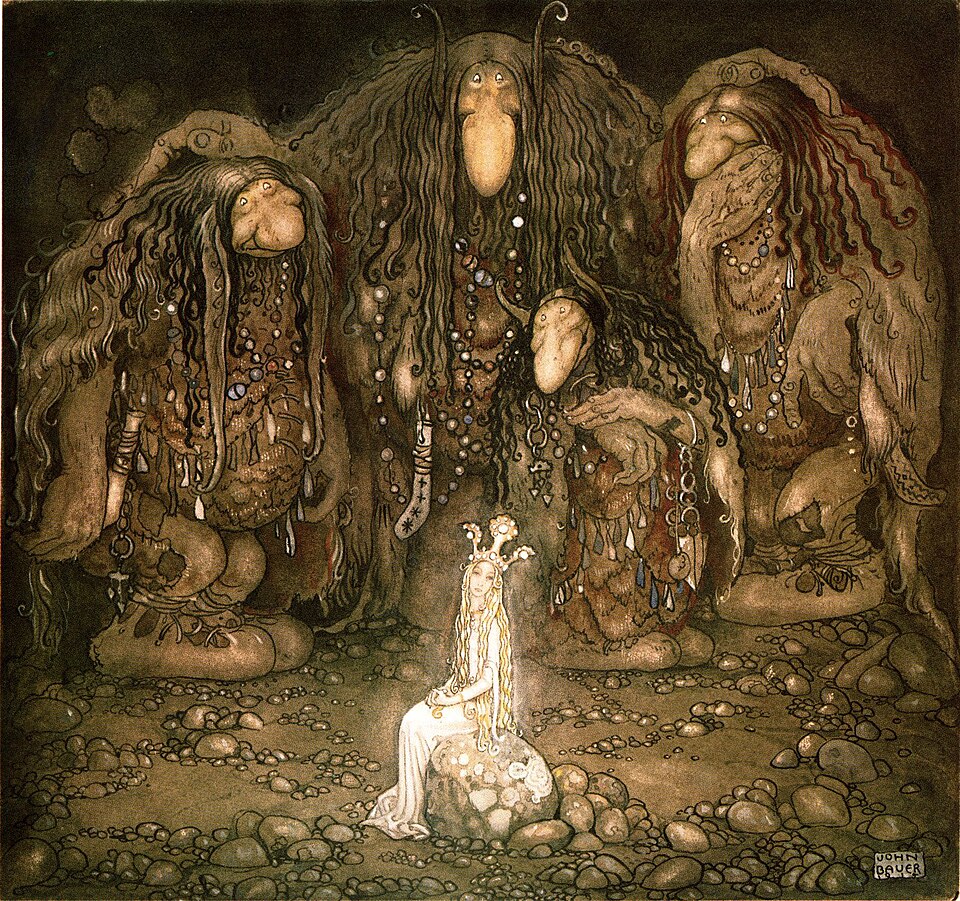
In Scandinavian folklore other magical beings like trolls and giants are also thought to represent ethnic Others like Sámi and Finn peoples. 4/
🎨: John Bauer, 1915