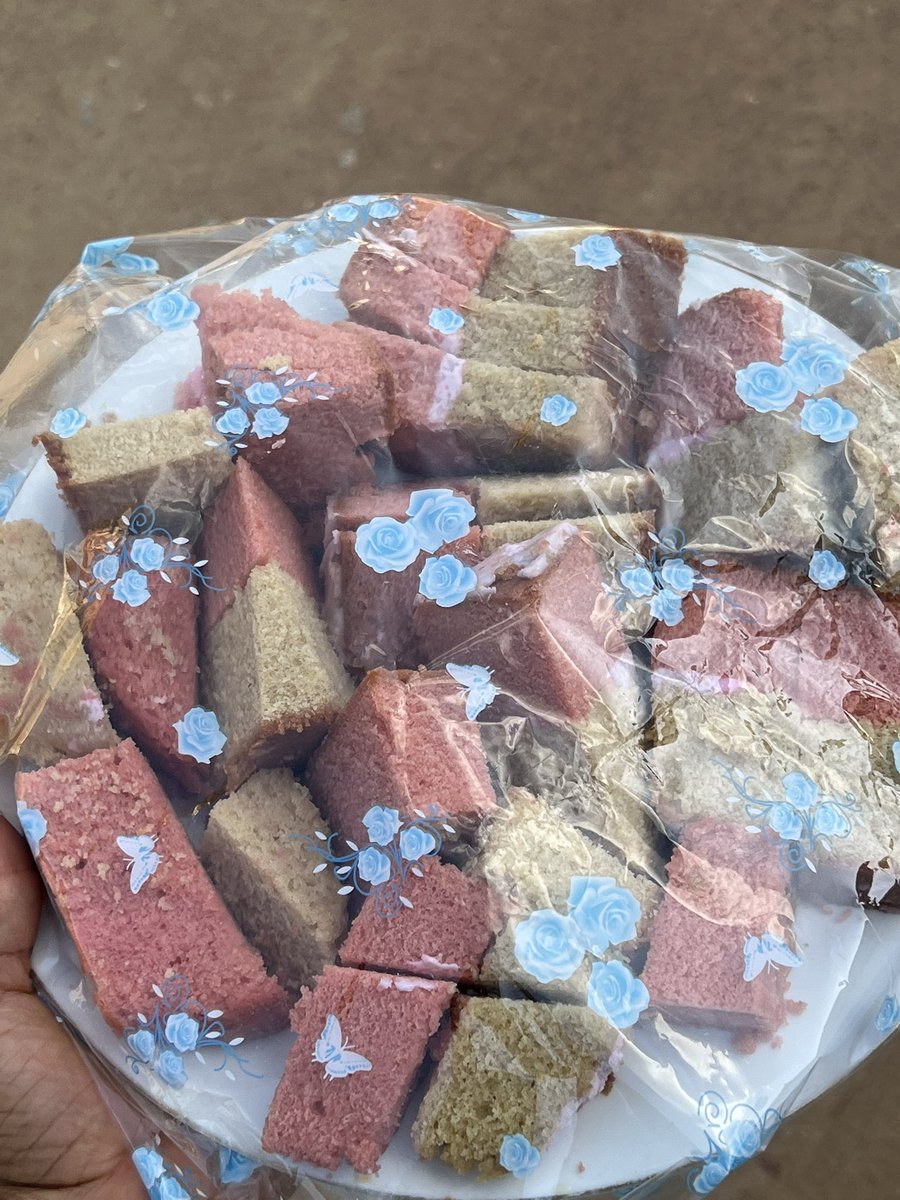
Today I stepped out of my comfort zone.
Carried my cakes around my estate and told strangers “I sell cakes”
It felt scary… but necessary….
This is how I’m building my business.
Unfortunately, I have to end my #100DaysOfCybersecurity challenge earlier than expected to focus on my health.
Still, this journey of consistent learning has been incredible. For now, I need to step back and recharge 🧘♀️
I’ll be back soon to continue learning and growing.
Day 55/100 of #100DaysOfCyberSecurity
KC7CYBER: CLOUTHAUS
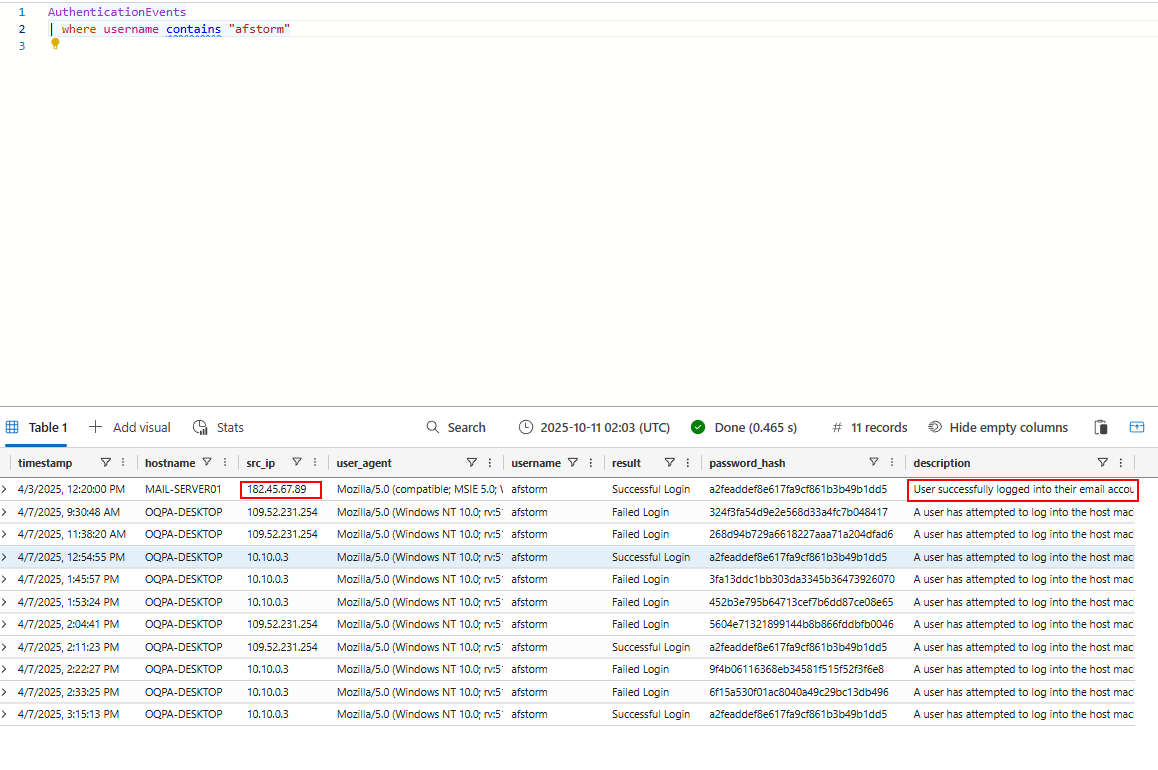
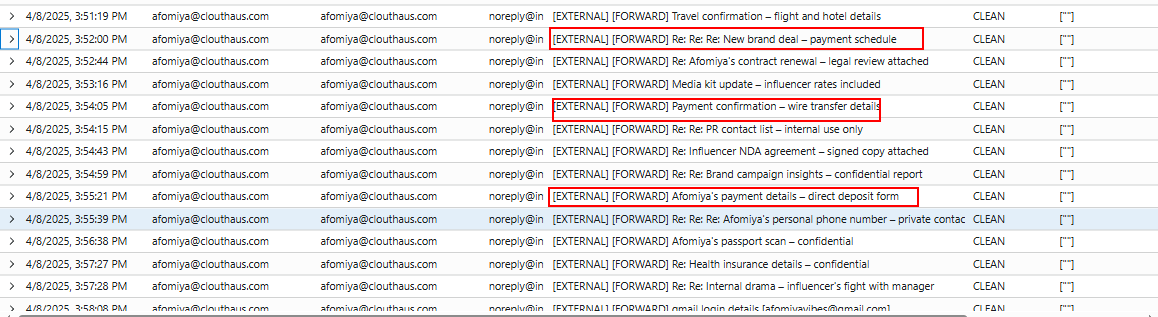
Afomiya Storm’s Insta fame made her a magnet for phishing, OSINT, and data theft.
Shared too much (pet names, views, keys 🗝️) → easy recon
MFA saved her. Strong passwords and awareness kept her secure 🛡️
Day 55/100 of #100DaysOfCyberSecurity
KC7CYBER: CLOUTHAUS
Afomiya Storm’s Insta fame made her a magnet for phishing, OSINT, and data theft.
Shared too much (pet names, views, keys 🗝️) → easy recon
MFA saved her. Strong passwords and awareness kept her secure 🛡️
Day 52-53 of #100DaysOfCyberSecurity
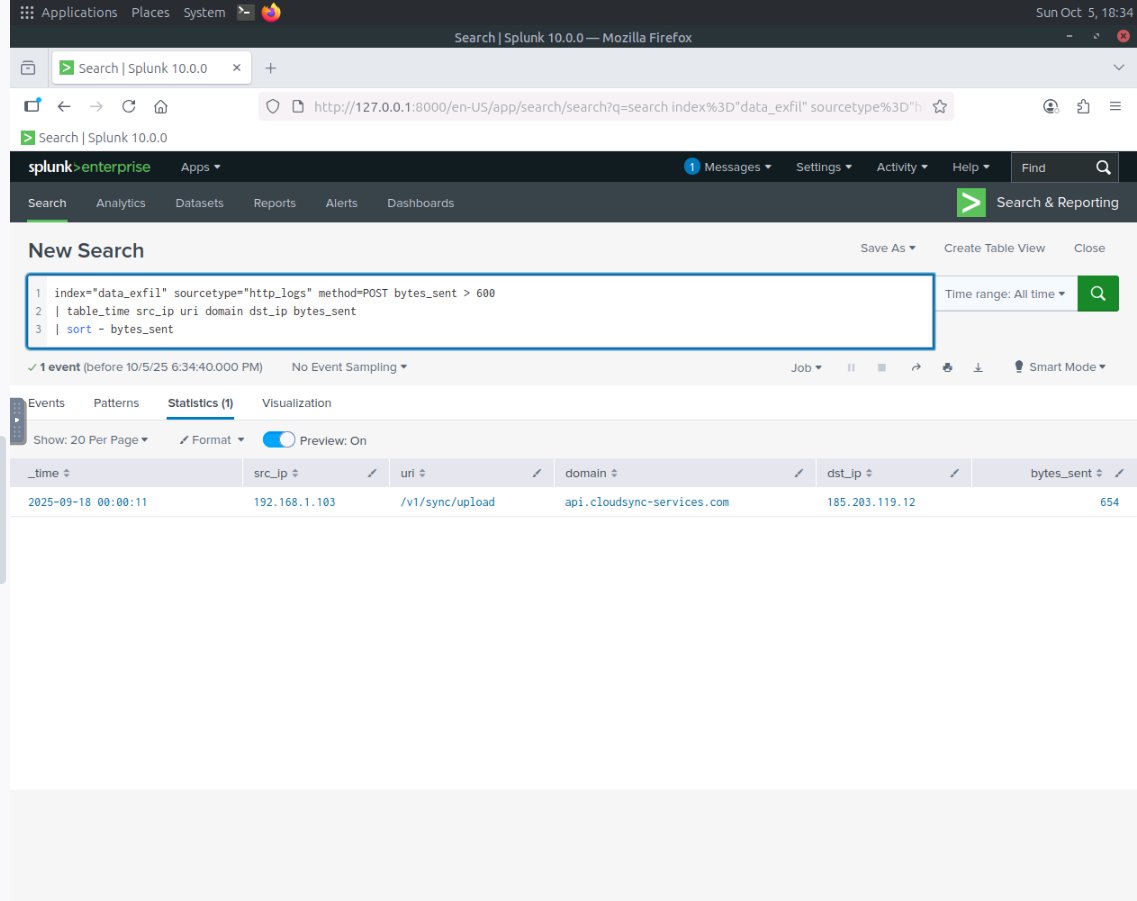
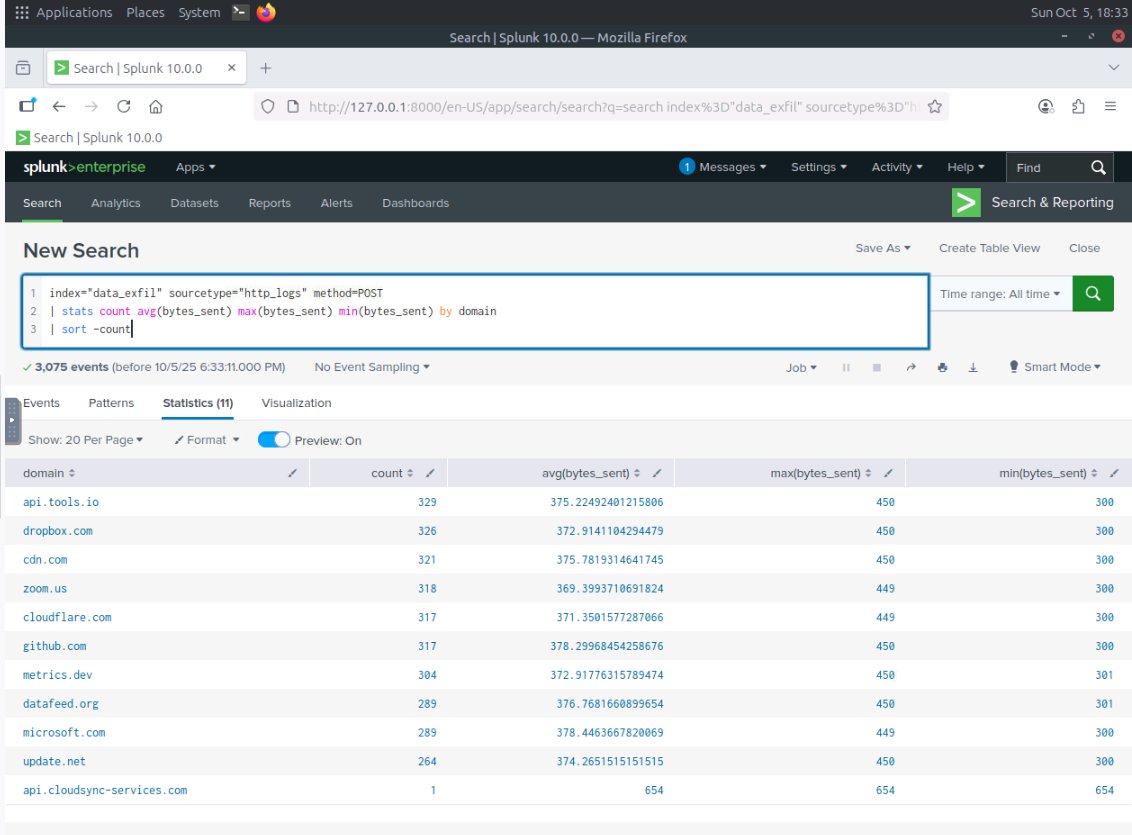
I completed the Data Exfiltration Detection room on TryHackMe, which combined packet-level analysis in Wireshark with log correlation in Splunk to uncover hidden data theft.
By aligning packet-level artifacts with log-based insights, I confirmed the same domain and hosts involved in the exfiltration attempt. This multi-layered investigation illustrated how packet capture and SIEM correlation reinforce each other in real-world detection workflows.
Day 52-53 of #100DaysOfCyberSecurity
I completed the Data Exfiltration Detection room on TryHackMe, which combined packet-level analysis in Wireshark with log correlation in Splunk to uncover hidden data theft.
Day 51 of #100DaysOfCyberSecurity
With this room I was able to learn how methods attackers would possibly use to scan a network and how to detect these scans.
In Wireshark, I inspected for suspicious packets with long DNS queries, repetitive traffic to one domain, and encoded payloads.
Then, I moved into Splunk to correlate the findings across network logs
Day 51 of #100DaysOfCyberSecurity
With this room I was able to learn how methods attackers would possibly use to scan a network and how to detect these scans.
Day 49/100 of #100DaysOfCyberSecurity
CRYPTOGRAPHIC ATTACKS
Cryptographic attacks are methods and techniques used to compromise the integrity and effectiveness of cryptographic systems and protocols.
Best Practices include:
▶ Using strong, well-vetted cryptographic algorithms and large key sizes to resist attacks.
▶ Regular updates and patching cryptographic libraries and systems to protect against known vulnerabilities.
Today is 30th September
Quote this post with a summary of how your cybersecurity journey was like this month.
Your post can motivate someone who is just starting.
Day 48/100 of #100DaysofCybersecurity
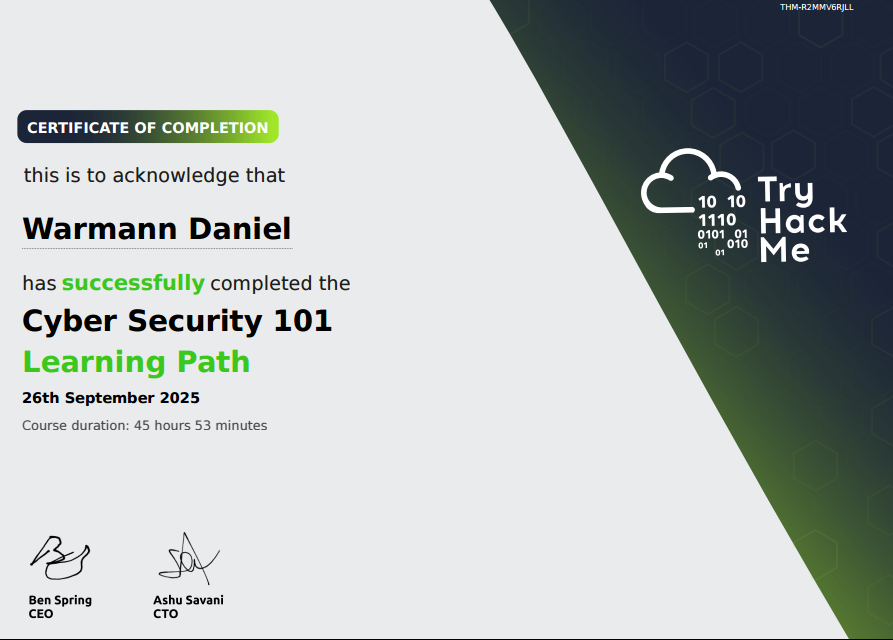
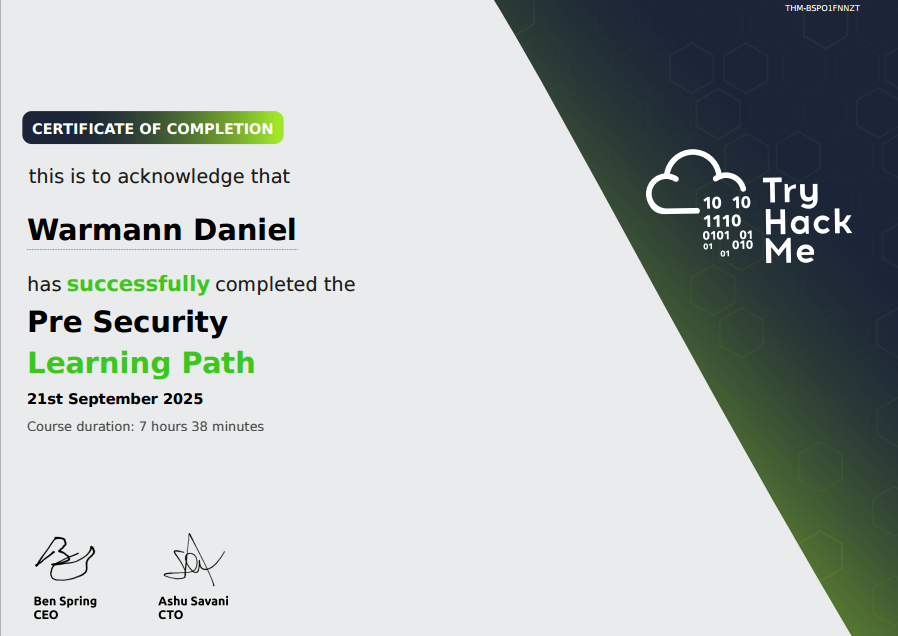
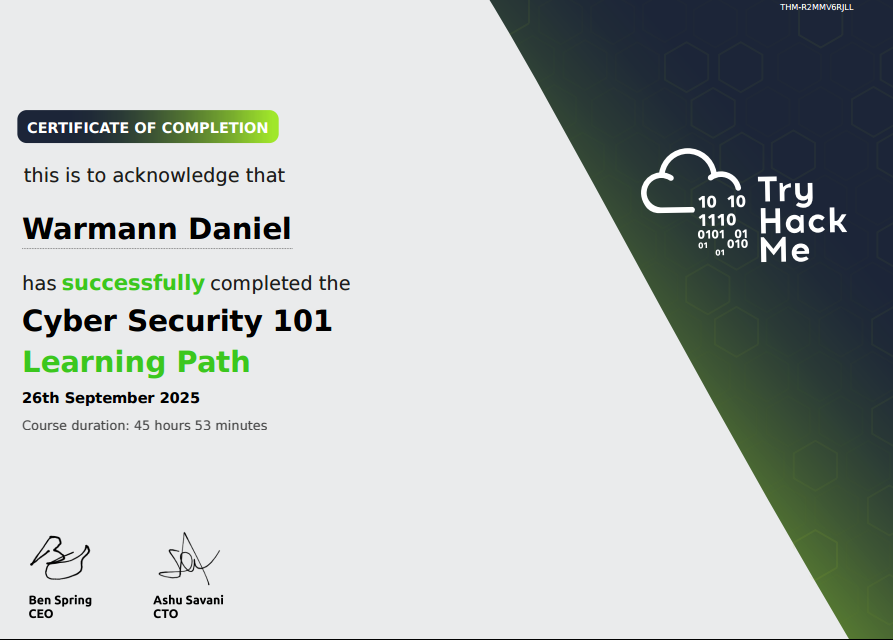
Proud of how I stayed focused with TryHackme this month to review fundamentals in cybersecurity and build up SOC skills.
❌ Risks: credential theft, injected malware, spying on user activity.
Browsers aren’t just tools, they’re an attack surface. Treat them with the same seriousness as endpoints and networks.
Day 47/100 of #100DaysofCybersecurity
Polymorphic Extensions are malicious browser add-ons that mimic trusted ones and change code to evade detection. They can impersonate legitimate extensions, change behavior on the fly, and slip past detection.