@SageCanaday Spot on, Sage. Can I add that 'out there' most people will constantly be up and down a little bit with inclines and declines, adding up to a total ascent over distance. Setting the treadmill to 1%+ can recreate this ascent, build running strength and economy.
I haven't done some of these routes on the bike in around 15 years. Looking at the Strava file it seems as though I'm at least as strong as I was back then and maybe even in better shape 👊
A key lesson I learned last year was not to let injury stop me.
This ankle injury might not be my choice but it's an opportunity to improve in other areas. Right now, I'm going to experiment, but cycling, strength and some flexibility work are all on the agenda.
Great rule to think about! The way I like to apply this idea for advanced athletes:
1. Develop your running economy (aerobic base, strides, general strength)
2. Make sure you're injury-resistant (fueling, PT, history)
3. Run a lot of your easy miles in Z2 in 5-zone model
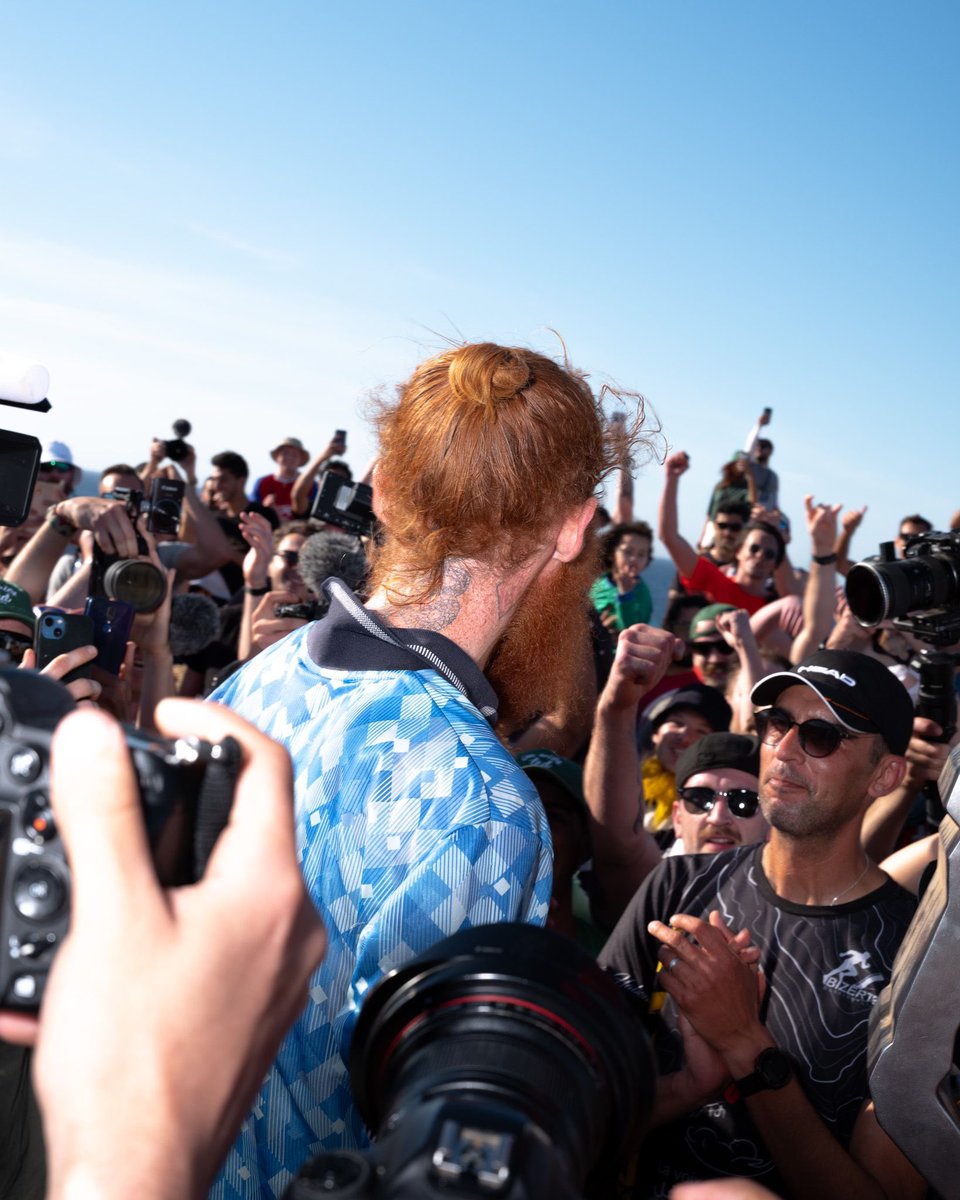
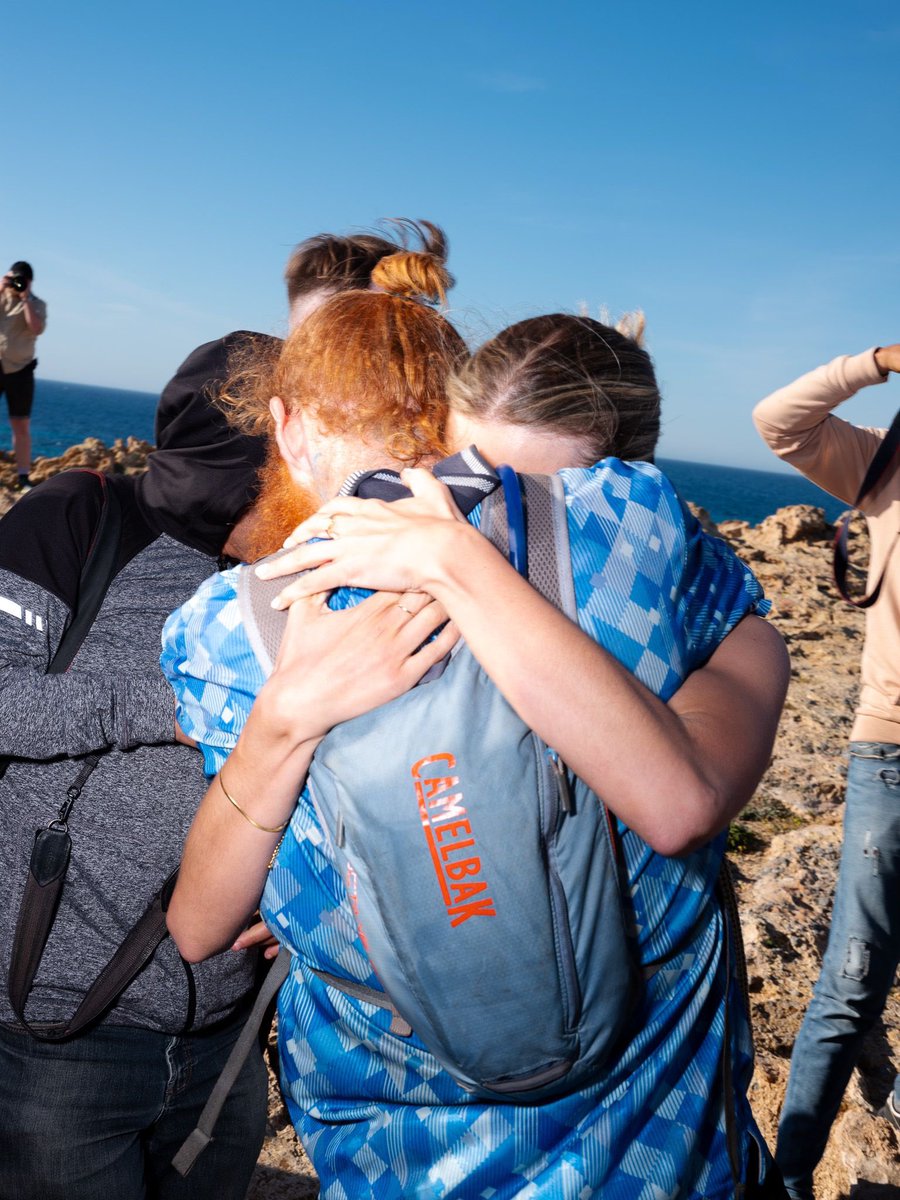
The moment @hardestgeezer completed his run across Africa. Incredible achievement. Just incredible.
Over £600k raised for charity so far. Donate here: https://t.co/UV1x3heOZi
I consider Killian Jornet to be the greatest trail runner of an outstanding generation, if not ever. These are his four tips for mere mortals training for the trails, via his Instagram account- all solid tips we can all learn from.
One of my running resolutions this year is to be more consistent with strength work, both to improve performance and reduce time out injured.
This 3mn routine from @mountainroche is perfect, thrown in a few times a week after I get back. Recommend.
https://t.co/L2mGL7TG0N
Thread of general #BM100 thoughts from this year. To start, how were there so many finishers? Not intentionally being a smartass, but, well, it's because there were so many finishers. Had we all been working alone, there might have been 1-2 finishers if even that. (1/10)