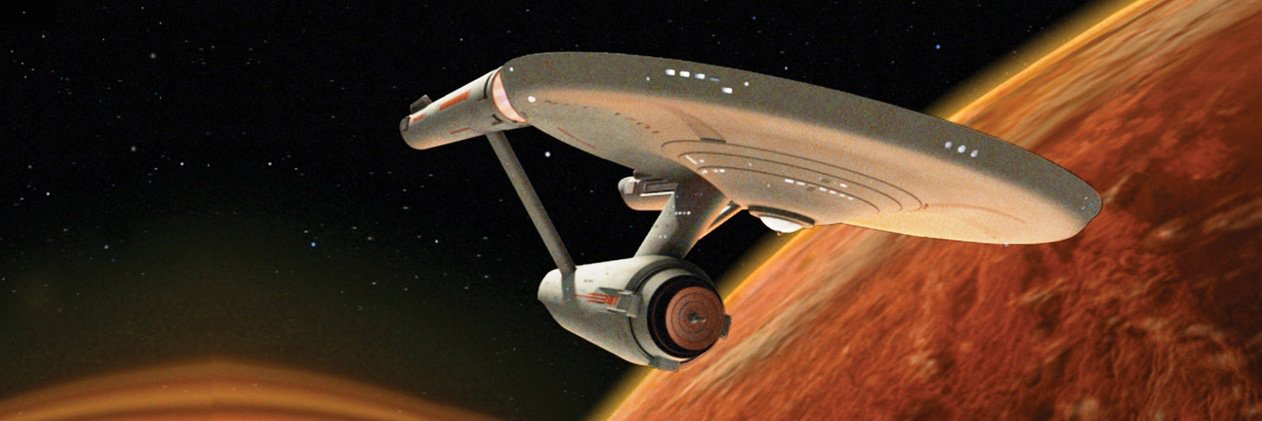
Science columnist with National Geographic, CBC Radio & CTV News. 30+yrs of stargazing experience. Author of Star Trek: The Official Guide to Our Universe
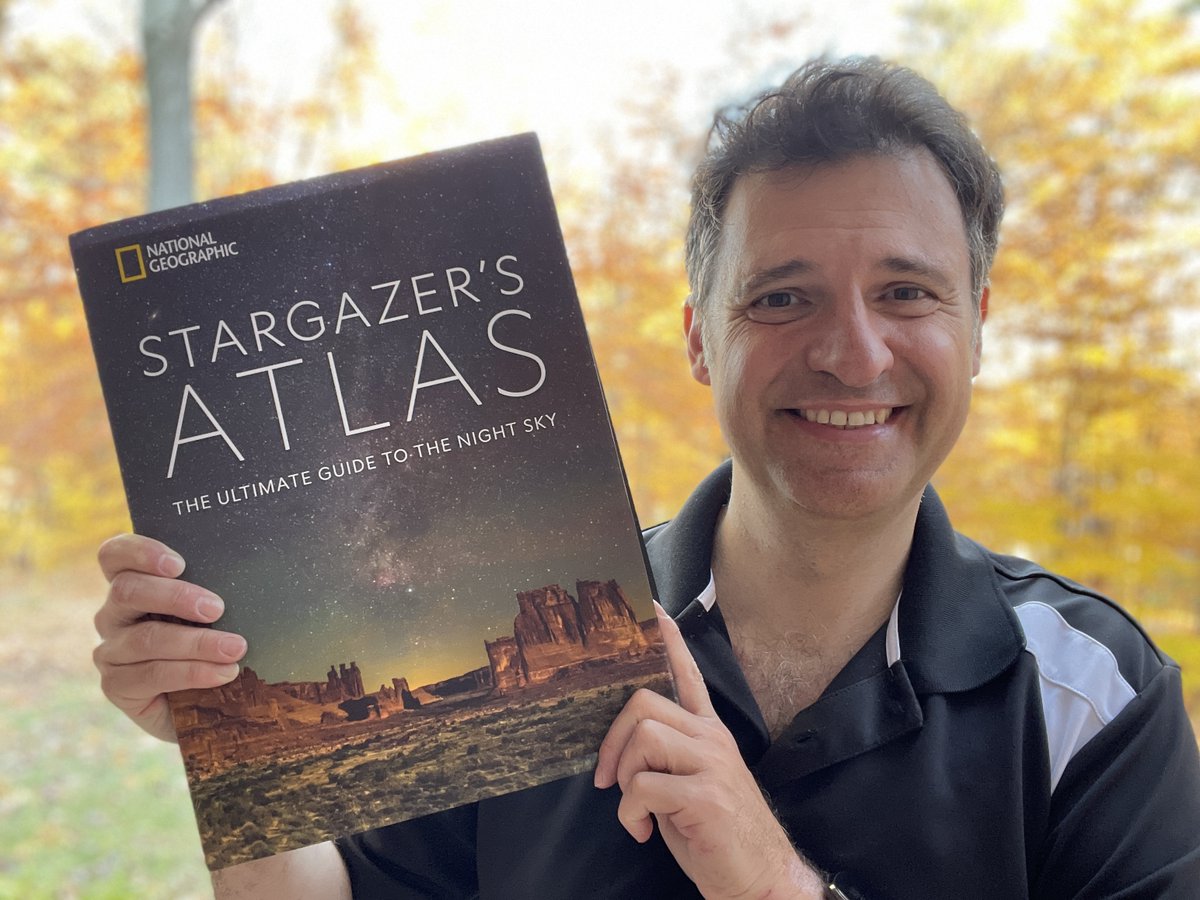
Today this 6.5 pounds of cosmic knowledge hits bookstores everywhere! Big thanks to @natgeo team for helping to bring this beauty to life. @NatGeoBooks#stargazersatlas
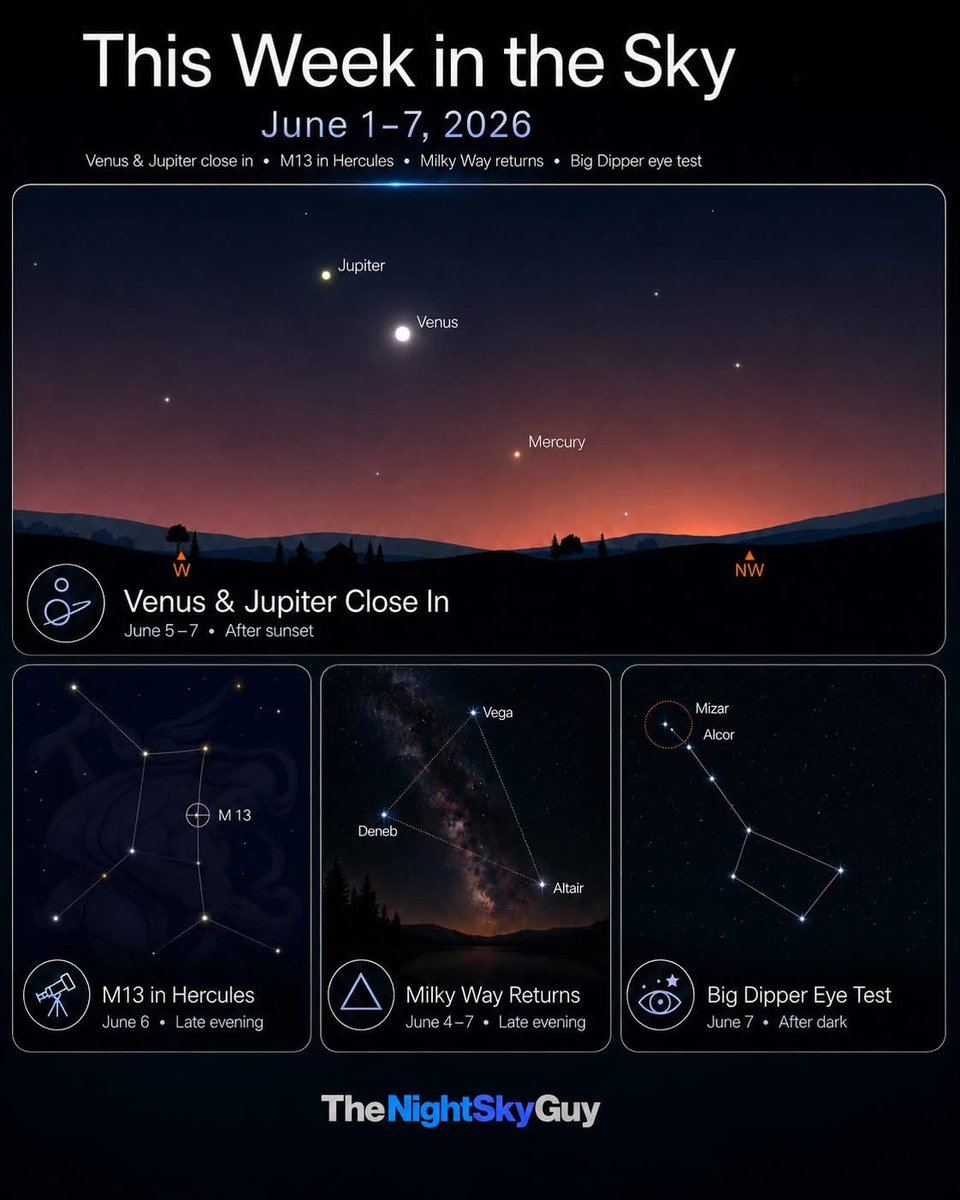
🤩 Night Sky This Week: June 1–7
✨ Best easy target: Venus & Jupiter after sunset
🔭 Best telescope target: M13 in Hercules
👀 Best family challenge: Big Dipper Eye Test
❓Which one will you try to spot this week?
On The @StuphFile@MattZWitten author of "51%", @MJPreston1 author of "Windigo Plague"; & science writer, Andrew Fazekas, @thenightskyguy is back to talk about whether or not life on Earth, actually began on Mars. https://t.co/Sm3Upuz7PU
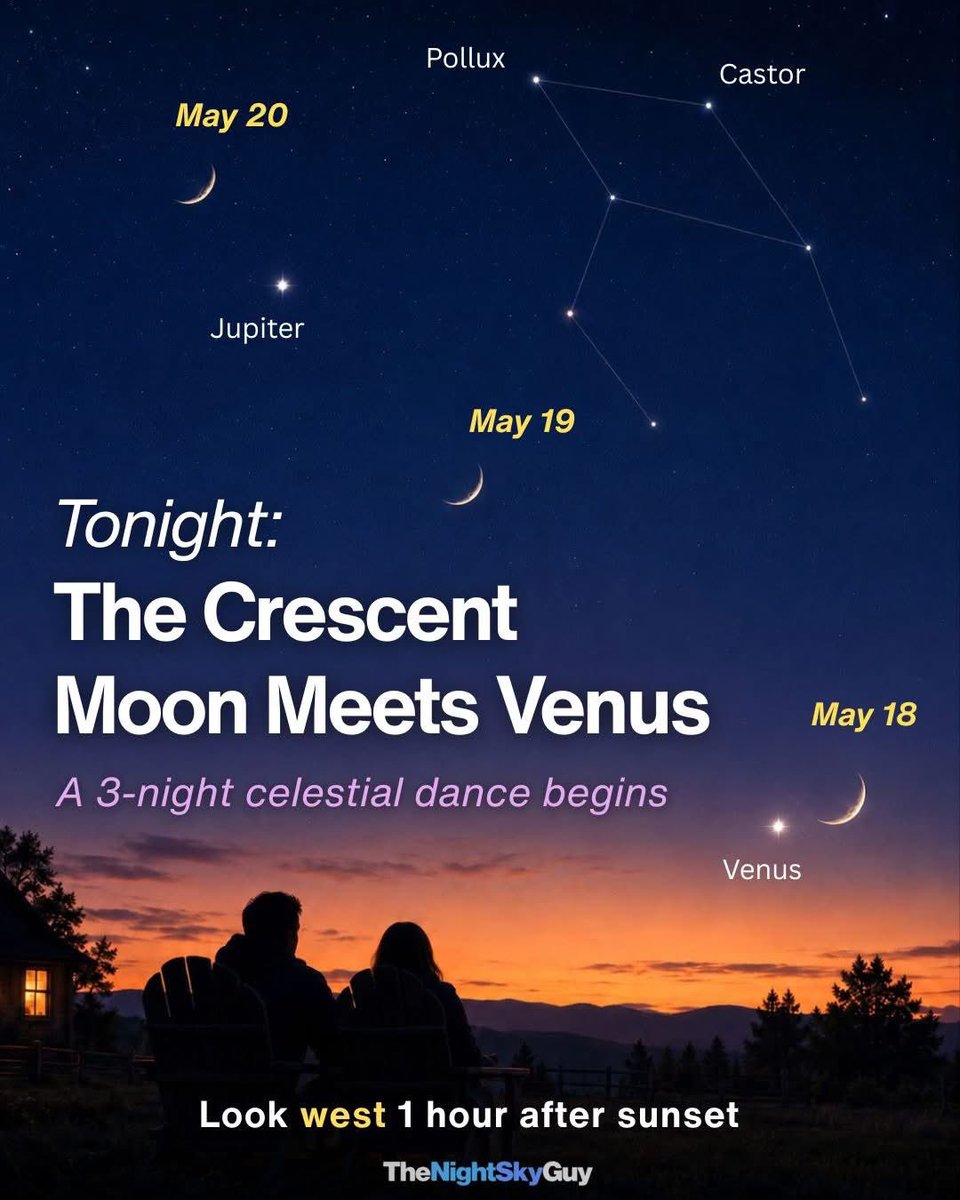
🌙✨ Tonight: The Crescent Moon Meets Venus!
Step outside after sunset & look W, a thin crescent Moon will shine close to Venus, one of the prettiest sights of the week.
Tonight, May 18: Moon near Venus
May 19: Moon between Venus & Jupiter
May 20: Moon near Jupiter
Big thanks to the Artemis II crew who touched down at the Canadian Museum of Nature today to give us a quick tour of the moon — no space suit required.
Can tiny smart scopes really capture a supernova 50 million light-years away? I put my
@Vaonis_fr Vespera Classic and @dwarf_lab33747
Dwarf 3 to the test on SN 2026kid in the Splinter Galaxy, from my suburban backyard. The results surprised me. https://t.co/bcTwdBWF8l
🌔 Sky Tonight, Apr 29: look SE after sunset for the Moon. Spica sits ~3° left : about two fingers at arm’s length.
🐦⬛To the Moon’s right, spot constellation Corvus the Crow, a sail-shaped 4-star pattern.
😲Wow: Spica’s light traveled ~250 years to reach you!
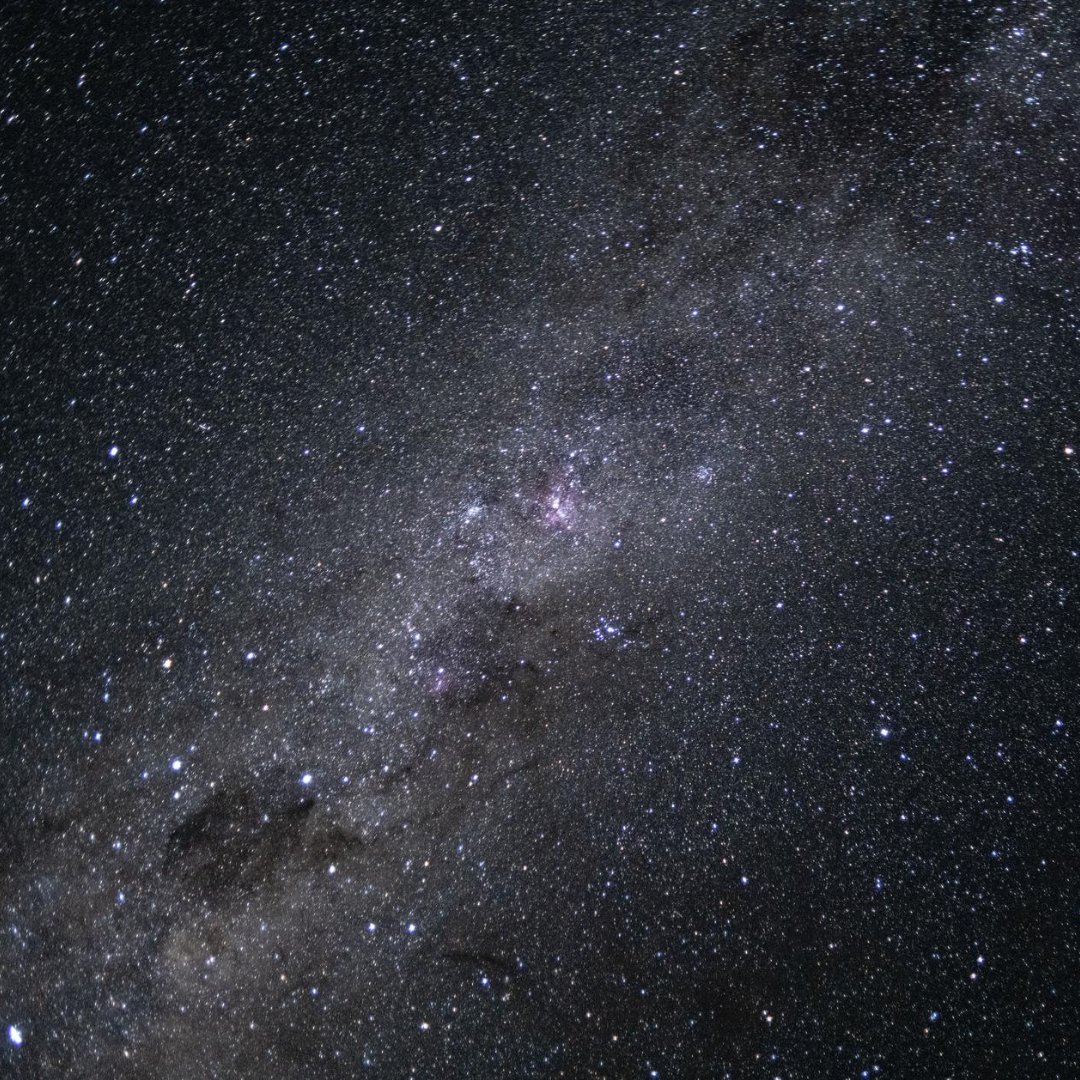
The Artemis II crew has captured a breathtaking view of the Milky Way, our vast galactic neighborhood. What a privilege to see our galaxy from the very best seat! ✨🌌
📷 : NASA
On The @StuphFile Program, science writer, Andrew Fazekas, @thenightskyguy talks about the successful mission of Artemis II's journey around the Moon and back
https://t.co/AmBAuAj63c
Comet #PanSTARRS (C/2025 R3) rising in the dawn twilight on April 19, 2026. It was at its closest point to the Sun in its orbit (at perihelion) on this date. But it was so low from my latitude the comet was embedded in the twilight and difficult to see even with binoculars.
Only one chance in this lifetime…
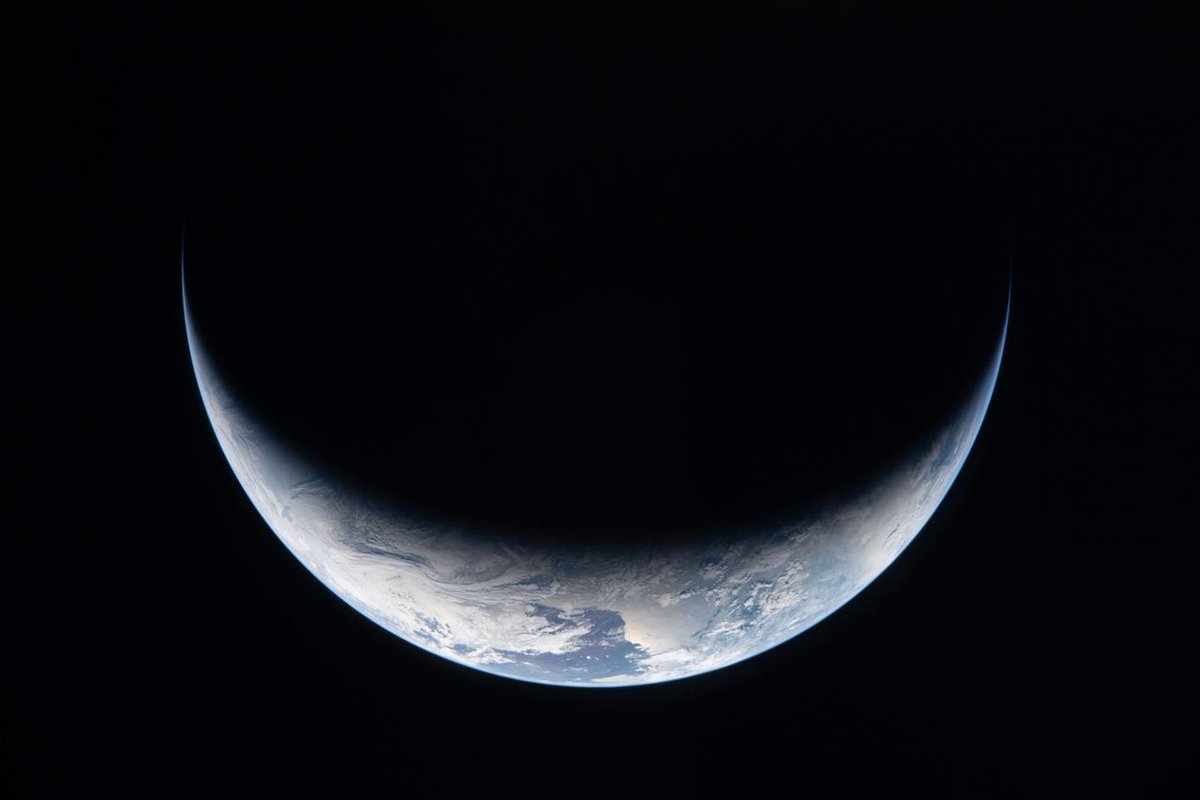
Like watching sunset at the beach from the most foreign seat in the cosmos, I couldn’t resist a cell phone video of Earthset. You can hear the shutter on the Nikon as @Astro_Christina is hammering away on 3-shot brackets and capturing those exceptional Earthset photos through the 400mm lens. @AstroVicGlover was in window 3 watching with @Astro_Jeremy next to him.
I could barely see the Moon through the docking hatch window but the iPhone was the perfect size to catch the view…this is uncropped, uncut with 8x zoom which is quite comparable to the view of the human eye. Enjoy.
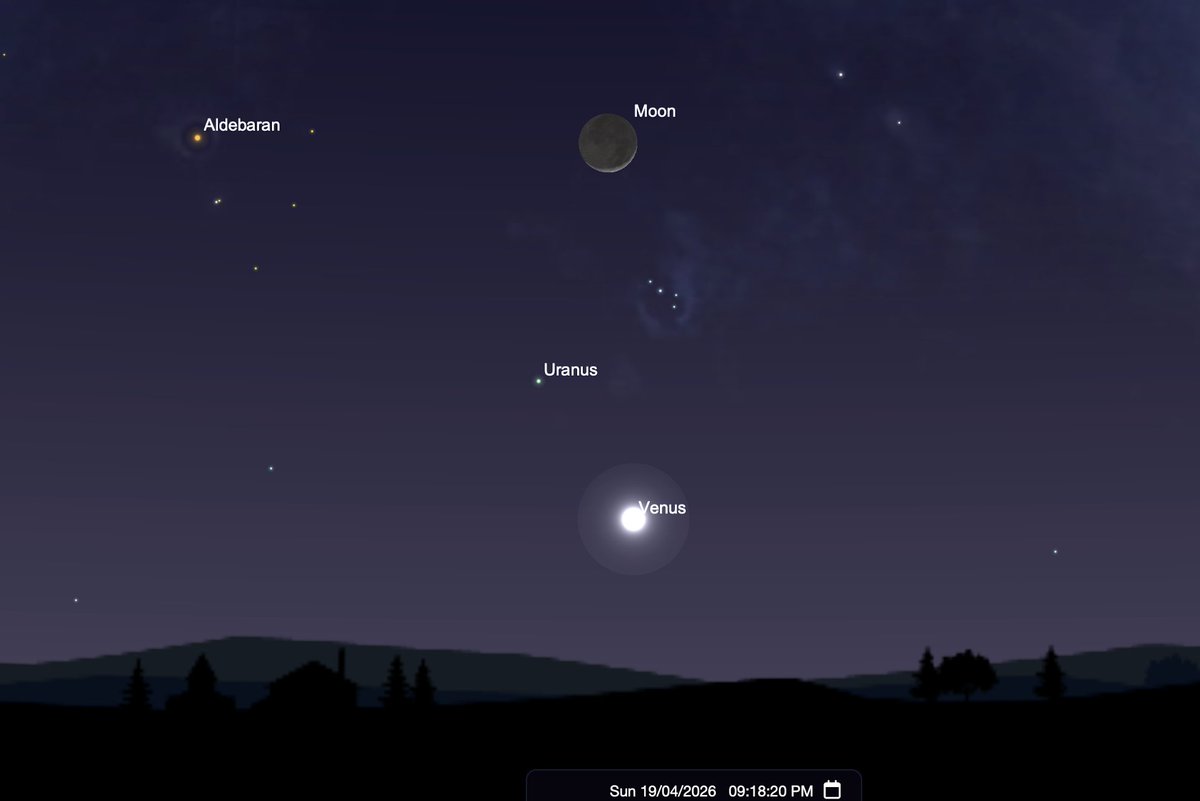
📷Sky Tonight, look low in the western sky after sunset for a lovely meeting of the young crescent Moon and the Pleiades star cluster, also known as the Seven Sisters. Venus will be shining brightly nearby too, making this a beautiful target for binoculars.
📷 @skysafariastro
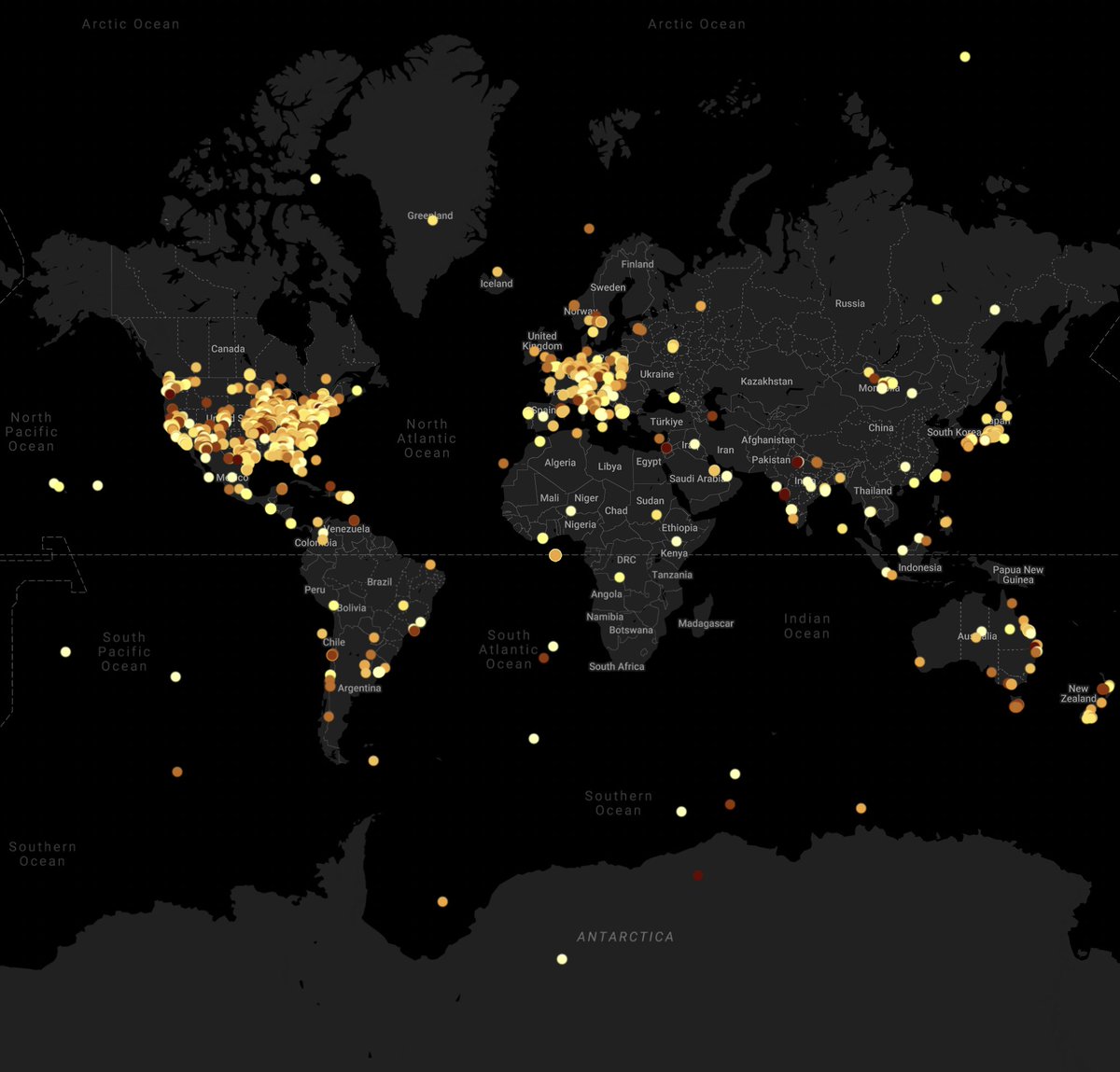
Where do our Globe at Night data points come from?
Literally everywhere 🌍✨
Even Antarctica! ❄️
Yes, this year we’ve received observations not only from Antarctica, but also from remote and far-reaching places like North Macedonia and Iceland… and we love seeing it!
"We don't always do great things ... but our default is to be good and to be good to one another."
Artemis II astronaut Jeremy Hansen said that the positive global reaction to the mission has given him "more hope" for the future of humanity. https://t.co/f8y2323Vwx
They're halfway home.
The Artemis II astronauts have hit the "halfway" mark between the Moon and the Earth. They will splash down in the Pacific Ocean around 8:07 pm ET on Friday, April 10 (0007 UTC on Saturday, April 11), off the coast of San Diego.