PhD Science, created by @GreatMindsEd, is an NGSS-aligned K–5 curriculum that inspires students to wonder about the world and empowers them to make sense of it.
✨📧💜 Stay up to date on PhD Science with our newsletter. You will get information on events, curriculum updates, new resources, professional development opportunities and more. Sign up today: https://t.co/pEgrmvHwgF
Reminder: This account is winding down. If you've been following us here for a while, we still want you to be a part of our community! Follow us at @GreatMindsEd. See you there. 💜
Need support with pacing? Wondering how to help students unpack real-world phenomena? 💭💜 Our PhD Science virtual open enrollment sessions are designed to help you meet these classroom challenges with confidence. Reserve your spot today. ➡️ https://t.co/pvDplSNVFj
Are you at NSTA? Come and be a part of the excitement in the city of brotherly love at Booth 516.💜 Meet our team, explore our offerings, and immerse yourself in the fun!
#Philly25#NSTASpring25
🔬✨ Are you a PhD Science educator looking to connect with fellow teachers, share ideas, and get support? Join our PhD Science Educator Support Group today! 📩 Request to join here: https://t.co/qQvKSLMQOg
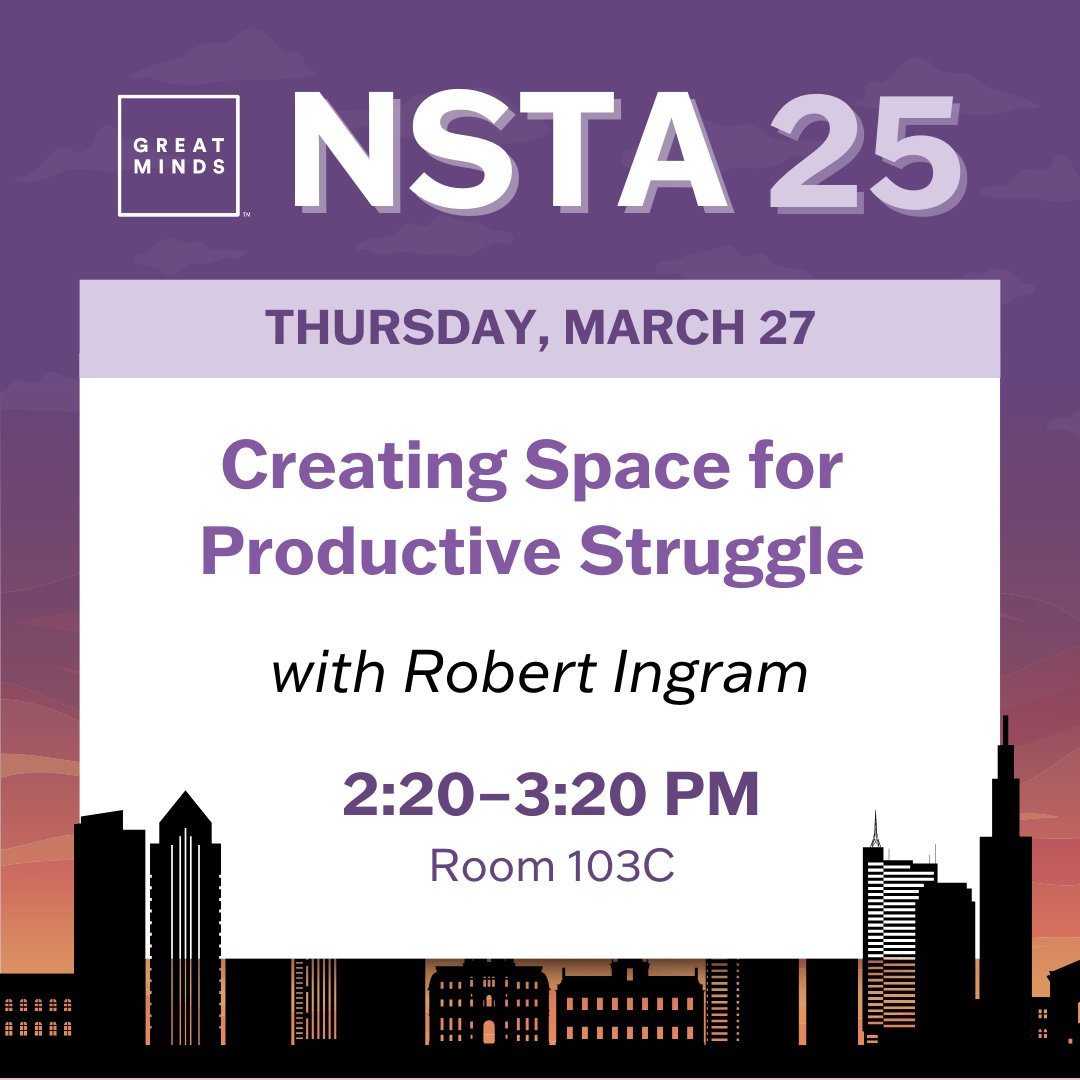
Attending this year’s NSTA Conference in the historic city of Philadelphia? Join us for these two insightful sessions with Robert Ingram. Bookmark this post as a reminder! 🔖 #Philly25@ThePhDScience
Philadelphia has long been a hub for innovation! At #NSTASpring25, we’re building on that foundation with PhD Science—engaging students in hands-on exploration of real-world phenomena. Visit Booth 516 to learn more!
💭 What Is a Socratic Seminar? A Socratic Seminar is more than just a discussion—it’s a powerful strategy for fostering student-led learning and deepening classroom conversations. (Thread 1/5)
💜 In a Socratic Seminar, students’ ideas take center stage; the teacher’s role is to serve as facilitator, keeping the discussion on track and providing the intellectual spark that initiates conversation. (4/5)
For the L ❤️ VE of science education, we’re excited to connect with you at this year’s #NSTASpring25 Conference in the heart of Philadelphia! ️🏙️ #Philly25
What's new in PhD Science? Explore some recent revisions and additions to PhD Science and some enduring principles that have remained in this blog post: https://t.co/V9gh2WZzXL
We are proud to share that our L2 "Earth Changes" unit was recognized by NextGenScience for its quality in helping students explore Earth’s changing land, from analyzing local land samples to designing systems to prevent a lighthouse from sliding into the sea. @thePhDScience
This 5th-grade science teacher received a Presidential Award for Excellence in Mathematics and Science. Check out her class engaging in PhD Science Module 3.💜💜💜
🎉 Congratulations to Regena Beard from Copper Mill Elementary for receiving the Presidential Award for Excellence in Mathematics and Science Teaching! We're proud to support her work with @ThePhDScience as she inspires the next generation of scientists! https://t.co/efDTnc66Bm
Happy #GroundhogDay from #NSTA! Did you know groundhogs rely on temperature & daylight cues to hibernate? Today, take a moment to wonder at the connections between #weather and the #environment around us, and hope that #PunxsutawneyPhil brings news of #spring on the way! #Science