We’re LIVE with our static view of the launch pads at Wallops for the TOMEX+ sounding rocket launches.
Right now all sites are GREEN and counting down to hold the clock at T-4 mins to see if we have the right science conditions. Stand by for an estimated launch time! https://t.co/QPjExNlqBa
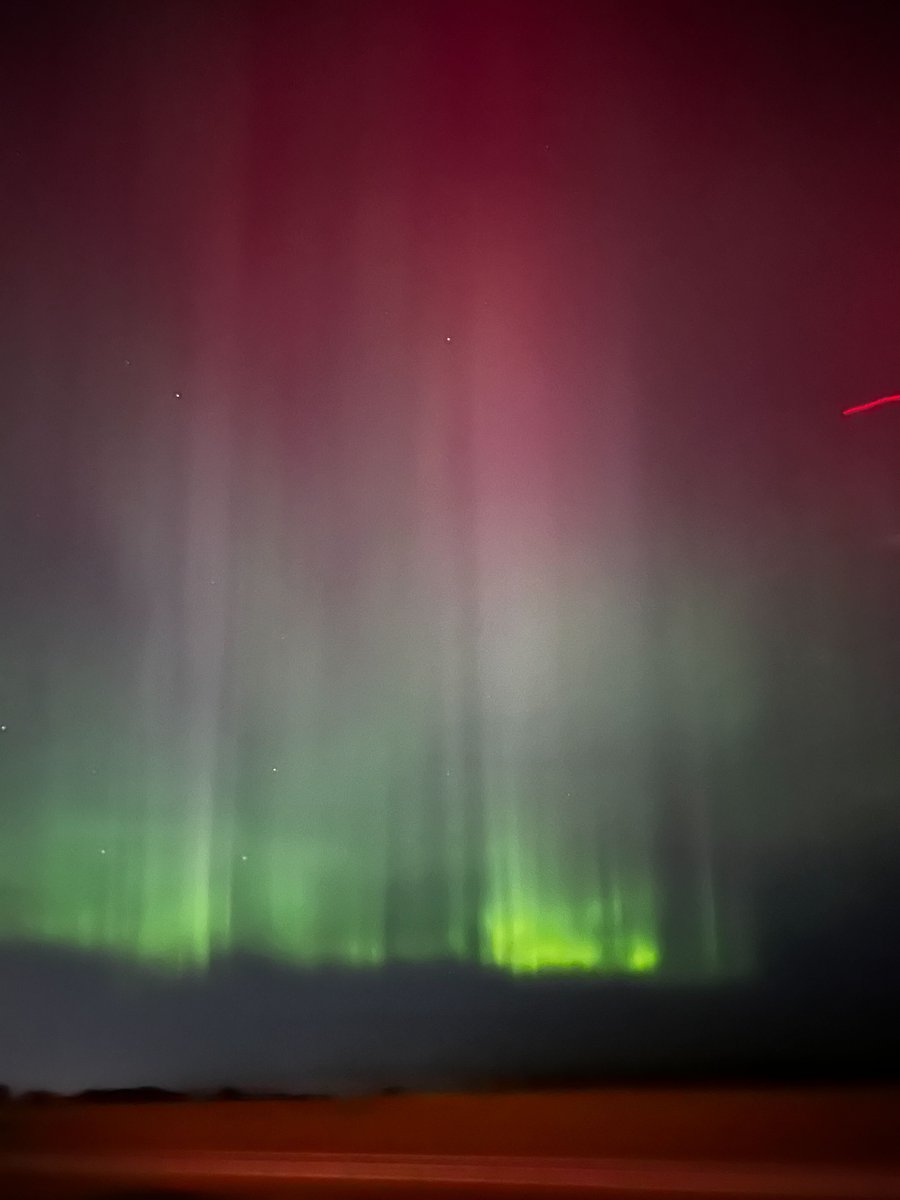
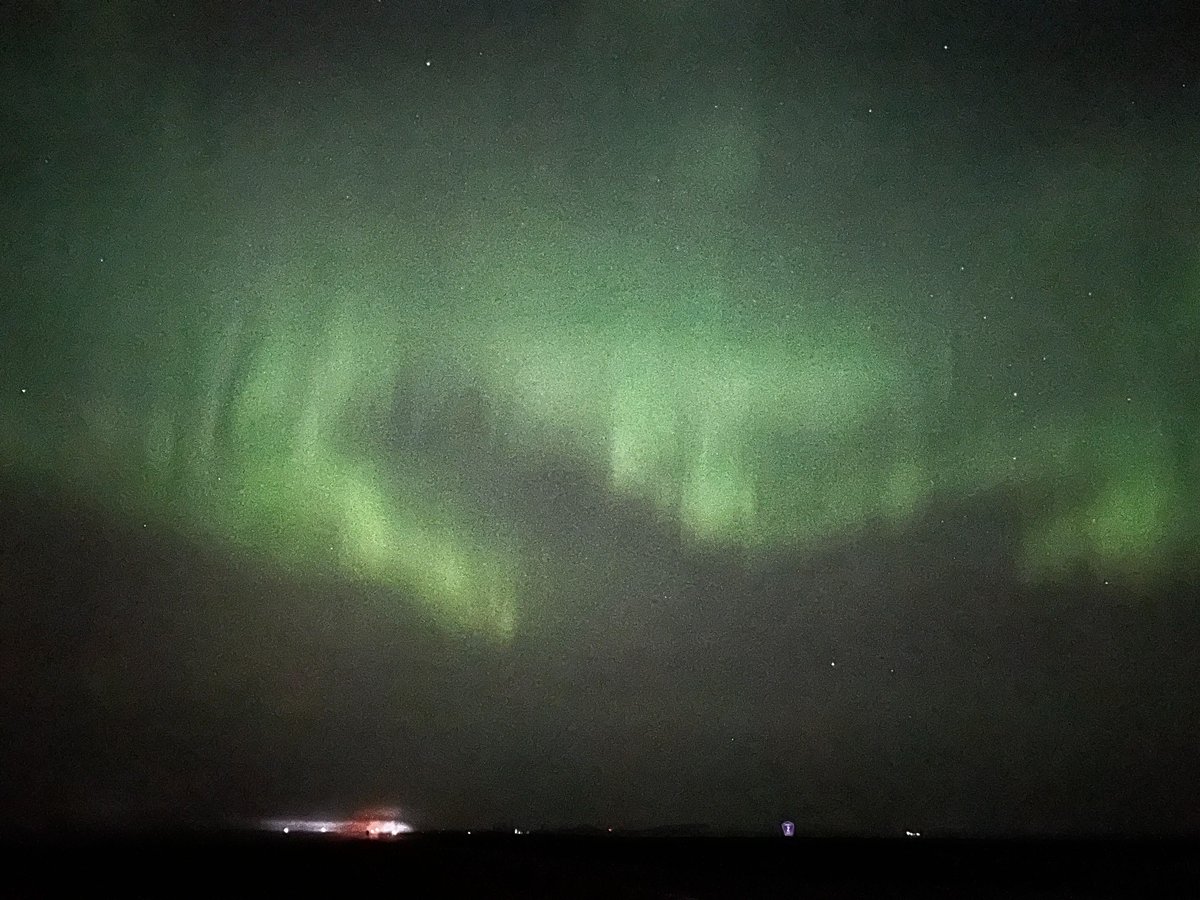
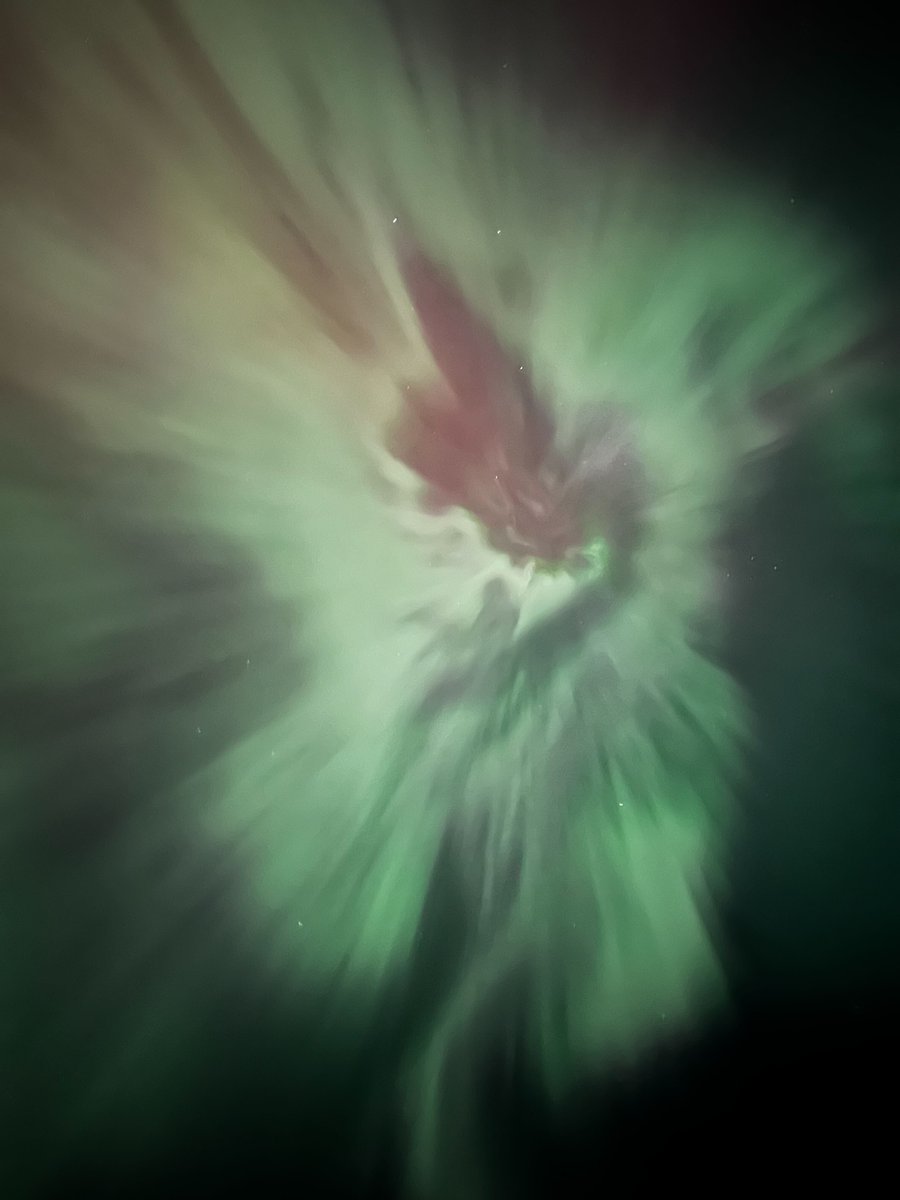
We’re in the middle of an intense geomagnetic storm! 🌎🧲💥
A series of solar eruptions arriving at Earth are triggering widespread auroras. Here’s what NASA space weather analyst Carina Alden saw last night as she traveled through Michigan and Wisconsin!
Remember the big solar storm in May?
Scientists have just discovered that, in addition to creating spellbinding auroras, the storm also made a new temporary ring of charged, high-energy particles encircling Earth.
For 25 years, @chandraxray has given us the x-ray vision to see galaxies and star clusters form, peer into black holes, and study worlds beyond our solar system.
Celebrating the anniversary of its launch, check out 25 all-new views from Chandra: https://t.co/zKdVMsrdSx
Here is an interactive 360 degree panorama from Apollo 17. Its made from 21 individual frames stitched together with mission audio added. Try it for yourself at the link displayed
A few days ago my pal Adrian Bradley sent this inspiring image of the Milky Way with foreground trees forebodingly reaching to the sky. It was shot by Caroline Jones. Enjoy!
When you walk to a rocket, never pass up the chance to use the toilet.
By the time of climbing into the space shuttle, I had been zipped up in my orange ACES spacesuit for nearly 2 hours with perhaps another 5 before doffing on orbit. Fortunately, the NASA engineers had thought about placing a toilet at the 195 foot level of Pad 39A; an exceptionally stout toilet at that.
Please remember to close the door before launch!
STS 126 Endeavour, November 15, 2008
.@NASA and @BoeingSpace are now targeting a return date of no earlier than June 22 for the agency’s Boeing Crew Flight Test mission. The additional time allows teams to finalize departure planning and operations while the #Starliner spacecraft remains cleared for crew emergency return scenarios within the flight rules.
More: https://t.co/nwCVuaNPnR
We're hours away from launching a new spacecraft for the first time! Liftoff of #Starliner Crew Flight Test is targeted for 10:52am ET (1452 UTC). Watch on our free streaming service, NASA+: https://t.co/YzJmy7ogil
This week at NASA, we launched two small satellites that will observe Earth’s climate, discovered a planet 40 light-years away, and peered into the dark universe.
Don’t miss a minute of what we’re up to: https://t.co/MyG37QzGhO
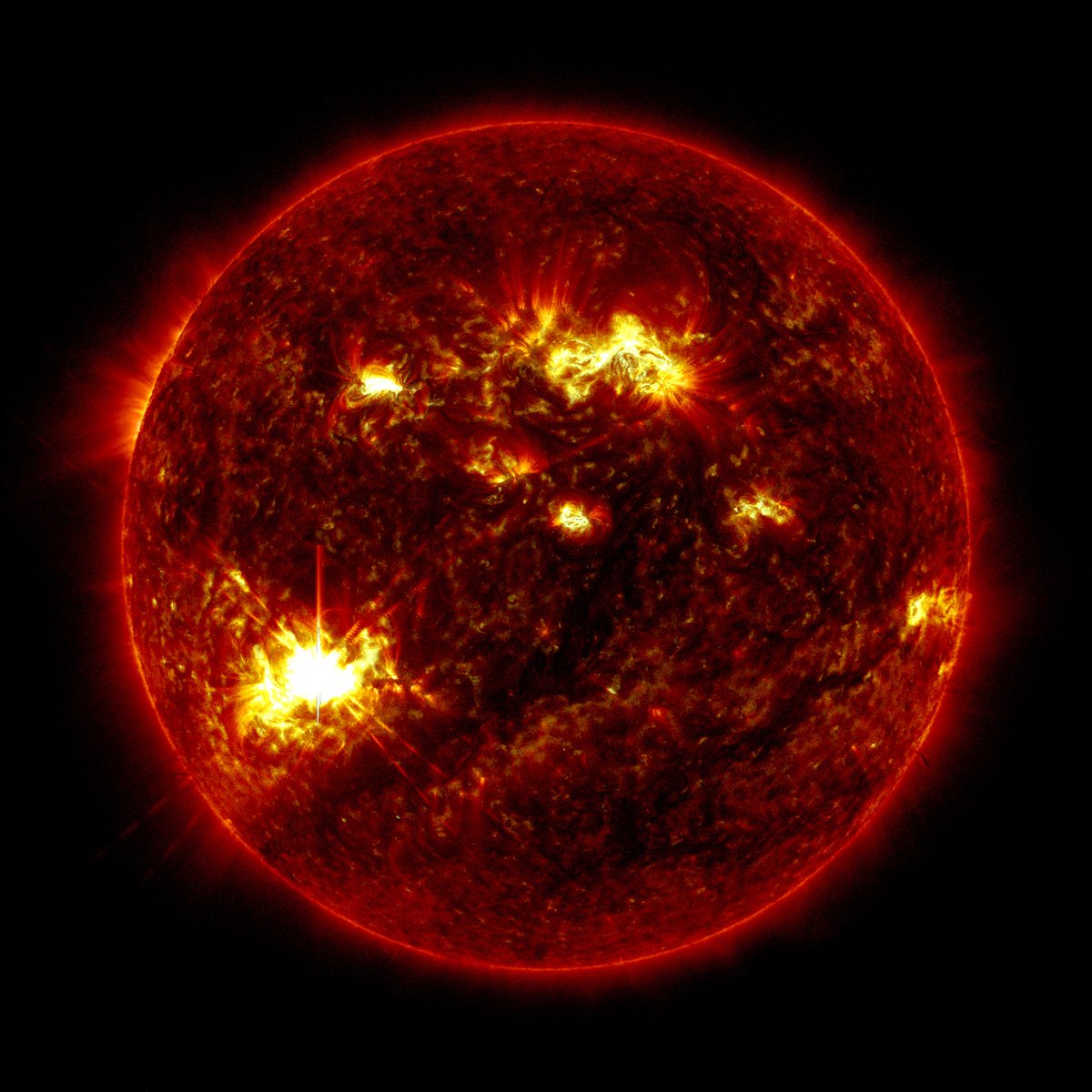
The Sun emitted a strong solar flare on May 31, 2024, peaking at 6:03pm ET. NASA’s Solar Dynamics Observatory captured an image of the event, which was classified as X1.1. https://t.co/qM71CqV0xH
Discovery at sunrise 🌅
Yesterday in 1999, space shuttle Discovery launched on the STS-96 mission. During the mission, Discovery made the first ever docking to the @Space_Station and its crew completed a spacewalk to attach two new cranes to the orbiting laboratory.
The first launch for our latest Earth-observing mission – PREFIRE – is set for Saturday, May 25, at 3:15am ET (0715 UTC).
Follow @NASA_LSP for updates about the satellites that will study Earth’s polar regions: https://t.co/8wXANczBqY
That’s more than just hot gas. The bright center of each image is a supermassive black hole firing a beam outward—one of 16 studied by scientists using @chandraxray.
Read more about these beams and why they’re studied: https://t.co/OFLRrQRqk8
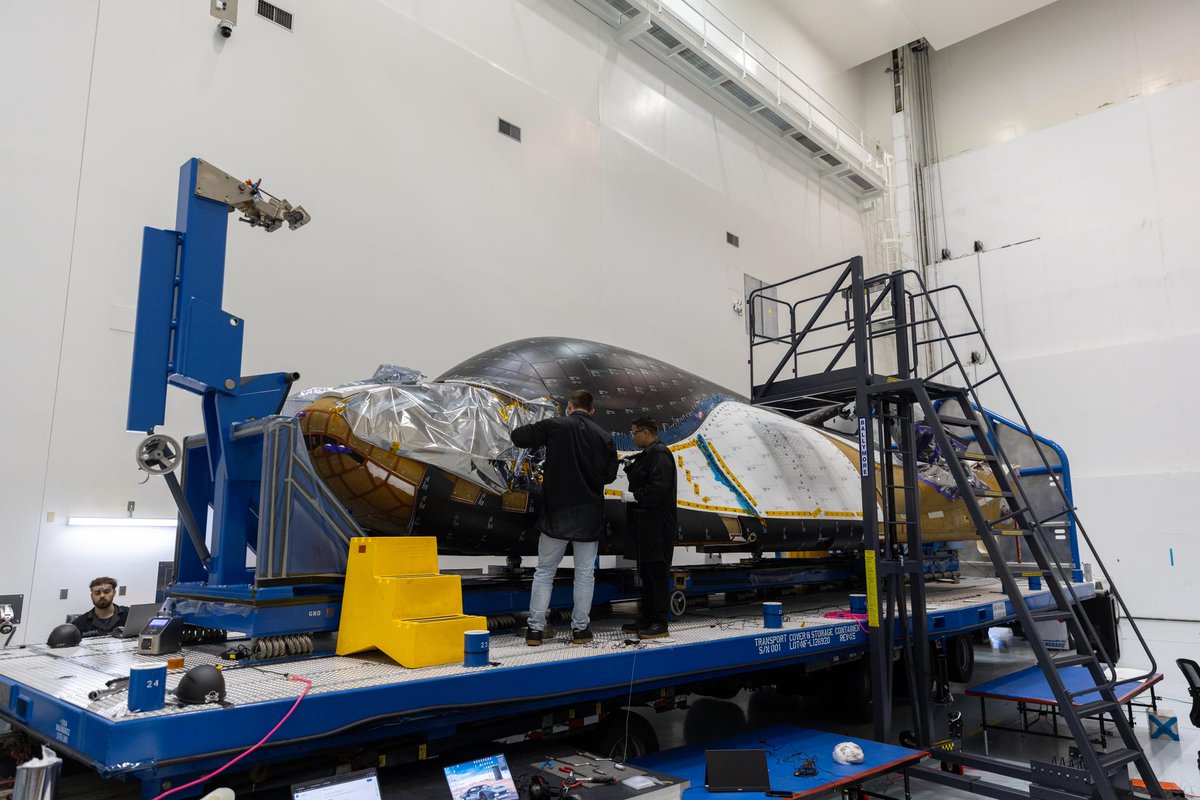
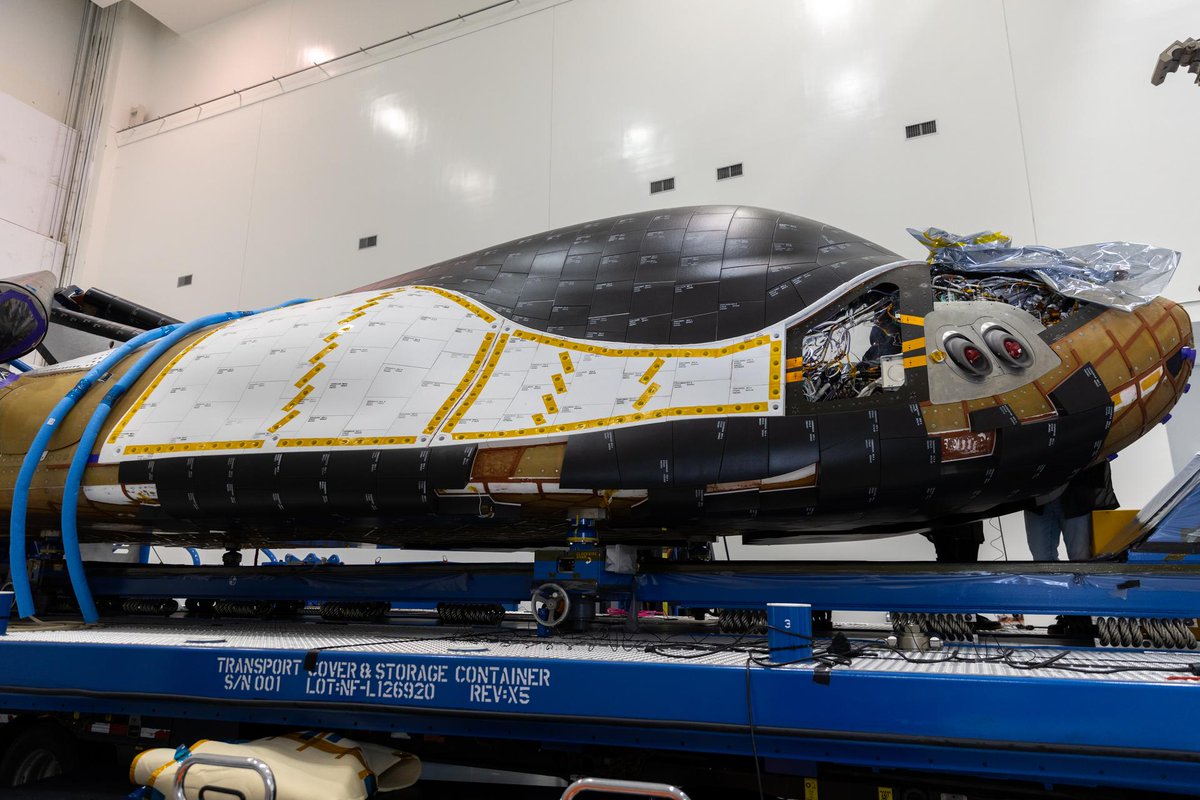
The spaceplane has arrived!
@SierraSpaceCo's Dream Chaser spaceplane, named Tenacity, has arrived from @NASAArmstrong. Tenacity will undergo final testing and prelaunch processing at the SSPF ahead of its first flight to @Space_Station.
More: https://t.co/01QeNKrQns
Happy #SunDay! This week’s (totally nuts) space weather report includes:
· 52 M-class flares
· 9(!) X-class flares
· 45 coronal mass ejections
· 4(!) geomagnetic storms
This video from NASA’s Solar Dynamics Observatory shows the week’s activity. Never a dull moment!
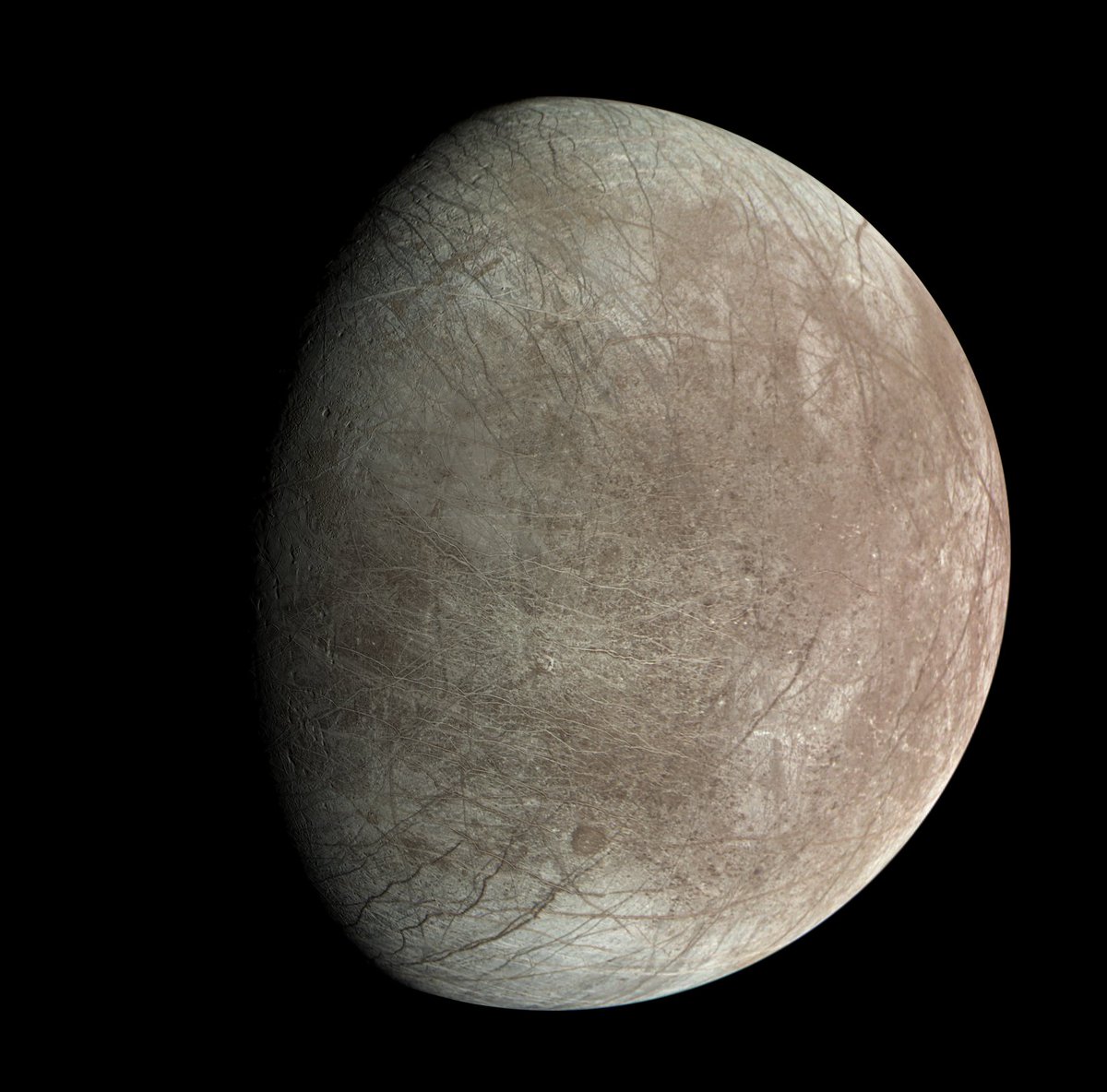
High-definition images from the #JunoMission suggest that Europa’s outer ice shell is essentially free-floating.
Other images reveal signs of potential previous plume activity on Jupiter's ocean moon. See the images and dive into the findings: https://t.co/S19bqI3t5v