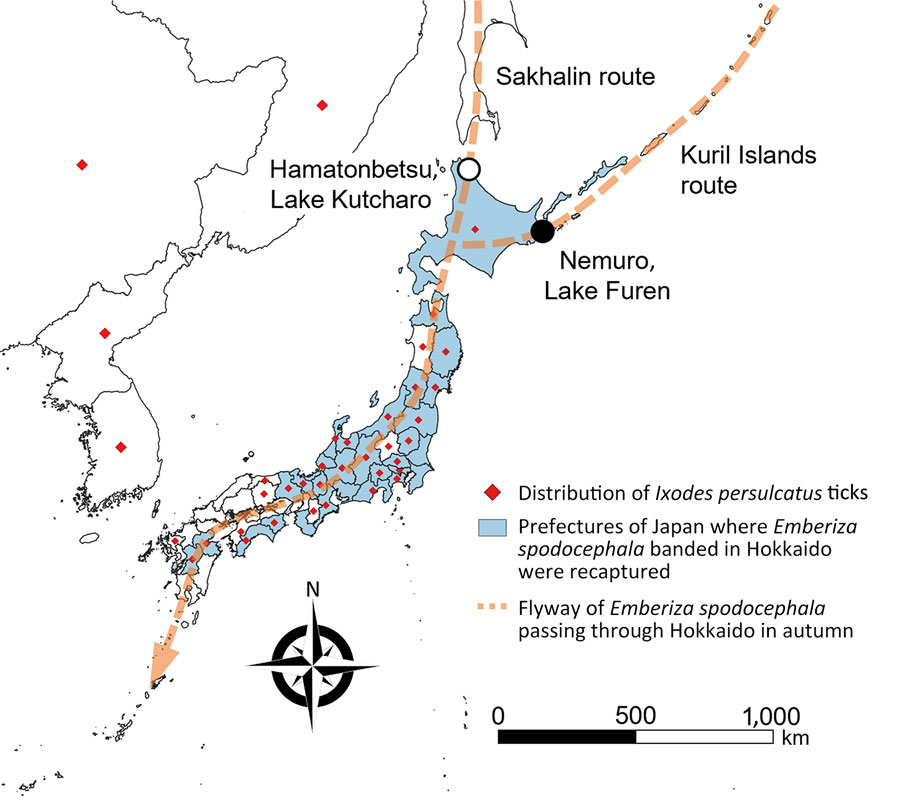
#YezoVirus was detected in I. persulcatus ticks from migratory birds in Hokkaido, Japan, suggesting that Yezo virus might be carried by migratory birds from other countries to Japan and from Hokkaido to other prefectures in Japan.
https://t.co/tG3fXVkvjt
We are running a massive online open course on AMR databases starting end of the month. Its completely free, study at your own pace and its ~15 hours overall over the 3 weeks (although you can finish any time in a year). Please spread in your networks! https://t.co/n6LU8VDeTw
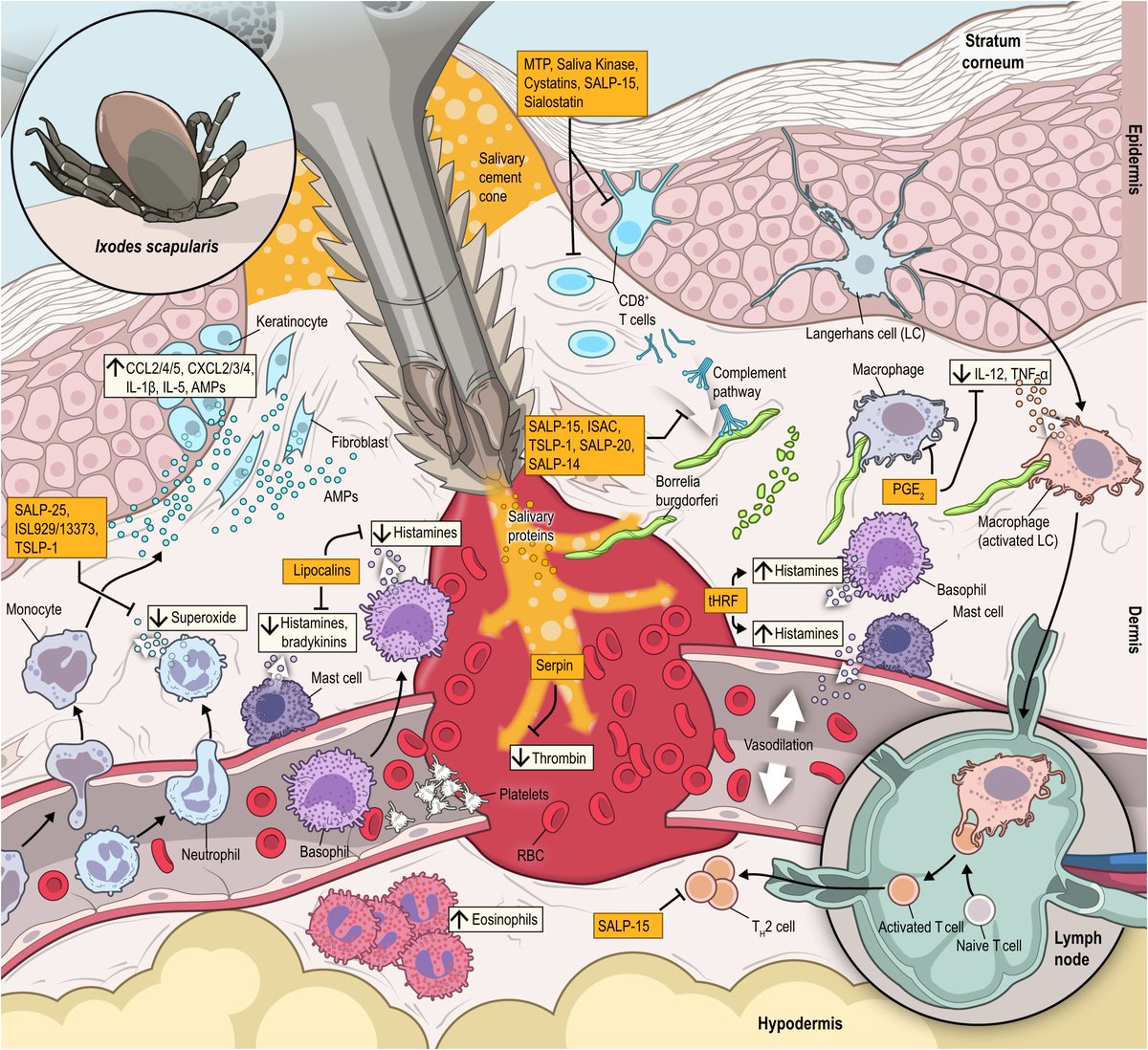
Borrelia burgdorferi is unusual.
The cause of Lyme disease, this bacterium has unique attributes that have prompted its emergence as an atypical model system. In #JBacteriology, researchers summarize 50 years of research on this fastidious microbe:
🔗 https://t.co/20TdiMU3i9
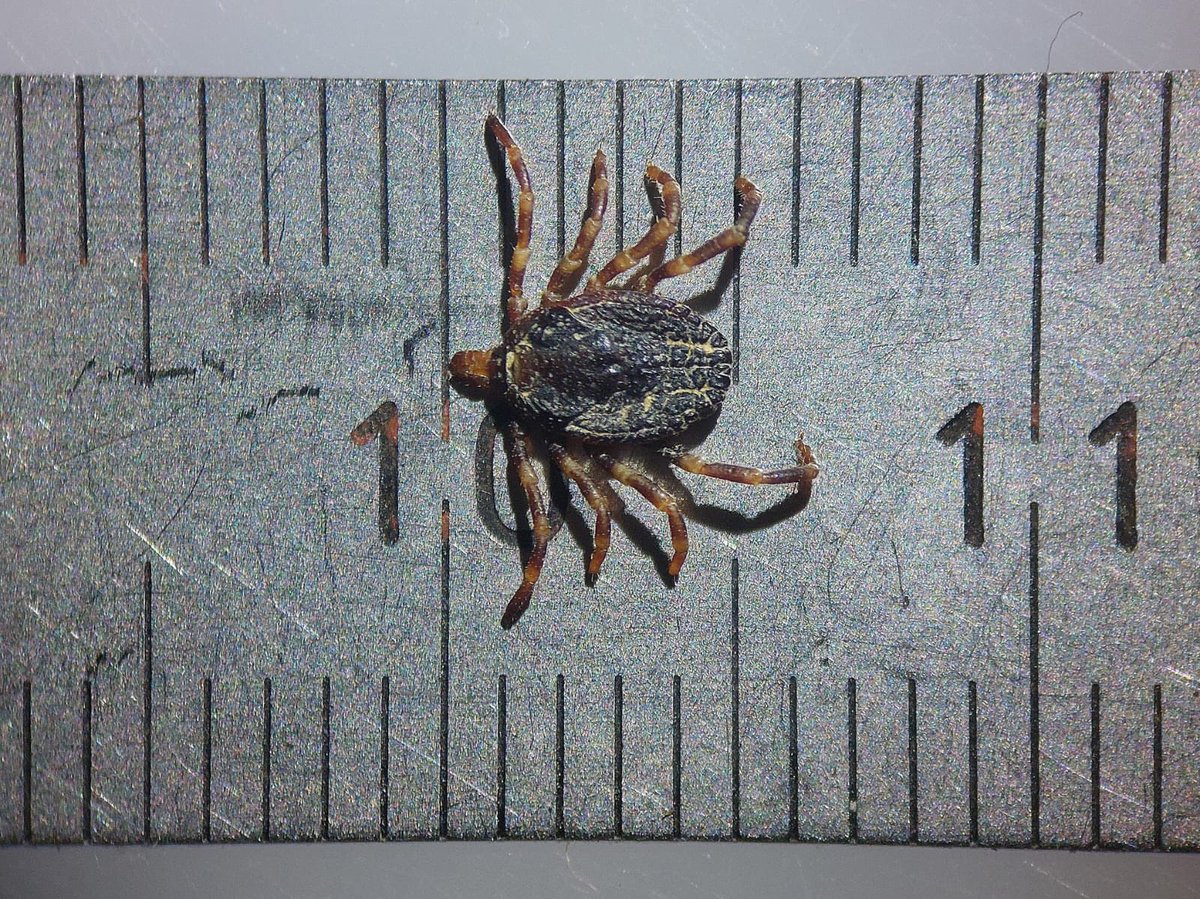
Wondering why Hyalomma adults quest on trees? Ungulates (deer, wildboar) like to rub over the tree, then grasping adults. Most probably engorged nymphs molt in the ground, then newly molted adults climb the tree.
This is Hyalomma lusitanicum in a sidewalk of Barcelona, behind @desinsectador. He calculated the tick was running at 0.24 km/h. In a second, it runs 11 times its length. Like a car of 5 meters running at 198 km/h. https://t.co/Ugcj8E6JZo (Spanish)
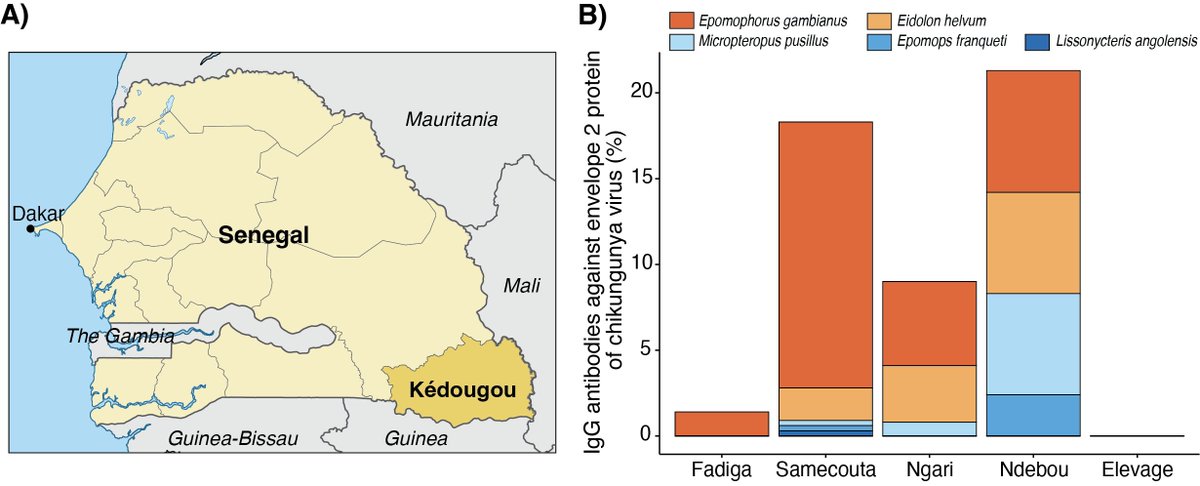
We found that 13.3% of fruit bats had been exposed to the chikungunya virus prior to an outbreak in Kédougou, Senegal, in 2023, with the highest rates found in Eidolon helvum and Epomophorus gambianus. 🦟🦠🦇🇸🇳
Thanks:
Read: https://t.co/RULt0xp1vg
NCBI is making improvements to our Taxonomy resource in response to new data and changes in biological nomenclature and classification. We will update the higher-level classification of birds, budding yeasts, prokaryotes, and viruses. Learn more: https://t.co/r4kvfPqLK9
SmidgION, capable of generating more sequence data in a few days than existed in entire world at the turn of the century, resting on my pinkie
#nanoporeconf
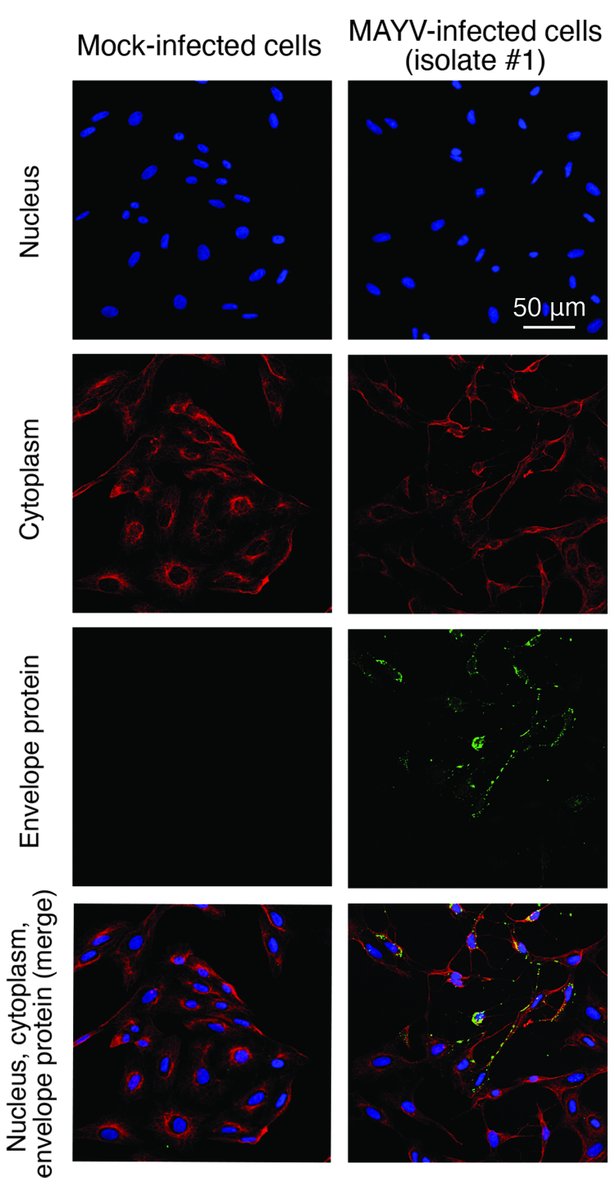
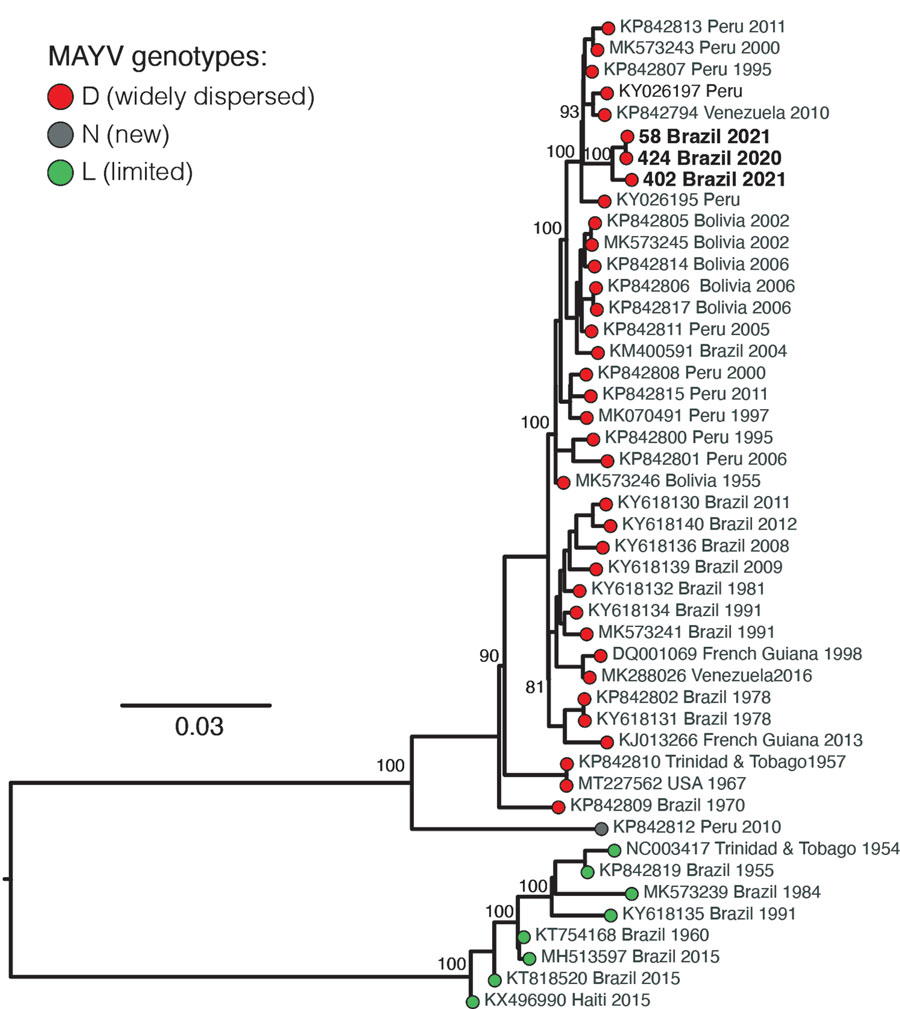
Mayaro virus found in 3.4% of febrile patients in Roraima, Brazil (2018-2021)! In our study at @EIDjournal we detected, sequenced, and isolated the Mayaro virus & confirmed genotype D.
Led by Júlia Forato and @LeveUnicamp team. 🦟🦠🇧🇷
Read: https://t.co/2Fjdg6dQvT
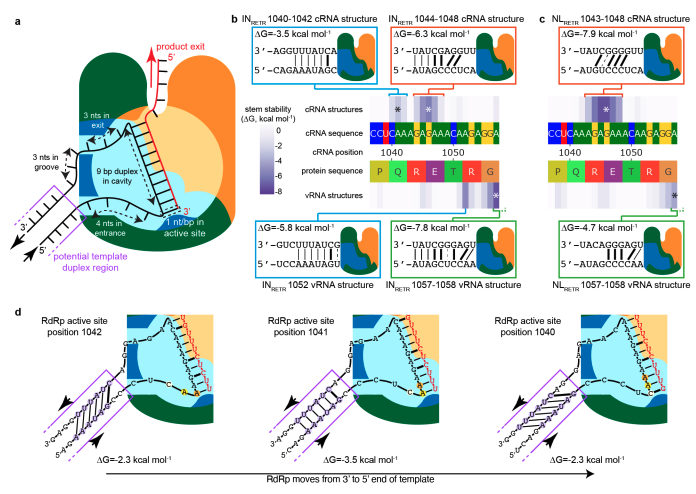
How do viruses go from LPAI to HPAI? The RNA structure use to trap polymerase drives insertions into the cleavage site. Insertion frequencies strongly affected by substitutions in flanking regions. Big implications of this study!!!
👉https://t.co/WhbRt5AFDE