Behavioural and cultural insights (BCI) can help prevent antimicrobial resistrance (AMR). Looking forward to address this pressing global issue at tomorrow’s 16th @NDPHSorgAnnual Conference. #BCI#AMR 👇
https://t.co/5ONykYqZ8x
Thrilled to join the @reactgroup workshop today, exploring community engagement strategies to tackle #AMR! I’ll be sharing insights on @WHO_Europe’s Behavioural and Cultural Insights approach — a key tool in addressing AMR together.
👉 https://t.co/kkq1GVuNV9
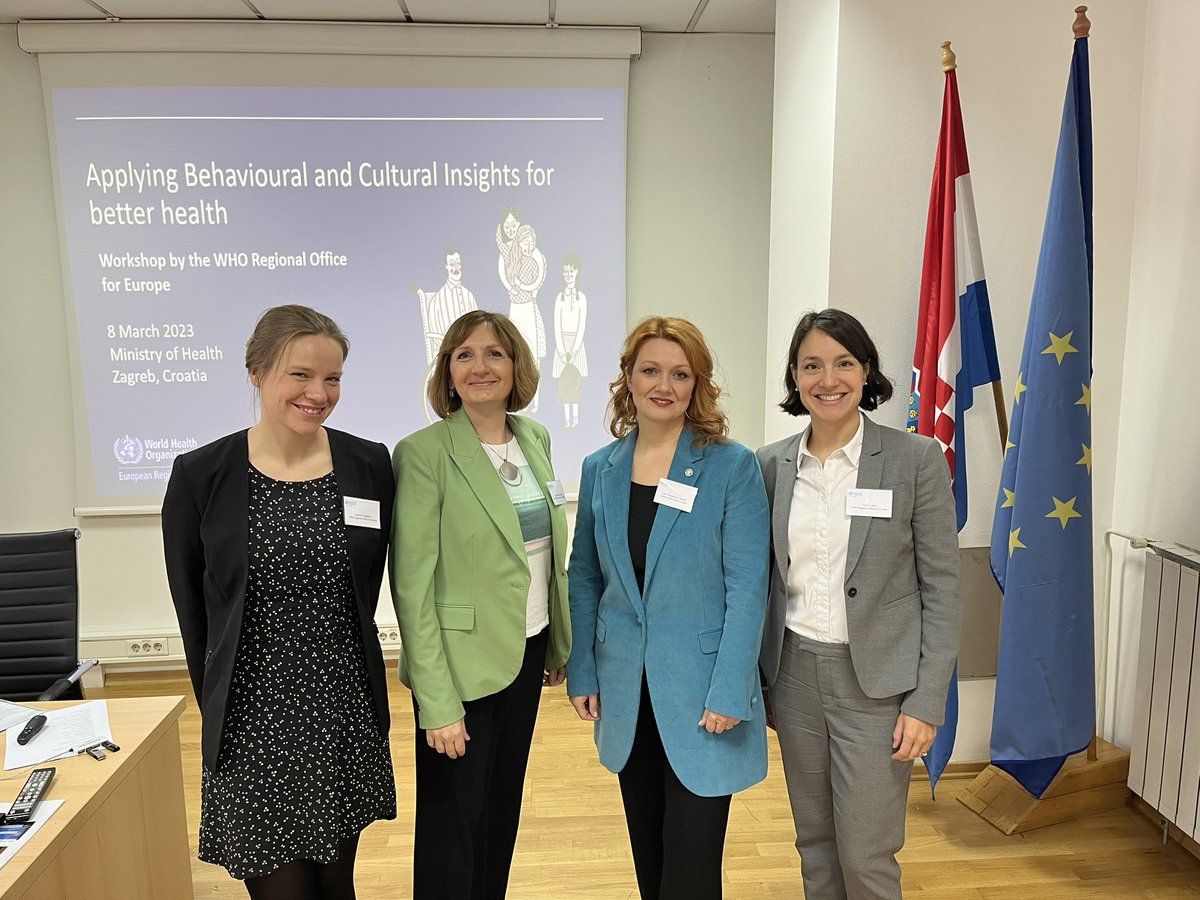
Behavioural sciences are gathering speed @WHO_Europe. Last week 100+ participants met to discuss how we can use science and understanding people and communities to advance health. Thank you to @hans_kluge @RobbButler2 @HabersaatKB for your leadership and energy!
Behaviours are at the heart of most public health challenges we face today.
I’m delighted that behavioural & cultural insights experts are diving into these issues this week at our inaugural BCI Regional Meeting to find innovative and pragmatic ideas to address them.
#BCIWHO23
The global resolution on behavioural sciences for health is such a wonderful milestone - and great to see the interest in our guidance on setting up units and capacity in health authorities!
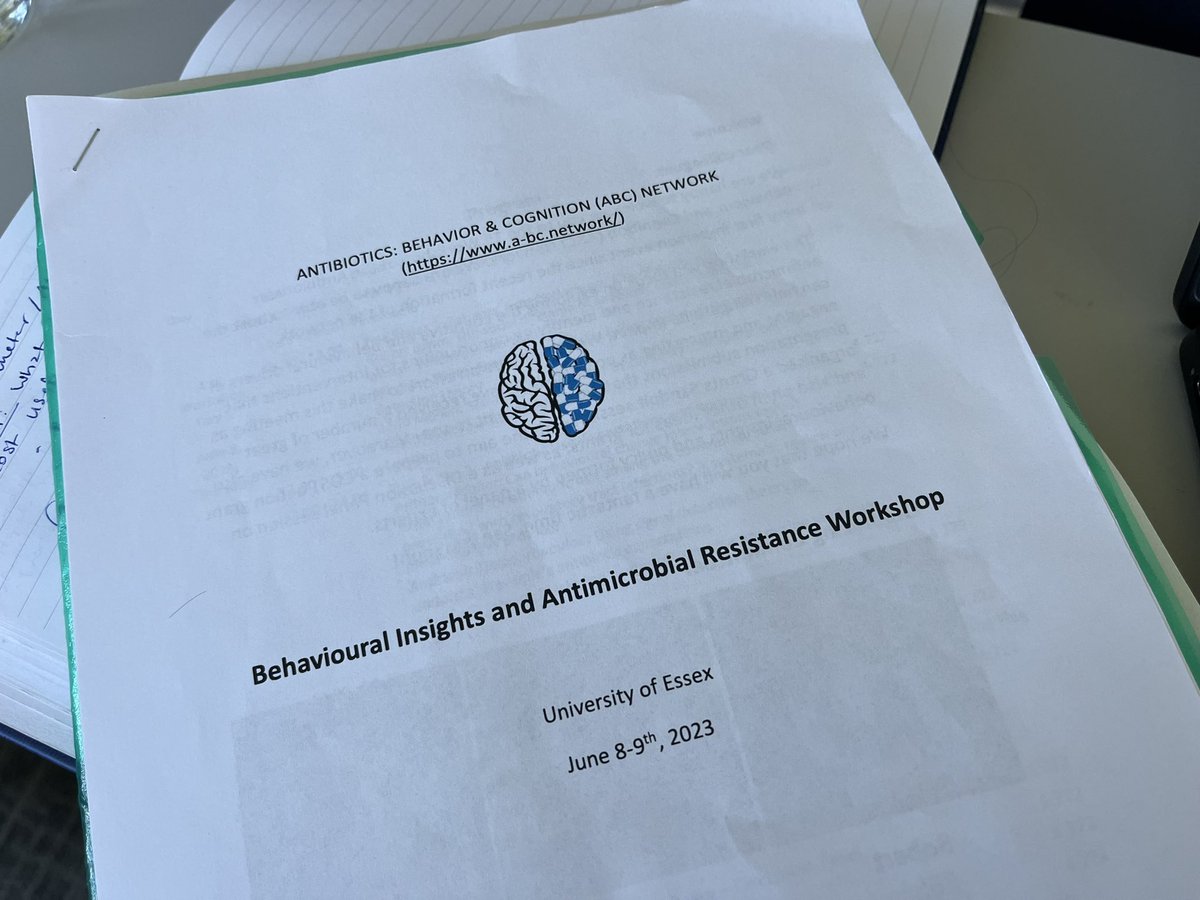
“Diagnostic uncertainty and perceived utility drive intentions to request unnecessary antibiotics” - great start by @miroslavsirota to the #behaviouralinsights and #AMR workshop. Also fantastic work by @robert_bohm on prosocial behaviour - many parallels with #ClimateCrisis
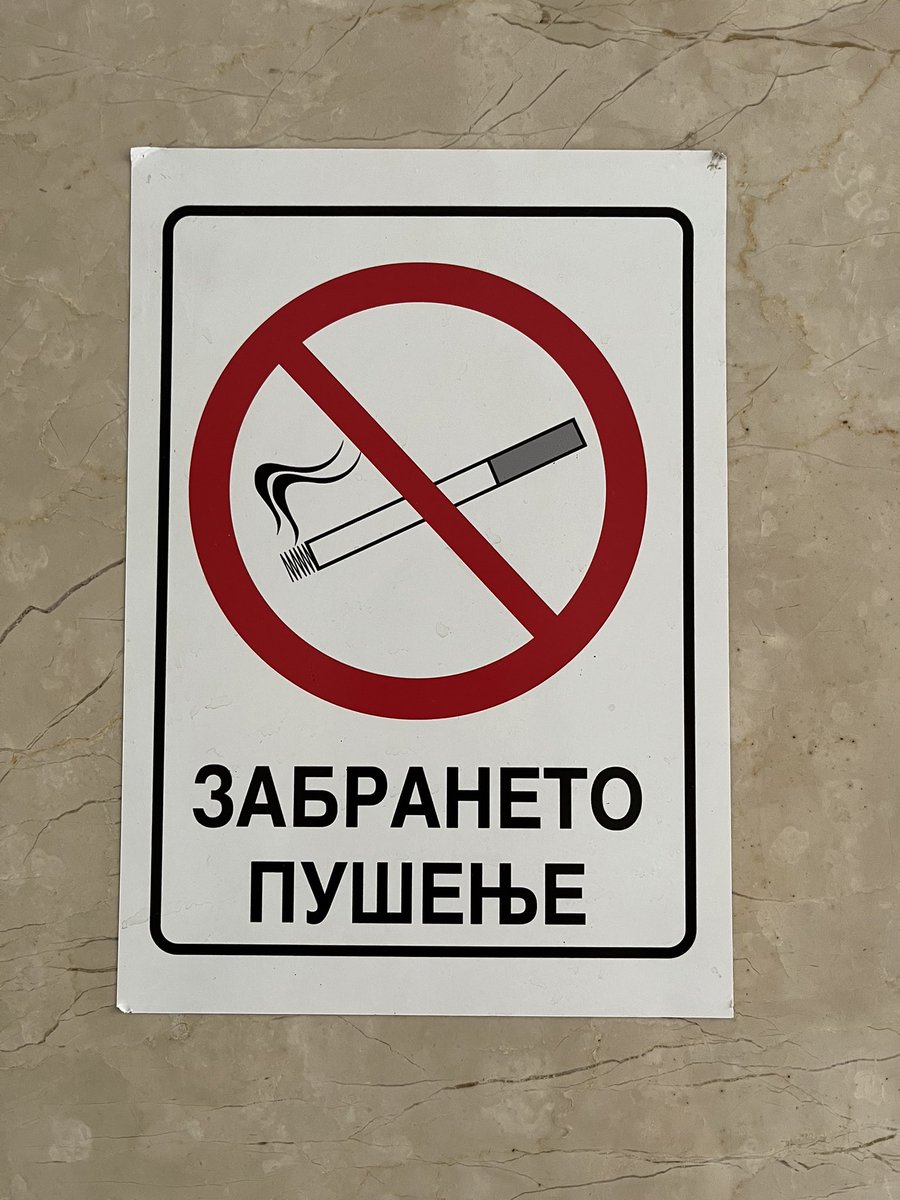
50% of smokers die from smoking. Almost 50% of adults in North Macedonia smoke. Great to join the discussion in Skopje today of Behavioural and Cultural Insights studies @WHO_Europe conducted with national partners to understand barriers and drivers to #smoking.
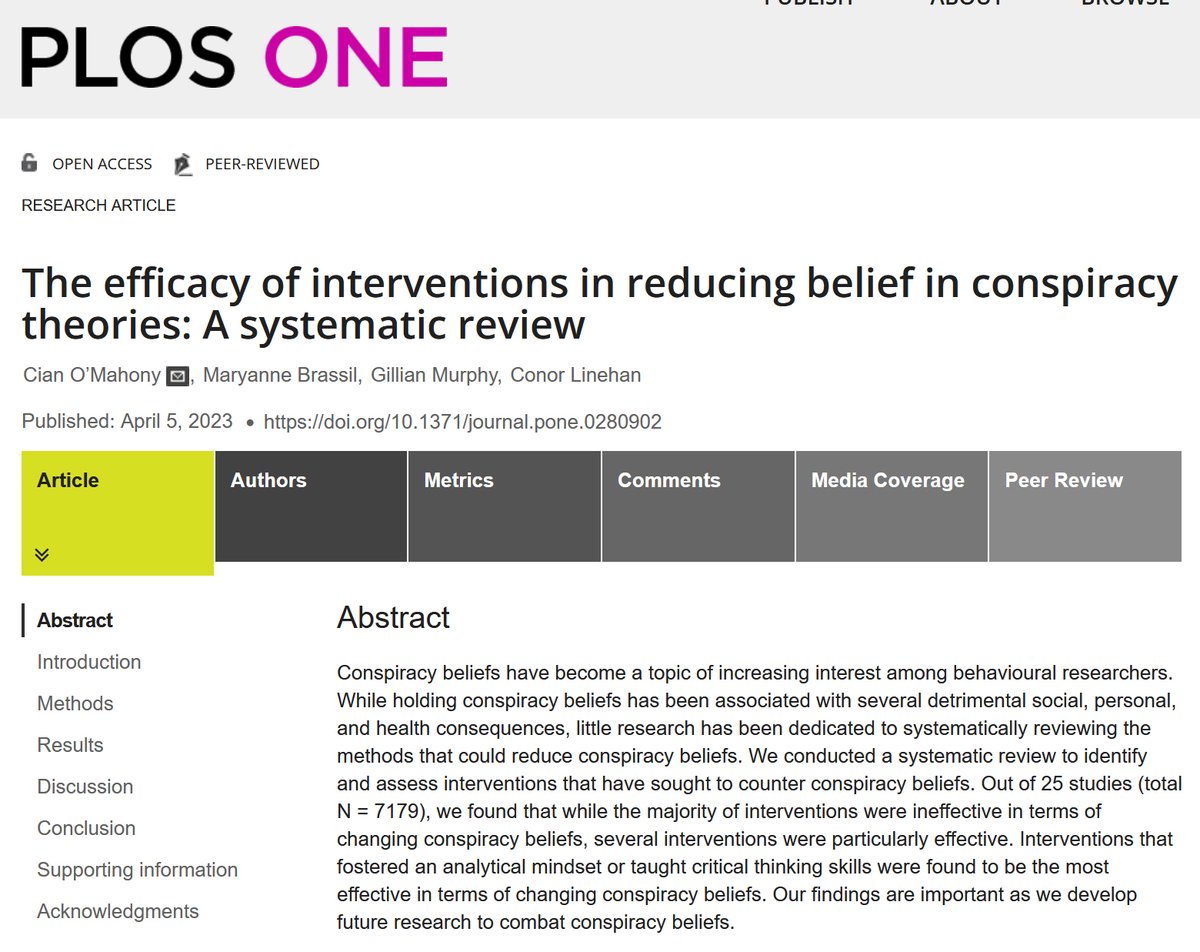
With false claims, debunking is less effective than prebunking.
25 studies: rebuttals and fact checks don't do much to change minds. We're better off training people to spot flaws in logic and data.
The most important part of education is teaching critical thinking skills.
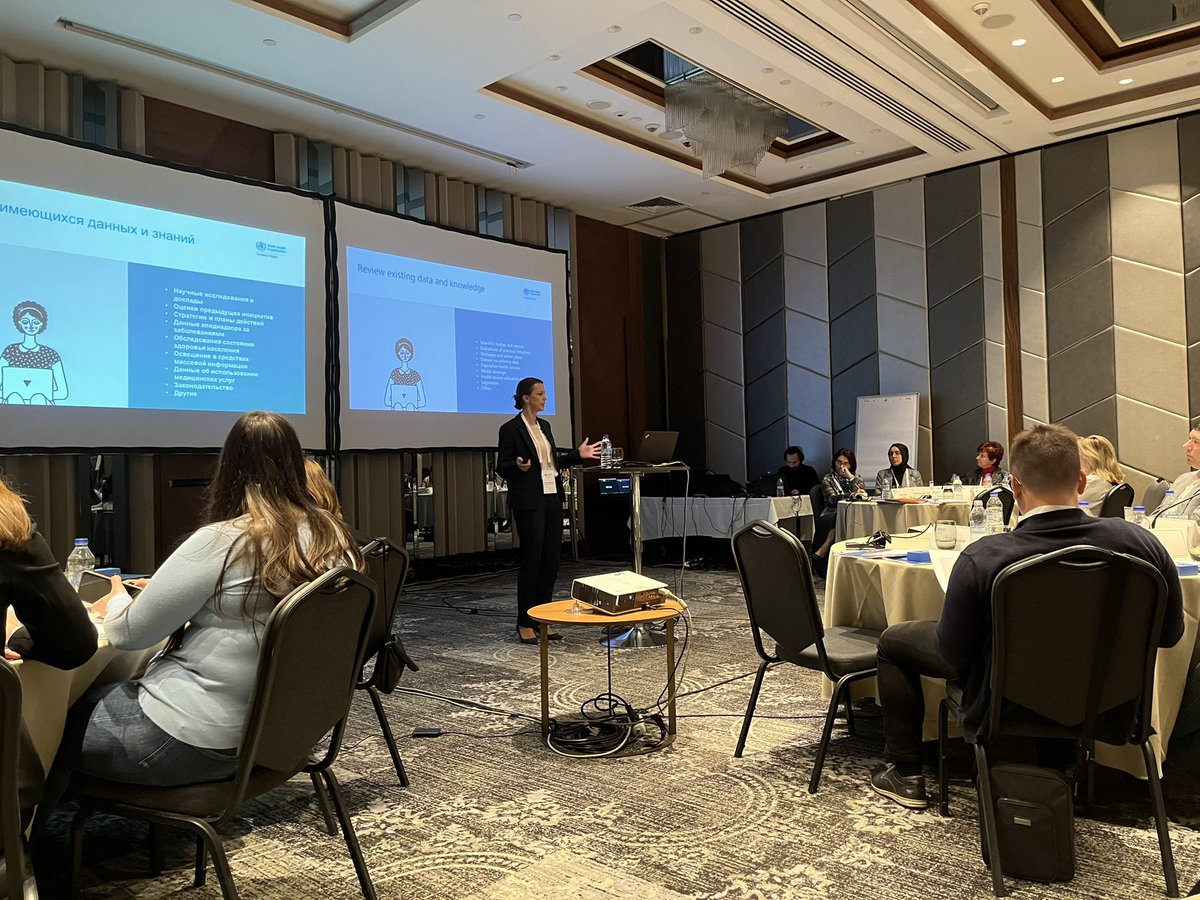
How can #publichealth authorities establish #behavioural and #cultural insights units and structures? Looking forward to reflecting on this topic at the @ECDC_EU summer school today! https://t.co/1iVSHXVON9 #BCI
Excited to be attending the ‘Communications to Maintain Trust’ training for the Pan-European Leadership Academy here at @WHO_Europe together with public health leaders from the Region today
How can behavioural & social sciences, & the health humanities help combat health challenges from vaccine uptake to antimicrobial resistance & non-communicable disease risk factors, like obesity or tobacco use?
Find out from our discussion w/ @SaadOmer3👇 https://t.co/xITYpi7OKx
A pleasure to speak about the role of Behavioural and Cultural insights at the launch of the new @WHO_Europe toolkit on integrated brief interventions for non-communicable disease risk factors in primary care. @KremlinKW@melittajakab @RobbButler2 https://t.co/vdAxgmwZJL
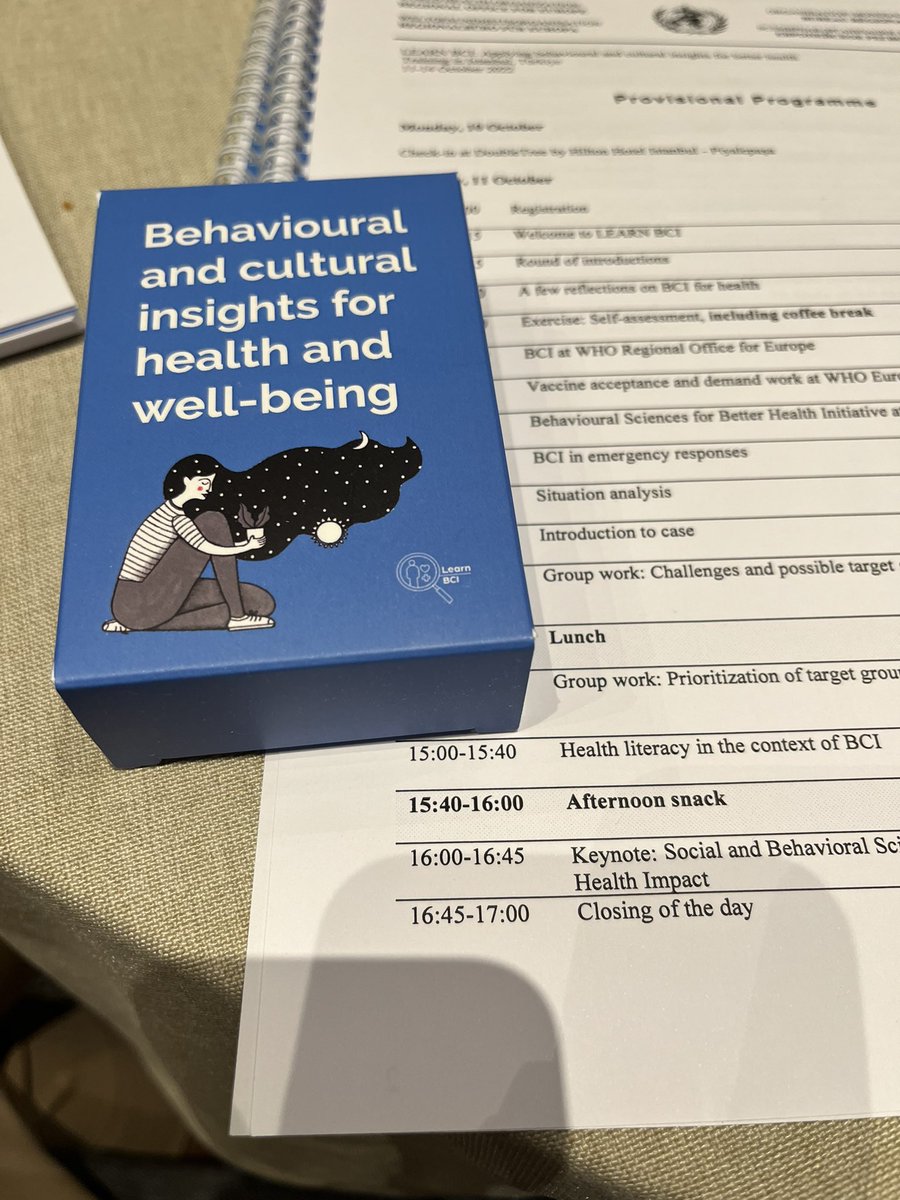
Very excited we’re kicking off today the Behavioural and Cultural Insights training course by @WHO_Europe in Istanbul, with participants from 15 Member States. Looking forward to the next 4 days! #behaviouralscience@HabersaatKB@ElenaAltieri
Get ready to join our session on applying Behavioural and Cultural Insights #BCI for health at #RC72TLV!
10 Member States are co-sponsoring the resolution and will share examples from their work.
🔴📽️Watch the live stream here
🔽
https://t.co/ZC6rjZ7pg2
#RC72TLV
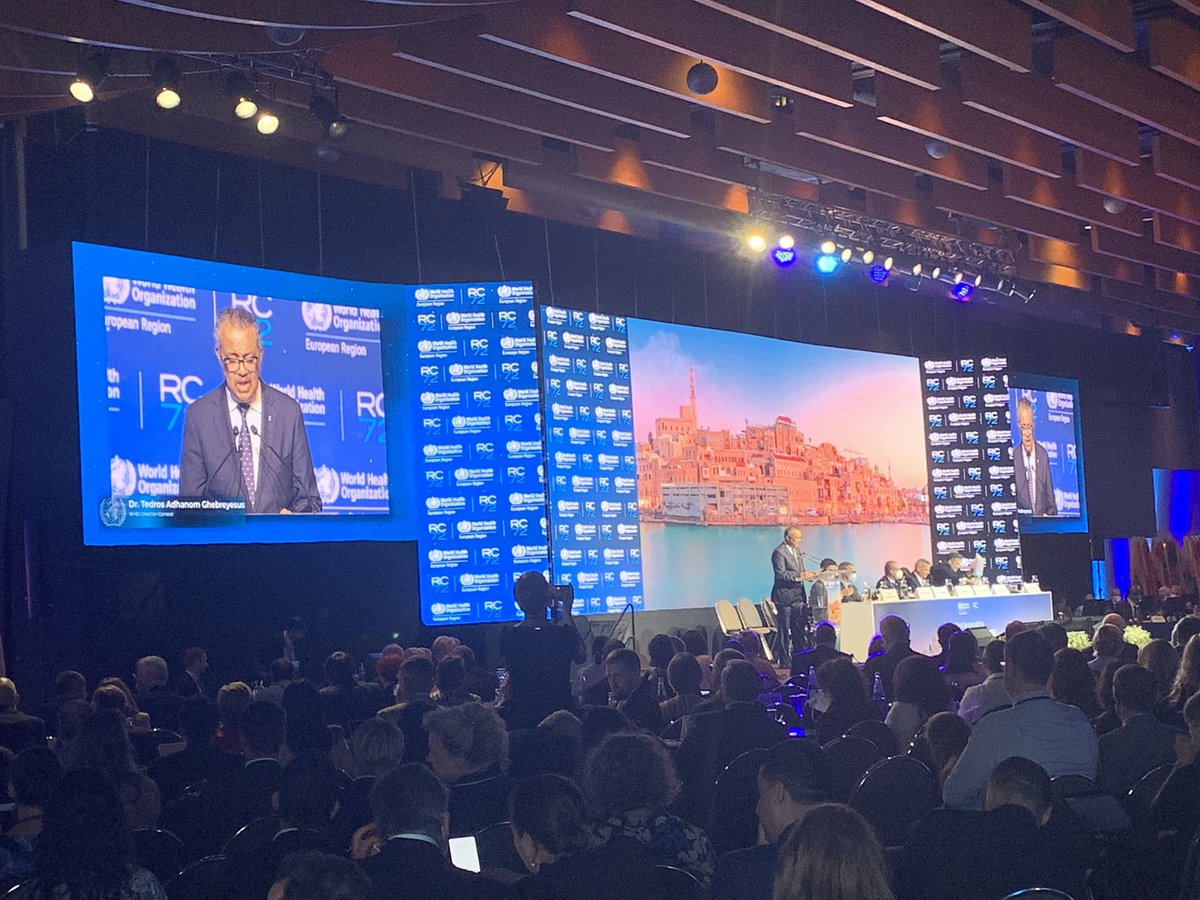
@DrTedros highlights the importance of Behavioural and Cultural Insights for health at #rc72tlv So much scope to advance this work in the 53 Member States of the WHO European Region. Thank you @hans_kluge for your leadership!
One of many great examples of using Behavioural and Cultural Insights included in the WHO/Europe collection of case examples at #RC72TLV: https://t.co/BtMOAbALNr