@michael_wiebe@3Sentinel4 Ongoing debate here though on High/compact vs low/extensive infill. Will be interesting to see if both/and further improves outcomes. https://t.co/dfGW2ezbZj
@michael_wiebe@3Sentinel4 [75% resident] Absolutely it is this. Overly compact upzoning defeats the objective. If you want actual housing rather than theoretical housing, enabling land market competition matters. It also fits AKL supply chain capacity- lots of small developers, few apartment developers
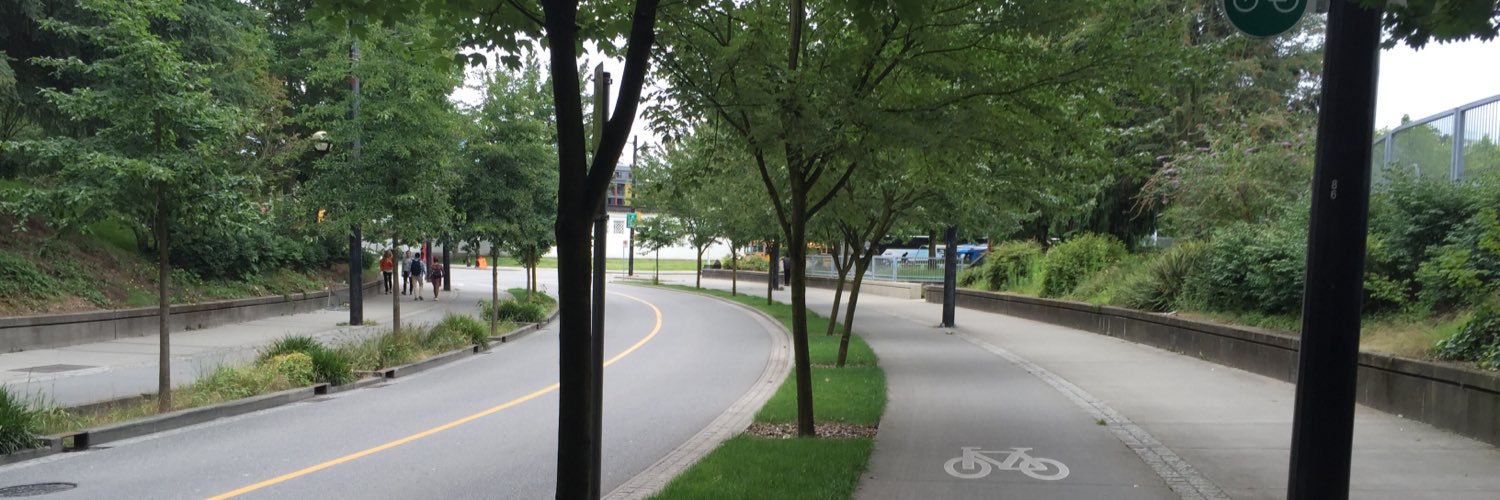
@IbrProgram Infrastructure is a way to force your grandchildren to live by your values even after you’re gone.
We’re car dependent in the US because that’s what our grandparents lovingly built for us.
What if we wanted our grandchildren to have choices?
First step: stop predicting! 9/
#BusNews: Works on Westgate Bus Station are nearing completion with most of the major site works completed and only a few minor work sites remaining.
Crews are currently planting the landscaping, fitting wall covers, installing glass and poring footpaths.
I think building setback rules may be the single most perverse idea we’ve adopted in this country — high compliance costs and no benefit whatsoever.
You go to any normal old neighborhood and the buildings are flush with the sidewalk and it’s fine.
In design, this will be remembered as the colorless era: cars, buildings, movies, the chroma is being sucked out of everything. But of course the pendulum will eventually swing back, and then colorlessness will seem dated.
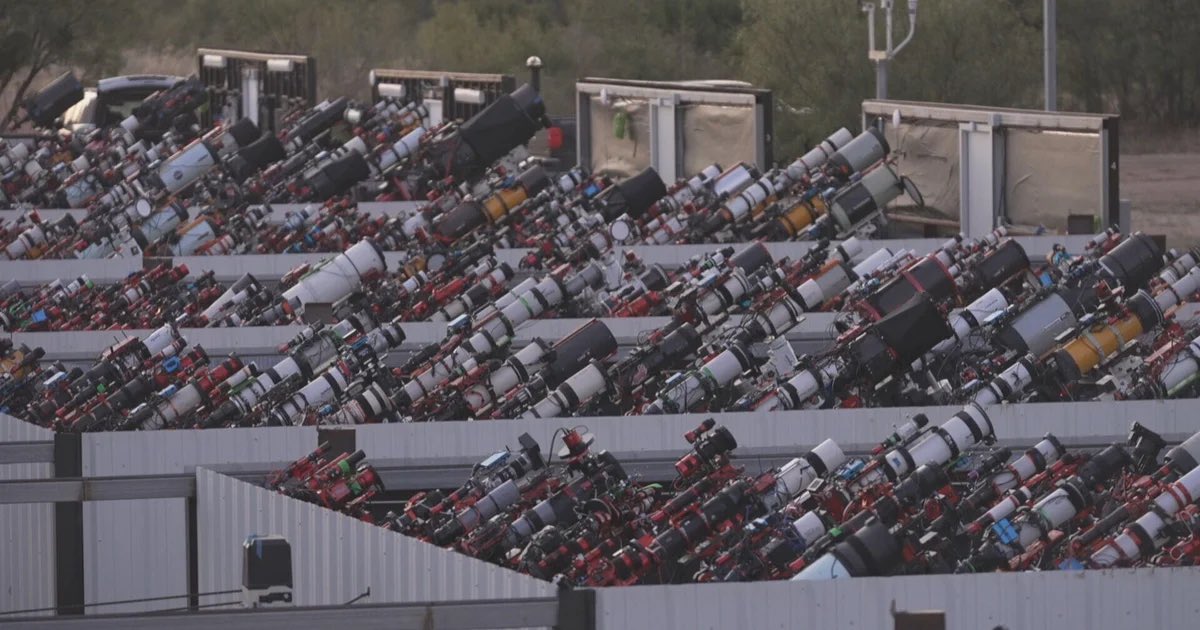
Just learned about the concept of a “telescope ranch” in Texas.
People pay to have their $10,000+ telescope rigs set up in the middle of TX to avoid light pollution.
Every night the roof rolls back off the warehouses.
Then you can remote in to your telescope and use it from anywhere in the world.
The great British heatwave is underway. The supermarket is packed. The sausage aisle is busier than a nightclub on New Year’s Eve. One man has no top on. A woman just said “How about some kebabs on sticks? Will they do?” A chap just muttered “mustn’t forget coleslaw”. Someone else simply shouted “BUNS!”
It’s all go.
More recently, in the first half of the twentieth century, as much as 20% of the urban population of big US cities lived in units—from cheap SROs to luxury hotels—without kitchens. They ate nearly all of their meals at cheap ¢5 lunch counters and cafeterias, including automats.