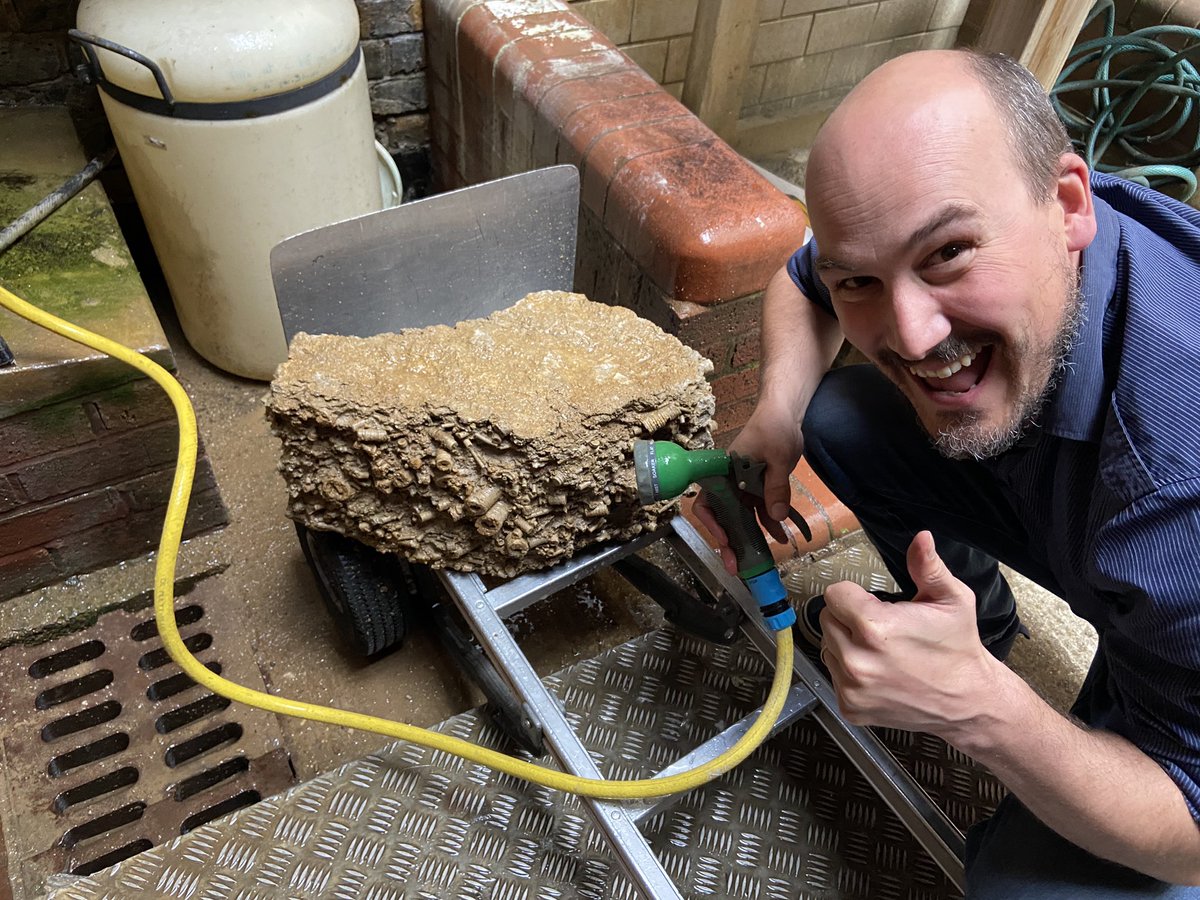
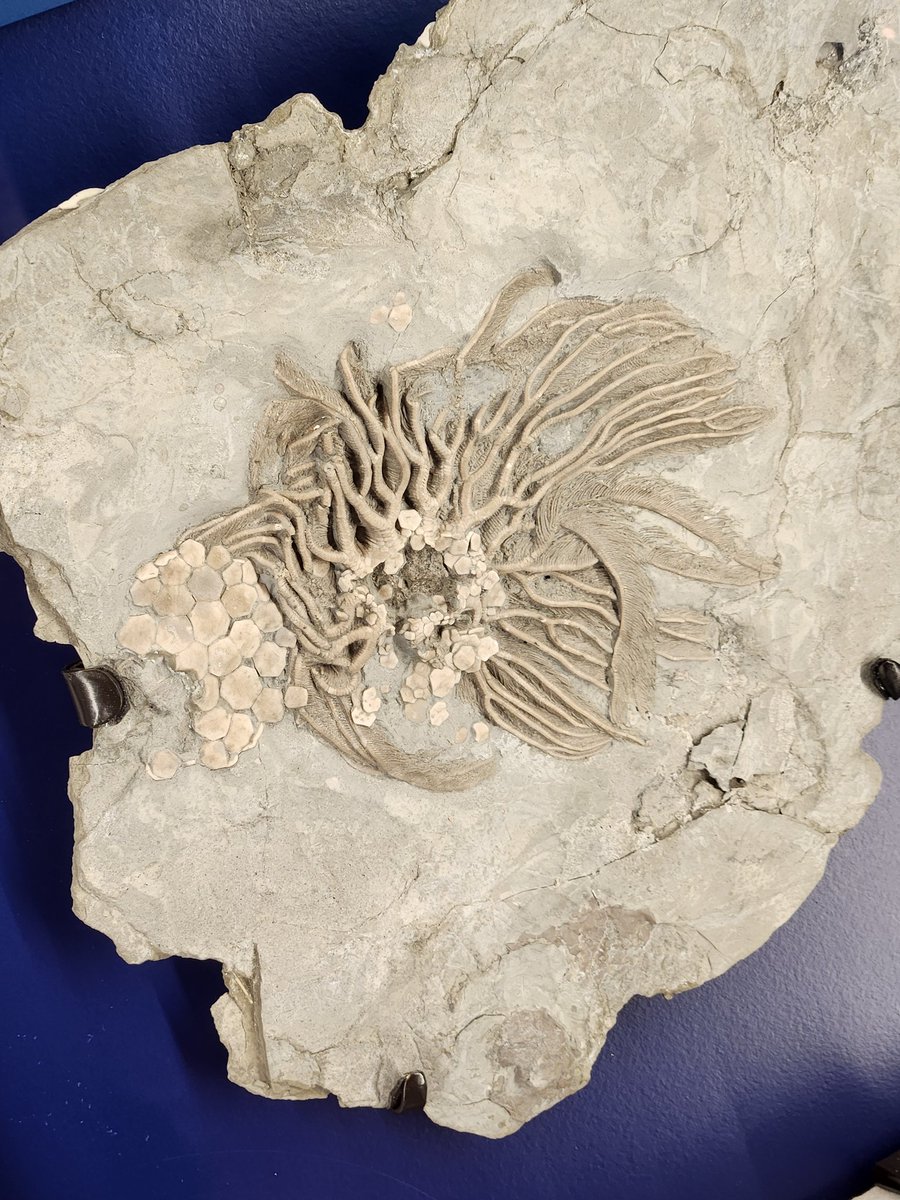
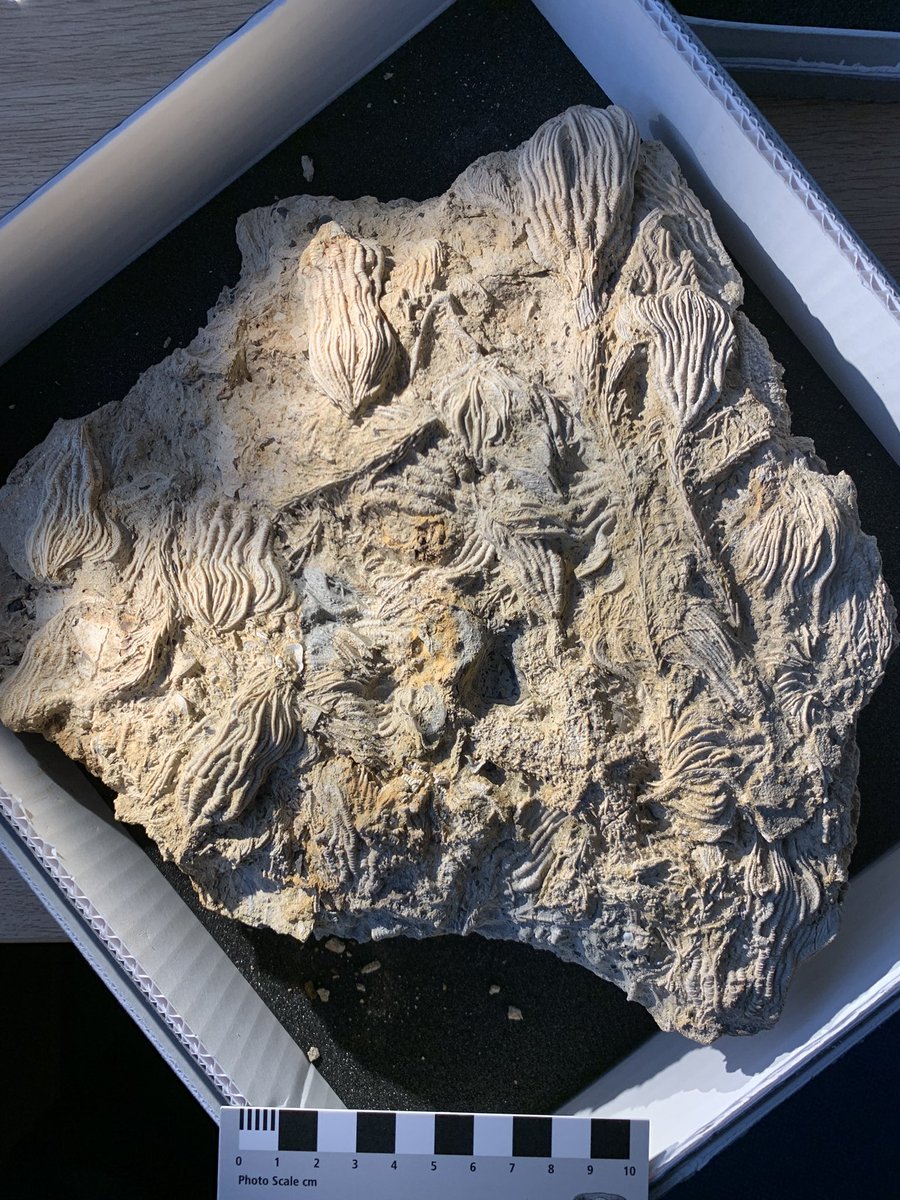
Happy curator washing a new, spectacular piece of crinoidal limestone from the Early Carboniferous/Mississippian (360million years old) of Derbyshire, UK. This will form part of the new garden displays at the NHM London. Check out these huge crinoid stems!
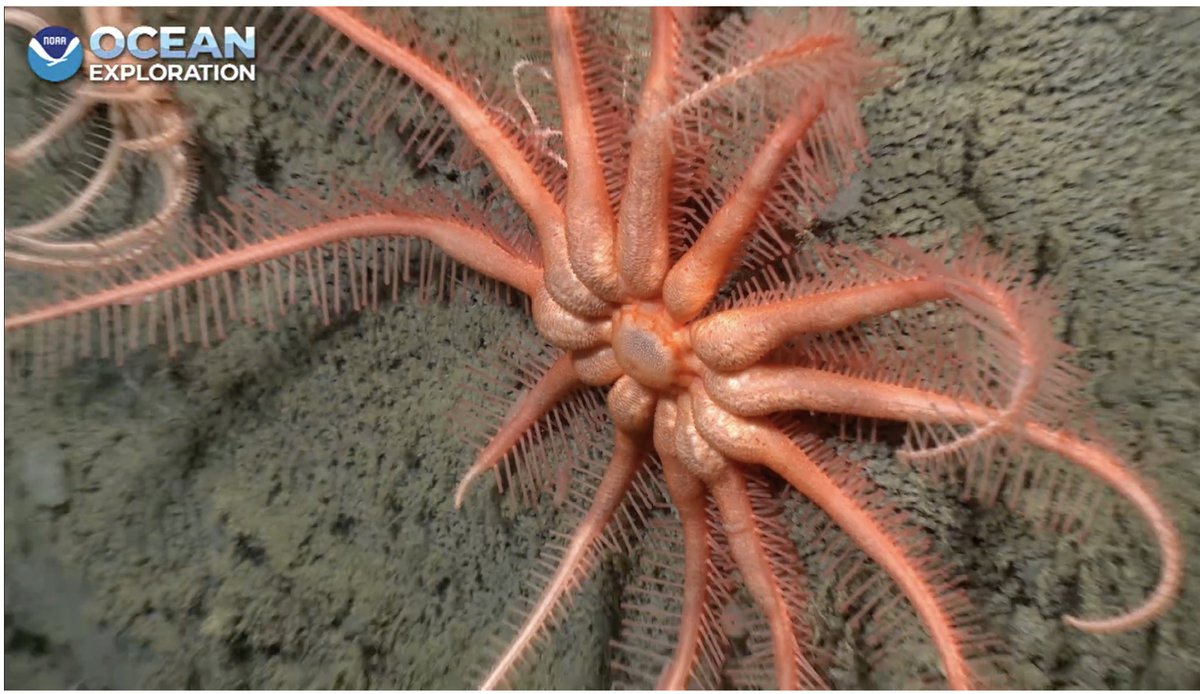
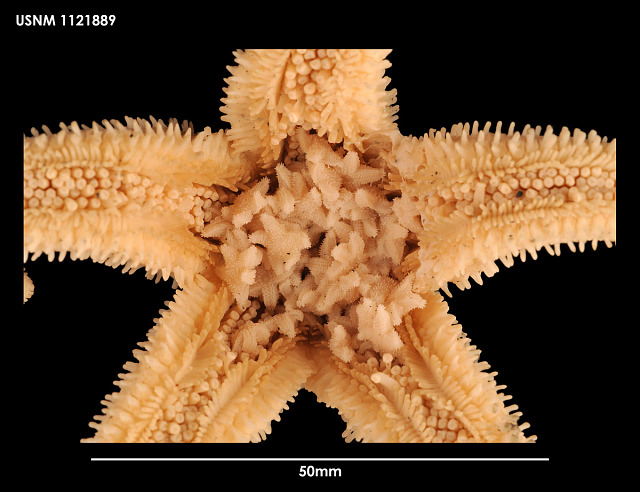
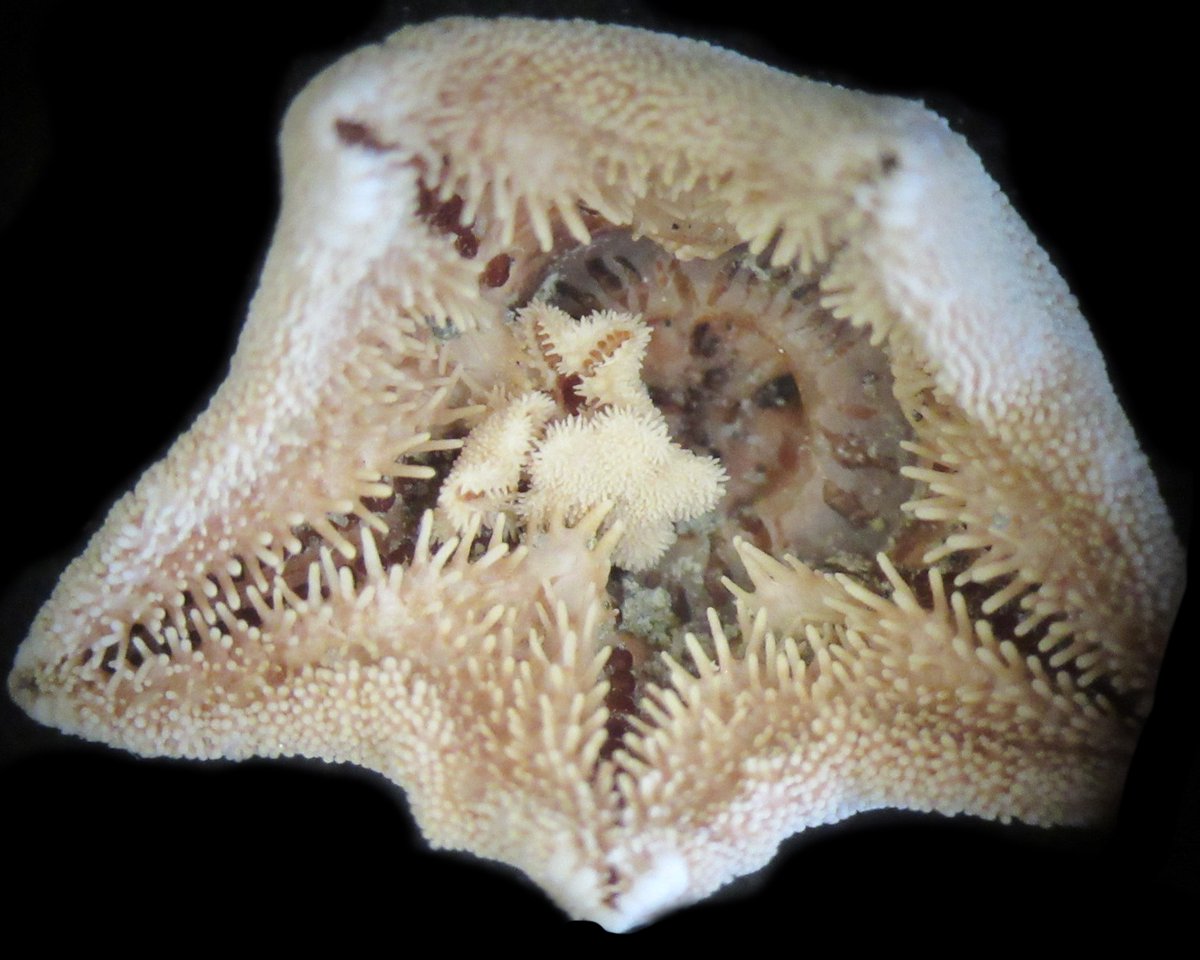
Starfish bearing young (brooding) is a CRAZY thing. Most species live around the Peninsular region. But there's like 5? 6? DIFFERENT lineages/groups that ALL brood in DIFFERENT WAYS. Young around mouth. Internal brooding. Brooding among arm spine baskets!
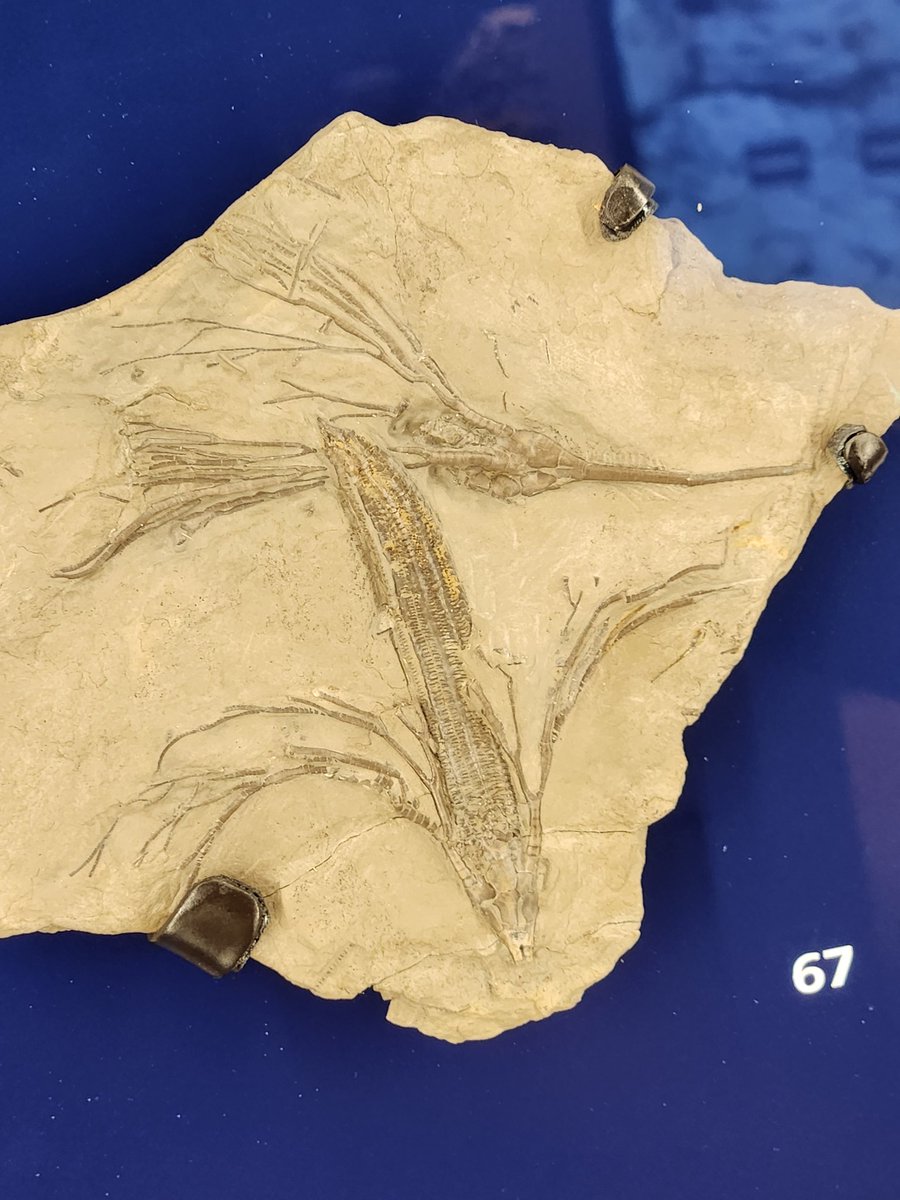
#fossilfriday More beautiful Wiltshire Middle Jurassic crinoids! Those lovely long stems are being used for an exciting research pilot study into biometrics and ecological tiering! Can you spot the starfish as well?! (Tip: look towards the bottom!)
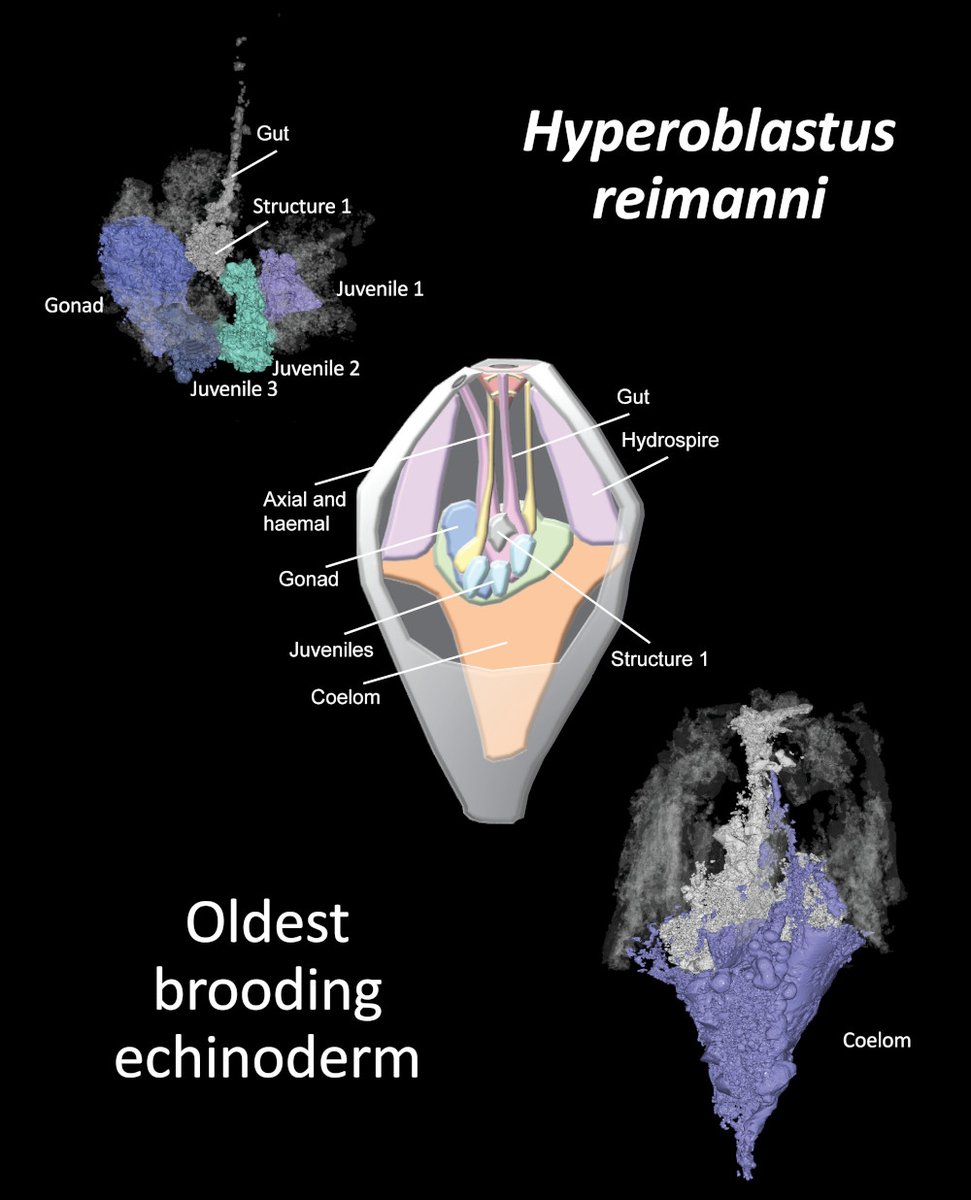
The oldest evidence of brooding in a Devonian blastoid - implications for the evolution of echinoderm reproductive strategies https://t.co/3mMbExpnbu https://t.co/O7JDLDSlHV @NidiaArmada @PaleoJB@Pentremites @VirtualPaleaeo @MorphoSource @wileyearthspace
Some stunning crinoids from Canada. The large tongue-shaped extension in the cream coloured specimen is a huge anal pyramid! This may also be where the gonads were located (hence large size) and differs from modern crinoids where they are located on the arms.
Assorted crinoids from the Royal Ontario Museum Dawn of Life gallery this #FossilFriday.
Despite being commonly called "sea lilies", crinoids are echinoderms (one of the more interesting groups I don't work on, which includes things like sea urchins).
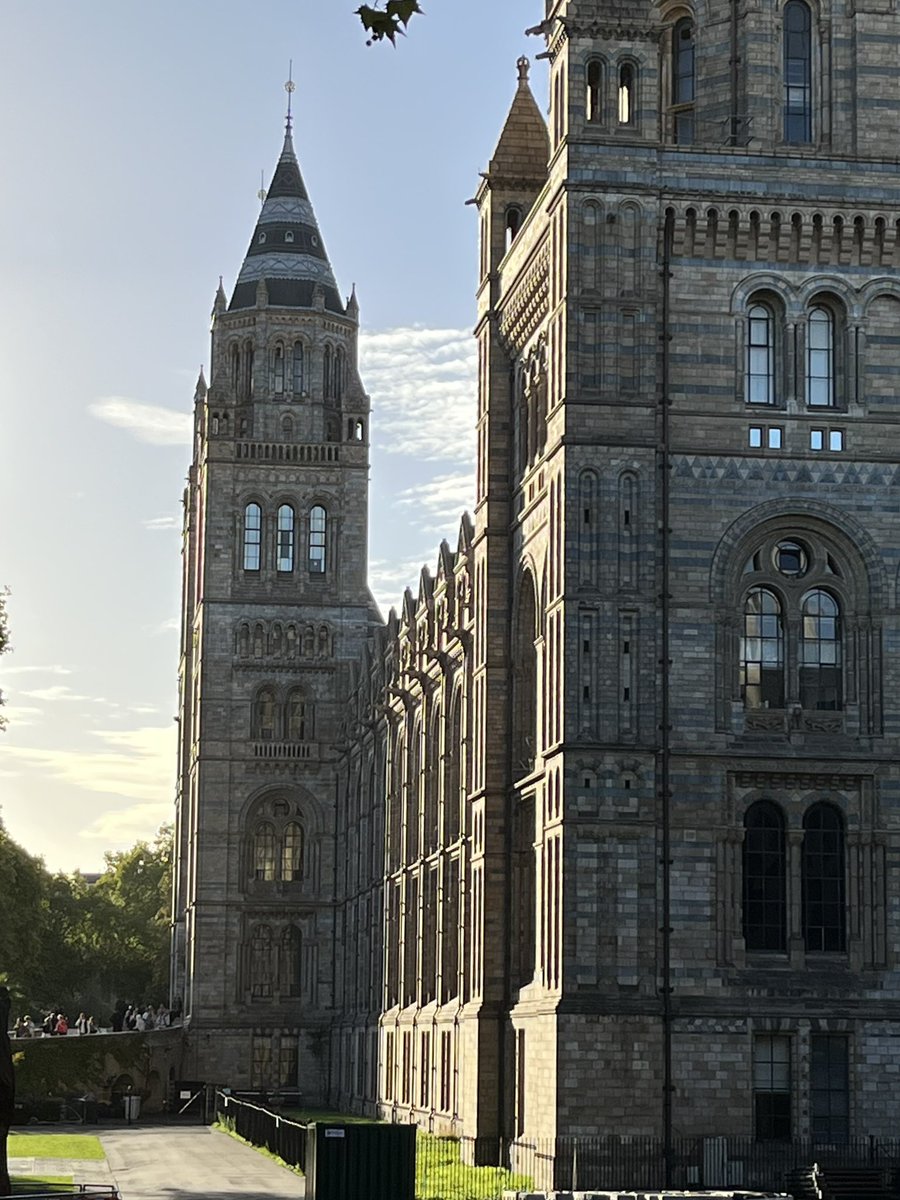
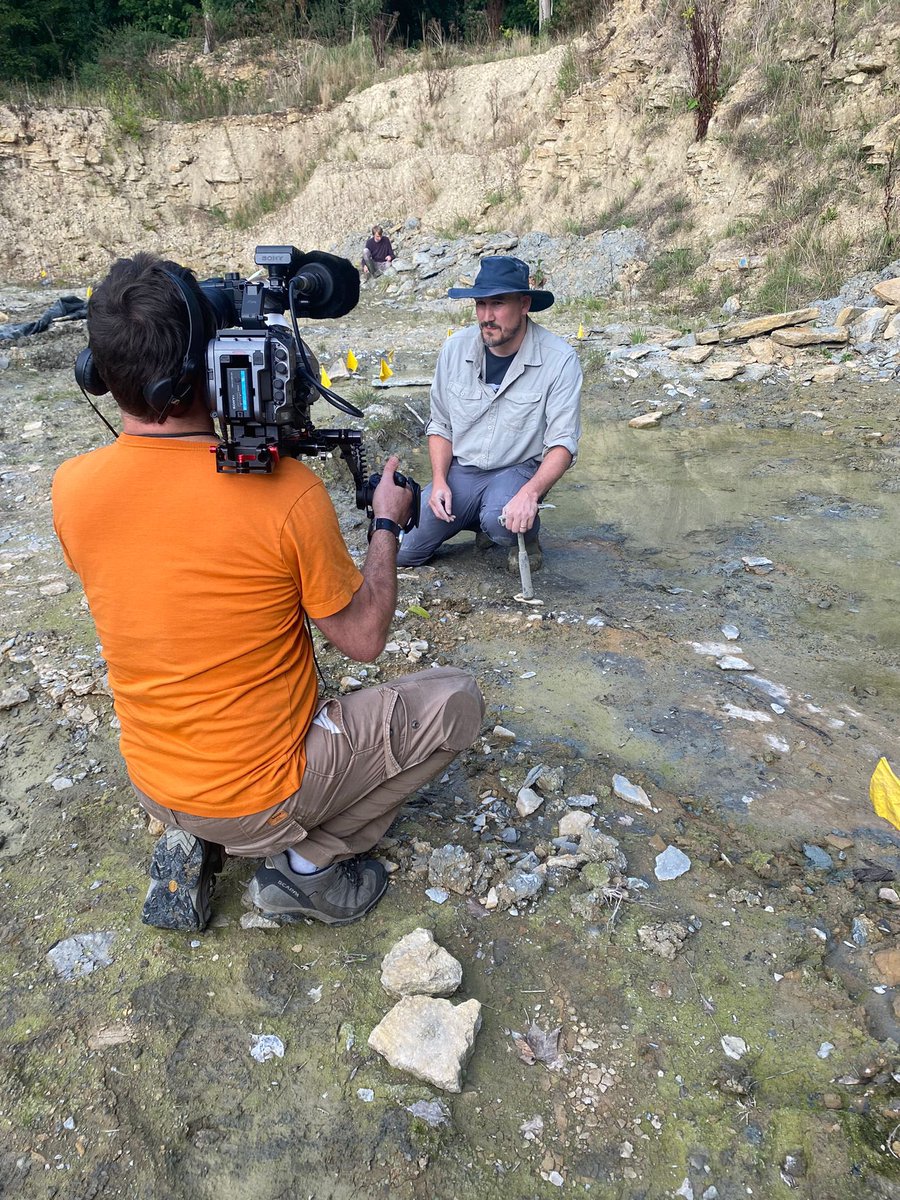
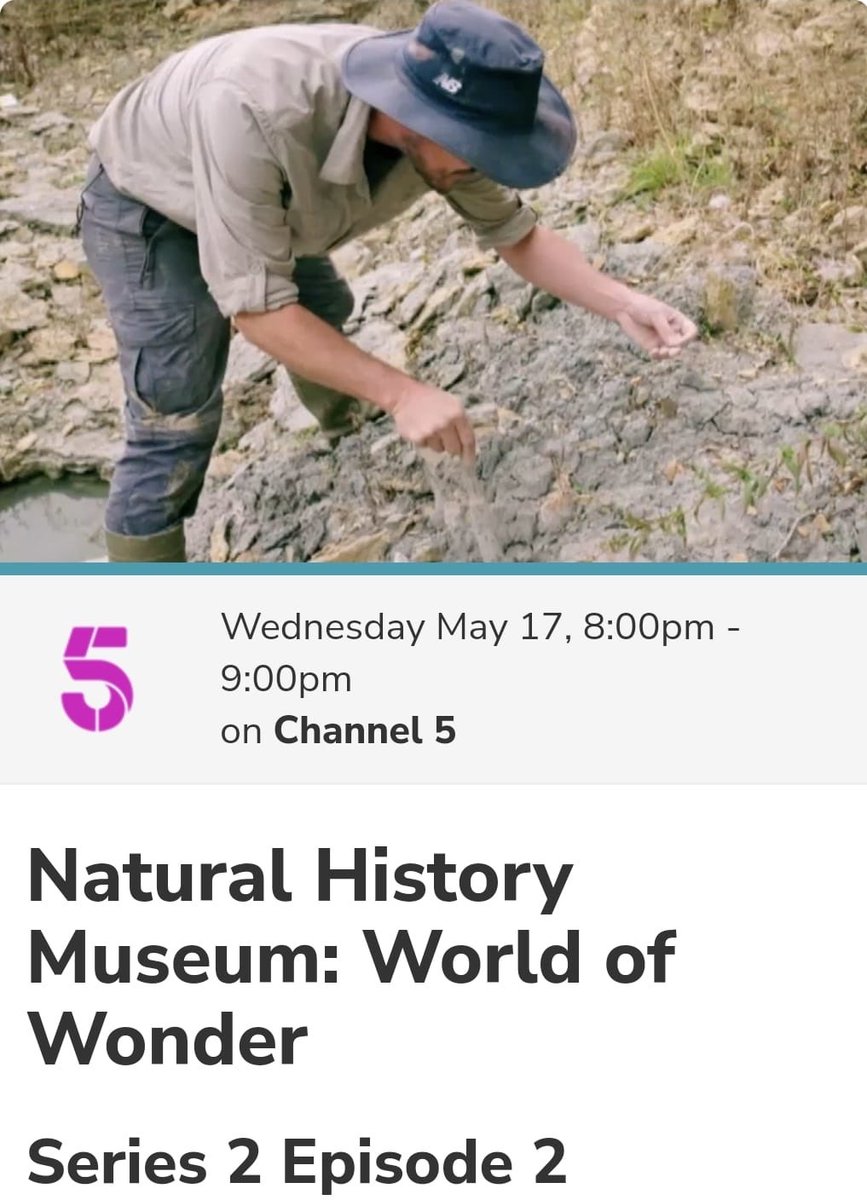
It’s our 2nd visit behind the scenes @NHM_London at 8pm @channel5_tv. @tim_ewin investigates a 167 myo ‘marine Pompeii’. @SelBrace collects DNA from a bee’s knees and @ChrisGPackham takes to the stage for the Wildlife Photographer of the Year & Hattie takes us to a haunted lift!
It’s our 2nd visit behind the scenes @NHM_London at 8pm @channel5_tv. @tim_ewin investigates a 167 myo ‘marine Pompeii’. @SelBrace collects DNA from a bee’s knees and @ChrisGPackham takes to the stage for the Wildlife Photographer of the Year & Hattie takes us to a haunted lift!
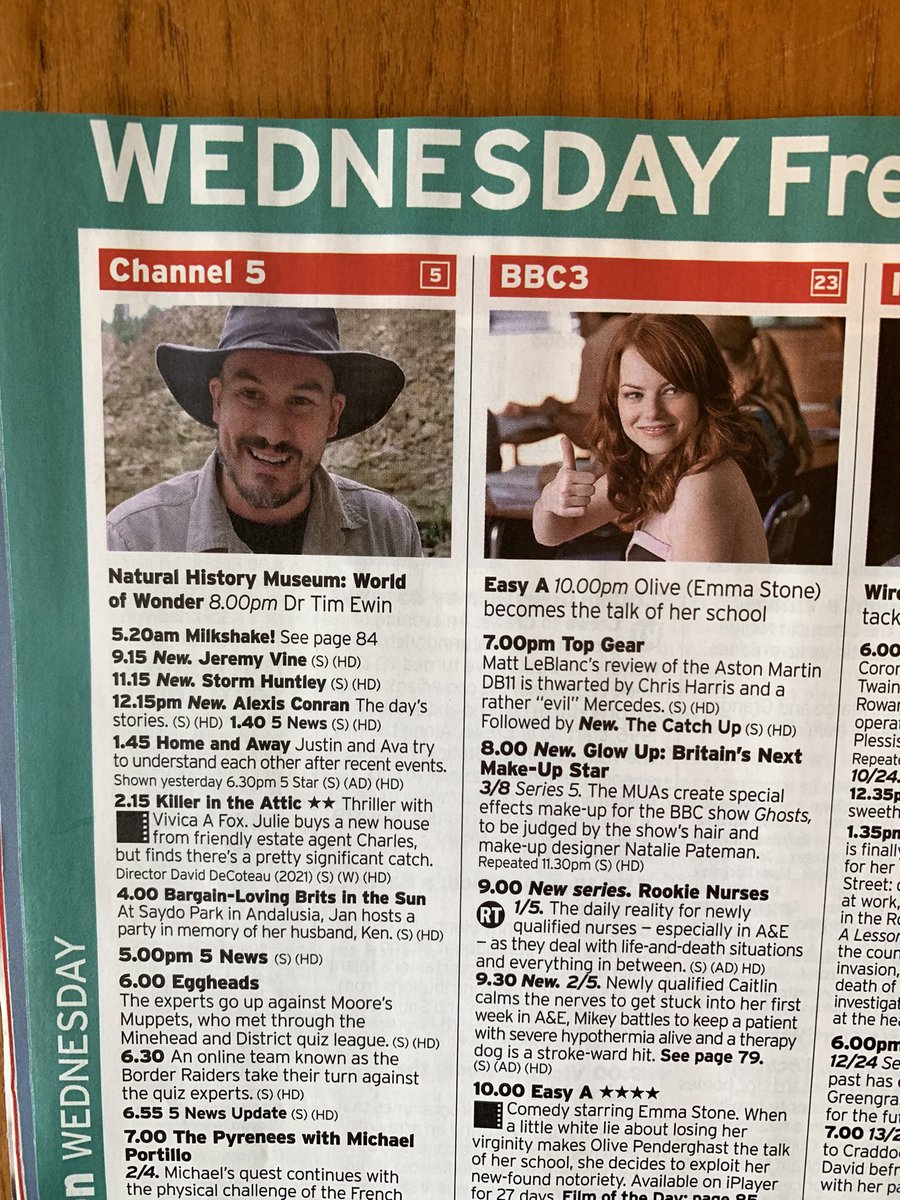
Never thought my mug would be featured in the Radio Times magazine! Check out some of the beautiful fossils we’ve collected and the research we are undertaking on them on Channel 5 at 8pm this Wednesday!
Job alert at the NHM:
NERC Postdoctoral Researcher in Palaeoecology
Chalk macrofossils, palaeoecology, climate change, field/collections work etc.
Applications due by 1st June.
https://t.co/KLKrqUdDGp
Am on a Channel 5 episode in a series exploring the work the natural history museum does. It features the Wiltshire fossil site (that contains thousands of exceptionally preserved echinoderms) and some of the research we are doing.
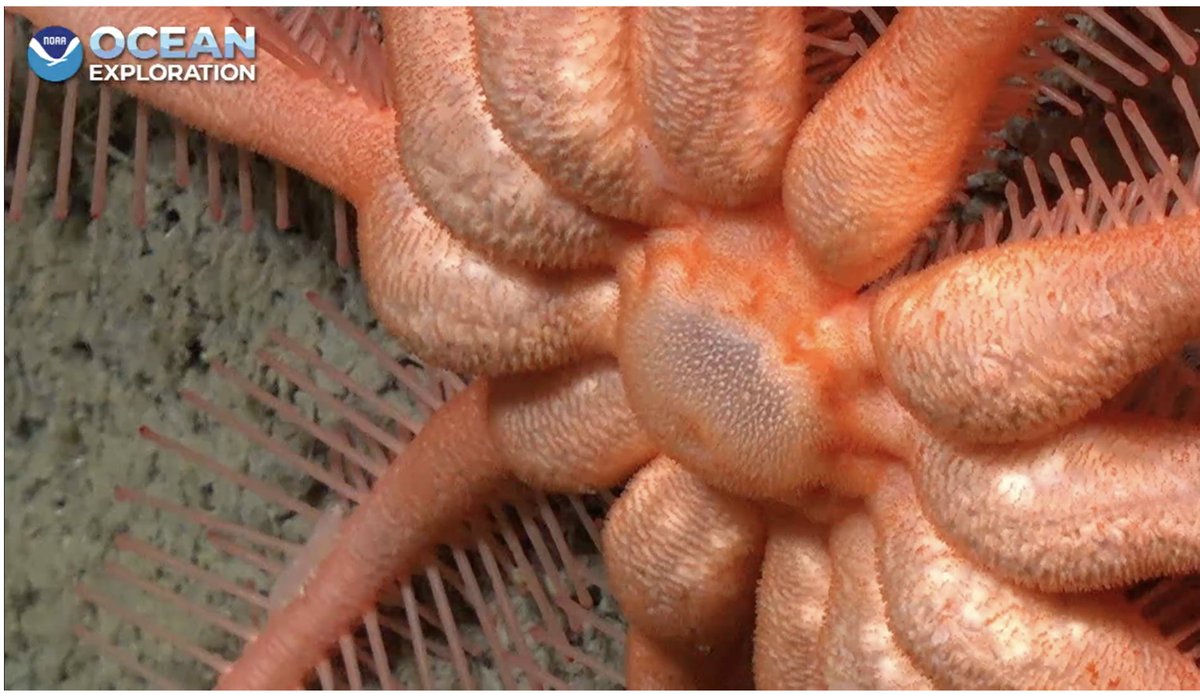
The coordinated behaviour of tube feet along an Ophiuroid arm is fascinating to see. Love how the tube feet immediately go back to food capture again after they’ve passed the parcel!