you gotta admit, AMD acquiring Intel would be basically the funniest moment in the history of mergers and acquisitions. truly making it the "amd64" CPU architecture.
to tell if a maze is solvable, just hang it by its corners! The first maze stays in one piece, so there is no path from the entrance at the top to the exit at the bottom. The second maze splits apart along the solution.
Probably the best thing you'll see today.
In 2017, a group of developers hilariously competed for who could create worst volume control interface in the world.
The results 🧵
1/22
My husband is traveling with me to a conference and we’ve been thinking of fake AI subfields for him to claim to be working on. Favorites so far:
- Disentangled HairNets
- Deep Distraction Networks
- Misrepresentation Learning
Got any other good suggestions for him?
Gradient descent will take any shortcut available to map inputs to targets. Human perception works differently: it starts from a different input (embodied stream vs static images), it doesn't have a target for each input, and it isn't trained with SGD. https://t.co/coj5YmMwB3
"Sparse Architecture Search for CNNs on Resource-Constrained Microcontrollers": https://t.co/lOtWpTgvKP - fascinating work from Arm Research, running models with less than 2KB of memory on embedded systems.
EfficientNets: a family of more efficient & accurate image classification models. Found by architecture search and scaled up by one weird trick.
Link: https://t.co/EwvHYMjtt6
Github: https://t.co/vrRnVJVQNh
Blog: https://t.co/0pPZmTxfUs
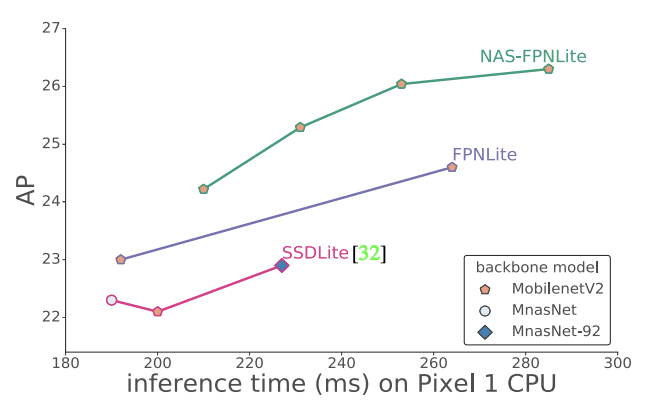
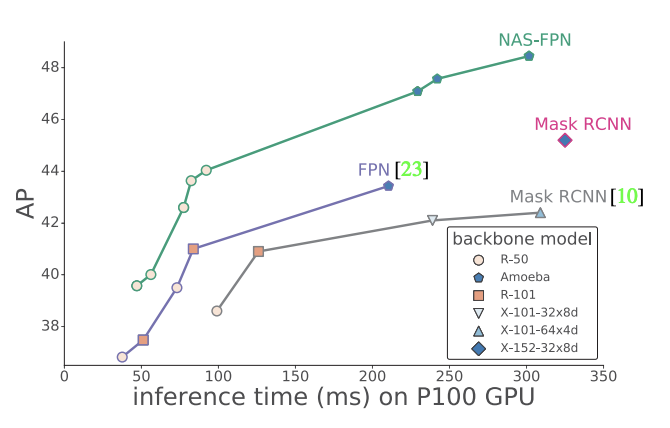
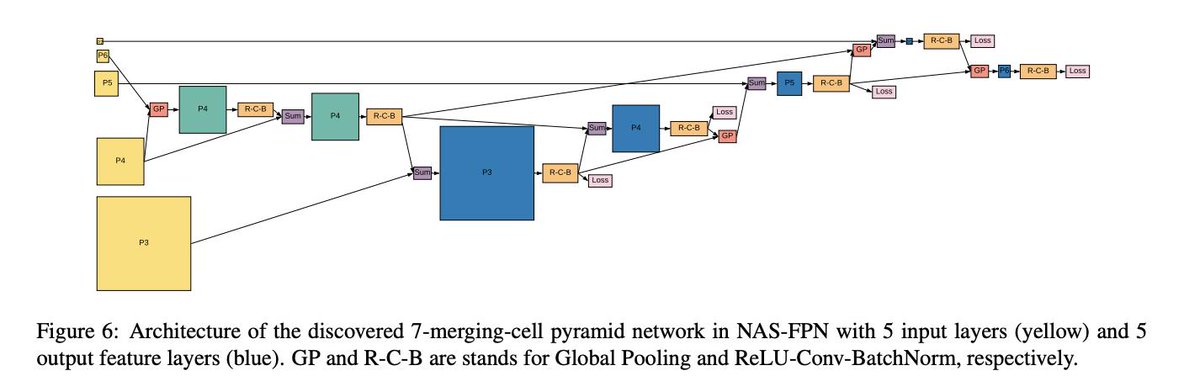
We used architecture search to find a better architecture for object detection. Results: Better and faster architectures than Mask-RCNN, FPN and SSD architectures. Architecture also looks unexpected and pretty funky. Link: https://t.co/8tyWChp5Uw
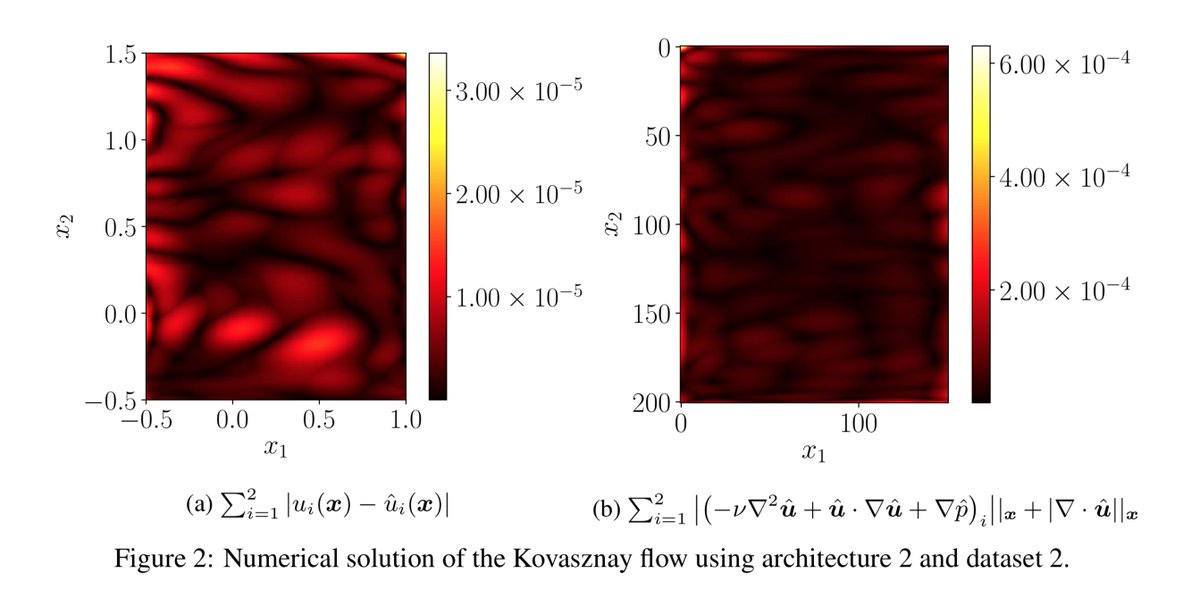
A Discussion on Solving Partial Differential Equations using Neural Networks
They show that small nets are able to learn complex solutions of PDEs when optimized with the BFGS algorithm. I guess BFGS works well for small models.
https://t.co/KifoCmi5xe https://t.co/t8bomEQlXH
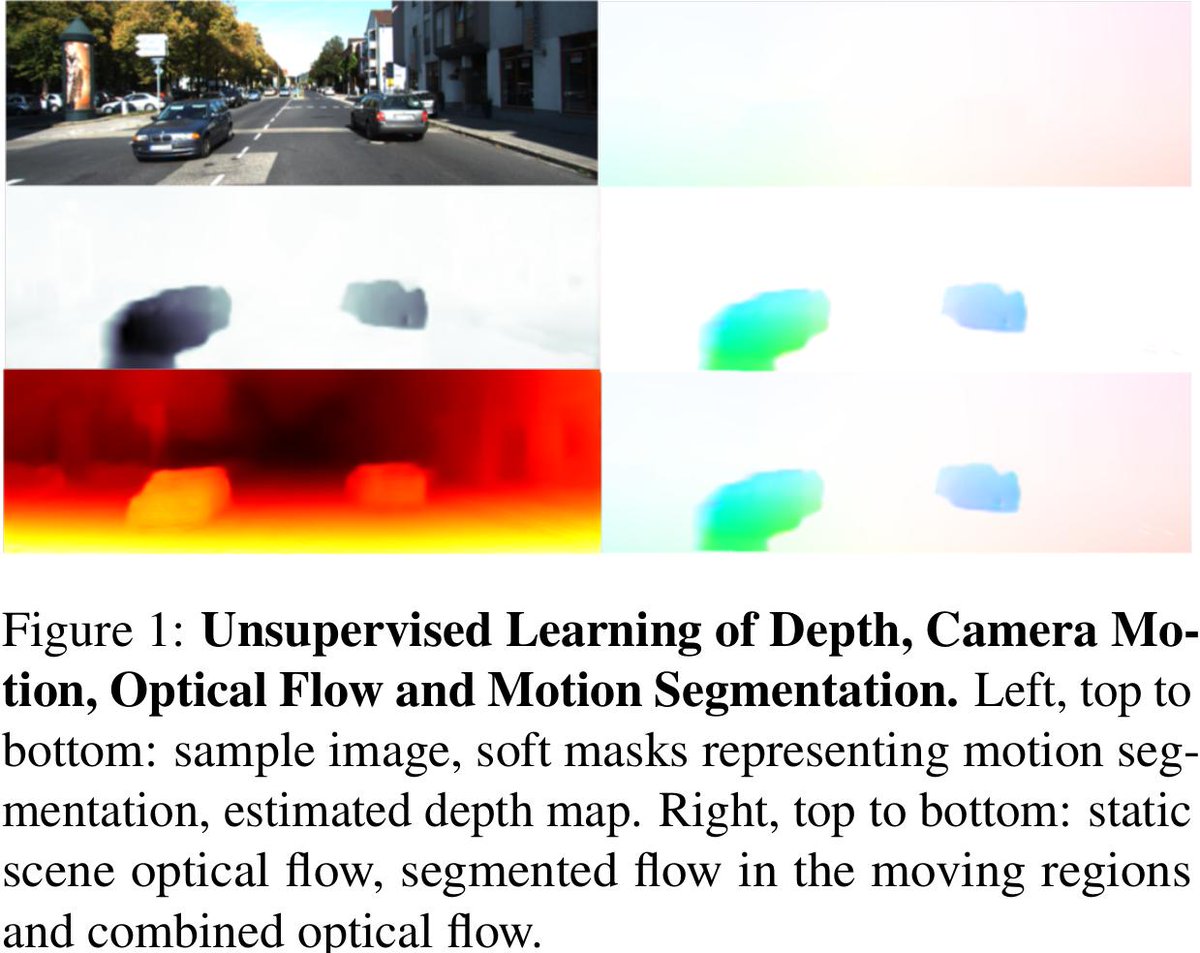
The code for our @cvpr2019 paper, Competitive Collaboration: Joint Unsupervised Learning of Depth, Camera Motion, Optical Flow and Motion Segmentation is now online.
https://t.co/ygr1nhZH8q
Style transfer without a specific style image. I minimize only the content loss from neural style transfer and directly optimize brushstrokes via backpropagation. In this case, "style" is an intrinsic property defined entirely by the artistic medium.
Learning to Paint with Model-based Deep Reinforcement Learning
Building on SPIRAL and StrokeNet, they combine a neural renderer model and DDPG (using both L2 + WGAN losses as rewards) to train an agent that can decompose texture-rich images into strokes.
https://t.co/8WamG5ThKz
How do we store memories?
“We’re much better at recognising than recalling. When we remember something, we have to try to relive an experience. When we recognise something, we must merely be conscious of the fact that we have had this experience before.”
https://t.co/ksJPtBwK5k
1/10 sparse coding models like LCA are more robust to adversarial perturbations than are traditional machine learning models like SAE. learn more at Poster 95 tonight at #cosyne2019 from me, @collinsljas, @DylanPaiton, and others from @Redwood_Neuro and in this thread ⤵️
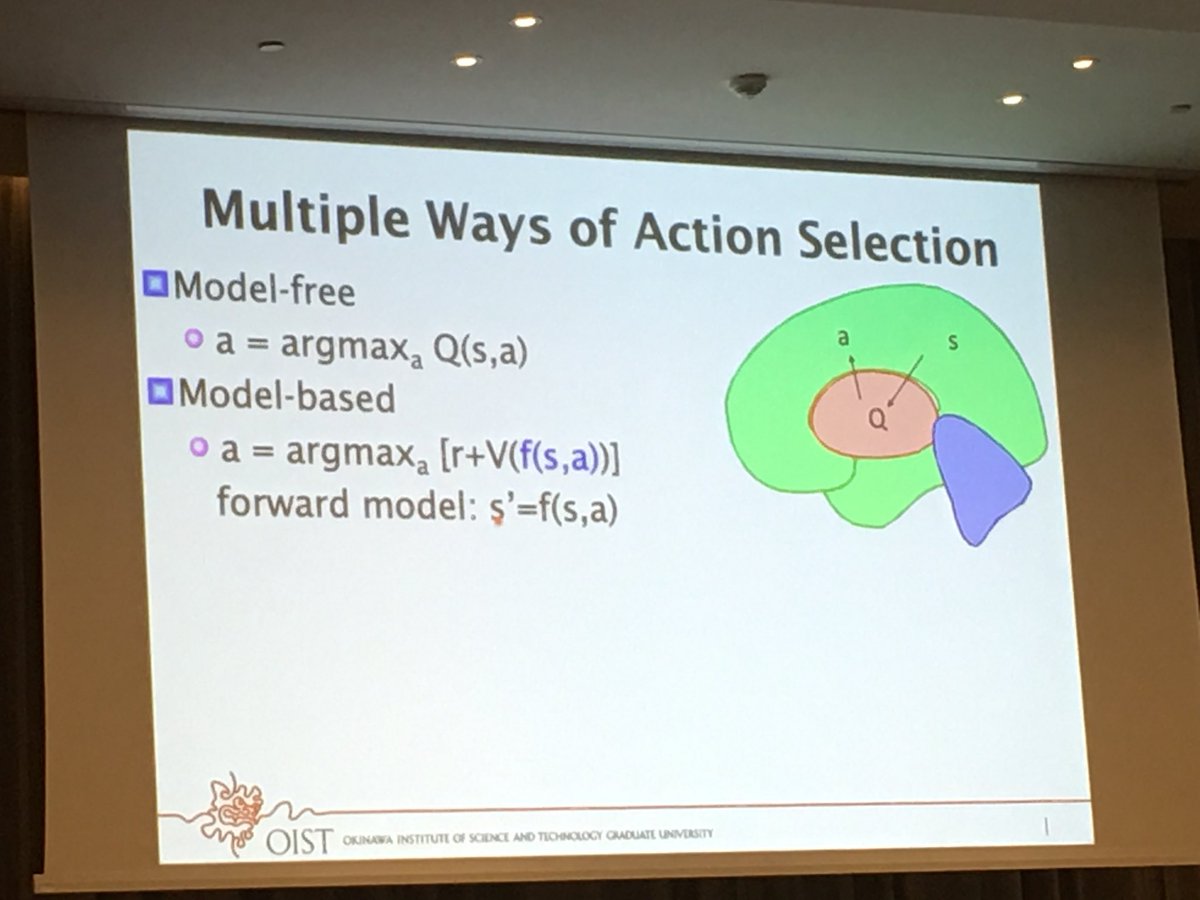
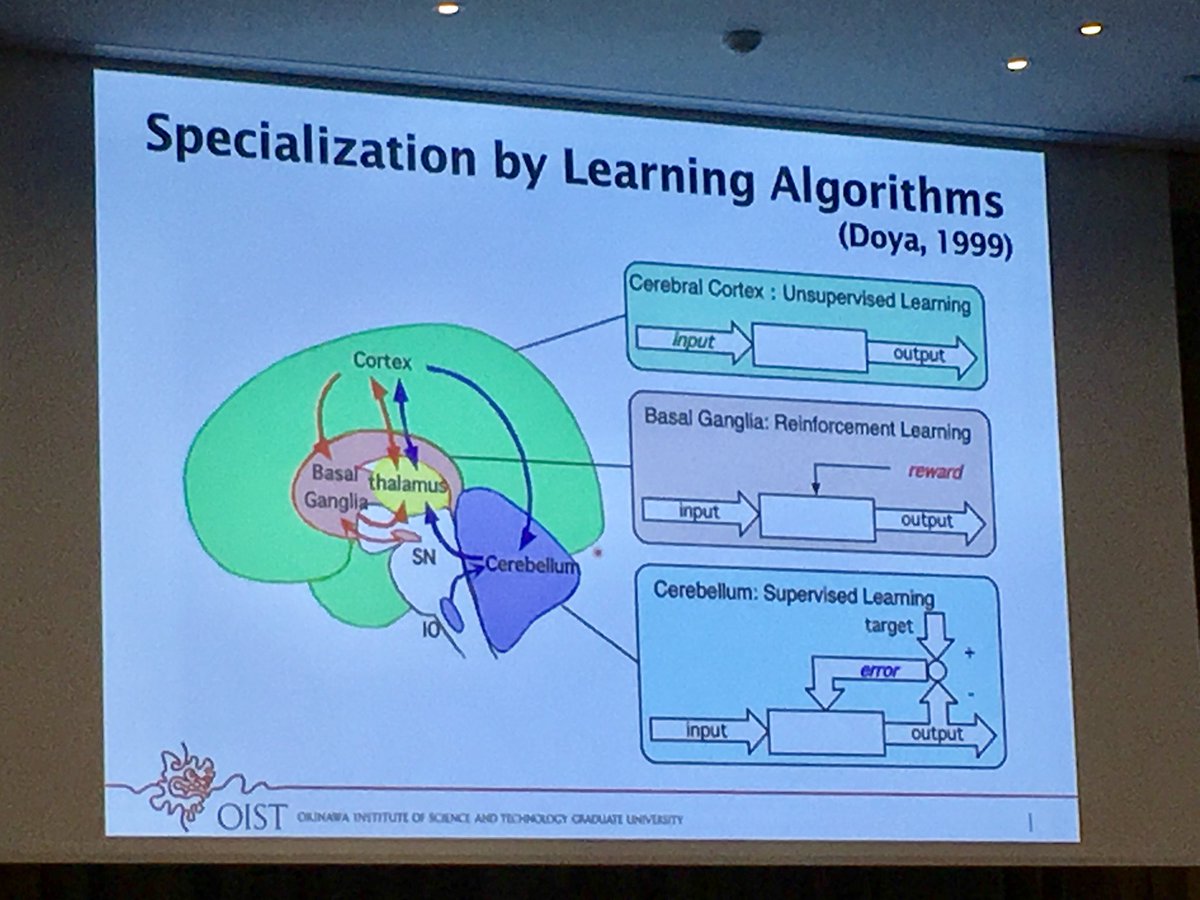
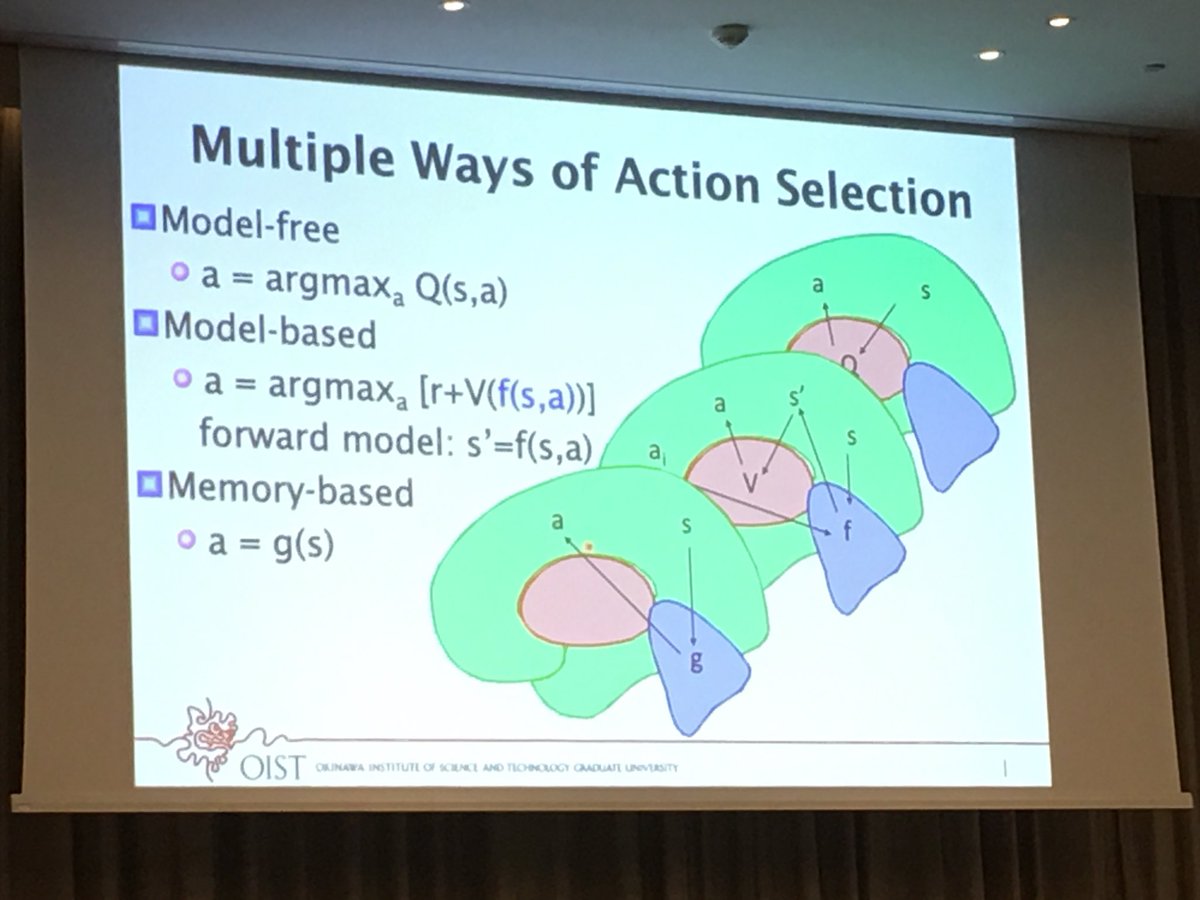
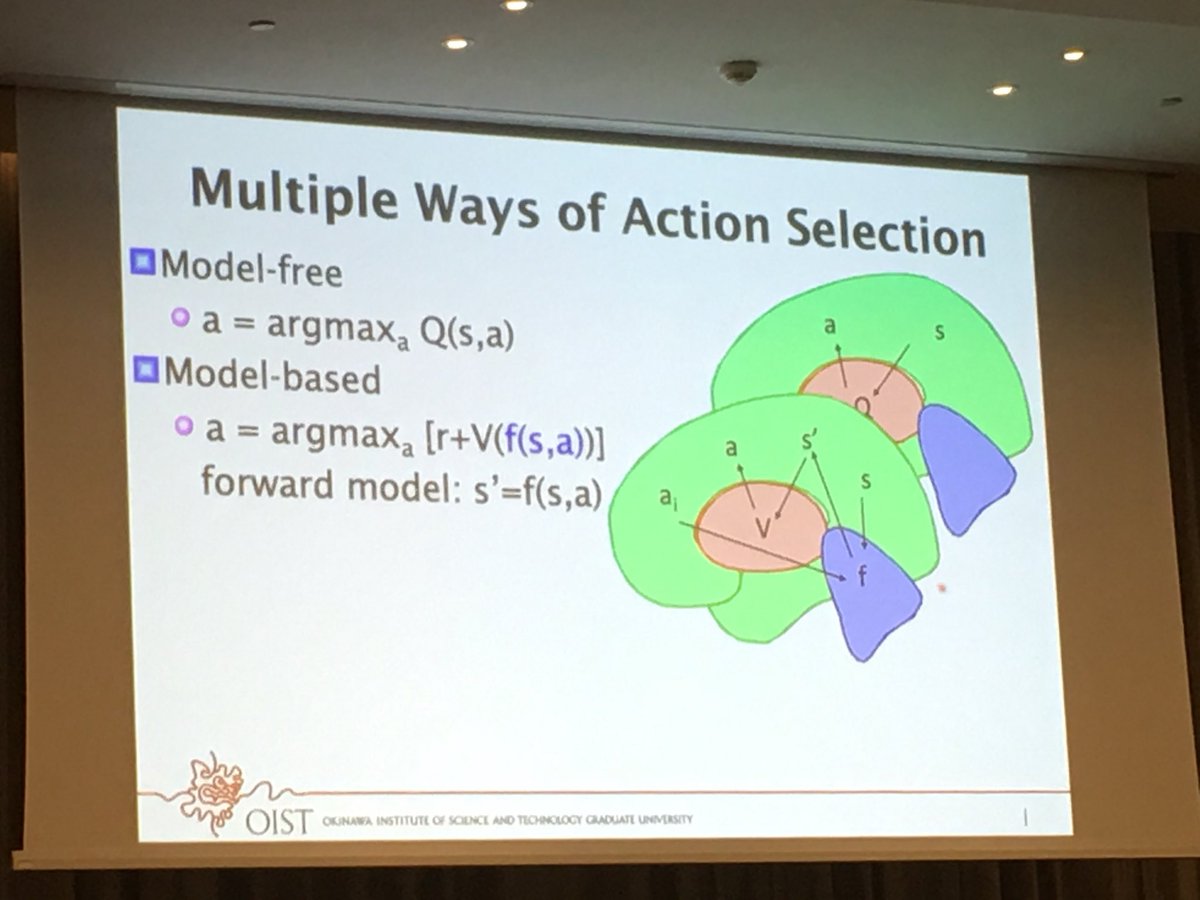
Different parts of the brain learns in different ways. Model-free, model-based, and memory-based are all just different sides of the same coin, according to Kenji Doya #cosyne19
Neural networks seem to use a puzzlingly simple strategy to classify images (work accepted at ICLR 2019 and liked by @karpathy ;-)). Digest @ https://t.co/tnK2sYFePl @MatthiasBethge@bethgelab@GaryMarcus 1/8