An extensive analysis published today, by French newspaper Le Monde reports that the United Arab Emirates is constructing a massive military base near the port of Berbera in the Republic of Somaliland. According to the report, the base will not only host Emirati forces but is also set to accommodate military personnel from the United States and Israel.
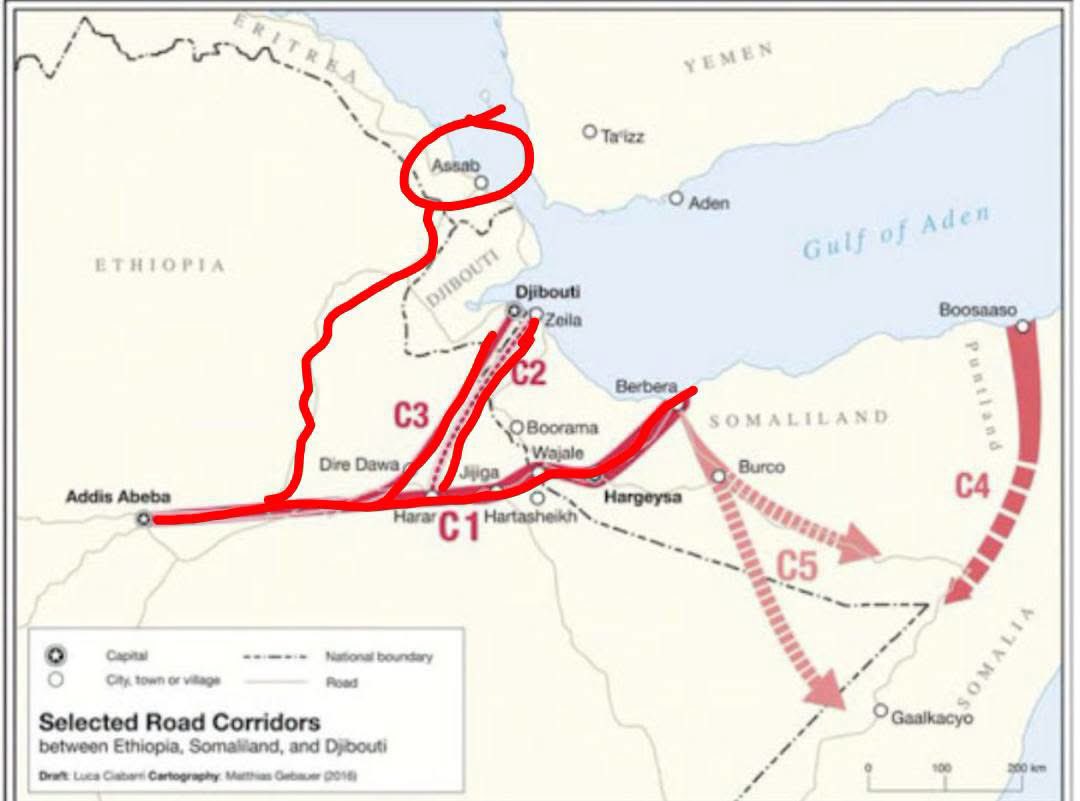
In a parallel development, the Emirates Policy Center (EPC) released a comprehensive research report on July 1, 2026, outlining various scenarios concerning Ethiopia and the Republic of Somaliland. The report notes that Ethiopia—whose import and export trade is heavily dependent on the port of Djibouti—is expected to make extensive use of the port of Berbera in the future. To facilitate this shift, the EPC officially announced that, with financial support from the UAE, major infrastructure projects will be developed extending from the port of Berbera into Ethiopia.
This comes as Ethiopia, a landlocked nation of more than 120 million people, is actively reconsidering its strategic options for securing reliable and sovereign maritime access. Addis Ababa may still recognize Somaliland as an independent state. This has been a central part of its calculations since a 2024 memorandum of understanding envisioning commercial port access and a possible naval facility in exchange for eventual diplomatic recognition. While formal recognition has not yet been confirmed, experts suggest that economic and logistical cooperation is likely to deepen regardless. https://t.co/WJEEdvm0xt
𝗜'𝗺 𝗦𝗼𝗿𝗿𝘆, 𝗦𝘂𝗱𝗮𝗻. 𝗬𝗼𝘂𝗿 𝗡𝗲𝗶𝗴𝗵𝗯𝗼𝗿 𝘁𝗼 𝘁𝗵𝗲 𝗡𝗼𝗿𝘁𝗵 𝗪𝗮𝘀 𝗡𝗲𝘃𝗲𝗿 𝗬𝗼𝘂𝗿 𝗙𝗿𝗶𝗲𝗻𝗱.
𝗦𝘂𝗱𝗮𝗻 𝗯𝘂𝗿𝗻𝘀. 𝗖𝗮𝗶𝗿𝗼 𝗵𝗮𝗿𝘃𝗲𝘀𝘁𝘀. That is not an accident anymore. That is a pattern.
An Egyptian page reports that a Sudanese company, "Flood of Blessings," moved its investment from Sudan to Egypt after the war destroyed its giant farm in Dongola. It now has land in Farafra, inside Egypt's desert-agriculture machine, and is preparing to produce again.
Look at the picture.
𝗦𝘂𝗱𝗮𝗻'𝘀 𝗳𝗮𝗿𝗺 𝗶𝘀 𝗮𝘀𝗵. 𝗘𝗴𝘆𝗽𝘁'𝘀 𝗳𝗮𝗿𝗺 𝗶𝘀 𝗴𝗿𝗲𝗲𝗻. Same company, same capital, same agricultural future, but Sudan loses it and Egypt receives it.
Say what many Sudanese already know from history: Egypt has never treated a strong Sudan as a blessing. Cairo calls Sudan its "national security", but too often that has meant Sudan must stay weak, divided, and dependent.
𝗪𝗵𝗮𝘁 𝗸𝗶𝗻𝗱 𝗼𝗳 𝗻𝗮𝘁𝗶𝗼𝗻𝗮𝗹 𝘀𝗲𝗰𝘂𝗿𝗶𝘁𝘆 𝗿𝗲𝗾𝘂𝗶𝗿𝗲𝘀 𝘆𝗼𝘂𝗿 𝗻𝗲𝗶𝗴𝗵𝗯𝗼𝗿 𝘁𝗼 𝘀𝘂𝗳𝗳𝗲𝗿?
𝗙𝗼𝗿 𝗴𝗲𝗻𝗲𝗿𝗮𝘁𝗶𝗼𝗻𝘀, 𝘄𝗵𝗲𝗻𝗲𝘃𝗲𝗿 𝗦𝘂𝗱𝗮𝗻 𝗲𝗻𝘁𝗲𝗿𝘀 𝗰𝗿𝗶𝘀𝗶𝘀, 𝗘𝗴𝘆𝗽𝘁'𝘀 𝗵𝗮𝗻𝗱 𝗶𝘀 𝗻𝗲𝘃𝗲𝗿 𝗳𝗮𝗿 𝗳𝗿𝗼𝗺 𝘁𝗵𝗲 𝗳𝗶𝗹𝗲.
Read the record. Egypt conquered Sudan in the 19th century and ruled it as a possession. Its High Dam drowned Wadi Halfa and displaced the Sudanese Nubians. It sat in the 1959 room and split the river with Khartoum, while Ethiopia, the source of most of the water, was never invited. It still holds the Halayeb Triangle. It designed Jonglei to pull water north through someone else's land. And in today's war, Egypt stands with Burhan's army and calls it national security.
𝗗𝗶𝗳𝗳𝗲𝗿𝗲𝗻𝘁 𝗱𝗲𝗰𝗮𝗱𝗲, 𝘀𝗮𝗺𝗲 𝗶𝗻𝘀𝘁𝗶𝗻𝗰𝘁.
A strong Sudan negotiates its Nile, its borders, its ports, and its agriculture on its own terms. A broken Sudan bleeds leverage, bleeds investment, bleeds people, bleeds its future. And Cairo is always standing nearby with a basket.
Now watch the hypocrisy in full. Egypt cries "water poverty" to the world, then keeps carving farms and cities into the desert. Reuters reported that Egypt's Jirian project alone would route about ten million cubic meters of Nile water every day, roughly 7 percent of what Egypt calls its annual Nile quota(illegal), toward a new desert city and the New Delta farms. And now a war-broken Sudanese company is being pulled into that same desert machine.
So let us call it what it is. 𝗦𝘂𝗱𝗮𝗻'𝘀 𝗽𝗮𝗶𝗻 𝗯𝗲𝗰𝗼𝗺𝗲𝘀 𝗘𝗴𝘆𝗽𝘁'𝘀 𝗽𝗿𝗼𝗷𝗲𝗰𝘁 𝗽𝗶𝗽𝗲𝗹𝗶𝗻𝗲. Cairo calls it investment. I call it harvesting a wounded neighbor.
To my Sudanese brothers and sisters: your land, your water, your future are your own. Do not let any outside power, Cairo included, turn your suffering into its strategy. The river that gives Egypt its whole life is born in Ethiopia's mountains and runs first through yours. It should have made Sudan mighty. Do not let it be spent keeping Sudan weak.
𝗔 𝘀𝘁𝗮𝗯𝗹𝗲 𝗦𝘂𝗱𝗮𝗻 𝗶𝘀 𝗴𝗼𝗼𝗱 𝗳𝗼𝗿 𝗦𝘂𝗱𝗮𝗻. 𝗔 𝗯𝗿𝗼𝗸𝗲𝗻 𝗦𝘂𝗱𝗮𝗻 𝗶𝘀 𝘂𝘀𝗲𝗳𝘂𝗹 𝘁𝗼 𝗖𝗮𝗶𝗿𝗼. That is the truth Cairo will never say out loud.
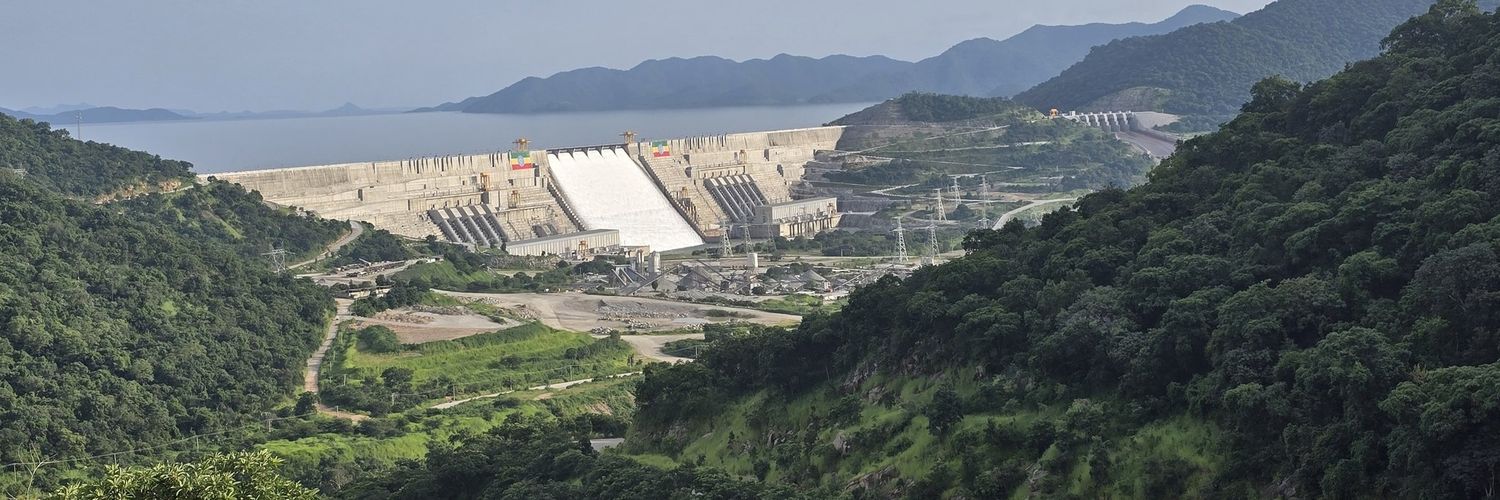
𝗔𝗯𝗯𝗮𝘆 𝗶𝘀 𝗻𝗼𝘁 𝗖𝗮𝗶𝗿𝗼'𝘀 𝗽𝗿𝗶𝘃𝗮𝘁𝗲 𝗽𝗶𝗽𝗲𝗹𝗶𝗻𝗲. And Sudan was never born to be Cairo's private well.
@MwriEgypt #Sudan #Ethiopia #Egypt #Nile #GERD #AbbayDam #BlueNile #Halayeb #NileBasin #HornOfAfrica
As Red Sea insecurity reshapes regional geopolitics, Somaliland's strategic relevance is increasingly being determined by security partnerships and maritime access rather than formal diplomatic recognition.
This analysis argues that "operational recognition" may be redefining the relationship between sovereignty, security, and regional order in the Horn of Africa.
https://t.co/fsL4DXtcJ4
As armed forces, loyal to TPLF hardliners, have been conducting aggressive military conscription throughout #Tigray, people are angrily protesting even by attacking the buses that were used to kidnap their kids in #Mekelle, as seen in the video.
@UNHumanRights@hrw@amnesty
Ethiopia attracts over 1.4 mln foreign visitors in 2025/26 fiscal year, generating over $5.2 billion in foreign exchange revenue. 🇪🇹https://t.co/ZexJs1W2Z1
82 pieces. One mission. Countless lives.
A heartfelt thank you to @flyethiopian
—Africa’s flagship airline and one of the continent’s greatest enterprises—for once again going above and beyond for Heart Attack Ethiopia.
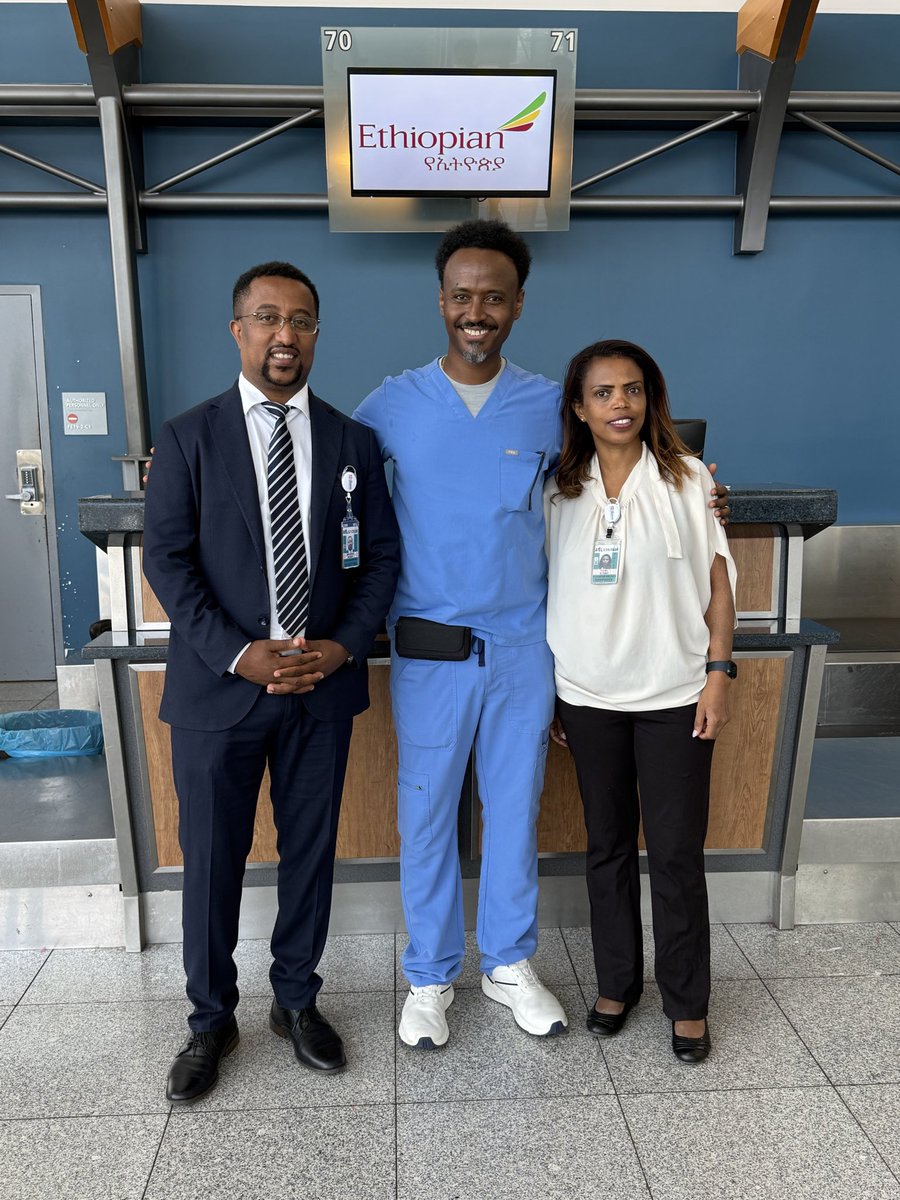
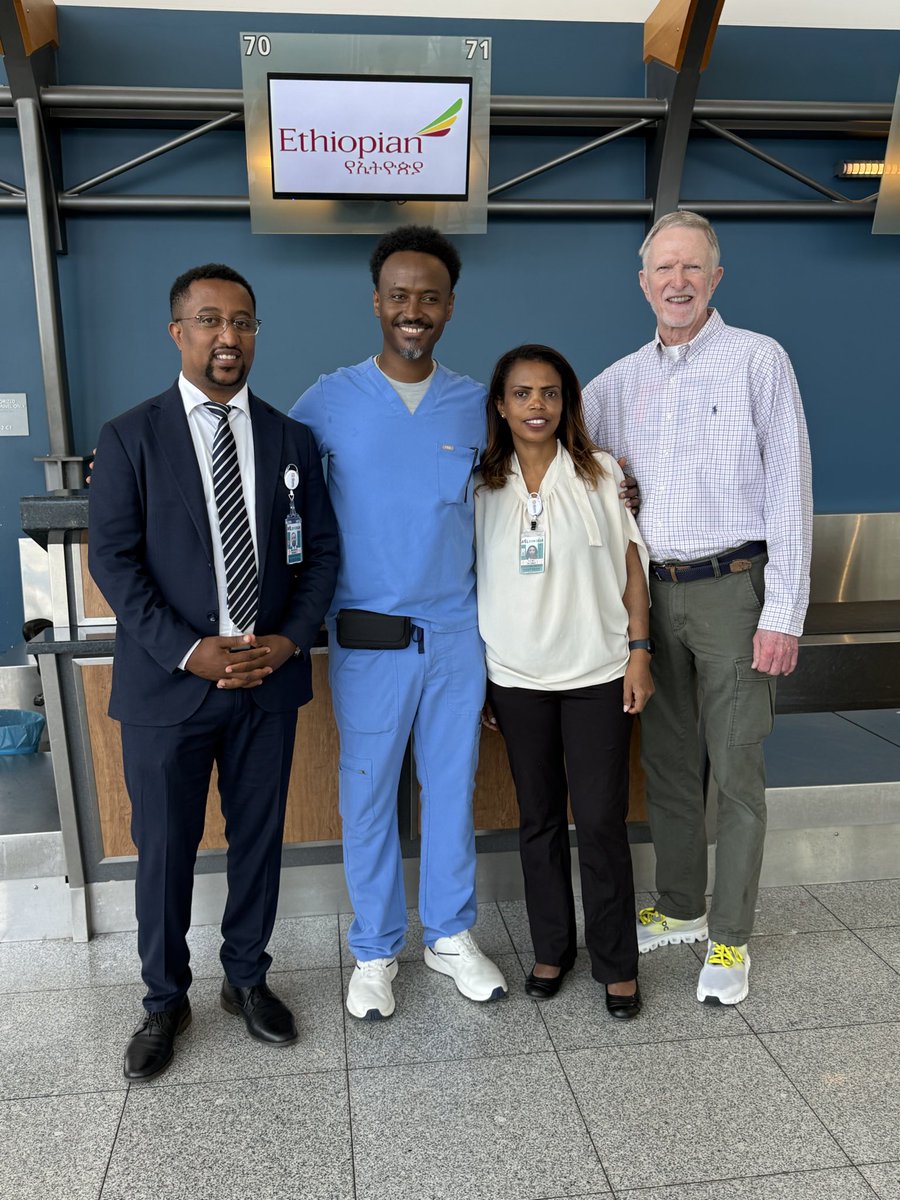
Because of the size of our medical shipment, Mr. Henok Birhane, Ms. Sosina, and the Ethiopian Airlines team opened a dedicated check-in counter exclusively for HAE the night before our flight. Eighty-two pieces of lifesaving supplies were checked in with remarkable efficiency.
To Ethiopian Airlines’ leadership, management, airport operations, cargo, and check-in teams—thank you for proving that true partnership is measured by action.
🎯 Your success in aviation—and now in hospitality and tourism—has redefined what an African institution can become. Perhaps healthcare is the next frontier❗️
👉Different industry, same recipe: vision, execution, and a relentless commitment to people.
And this story is only just beginning… Stay tuned.
#INTIMAInternational #INTIMAFoundation #FlyToHeal #HeartAttackEthiopia 🇪🇹✈️❤️
@HeartAEthiopia
Investigation: The Secret Capture of Sudan’s State Institutions
Leaked documents from 2025 and 2026 expose a shadow front within Sudan's war. The Sudanese Islamic Movement has systematically infiltrated defense, security, and foreign policy bodies under the cover of conflict. General Al-Burhan’s Transitional Sovereignty Council institutionalized alliances with Islamist militias through secret parallel channels, bypassing official ministries. Simultaneously, a deepening military partnership with Iran has flooded Sudan with advanced weaponry, binding Khartoum to Tehran’s ideological agenda and threatening regional stability.
የነጀዋር ፣ አንዳርጋቸዉና እነልደቱን የመሳሰሉ “የፖለቲካ ሊሂቃን” የነገሩን የኢትዮጵያ የዲፕሎማሲ ኩስምና ይሄንን ይመሰለ ዉጤት አስመዝግቧል
ኢትዮጵያ እዳዋን መክፈል አቃታት ብሎ ሲቦርቅ የነበረዉ ኢኮኖሚስት ነኝ ባይ የዲያስፖራ ተንታኘ ይሄን ሲያነብ ምን ይዉጠዉ ይሆን?
ይነበብ👇🏿👇🏿👇🏿👇🏿
Despite its adversaries' relentless attempts to derail Ethiopia’s economic progress -through conflicts and coordinated defamation campaigns against the country and its leadership, Ethiopia stayed the course on reform. It successfully navigated one of the world’s most complex debt restructurings, preserved balanced relations with both East and West, and restored international investor confidence.
Today, Ethiopia is drawing renewed and enthusiastic interest from the United States, Europe, China, India, Turkey, Russia, and Gulf states. This is not out of charity, but because its ongoing economic transformation, vast opportunities, and strategic importance have become impossible to ignore. This is what effective diplomacy looks like.
What to Know About Ethiopia’s Debt Breakthrough - Addis Ababa’s debt relief process has highlighted divisions in the global financial system. https://t.co/hLrOgFpyzN
Over 750,000 volunteers have been mobilized to join the cleanup campaign in Addis Ababa to make the city more beautiful & livable.
It is inspiring to see people come together to improve the capital's sanitation, drainage system, and greenery. Our story👇
https://t.co/TUx9j42VgG
@befeqe is good example of generational confusion -The irony is hard to miss. On Monday, he is a cheerleader for liberal ideals. By Tuesday, he is cherry-picking data to portray Ethiopia’s currency liberalization as a failure. Are you against liberalism or Ethiopia?
In a way liberalism results in some self hate - by replacing agency for intellectual paternalism, if not cautious.
Misleading - The official exchange rate that prevailed before liberalization substantially overstated the value of the birr, which means comparisons based solely on historical dollar conversions create a distorted impression of fiscal trends. The apparent decline from the 2024 budget peak in dollar terms reflects not only currency depreciation but also the removal of an exchange-rate regime that had long masked the birr’s true market value.
The whole Egyptian Nile argument is theater.
How can a “drought” happen in the middle of the desert?? Egypt is ALREADY dry. 🤦🏾 Smh. And yet they demand that Ethiopia guarantee their water. it doesn’t make sense at all . A sovereign country’s internal water problem isn’t Ethiopia’s to carry on it shoulder. 🇪🇹
#GERD #Nile #Egypt #Ethiopia
#BlueNile #Nile #WaterJustice
Ethiopia's export exploding from $3 billion to $10 billion thanks to Ethiopia Tamirt.
In 2025, Ethiopia launched "Ethiopia Tamirt" initiative (Made in Ethiopia) which was meant to drive production and consumption of Ethiopian made products.
The initiative saw over 750 industries entering into manufacturing and attracted massive support from Ethiopians.
From the initiative, Ethiopia has saved $4.85 billion in imports and manufacturing sector has grown jumped from 4.8% to 13% in nine months.
Meanwhile the drive has also improved Ethiopian exports from $3 billion in 2025 to $10 billion expected by the end of 2026.(Andrew Akech)