Seven new planets orbiting a distant star have been revealed in a review of @NASAExoplanets data by our retired Kepler Space Telescope: https://t.co/RuULzrz6mk
All the planets in the system, named Kepler-385, are larger than Earth and smaller than Neptune, and are scorched by their host star.
Armadillos collect leaf litter to build nests in their burrows by bunching leaves against their abdomens and hopping backward towards their nest due to their unique body shape
https://t.co/FJrELwGKuf
With just days left before it delivers an asteroid sample to Utah, the #OSIRISREx spacecraft has made its final adjustment. The spacecraft briefly fired its thrusters on Sunday to refine its landing area by 8 miles. https://t.co/UkuYETqP7X
It's almost time! 🕒
TOMORROW, Sept. 24, @NASA's OSIRIS-REx mission will return samples of the asteroid Bennu to Earth!
Want to watch the sample return?? The live broadcast will be available on NASA TV 10 a.m. – 1 p.m. ET. 📺
https://t.co/bu68BG1pdy
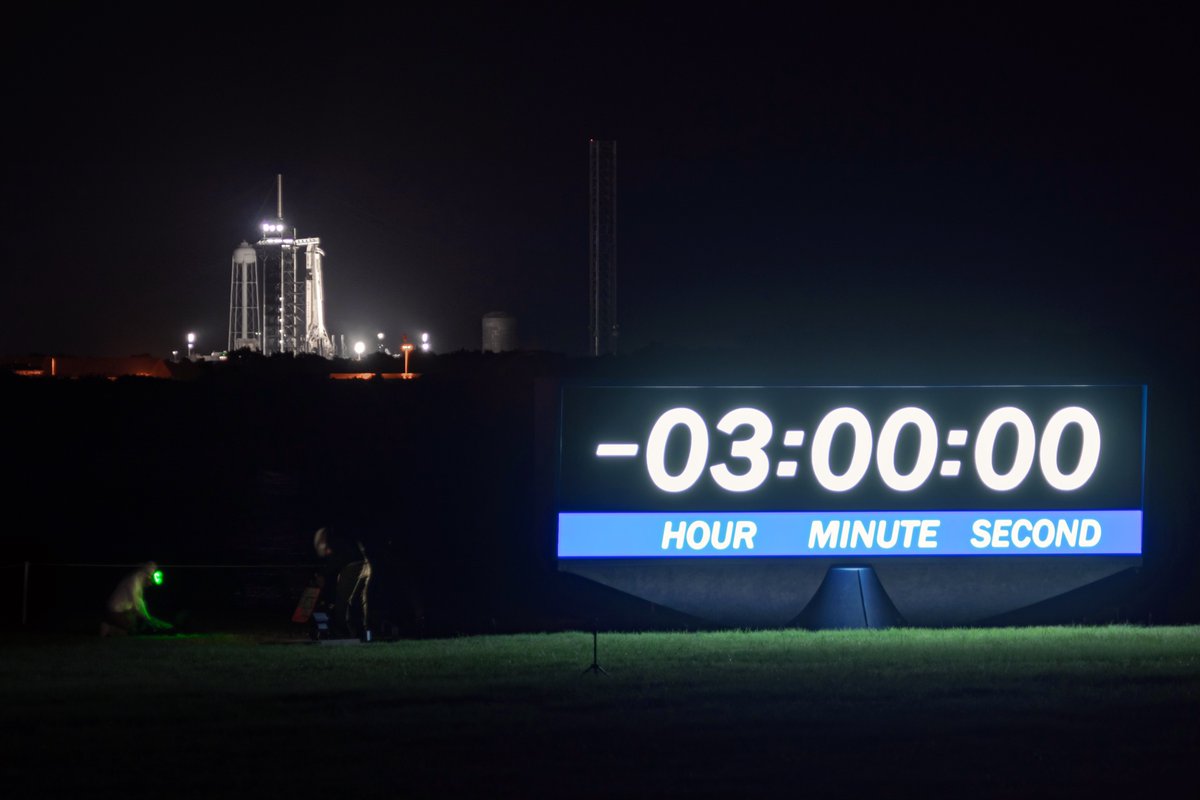
NASA confirms the scrub: "Launch now is targeted at 3:27 a.m. Saturday, Aug. 26, for SpaceX’s seventh crew rotation mission to the microgravity laboratory for NASA. More to come."
https://t.co/im5d8tfUhv
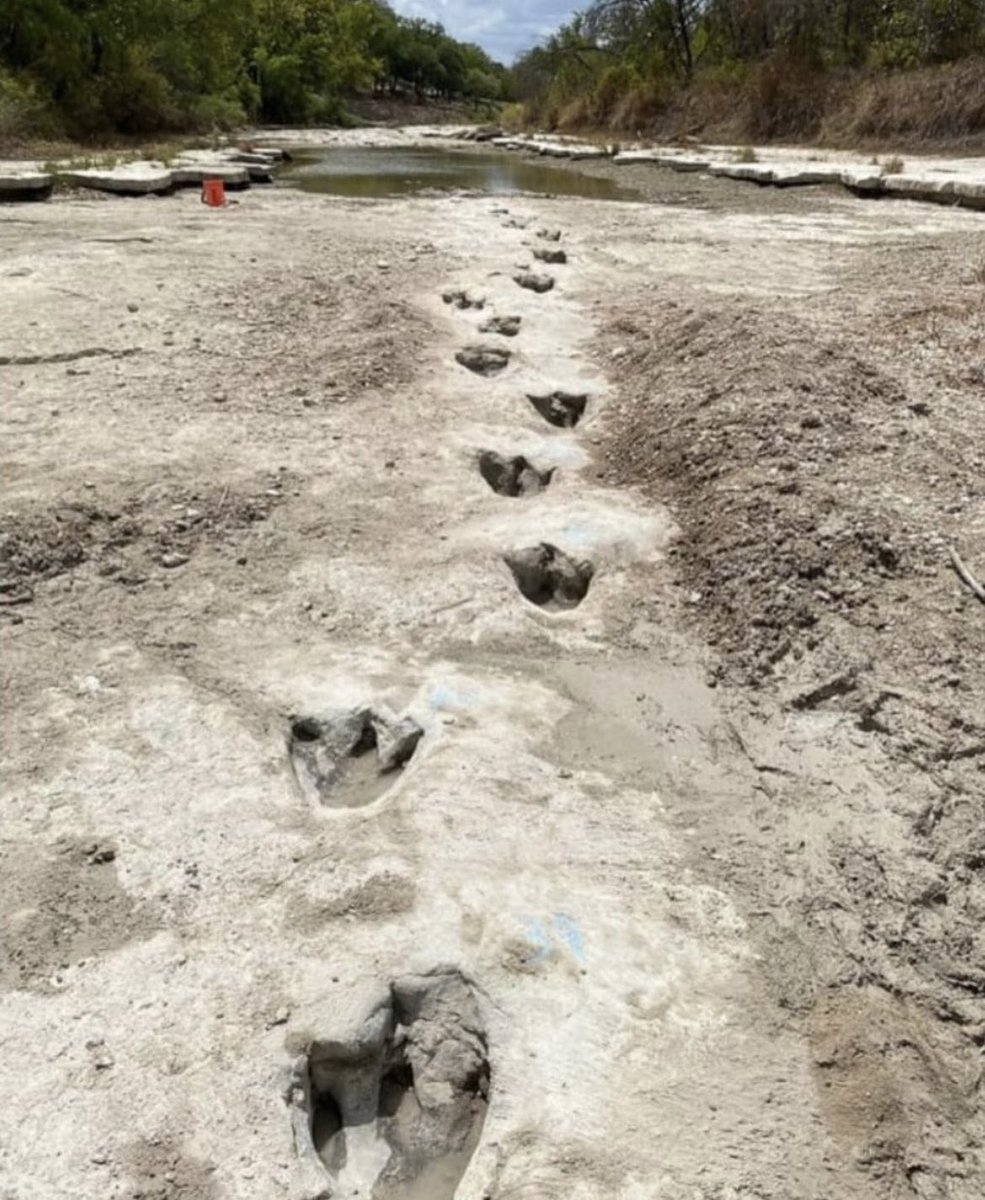
During the preceding year's drought, remarkable dinosaur footprints previously hidden beneath water and sediment were unveiled at Dinosaur Valley State Park in Texas. These tracks, dating back approximately 113 million years, provided valuable insights into the behaviors and daily lives of the ancient creatures.
Situated around an hour's drive from Fort Worth, Glen Rose, Texas, is home to the renowned Dinosaur Valley State Park, famous for its dinosaur tracks.
Typically concealed beneath the waters of the Paluxy River, these newer tracks remained unseen until the unusually severe drought of 2022. During this period, the river's water levels significantly dropped, exposing more of these fascinating footprints.
This discovery holds immense significance for researchers studying dinosaur fossils, as it offers a window into the behavior and routines of the dinosaurs that once roamed the area. According to the Texas Parks and Wildlife Department, the dinosaur responsible for these tracks was a massive creature, standing at about 15 feet tall and weighing approximately seven tons.
The lowered water levels during the drought also led to other extraordinary findings worldwide, such as the unearthing of a prehistoric stone circle in rural Spain (resembling Spanish Stonehenge), the discovery of a 600-year-old Buddhist statue in the depleted Yangtze River, and the exposure of German warships, still carrying explosives, in the Danube River.
“We’re trying to get rid of birds, the birds are collecting our metal spikes and actually making more birds in these nests,” one scientist said. “I think it’s just a brilliant comeback.” https://t.co/8AAaOzP418
Oh, those summer nights! It's the #SummerSolstice, the longest day in the Northern Hemisphere—and the shortest in the Southern Hemisphere where winter starts.
Glance up tonight for a planetary cameo, with Mars and Venus just beside the Moon: https://t.co/ZJ6oF0jW7c
This summer, we’re working with @CornellBirds to gather data on birds around the world. Want to contribute? New to birding? Here are some tips for getting started. https://t.co/UQ6OHk5XRl
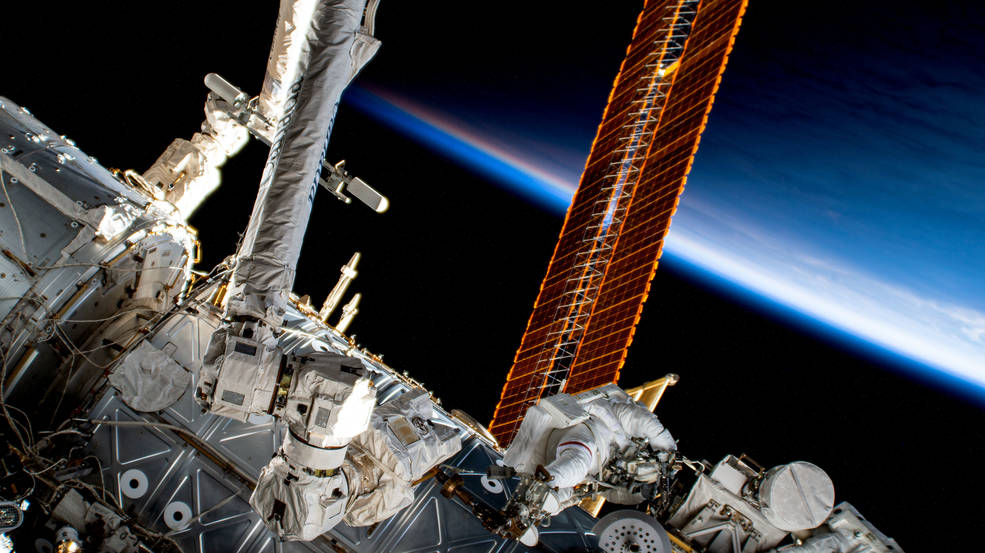
Two @NASA_Astronauts will do a pair of spacewalks on June 9 and June 15 to install new solar arrays on the @Space_Station. We’ll stream them live.
Join us for a preview on June 1: https://t.co/IhNONtWKMd
Shifts in bird populations can be a sign of a changing climate. This summer, help scientists learn about the birds in your area. https://t.co/o2KHjgMMtN
Do you look at this image and think ‘river’?
@NASAPersevere is getting a closer look at an area of Mars that scientists believe was once an ancient river flowing into Jezero Crater. New imagery offers clues about what type of river it was: https://t.co/c4wisRvxWa
Scientists are set to recognize 62 additional moons of Saturn. The small objects will give Saturn 145 moons — eclipsing Jupiter’s total of 95. https://t.co/Ik1S7fkO0E
Tumbleweeds start out as tiny seedlings; by summer the plant has a round shape. They grow flowers and fruits. By fall they dry and detach from their roots, so they spread their seeds
[source: https://t.co/XLKA9YjF8U]
[video: https://t.co/JqAMLmJ4nx]
I'm currently 14.7 billion miles / 23.8 billion km from Earth. I can pick up the faint hum of plasma waves produced by the Sun, although your star looks like a tiny speck of light from out here. 🖖 - V1
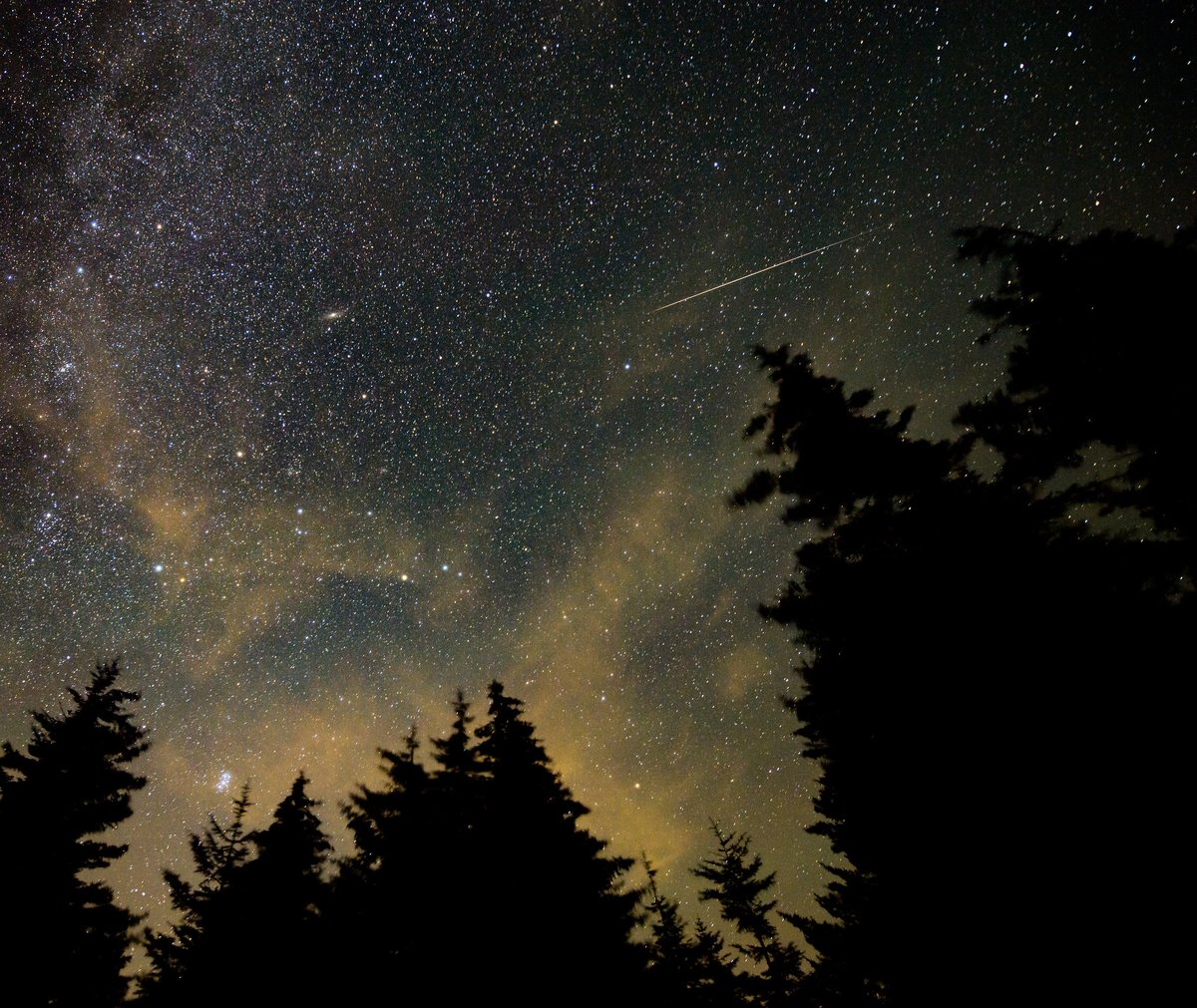
The eta Aquariid meteor shower is expected to reach its peak tonight (May 4-5)—and even with the full Moon, it could still be a great night for skywatching!
Here's how, where and when to track the eta Aquariids: https://t.co/7elIWZ0XcA
May is a good month for skywatchers. Venus, Mars, and Jupiter cozy up to the Moon, and even Saturn makes a cameo. Where and when to look: https://t.co/P2s1urpEX6