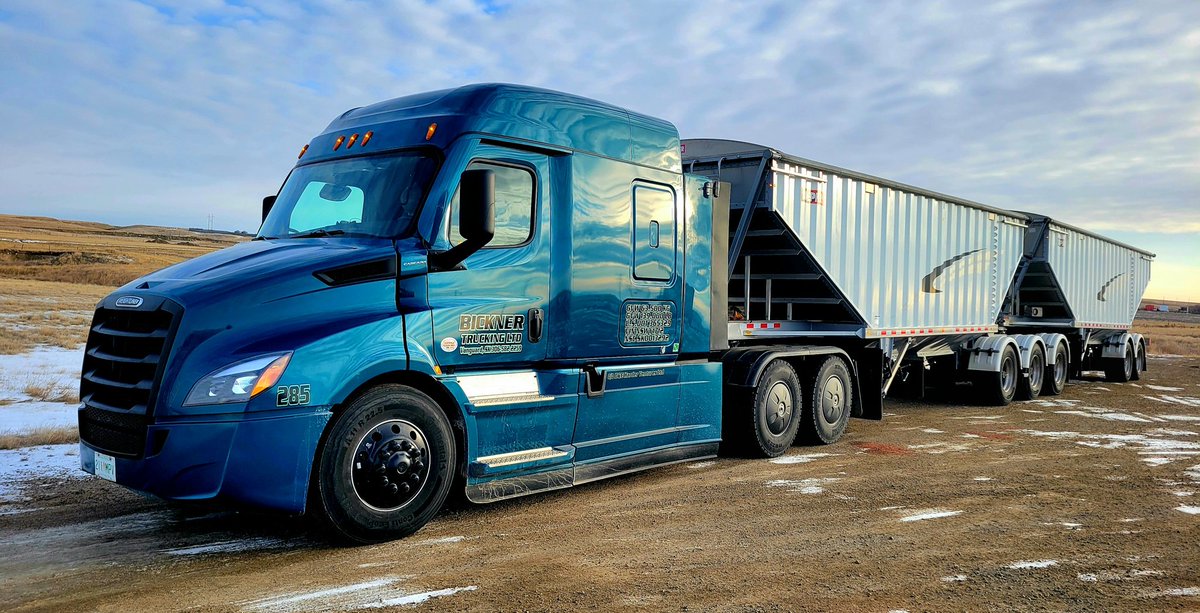
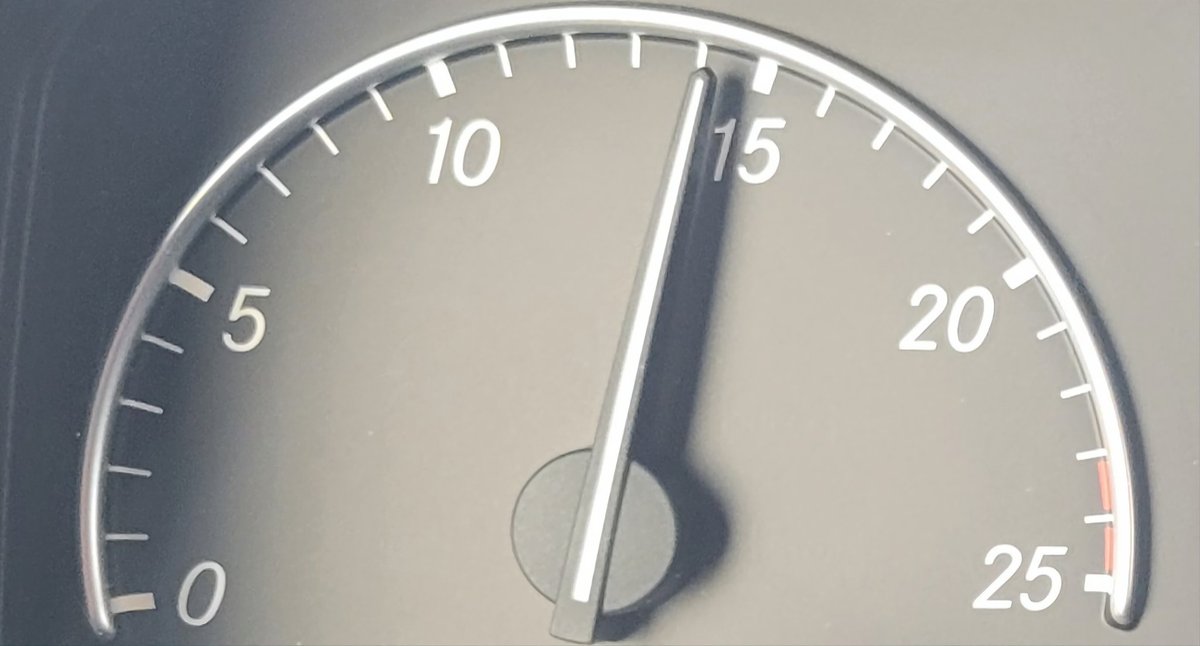
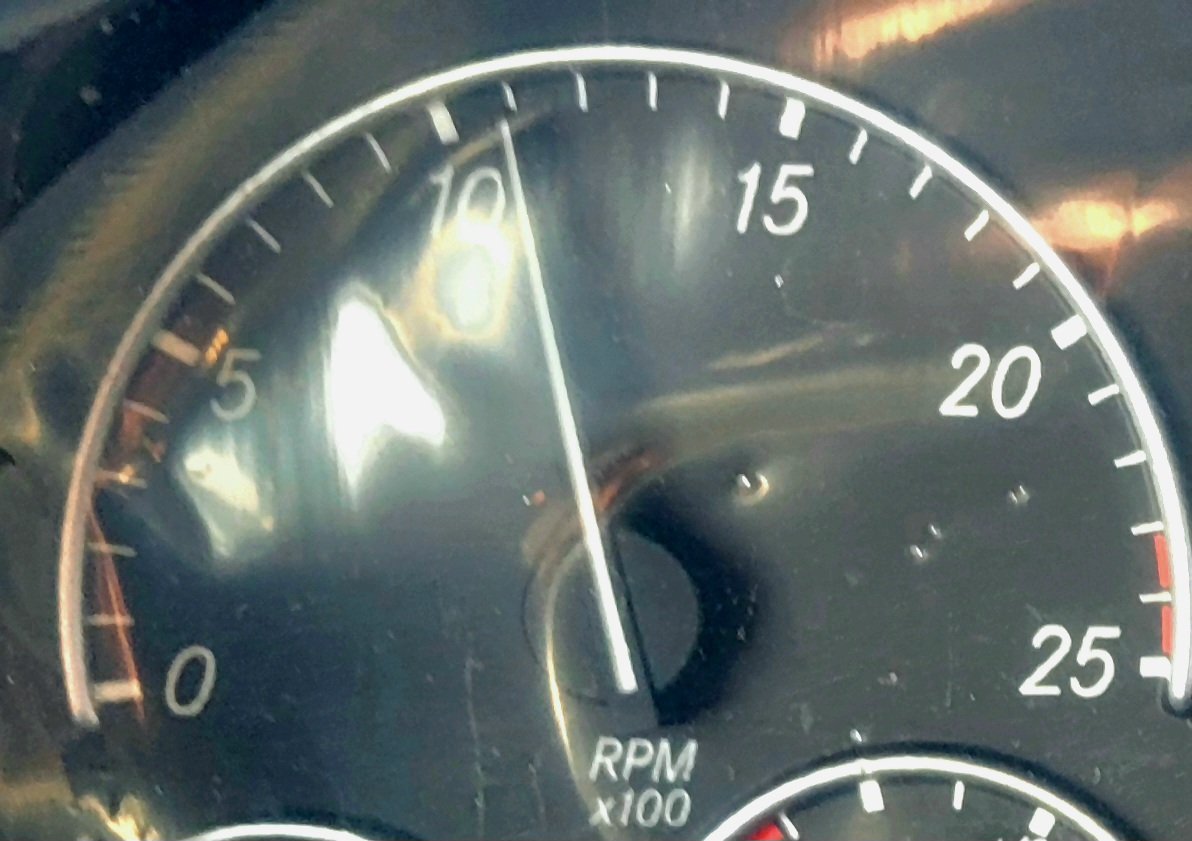
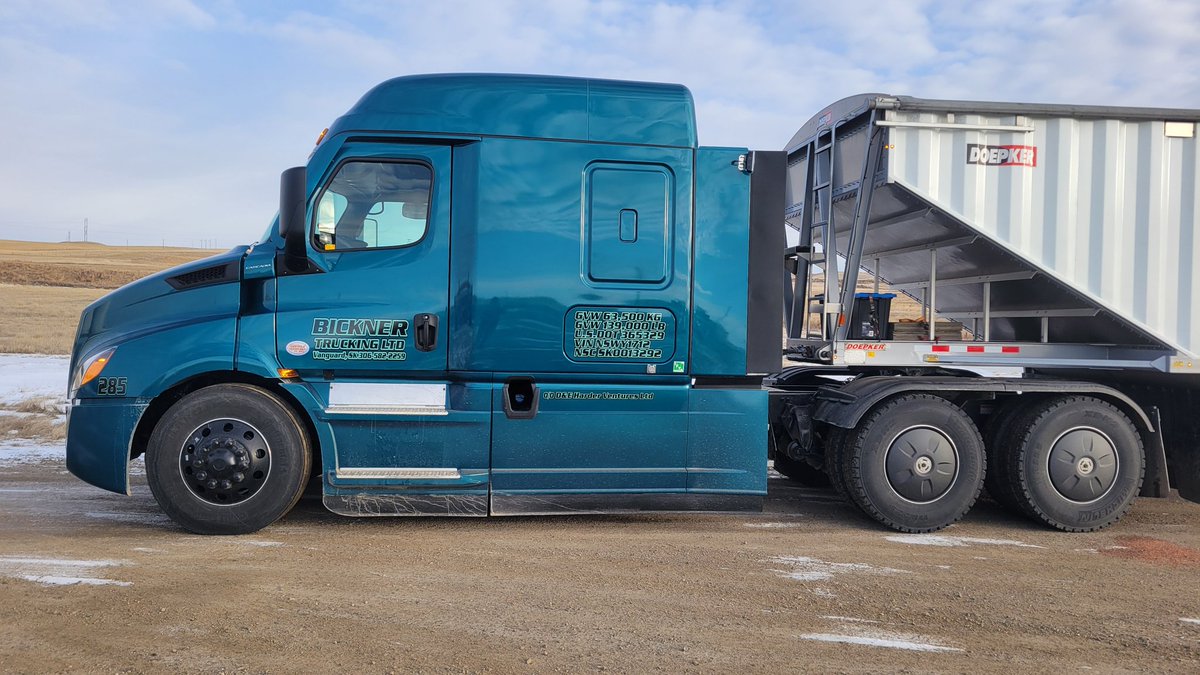
Meet unit 285 , David and dealer been working on this spec sometime. But it is here and ready to go. DD 13 525 1850, autoshift, 2.85, 60mph 1100 od, 1400 direct, full of fuel looking at 17.5 mt will get more. Eapu, bunk, and motor heaters, also park AC. Will interesting to see how it goes. Good luck David.
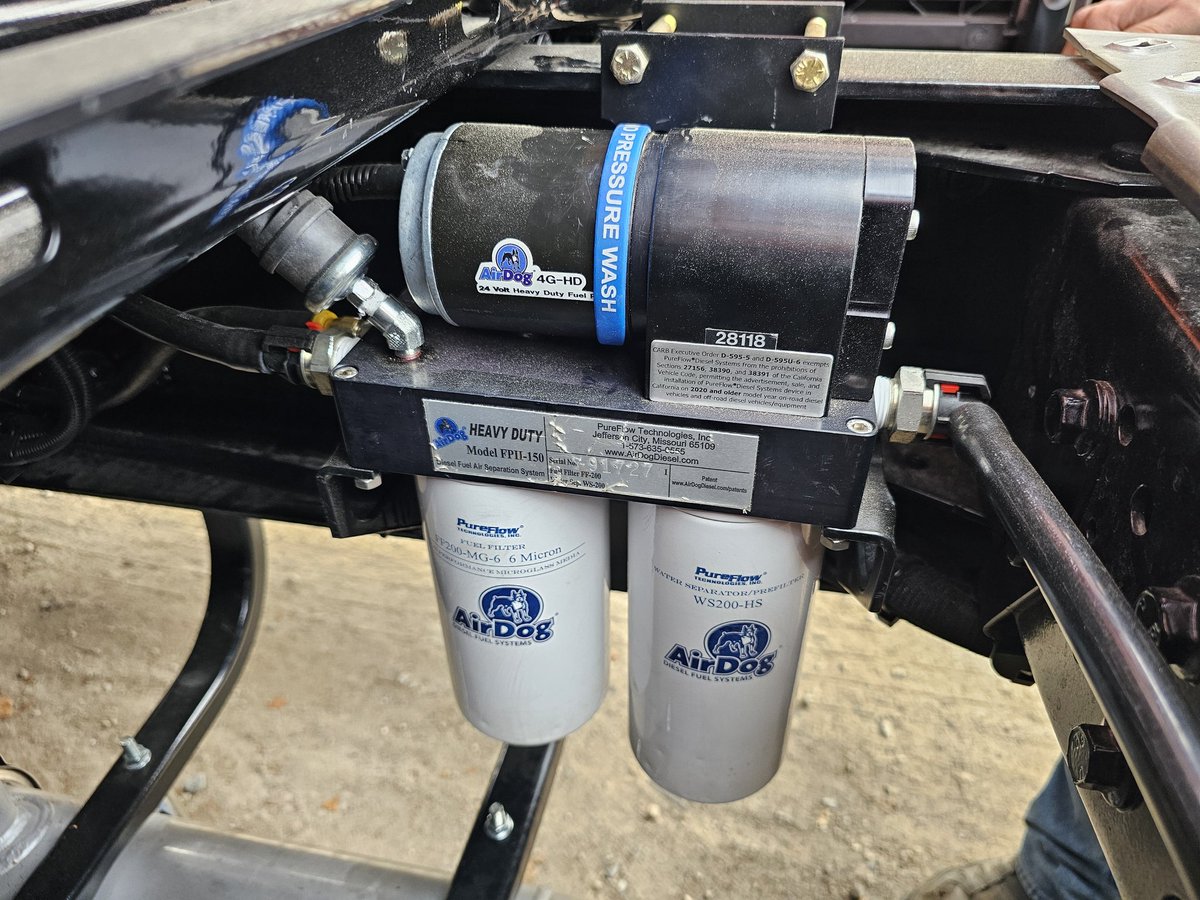
Below is a very lengthy explanation as to why the AirDog @pureflowtech is not only awesome but in my opinion necessary. I copied this from Clint Bankston owner of Paramount repair shop.
Diesel fuel is not only an energy source; it also functions as a critical lubricant within the fuel system. Many fuel system components—particularly high-pressure pumps and injectors—are designed with extremely tight internal tolerances and rely on the lubricating properties of diesel fuel to prevent metal-to-metal contact. As fuel passes through these components, it creates a thin lubricating film that reduces friction, dissipates heat, and limits wear. When adequate fuel flow and pressure are present, this lubrication is continuous and consistent, allowing components to operate within their intended design parameters.
Problems arise when fuel supply becomes restricted or inconsistent. Low inlet pressure, air intrusion, or partial fuel starvation can cause components to momentarily run “dry” or with insufficient fuel volume. In these conditions, the lubricating film breaks down. Friction increases rapidly, temperatures rise, and internal surfaces—such as pump plungers, cam lobes, and injector barrels—begin to scuff or gall. Even short periods of inadequate lubrication can initiate premature wear that later results in hard starts, poor performance, or complete component failure.
The addition of a dedicated lift pump directly addresses this risk. A lift pump ensures a constant, positive supply of fuel from the tank to the high-pressure fuel pump at all operating conditions. By maintaining stable inlet pressure and adequate fuel volume, the lift pump eliminates the possibility of fuel system components running dry. This steady flow keeps internal parts fully wetted with fuel, preserving the lubricating film that protects against friction and heat.
Beyond lubrication, a lift pump also helps purge air from the fuel system and reduces cavitation at the high-pressure pump inlet. Cavitation not only disrupts fuel delivery but also damages internal surfaces through micro-implosions. By preventing these conditions, the lift pump extends the service life of the high-pressure pump, injectors, and associated components. In effect, adding a lift pump transforms fuel delivery from a marginal supply system into a controlled, protective system, significantly improving reliability and durability of the entire fuel system.
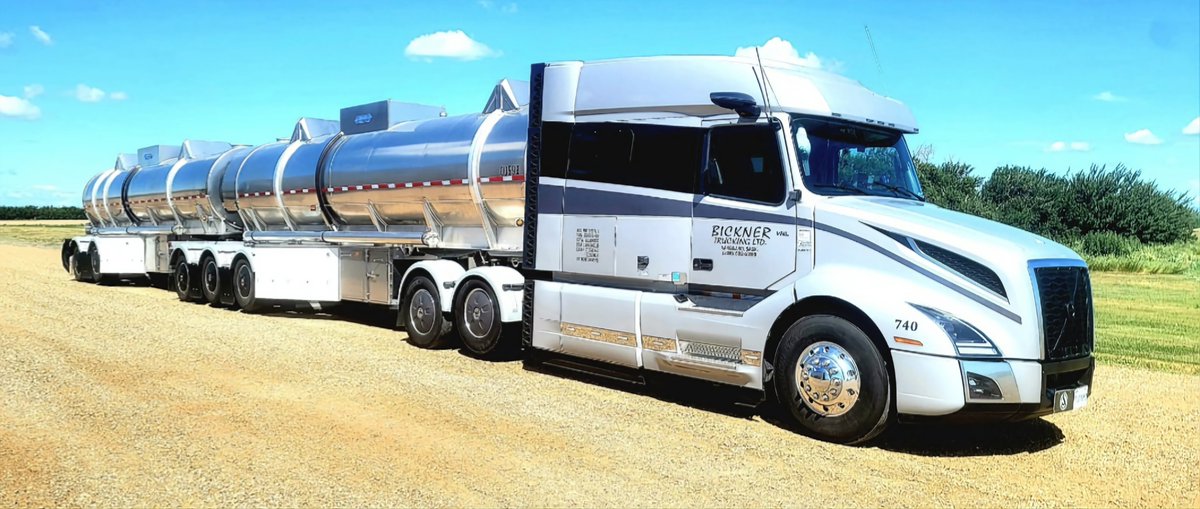
Unit 740 ,2.47 I-Torque, D13 TC,Silver Aero update. as of January 20 2026.
30 day, 7.79 imp, 6.49 USA mpg, 2.76 l per 100km, 36.3 kms per litre ,70% loaded
60 day, 7.79 imp, 6.49 USA mpg, 36.3 l per 100km, 2.76 kms per litre
90 day, 8.01 imp, 6.68 USA mpg, 35.3 l per 100km, 2.83 kms per litr
120 day, 8.14 imp, 6.78 USA mpg, 34.7 l per 100km, 2.88 kms per litre
150 day, 8.29 imp, 6.91 USA mpg, 34.1 l per 100km, 2.93 kms per litre
180 day, 8.44 imp, 7.03 USA mpg, 33.5 l per 100km, 2.99 kms per litre
210 day, 8.54 imp, 7.12 USA mpg, 33.1 l per 100km, 3.02 kms per litre
240 day, 8.67 imp, 7.23 USA mpg, 32.6 l per 100km, 3.07 kms per litre
Year, 12 months , 8.54 imp, 7.12 USA mpg, 33.1 l per 100km, 3.02 kms per litre
Lifetime , 8.44 imp, 7.03 USA mpg, 33.5 l per 100km, 2.99 kms per litre
Keep in mind 1.5 years old so 2 winters one summer in lifetime, 290,000 kms.