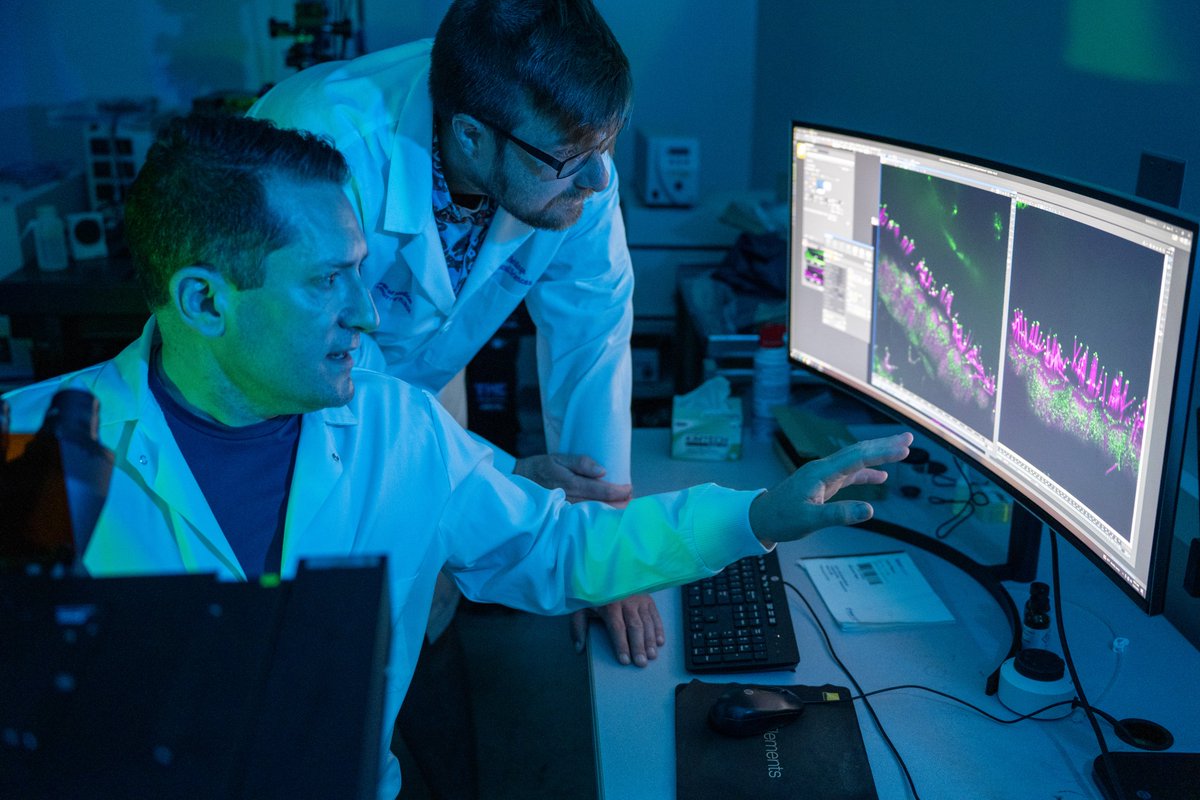
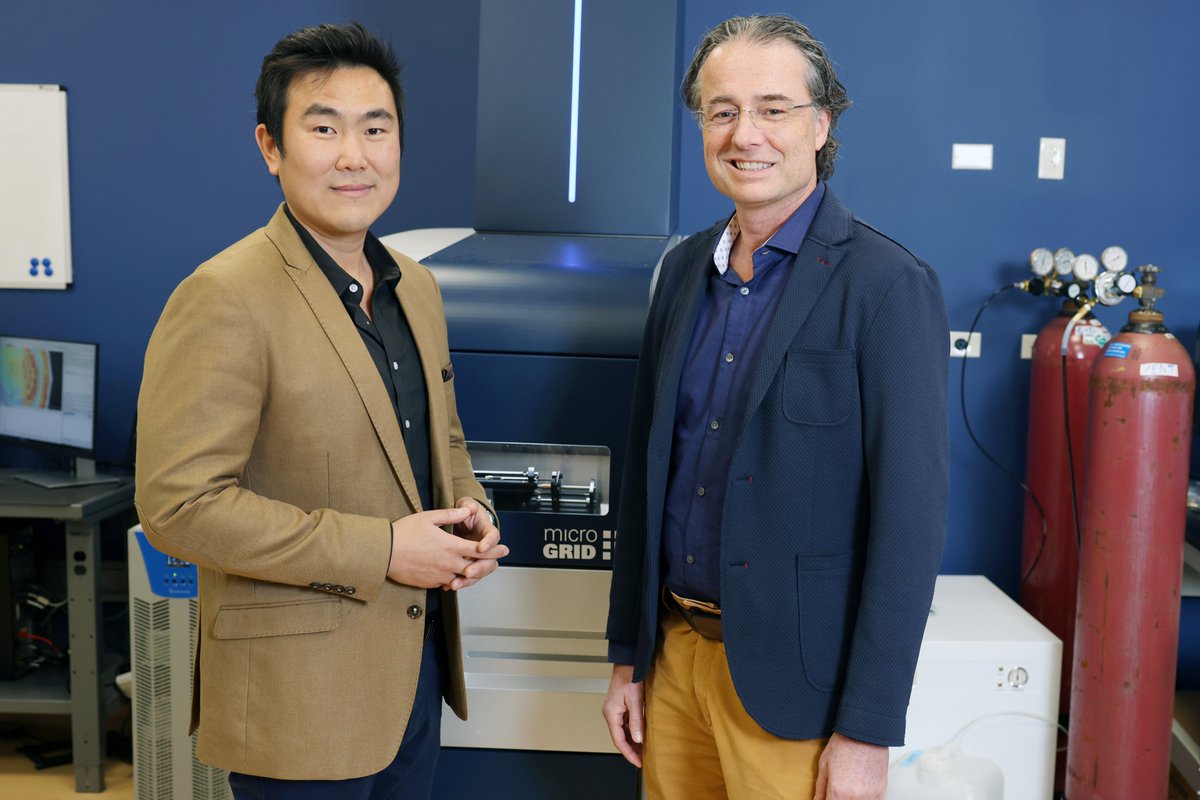
A big congrats to MBI members Drs. Robert McKenna & Maurice Swanson for being named Distinguished Professors, the highest faculty honor awarded at @UF, recognizing professors for exceptional achievements in teaching, research and publication, and professional and public service.
Preclinical study co-led by MBI researchers could pave way for gene therapy to restore hearing in children born deaf w/ Usher syndrome. Findings show how gene mutations may affect tuning mechanism, allowing auditory hair cells to detect sound.
Read more: https://t.co/EUiYgvvHtf
Congrats to MBI researcher Dr. Brian Hoh, who received the Ralph G. Dacey Jr. Medal for Cerebrovascular Research at the @SNISinfo meeting, recognizing novel, outstanding & continuous contributions to the basic, translational and clinical understanding of cerebrovascular disease.
.@UF researchers used advanced AI, MRI scans and biomarkers to measure how overlapping Alzheimer’s & Lewy body pathologies affect brain structure, strengthening evidence that mixed pathologies accelerate neurodegeneration and cognitive decline.
Read more: https://t.co/AlQXrEt8jr
Ready to accelerate your neuroscience career at the University of Florida?
The MBI Gator NeuroScholars fellowship offers 3 postdocs a highly competitive stipend (up to $70K), research funding, travel support & mentorship opportunities.
Apply by Sept. 4: https://t.co/ZnZl3duoNJ
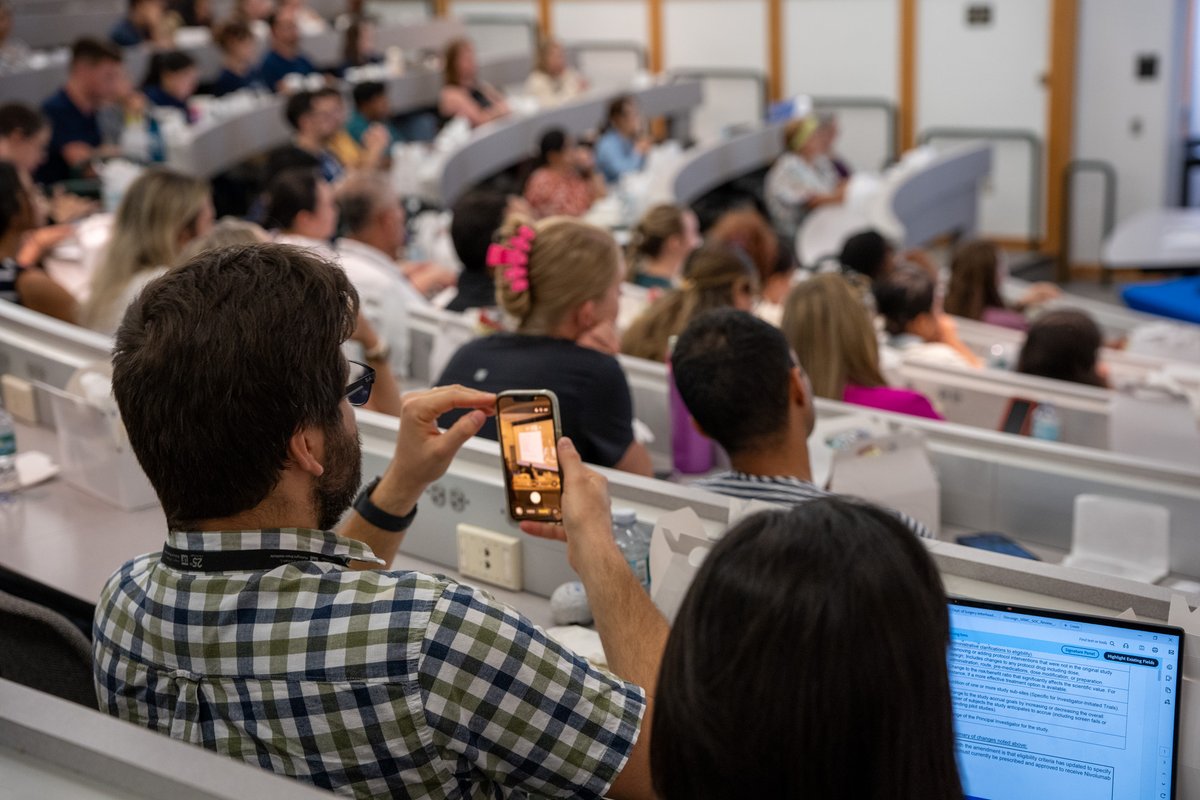
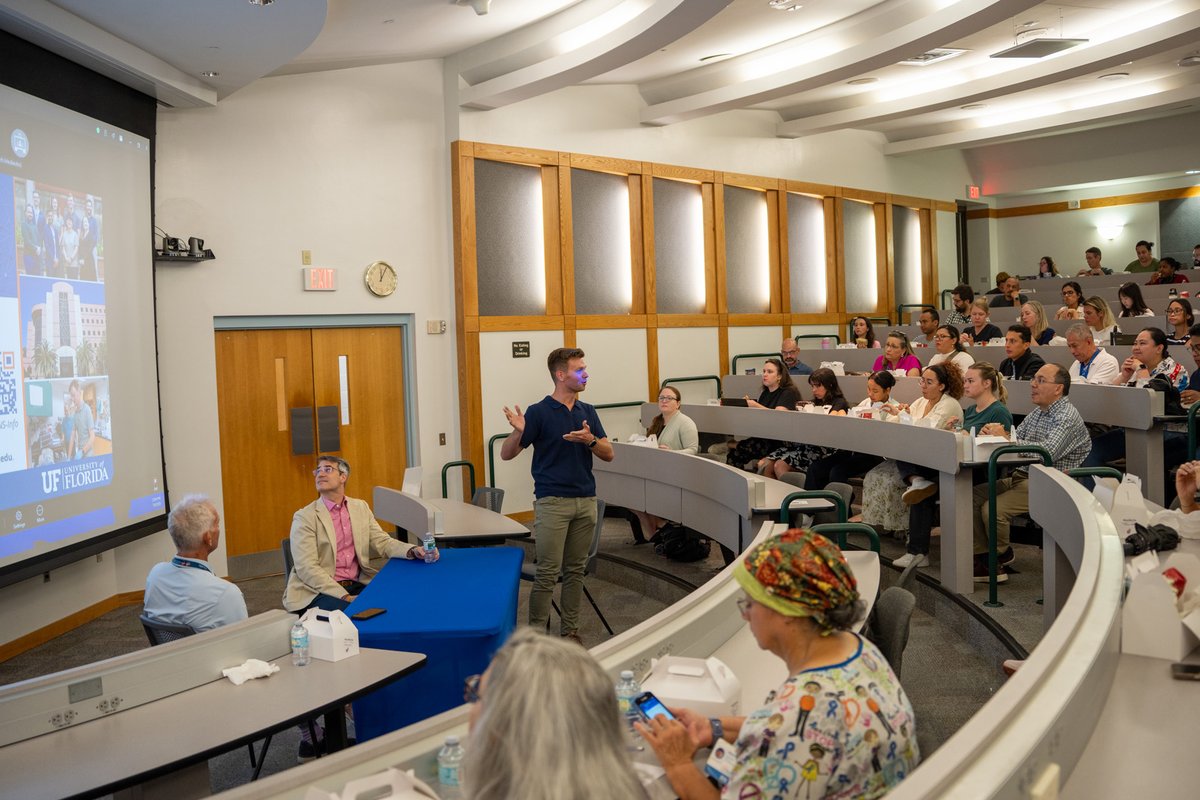
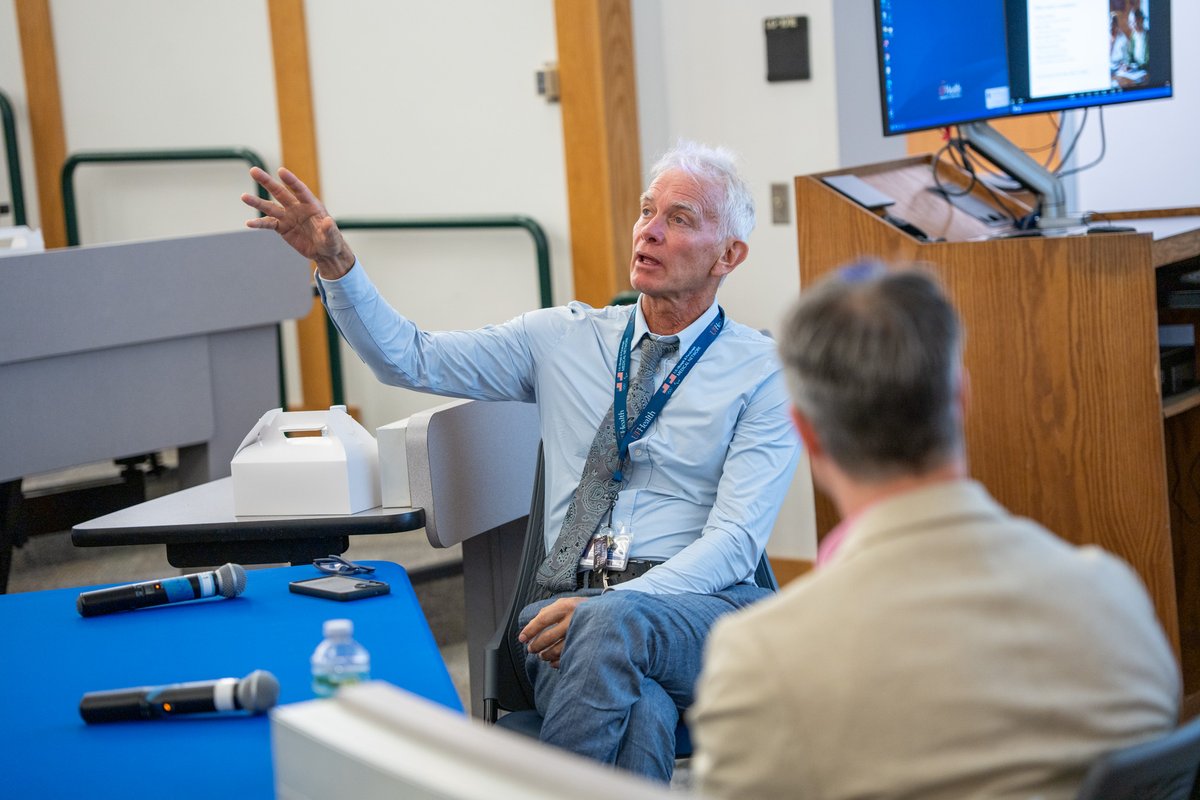
Today, @NeuroPD2 hosted "Navigating Scientific Publishing and AI Responsibly," an Elsevier author workshop offering tips for publishing in a changing landscape. Thanks to speakers Megan Monachino of Elsevier and Drs. Matthew LaVoie & Christiaan Leeuwenburgh for a great session.
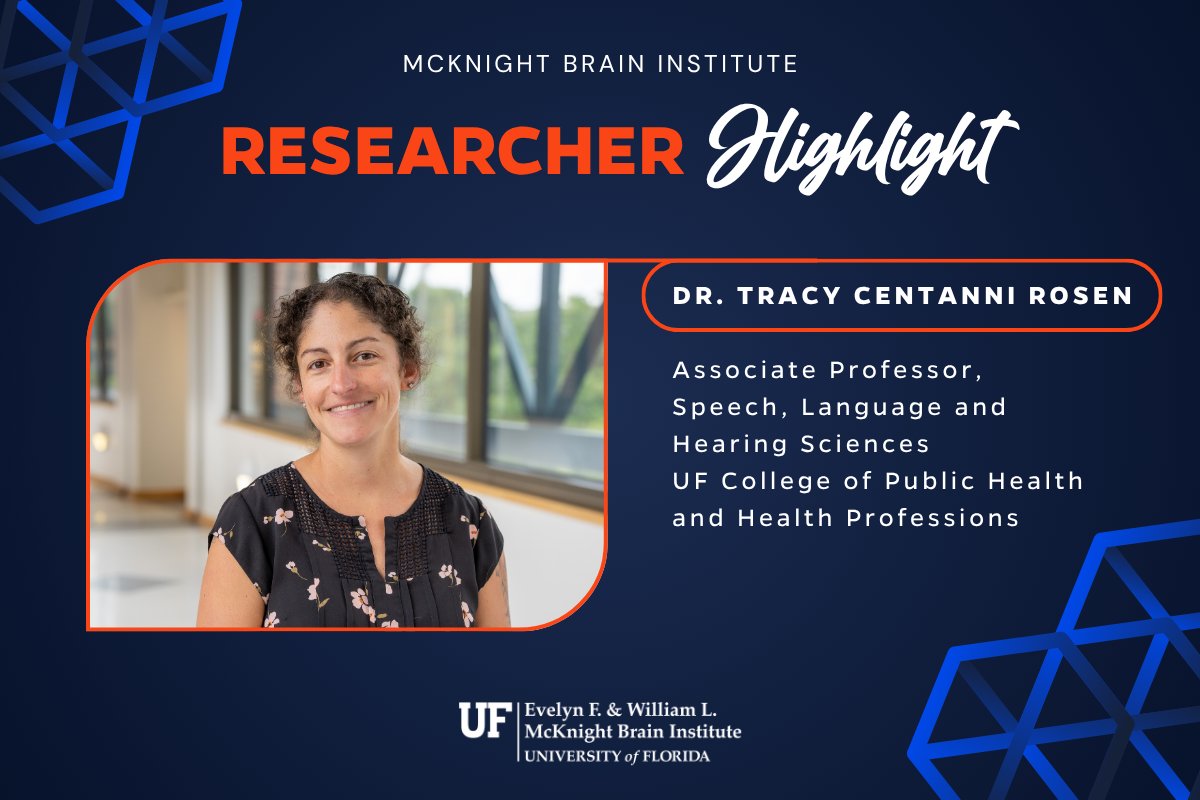
Our latest MBI Researcher Highlight features Dr. Tracy Centanni Rosen. Her research explores the root causes of dyslexia & how to spur the brain’s ability to adapt using noninvasive vagus nerve stimulation to improve reading & language skills.
Read more: https://t.co/MHzCkZKh5y
The lab of Dr. Joseph Gullett uses the latest AI technology to predict disease progression and intervention outcomes in older adults with mild cognitive impairment and studies the relationship between microscopic white matter structures and clinical disorders. #MBI_Labs
🧠🏃 New preprint exercise neuroscience from the lab!
We built a multi-organ spatial metabolomic atlas of long-term exercise in mice. Six organs. 224 metabolic features. Coordinated inter-organ remodeling.
The biggest surprise? The brain reshaped its metabolism the most, region by region.
We took the same approach into PS19 tau mice. Exercise cut over 70% of observable tau pathology in the hippocampus and restored the mitochondrial metabolome.
Integrated proteomics + spatial metabolomics pointed to one convergent node: NADH dehydrogenase Complex I.
So we tested it. We expressed yeast Ndi1 in PS19 neurons. No exercise. This alone raised brain antioxidants, restored shuttle metabolites, and reduced tau pathology.
Boosting Complex I activity reproduces the core anti-tau effects of exercise. A molecular handle on why movement may protect the aging brain.
https://t.co/FO0vCWSi3m
New study by MBI researchers has found that using certain FDA-approved medications for addiction treatment was not associated with worse outcomes or additional impairment among participants in Florida’s physician health program.
Learn More: https://t.co/Jy9oTwIWFA
I wanted to do a threadorial on our new study: "Hyperglycosylation is a metabolic driver of Alzheimer’s disease" highlighting new tech, mouse models, spatial isotopic tracing, mechanistic insights and the connection to AI/EHR.
https://t.co/jKNK84uYXQ
Why should we consider the brain before and after surgery?
Catherine Price, neuropsychologist and professor in the Department of Clinical and Health Psychology shares the research behind why cognitive testing should be required prior to surgery. https://t.co/dPh2ckLtvT
40+ million Americans take an over-the-counter supplement for joint pain that may speed memory loss in people with Alzheimer’s, according to new research in Nature Metabolism. In @ConversationUS, MBI researcher Dr. Ramon Sun explains his team’s findings.
https://t.co/hpw9mPahxV
In @AmericanLegion Magazine, MBI researcher Dr. Michael Jaffee discusses the importance of brain health for veterans and offers tips for neuroprotective lifestyle choices.
Read the story: https://t.co/74zLQlm8Lh
.@NatMetabolism analysis by MBI researchers shows glucosamine use is associated with 25% rise in progression from mild cognitive impairment to dementia. Preliminary findings advance knowledge of metabolic dysregulation & neurodegeneration.
Read more: https://t.co/SEgadn51Qr
Our latest MBI Researcher Highlight features Dr. Kimberly Alonge. Her research explores the role of the brain’s extracellular matrices, or the supportive network surrounding brain cells, in neuro disorders and in aging, obesity and diabetes.
Read more: https://t.co/gByJS5IOL9
MBI researcher Dr. Carol Mathews co-led the largest study to date on the genetics of OCD, which identified DNA variants that could help predict who is at greater risk of developing it and guide better treatment.
Check out this video 👇 & read more 👉 https://t.co/kyUANRhrrE
The lab of Dr. Michelle Bedenbaugh studies neural circuits that drive eating, stress responses and other motivated behaviors, including how individuals choose between satisfying hunger and fulfilling other needs. #MBI_Labs
Learn more: https://t.co/OhA0bLKVqJ
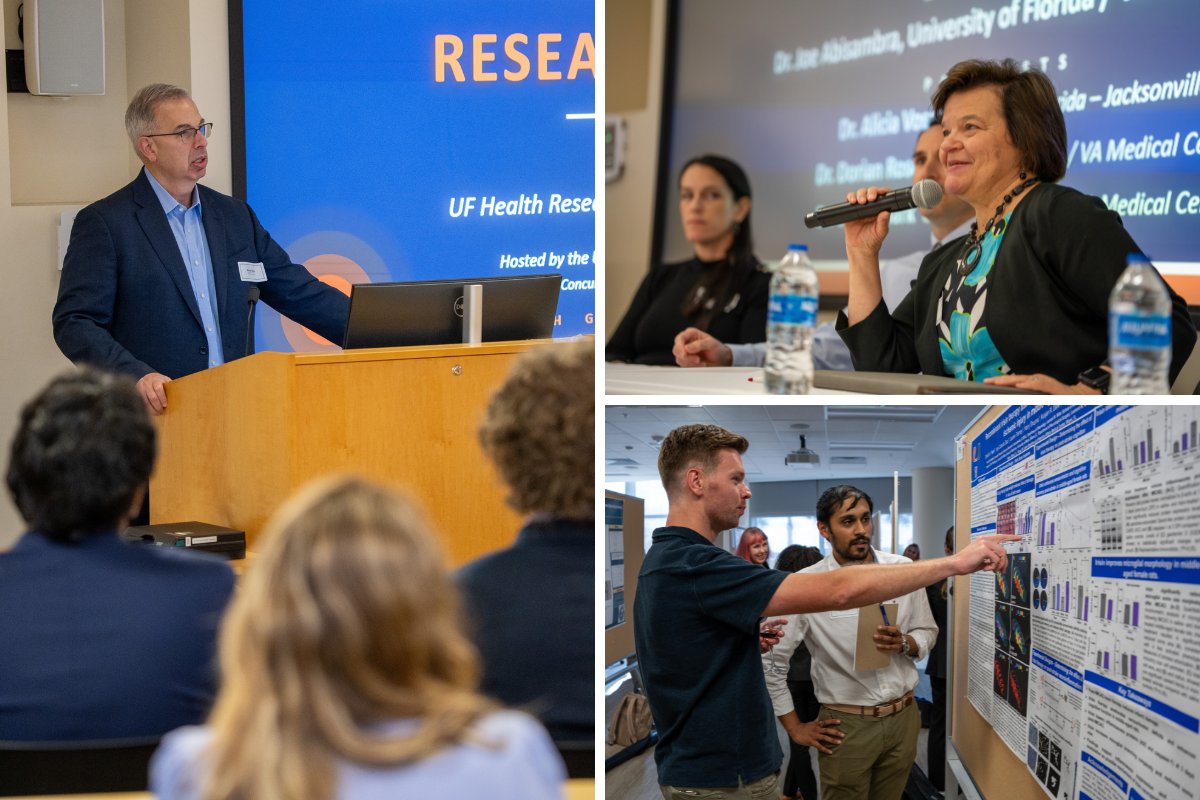
150+ researchers, clinicians, trainees & partners gathered in Orlando for first Florida Brain Injury Research Symposium hosted by @UFBrainInjury & sponsored by @MBI. The event highlighted advances in brain injury research, treatment & recovery.
Read more: https://t.co/1tpxKMCKlk
.@aaas featured MBI researcher Dr. Czerne Reid in a member spotlight for advancing science communication at one of the world's largest scientific societies, helping members translate complex research into accessible public-facing communication.
Read more: https://t.co/rebBOli8By