Excited to share our new paper out today in @NatureMetabolism! "Hyperglycosylation is a metabolic driver of Alzheimer’s disease"
*We bridged spatial metabolomics (MALDI-MSI glycomics + lipidomics + isotopic pulse-chase tracing) directly to experimental biochemistry (genetic knockdown of glycan enzymes + glucosamine supplementation in AD models) and real-world public health data (EHR analysis showing glucosamine use linked to faster MCI-to-AD progression and worse survival).
**Key takeaway: The AD brain shows conserved hyperglycosylation driven by ramped-up glycan biosynthesis — not just a byproduct, but a causal driver. Reducing it helps cognition; boosting it (e.g., via glucosamine) worsens outcomes.
***We applied cutting-edge spatial tech to functional validation and clinical translation.
Full open-access paper: https://t.co/77DDRLM4EM
Huge thanks to the incredible team, collaborators (incl. Matt Gentry, Stefan Prokop, @ji0ngbi0n , Yi Guo, @lichenbiostat, Ralph Deberardinis & others), and the patients/families who make this work possible.
🚨 Chinese scientists just detected an unexplained 71-terahertz vibration inside mitochondria — the microscopic "powerhouses" of living cells.
The work was published by researchers at the University of Shanghai for Science and Technology.
The signal, which oscillates 71 trillion times per second, was detected in living human cells and mouse tissues but vanished completely once the cellular structures were dried or disrupted.
This dependency on structural integrity led the scientific team to propose that mitochondria may utilize a quantum hybrid state, known as a polariton, created by light-matter coupling inside their highly folded inner membranes to optimize how they function.
To test this theory, the scientists stimulated human cell cultures with weak infrared light tuned to specific frequencies associated with this quantum state. The experiment yielded a stunning 10 percent jump in the production of adenosine triphosphate (ATP), the vital molecule that fuels almost every biological function in our bodies.
While the study was published as a bioRxiv preprint and is still awaiting peer review, it represents a monumental leap for quantum biology. If verified, the ability to manipulate these quantum channels could pave the way for revolutionary treatments targeting metabolic diseases, aging, and chronic genetic conditions.
source: Song, B., et al. (2026). A quantum state of mitochondria in the living cell. bioRxiv.
Excited to share our lab’s latest preprint out now on bioRxiv!, amazing effort by Phd students cameron shedlock @HarrisonAC haley peters !
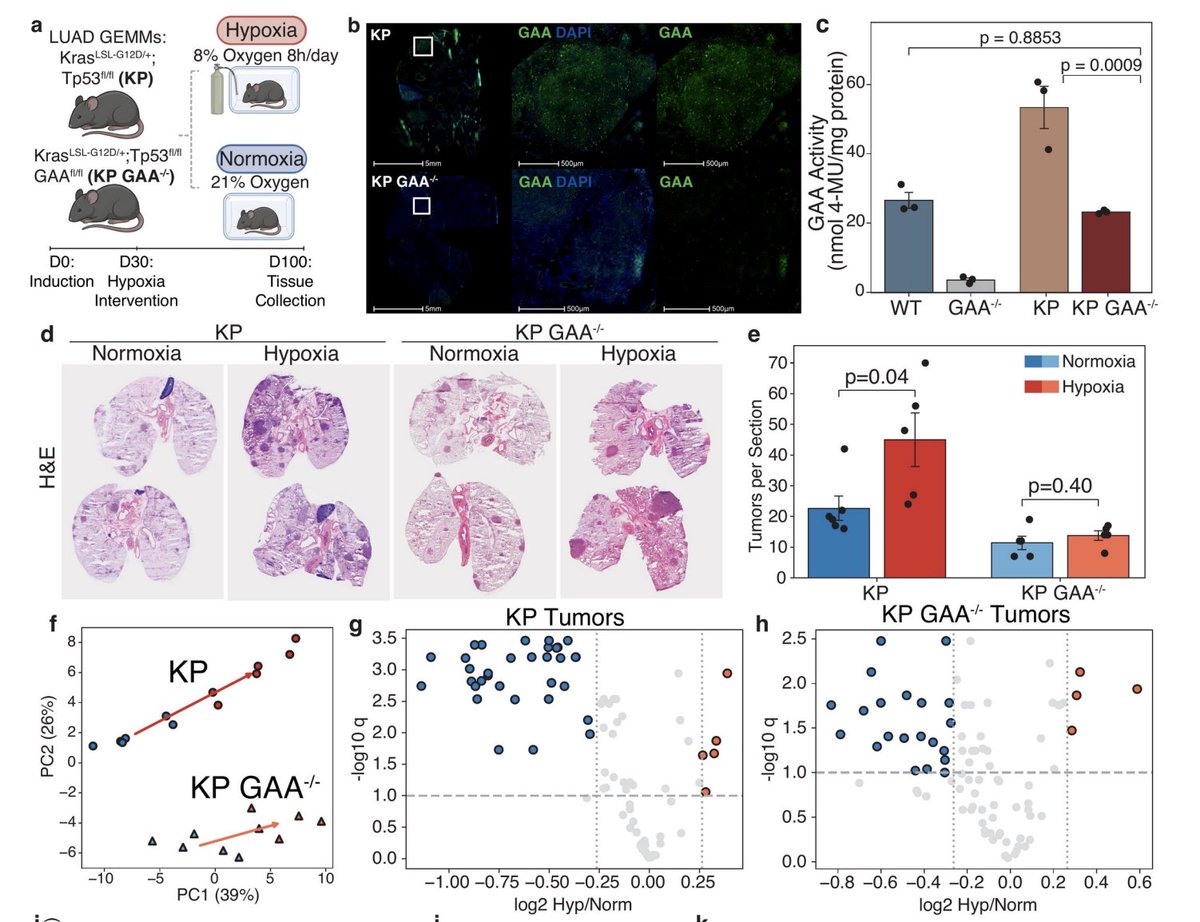
How do conditions like COPD or sleep apnea accelerate lung cancer? We found that systemic hypoxia remodels tumor metabolism, using the lysosomal enzyme GAA to mobilize glycogen reserves and fuel rapid growth.
Read the full story here: https://t.co/tPo8q82xQy
Ramon Sun, Ph.D., (@RCSunlab) a leading biochemist and molecular biologist specializing in metabolism and spatial biology, has been named co-leader of the UF Health Cancer Institute’s Mechanisms of Oncogenesis (MOO) research program: https://t.co/zsUgWRtCOh
Starting as Professor today. Looking back, I honestly do not know how i got here living with ADHD, OCT, and dyslexia. I cant spell any words longer than 7 characters. All i can explain is that i have the best kids, wife, friends, mentors, collaborators, and trainees !
@Bio_Replica thx Melissa! we are not rulling anything out at this stage ! irrelevant what the mechanism is for the phenotype, it will be super interesting to study ! especially it improves behavioural !
Spooky action at a distance of the mouse brain.
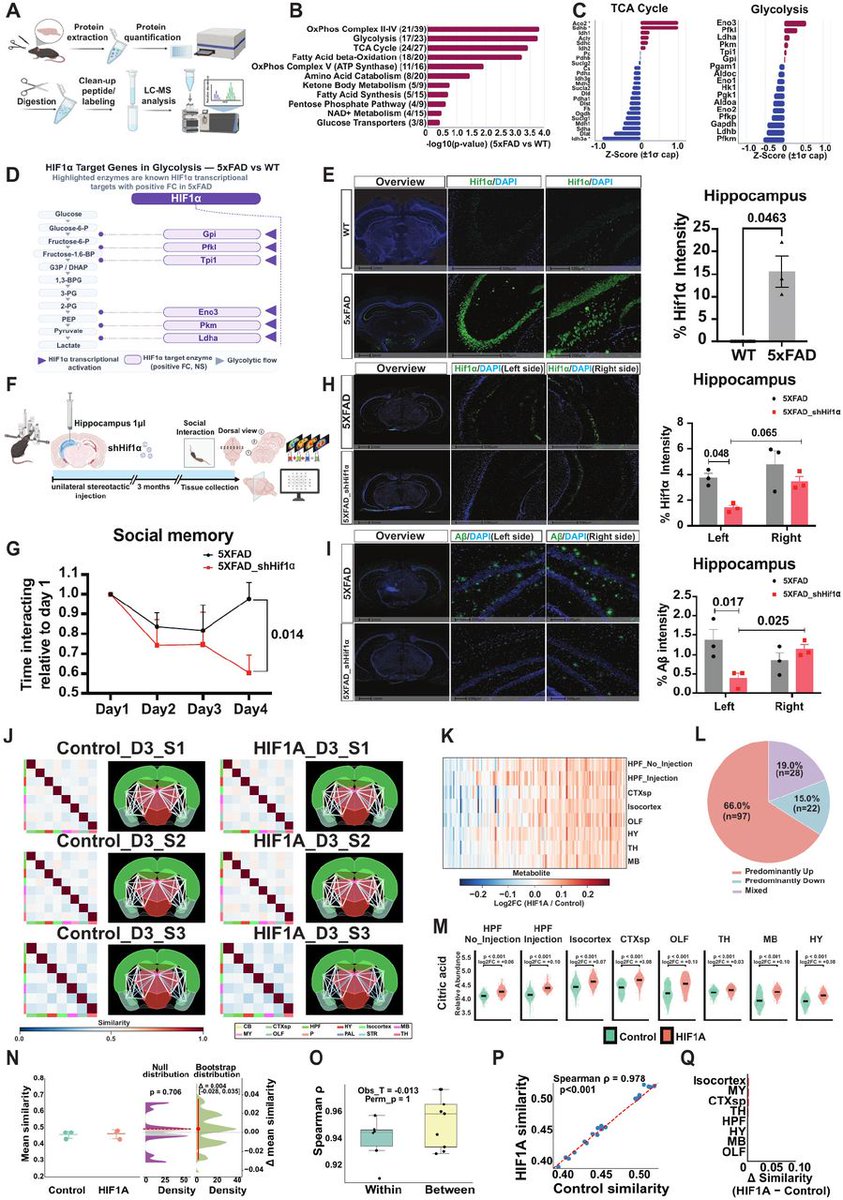
Our new preprint shows that brain metabolism is organized as a coherent network. Local intervention in one region can normalize metabolism across distant but metabolically similar regions — even in an Alzheimer’s model — without direct gene or plaque changes there.
We don’t yet know the mechanism, but we tested it with two different challenges and saw clear network-level metabolic normalization.
How we got there (MALDI imaging → conclusion):
Mapped the spatial metabolome across 12 major mouse brain divisions using MALDI imaging + Allen Brain Atlas registration.
Defined metabolic coherence as an optimal-transport-derived inter-regional metabolite similarity metric. Hippocampus emerged as a hub with high similarity to cortex, thalamus, hypothalamus, etc.
In the 5xFAD amyloid model, individual metabolites and lipids changed dramatically (mitochondrial dysfunction signatures), yet the overall inter-regional coherence structure stayed largely preserved. Metabolites shifted in a coordinated way that maintained network relationships.
Targeted the left hippocampus with two distinct local interventions: lentiviral shHIF1α knockdown and neuronal AAV-AOX expression.
Both challenges normalized metabolites at the injection site. More strikingly, normalization extended to distal regions sharing high metabolic coherence — even though gene modulation and amyloid plaque reduction remained strictly local.
Network-level metabolic rescue was accompanied by improved social memory. Coherence itself was preserved.
Bottom line: Metabolic coherence functions as essential “spooky action at a distance” — a network property that allows coordinated metabolic responses across anatomically distant brain regions.
This opens new ways of thinking about how local perturbations (or therapies) can influence distributed brain networks in health and disease.
https://t.co/mQHF56D73Q