#Kudos
Three PCMA UW researchers have been awarded Scholarships from the Lanckoroński Foundation and the De Brzezie Lanckoroński Foundation for 2027!
🔸Dr Paweł Lech🔸
🔸Agnieszka Wujec, M. Sc Eng. Arch.🔸
🔸Tomasz Barański, MA🔸
▶️https://t.co/CYTt0JP7sJ
Congratulations!
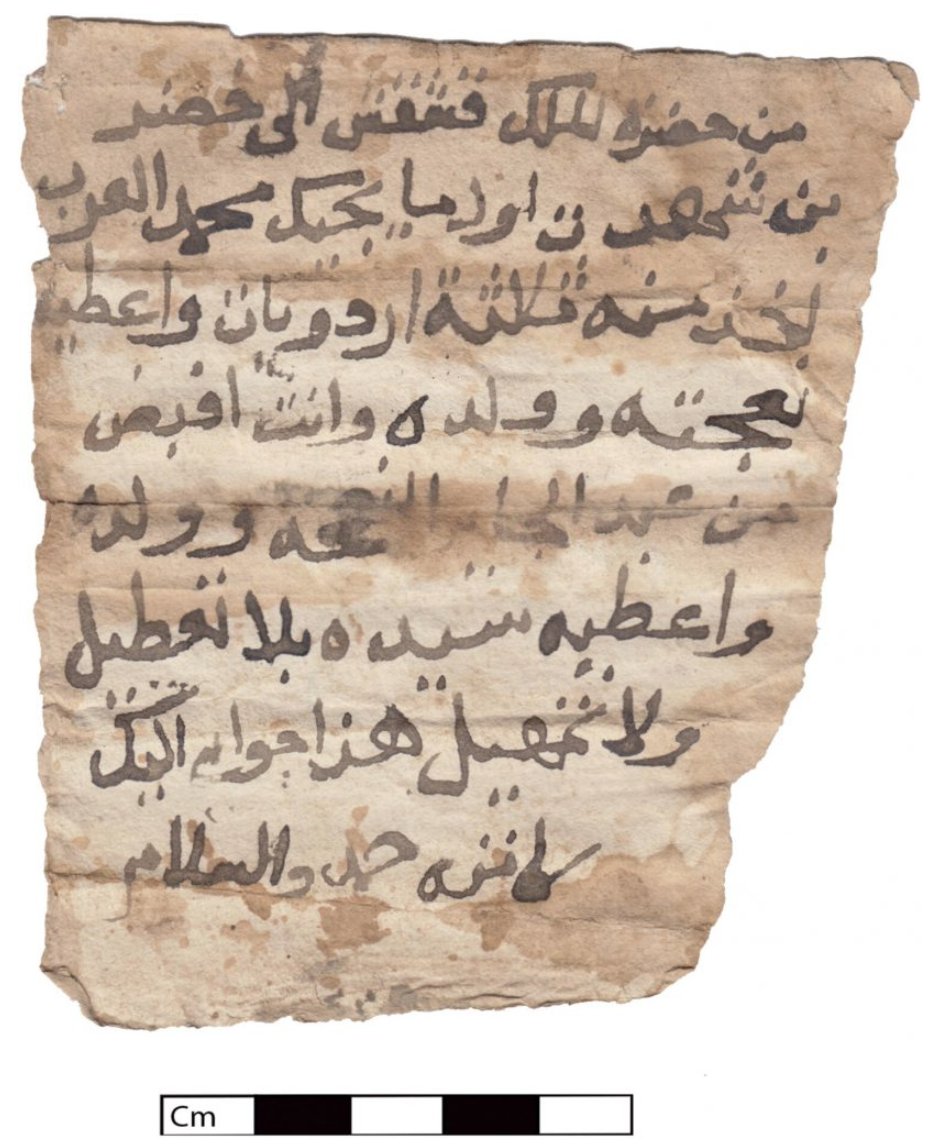
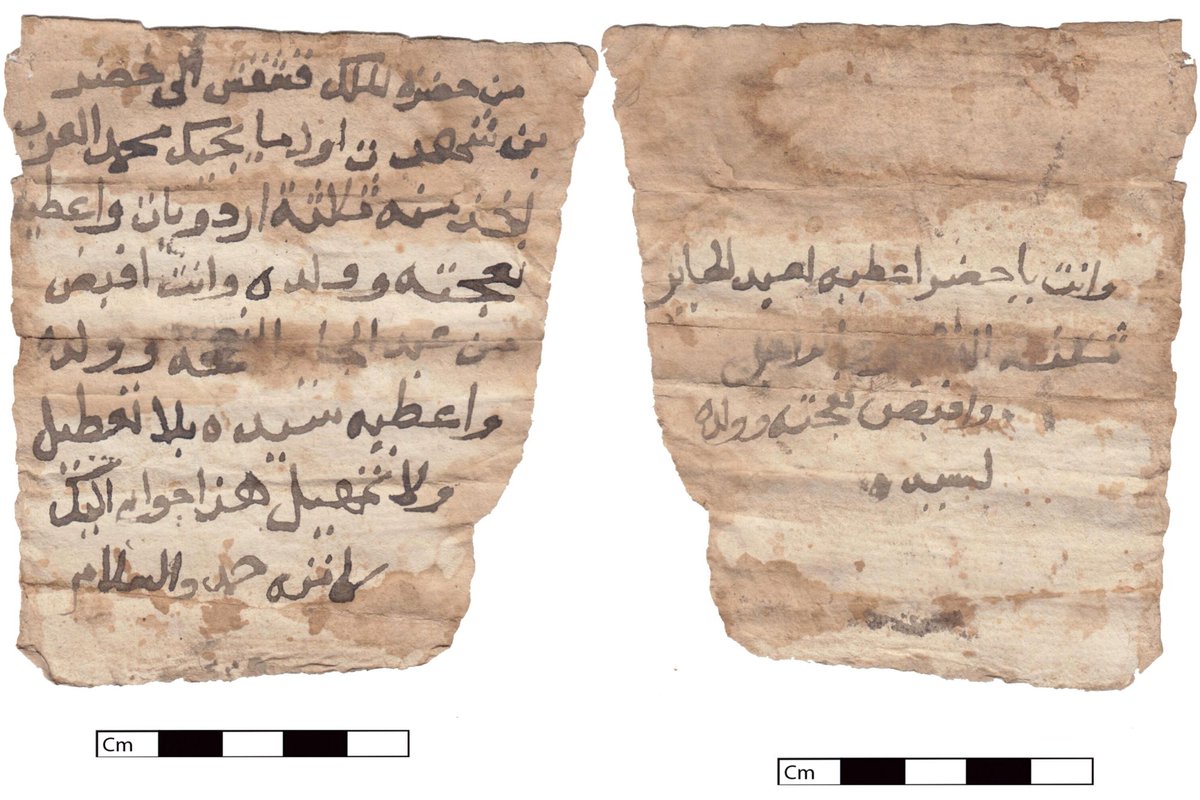
King Qashqash, a ruler in medieval Old Dongola, now Sudan, was thought by some to be only a figure of legend. But new archaeology has recovered a paper fragment of an order issued by the king. Archaeologists also found linen, silk, and ivory.
https://t.co/IZhVaUZpnz
Niepozorny dokument z Dongoli pozwolił polskim archeologom potwierdzić istnienie władcy Nubii znanego dotąd głównie z późniejszych przekazów. Nowe źródło rzuca światło na słabo rozpoznany okres jej dziejów.
https://t.co/FizOCXNDCs
Polish archaeologists working in Old Dongola in Sudan have discovered an Arabic document confirming the existence of King Qasqash, a ruler previously regarded as a semi-legendary figure.
@PCMA_UW
https://t.co/DLxbg6Sxk6
@TVPWorld_com Thank you for highlighting @PCMA_UW's research. Just a small correction: Qashqash wasn't the ruler of Christian Makuria, but rather the sovereign of the Kingdom of Dongola, which had become Islamic by the period in question.
Polish archeologists working in Sudan have uncovered a centuries-old Arabic document confirming the existence of King Qasqash, a ruler of the Christian Kingdom of Makuria, once considered semi-legendary.
Naukowcy z #UW potwierdzili istnienie króla Qaszqasza. Odkryty przez badaczy z Centrum Archeologii Śródziemnomorskiej im. Kazimierza Michałowskiego arabski dokument potwierdza istnienie władcy, którego postać do tej pory uznawano za półlegendarną.
🔗https://t.co/lrYgxwSb5d
Przełomowe odkrycie polskich archeologów. Dokument potwierdza istnienie legendarnego króla
#archeologia
Kliknij w zdjęcie, by dowiedzieć się więcej 🔽
https://t.co/5Ex3FiHPGe
👑 Who wouldn’t want a find like this?
🔸@TomaszBaraski9 🔸 @arturobluski &🔸 @maciejwyzgol published an Arabic document from #OldDongola#Sudan confirming the existence of semi-legendary King Qashqash!
📜Read the story of the discovery by @ERC_Research#UMMA project:
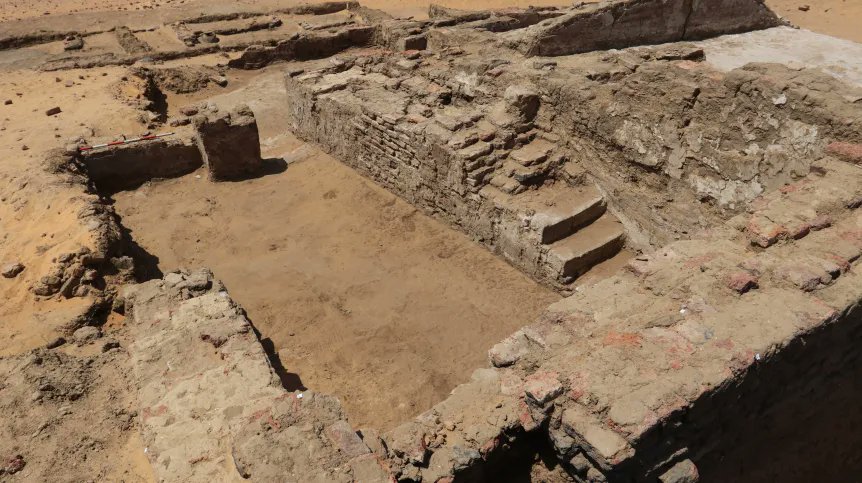
Polscy archeolodzy dokonali przełomowego odkrycia w Starej Dongoli w Sudanie. Podczas wykopalisk znaleziono arabski dokument potwierdzający istnienie króla Qaszqasza, dotąd uznawanego za postać półlegendarną. Pismo odnaleziono w budynku, który lokalni mieszkańcy nazywają Domem Króla.
https://t.co/a0whx8kDsQ
Polscy uczeni udowodnili istnienie półlegendarnego króla. Dowód znaleźli w warstwie śmieci.
W 1964 roku Centrum Archeologii Śródziemnomorskiej Uniwersytetu Warszawskiego rozpoczęło, pod kierunkiem profesora Kazimierza Michałowskiego, prace archeologiczne w Starej Dongoli na terenie Sudanu. W ostatnich latach informowaliśmy o niezwykle interesujących odkryciach i badaniach tam prowadzonych. Archeolodzy znaleźli pozostałości katedry i tajemnicze pomieszczenia z wyjątkowymi rysunkami, a przyrodnicy prowadzili badania nad nietoperzami. Teraz doktor habilitowany profesor UW Artur Obłuski, doktor Maciej Wyżgoł i magister Tomasz Barański udowodnili istnienie półlegendarnego króla Qašqaša.
Szczegóły w komentarzu
A 17th-century Arabic document from Old Dongola confirms the existence of King Qashqash, offering new insights into Nubian rulership and the Arabization of the region during the Funj period. https://t.co/ojlwfB4gm5 https://t.co/pQbd2go1VX
Un documento árabe hallado en Sudán confirma la existencia de un rey nubio semilegendario del siglo XVI
📜Un pequeño documento árabe rescatado de un vertedero en Vieja Dongola aporta la primera prueba histórica directa del rey nubio Qashqash, hasta ahora conocido solo por la tradición. El hallazgo ilumina uno de los periodos más oscuros del Sudán precolonial y reescribe la historia política de la Nubia del siglo XVI.
🎧Incluye podcast comentado de la noticia. https://t.co/WzS1ckKpxK
If interested in Sudan, check my, @arturobluski and @maciejwyzgol (all @PCMA_UW) contribution: 'The King of Nubia at work: archaeological context and text edition of a sixteenth/seventeenth-century Arabic document from Old Dongola' https://t.co/LKU3hziQFX
@SUDAN000000 كتب في هذا الكتاب ما يلي
"These isolated, funerary towers are found along the route leading to the Red Sea and are linked to pilgrimage and trade rather than to gold mining"
👏More #kudos: our PCMA UW colleague 🔸Tomasz Barański got an @FNP_org_pl START #scholarship! It's aimed for young scholars with accomplishments in their field. In Tomek's case it is #archaeology & #Arabian#epigraphy
Congratulations!
👉https://t.co/VyHC6OQB2h