MA Ancient History at Freie Universität Berlin | also interested in #WW1 & #WW1Centenary | Nihil esse utile, quod non honestum sit. - De Officiis III, 85.
My Herodes Atticus talk at the "Erode Attico: imitatio Hadriani" conference in Tivoli is now on the Istituto Villa Adriana e Villa d'Este YouTube channel.
https://t.co/p7hdglZZuf
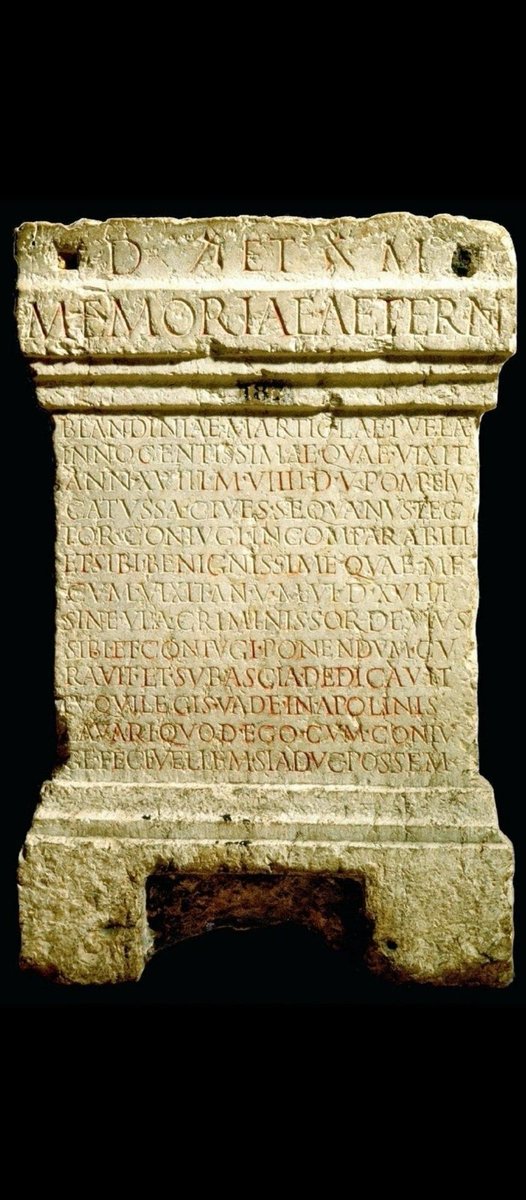
#Roman tombstone in memory of Blandinia Martiola, who lived 18 years, 9 months, 5 days; 3rd C AD. On display at Gallo Roman Museum, Lyon.
Blandinia lived with Pompeius, a plasterer (TECTOR), 5 years, 6 months & 18 days "without any kind of fault" ~ SINE VL(L)A CRIMINIS SORDE
Pompeius Catussa set up a touching epitaph: "You, who are reading this, go and bathe in the Baths of Apollo, just as I used to do with my wife. I wish I still could."
Augustus died on this day in 14 AD after ruling his new Roman Empire for more than 40 years. Here is a fun comparison of the reconstructed face of Augustus by the Cesares de Roma project, with a silver denarius portrait from my collection!
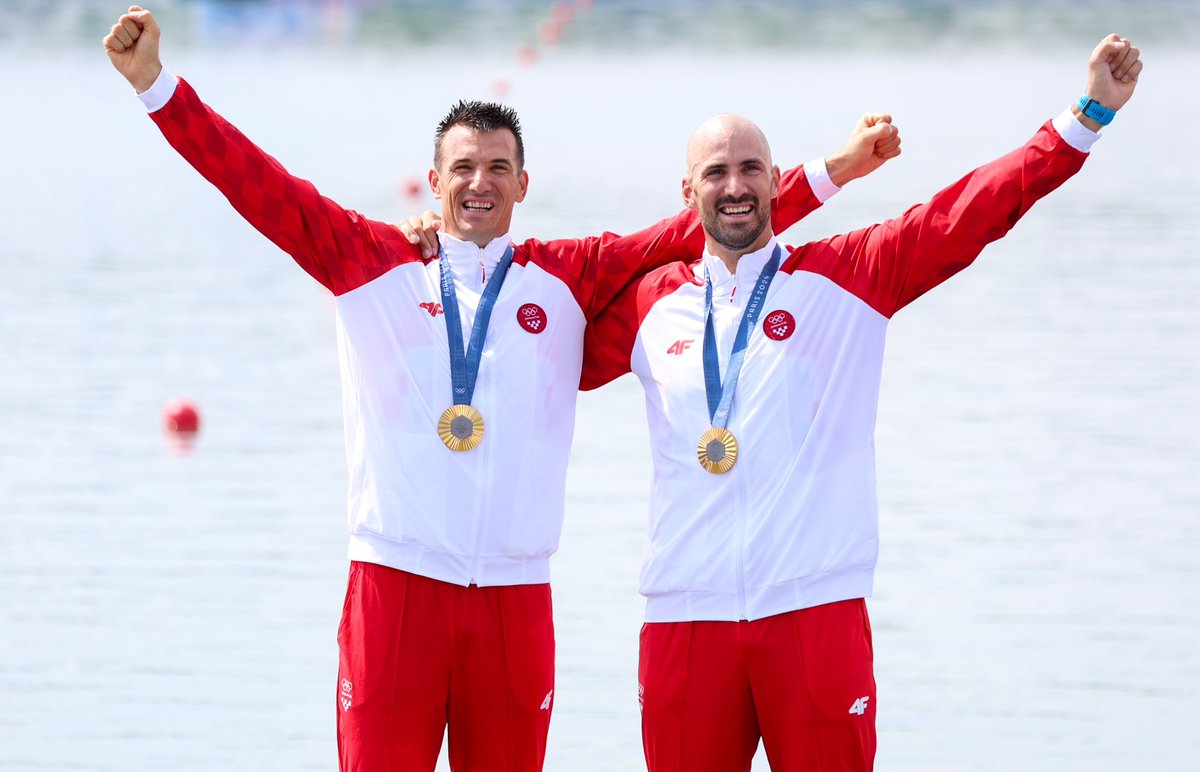
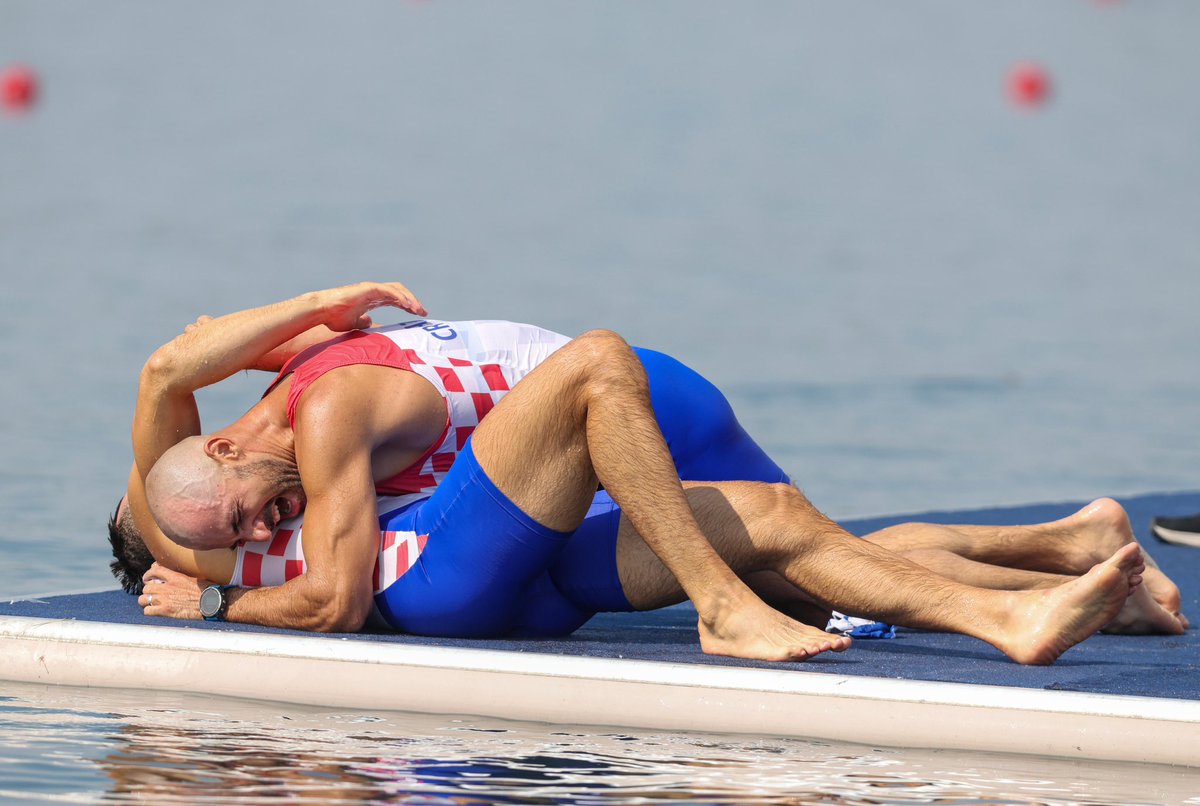
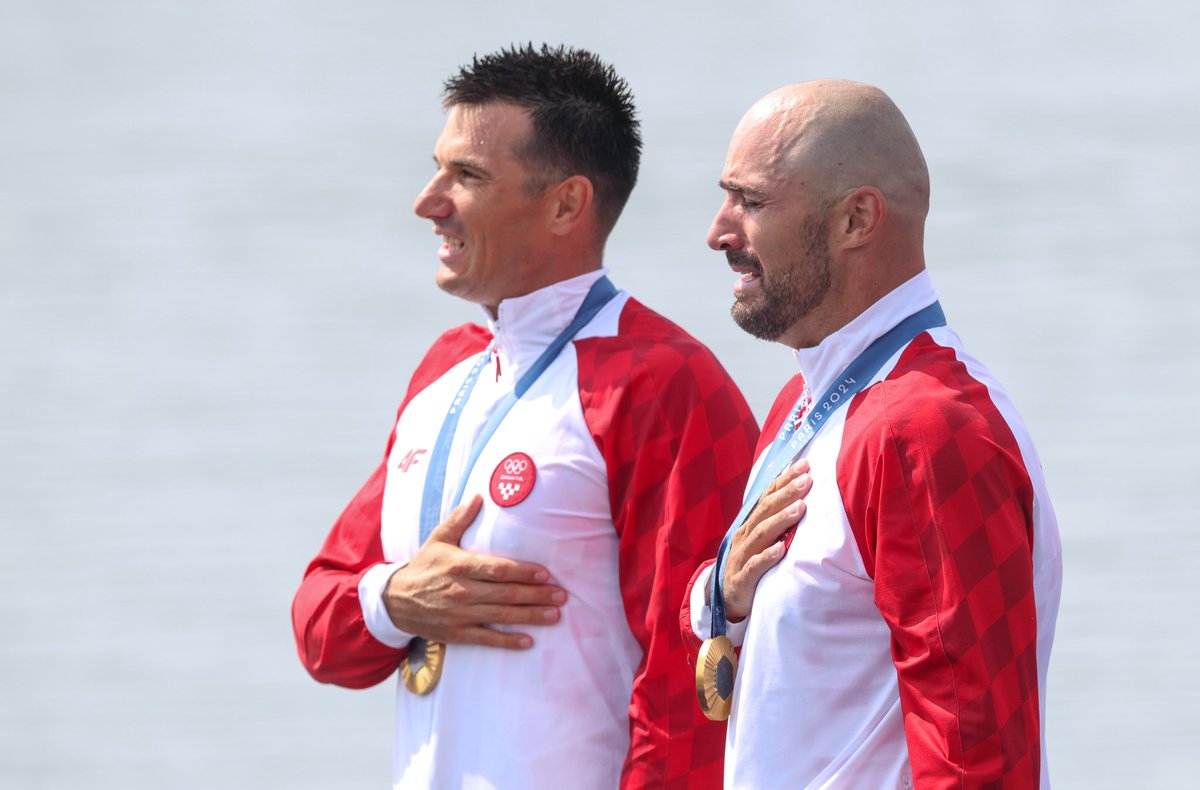
We did it, we won our 4th Olympic medal 🥇It was an incredibly intense race, and we managed to take the lead in the final meters! Huge congrats to the other crews for a tough and thrilling race especially @TeamGB for outstanding performance!!
#sinkovicbrothers#rowing#Paris2024
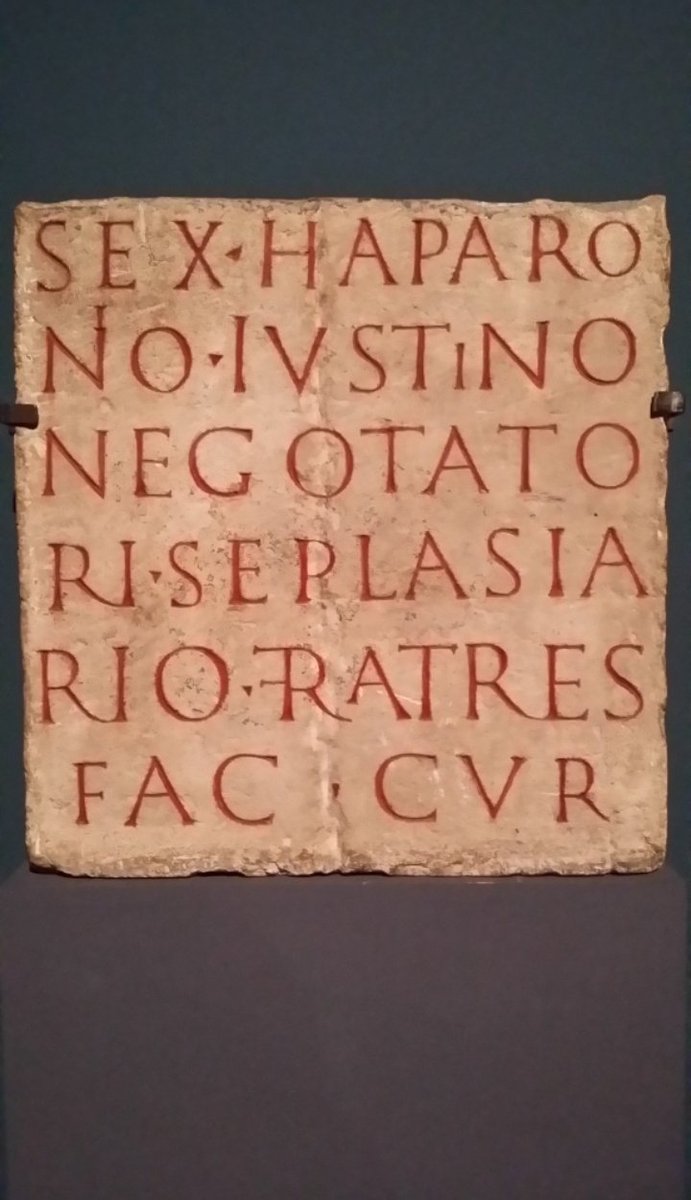
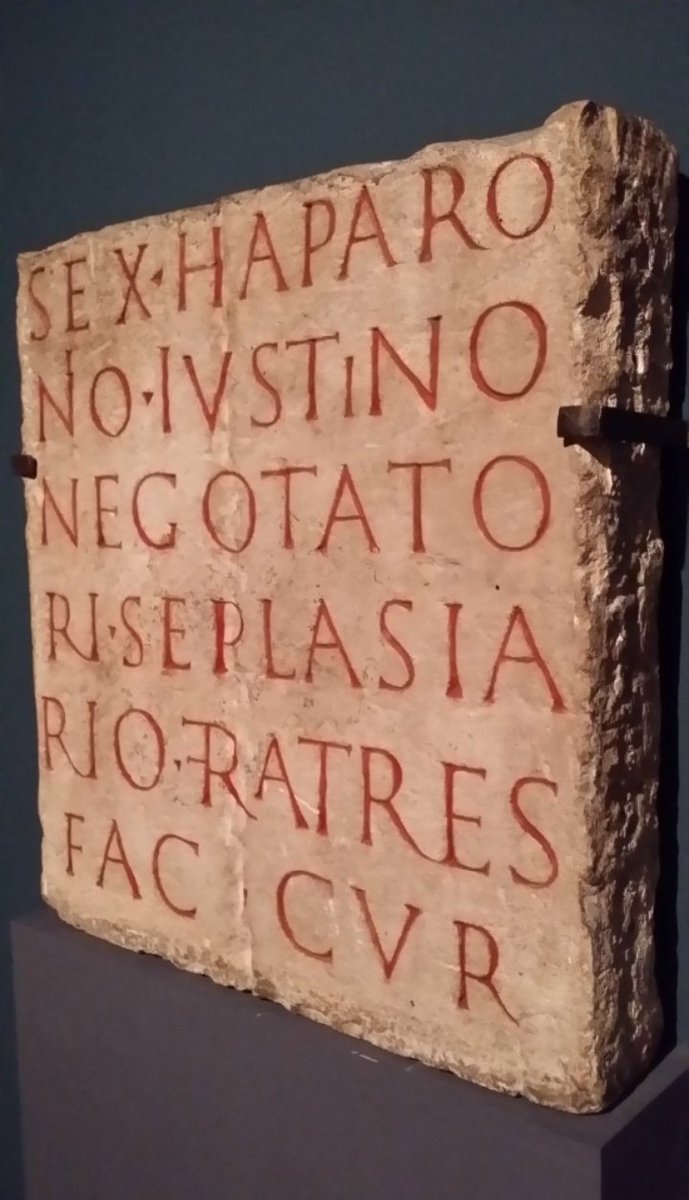
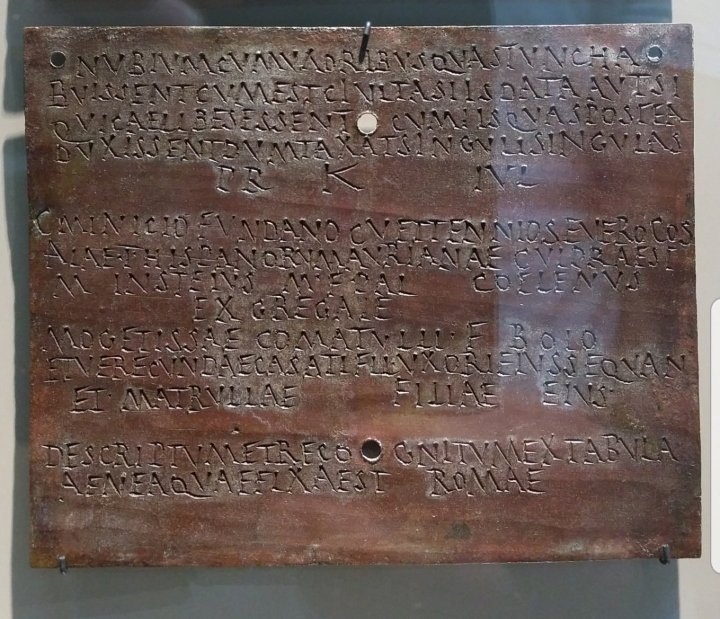
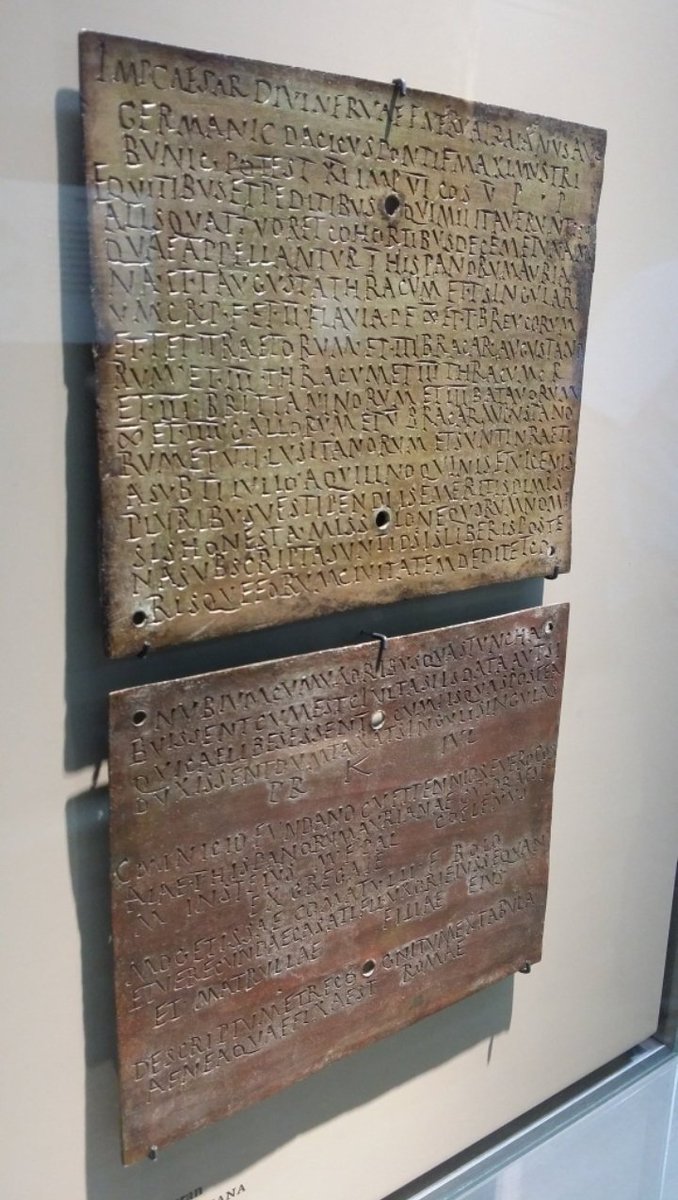
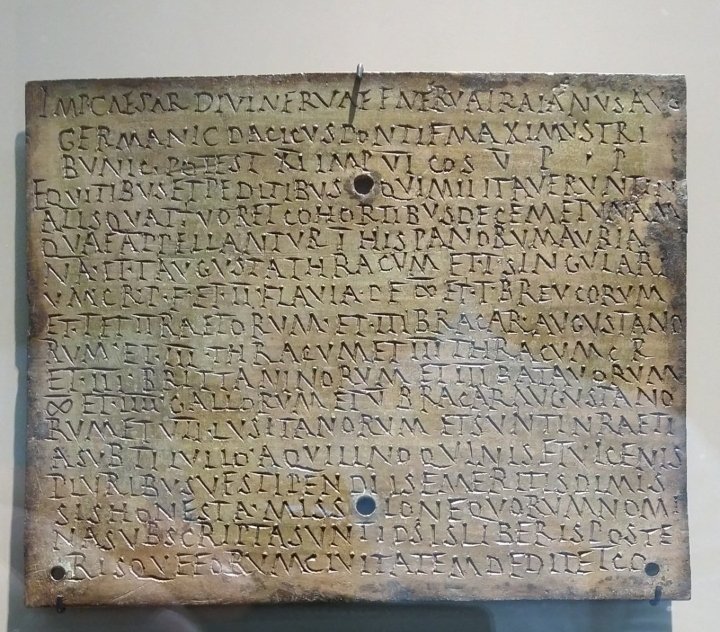
The professional title "seplasarius" comes from the name of a street in Capua, in Campania. The perfumes created in the workshops there were of such high quality that the street name became a generic term.
Sextus Haparonius Iustinus was a "seplasarius", a trader in perfumes and unguents; found in St Cunibert's Monastery in Cologne, 2nd century AD. Römisch-Germanisches Museum, Cologne
#EpigraphyTuesday
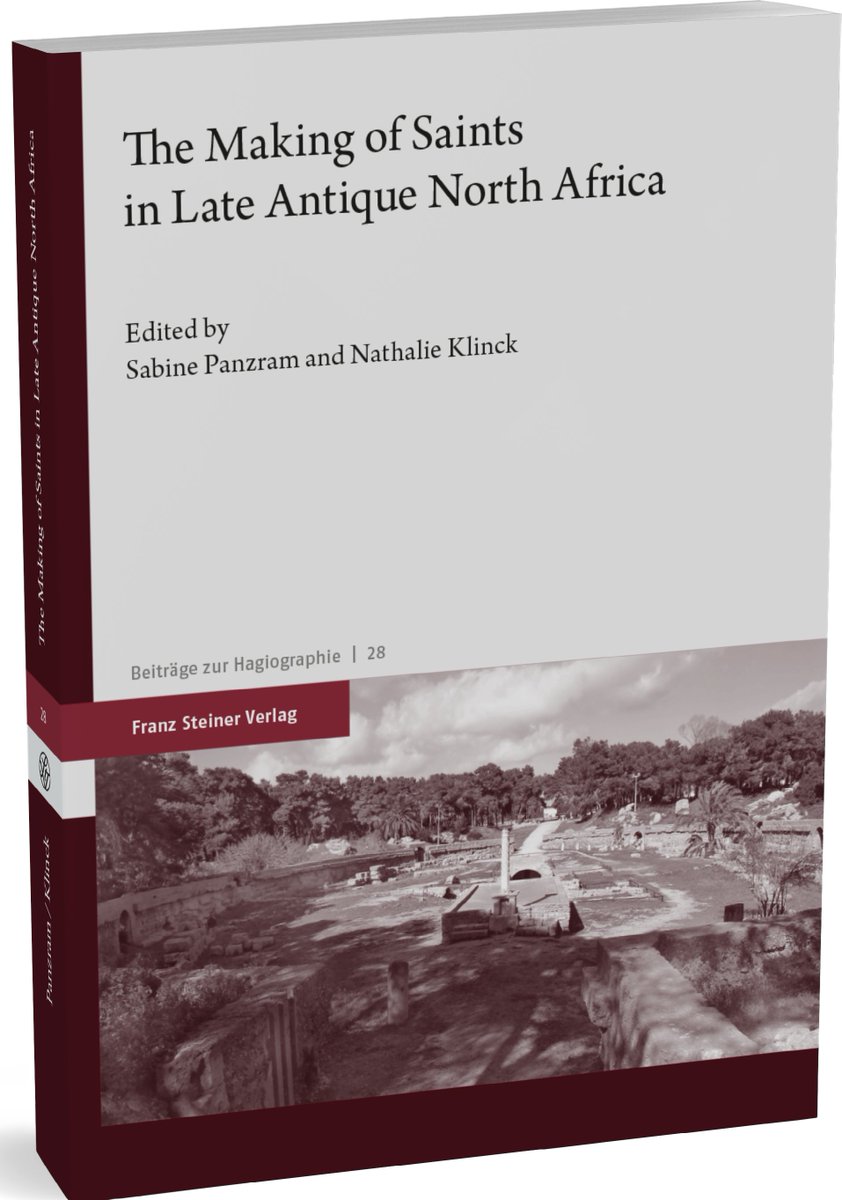
I have just published a new paper on Saints in North Africa with Tommaso Giuliodoro (Between Religion and Protection: Military Saints and their cults in Late Antique North Africa), check out this newly published volume #Lateantiquity#NorthAfrica
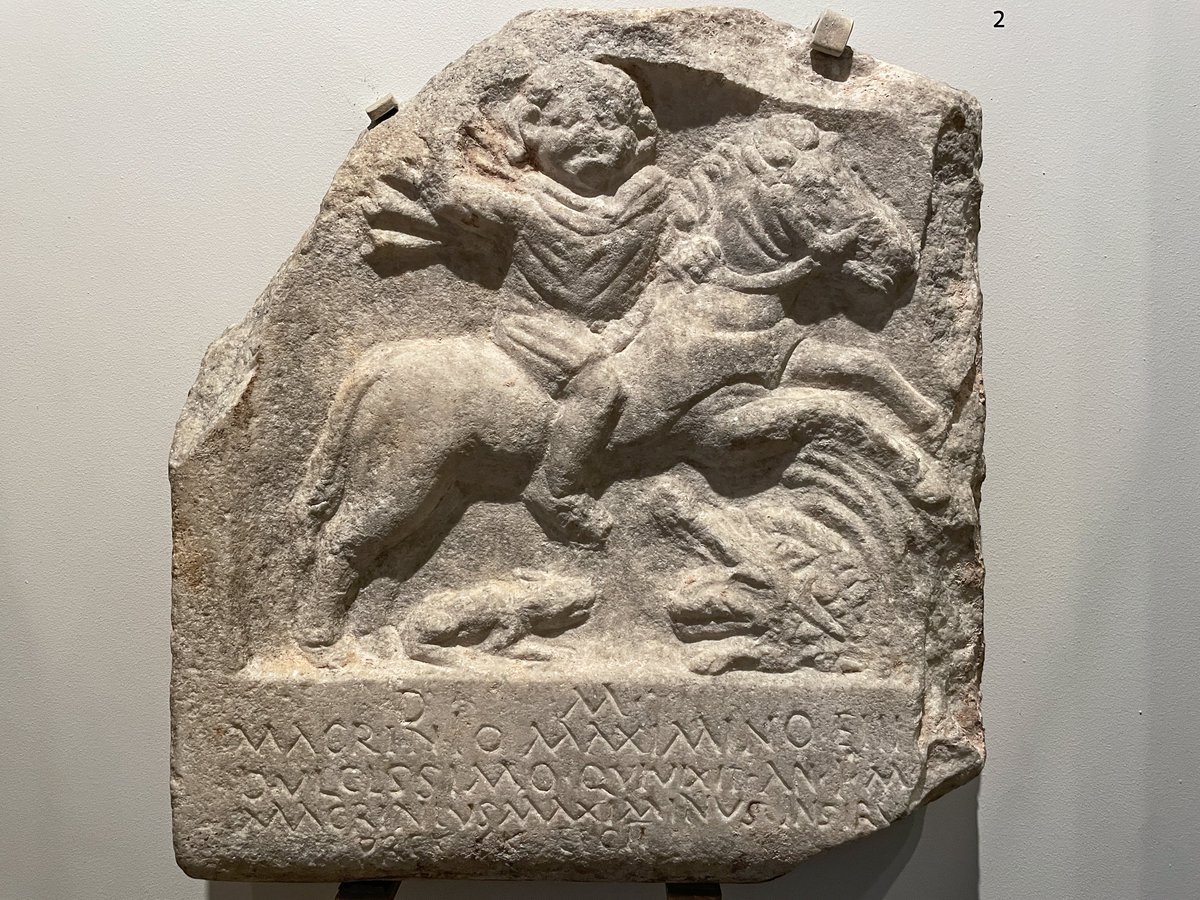
The poignant marble gravestone of young Macrinius Maximinus, set up by his father of the same name who was a senior staff officer in the Roman army. Little Macrinius is shown as a child on horseback, riding down a cowering boar with his hunting dog – a lively tableau popular on male graves. The epitaph, however, reveals to us that this 'sweetest son' was only one year old when he died. The imaginary hunting scene may therefore reflect a father's vision of his son in the afterlife, or the hopes he held for him in life now dashed by his early death. 2nd-3rd century AD, Ashmolean Museum.
'Reading too many books is distraction - and since you cannot read all the books you possess, you should possess only as many books as you can read.' (Seneca, Letters, 2)
A rare day I tell you to IGNORE Seneca.
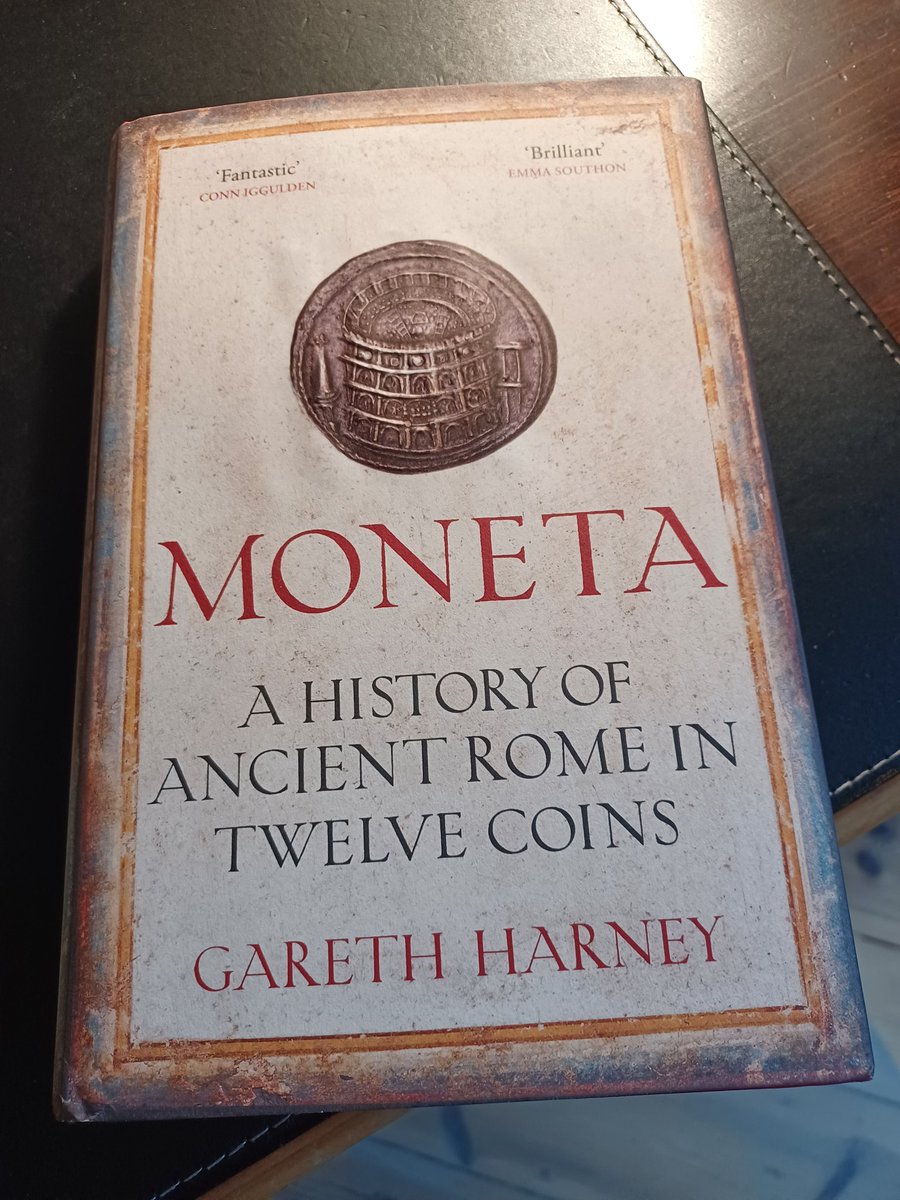
'Moneta: A History of Ancient Rome in Twelve Coins' is OUT NOW!
Absolutely thrilled to have received my signed copy of @OptimoPrincipi 's 'Moneta'. This simple act of kindness reminds us that big stories often hide in small things, like coins telling the history of ancient Rome..
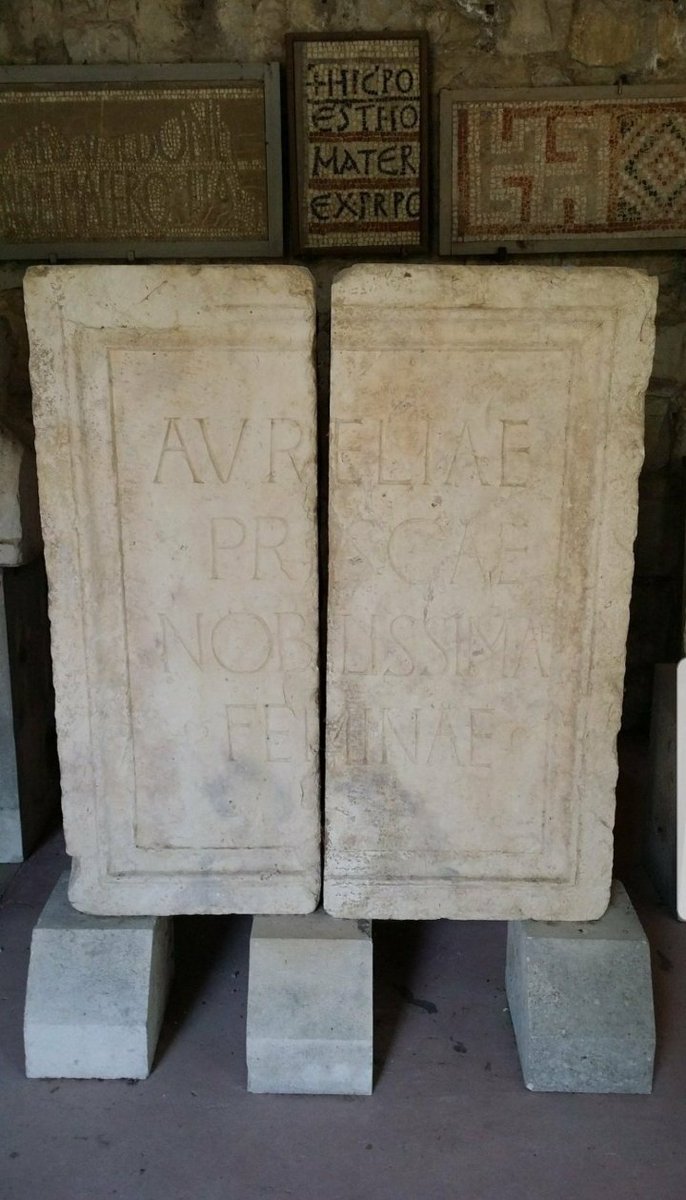
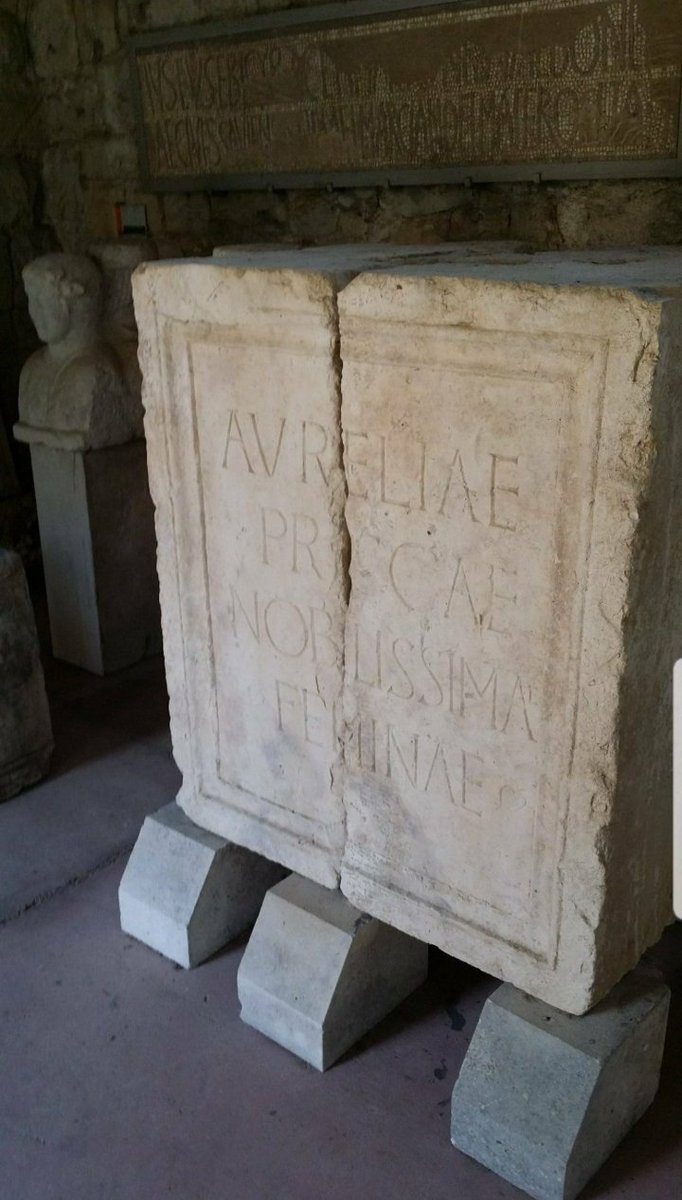
Base with the inscription of the Empress Prisca, Diocletian's wife.
This is the 1st inscription to mention the name of D.'s wife. From historical sources we knew only her cognomen, Prisca.
This inscription also reveals her nomen gentile - Aurelia.
Found at #Salona, ca 300 AD.
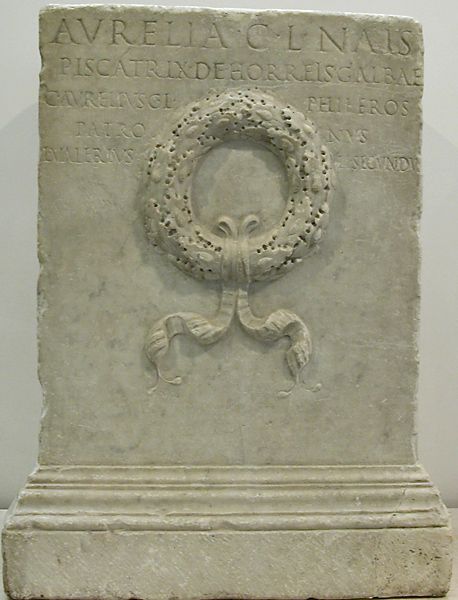
This beautifully decorated 2nd century #Roman marble memorial is for Aurelia Nais. The inscription tells us that Aurelia was a fish seller, an unusual occupation for a woman and that she was a freed slave - her shop was near the warehouse of Galba in Rome.