Baidu just showed off KOOKO's expanded capabilities at Baidu World 2026, and the app builder is the part I'd actually use.
KOOKO is Baidu's all-in-one AI workspace. Docs, spreadsheets, slides, websites, code, videos and marketing assets all come out of the same chat.
The demo below turns a restaurant owner's request into a working business tool:
→ a branded site with the menu, built from the owner's own files
→ an online booking form connected to a database
→ a staff dashboard to track bookings and table availability
→ published to its own URL straight from KOOKO
It also keeps long-term memory of your preferences and project context, so you're not re-explaining the brief every session.
I tested KOOKO on decks and spreadsheets back in September. What's new for me is the backend side, because a small business can now go from an initial brief to a functional booking system without leaving the workspace.
A restaurant owner probably doesn't care about how the app was built. They just want customers to book tables and those bookings to show up somewhere they can manage. That's the useful part here.
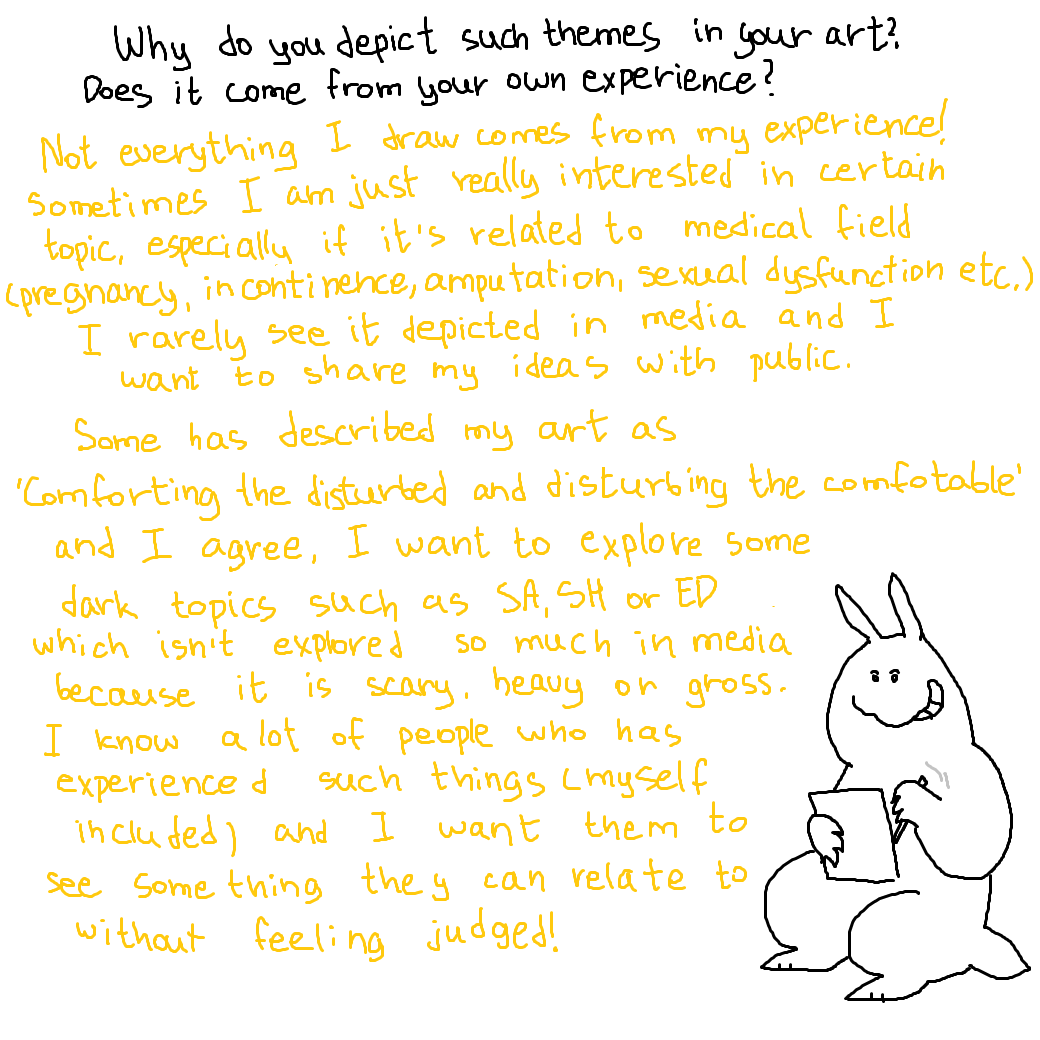
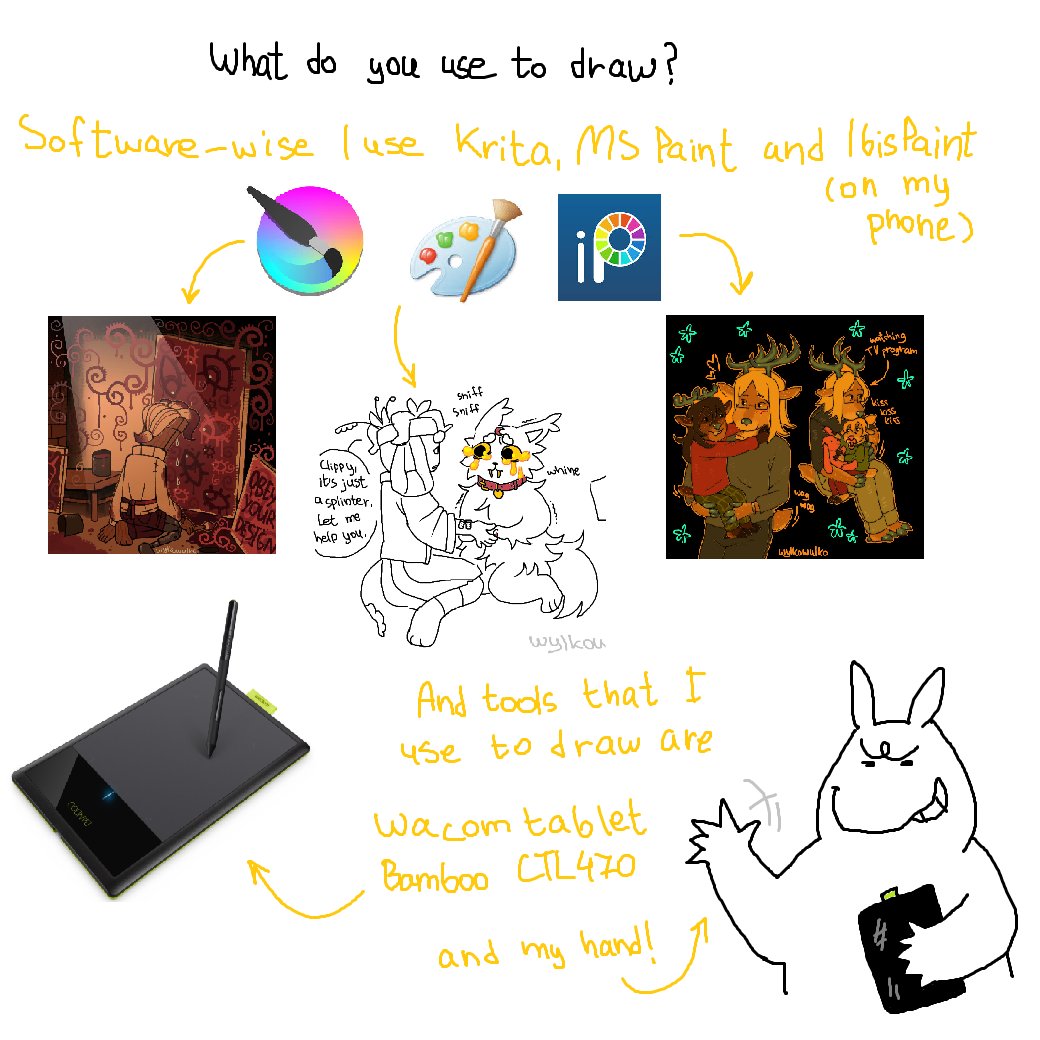
We've reached 5k!!! 🥳Thank you guys so much, I wouldn't do it without you! For this occasion I have answered some of the frequently asked questions in a short QnA comic. If you still have some questions, you can ask them here, but nothing too personal! 1/2
Tired of asking my coding agent to “make it nicer,” so I built a visual theme editor for MRBD UI Toolkit.
Tweak design tokens, preview components, and copy a prompt to apply the changes.
You can even paste your existing app's URL!
https://t.co/y6iknijoHJ
Vulnerable post: I spend 90% of my time on @chatprd dealing with increasingly creative international token fraud operations, and it makes me want to shut down the company. Mostly to steal Opus tokens on resold promo codes or in the time between a trial start + our fraud alerts infra.
It's cost me tens of thousands of dollars and it gets worse every day. Luckily the company is nice and profitable, but every time it happens it bums me out in extreme ways.
I love ChatPRD, I think at this point we've helped PM, engineers, and founders with millions of products + features. We are still a top 3 writing GPT (completely free!) on ChatGPT, we've kept generous trial periods, and have kept annual sub costs super reasonable, even for the enterprise. We've let people use the latest models when they come out, and have built in new features like prototyping without adding to our fees. We haven't had to limit usage, because our customers have been so great.
Building the product is incredibly fun, it's an actual footprint by which I get to test all this AI stuff, as an engineer, founder, and product builder. I have my little grok bot army that runs ops. We've been pen tested multiple times, SOC2ed, and work with some of the biggest companies out there.
It's my labor of love, and I keep it going (even though there are probably higher leverage things I could be doing with my time.)
But it's horrible to have our small team spend basically all of our time shutting down that Indonesian fraud ring, or that Egyptian code farm, or the Chinese signups that have been on an auto loop for the last 24 hours. I feel like I'm constantly making product calls that trade protecting from abuse vs giving our users an amazing experience (and keeping maintenance overhead low.)
It's basically sucked the joy out of my first little AI win, and I'm really sad about it.
And before you bucket me into dumb-little-vibecoder, trust that I know what I'm doing. I run our firewall like it's my full time job. We are stripe radar'd up to the gills. We have rate limits + so many automated triggers and controls.
But each one of these things ends up touching legitimate users and prospects. And every time I rachet up one control, I end up causing annoyance or pain to a real user. It's a trade that's hard to manage.
And honestly? It's not fun.
It just feels bad to see so many bad people.
So I have some thinking to do, but for now
- free trials are dead on chatprd, sorry kids
- i think in 2027 i might ban all non-US business
- and tbh, may retreat to the warm waters of 100% enterprise business, who are a) willing to pay more and b) have more interesting product needs
And if you're a little solo founder or startup that has dealt with this - I see you. I have some tips + tricks that might help. You're not dumb, and it's not easy.
Ok. Rant over.
Back to building the little wrapper who could 💕
Ubuntu is finally splitting up linux-firmware, and the HWE track is the interesting part.
For years the distro shipped one giant linux-firmware package. That made LTS life awkward: you install an HWE kernel for newer hardware, then discover the matching firmware blobs are still stuck on the older LTS set. A few months of discussion later, Canonical engineer Juerg Haefliger has uploaded a linux-firmware-hwe stack to his PPA — separate packages for AMD/Intel/NVIDIA graphics, Broadcom/Intel/Qualcomm/Realtek wireless, Mediatek, Mellanox, and friends.
Plan is Ubuntu 27.04 first, then SRU into 26.10 and likely 26.04 LTS once that release pulls the 26.10-based HWE stack. The goal is simple: keep HWE kernels and HWE firmware in step so a new laptop Wi-Fi chip or GPU doesn’t get stranded behind an LTS firmware freeze.
Dino NFTs and the First-Time Collector
Every NFT collection has a first-time collector.
But the journey toward that first purchase can be more complicated than expected.
@VelixoMarket recently highlighted how users can bridge assets to Fogo when preparing to collect Dino NFTs.
This is interesting because the biggest obstacle for newcomers may not be understanding the artwork or collection.
It may be navigating the blockchain environment.
Which asset is required?
How can it be obtained?
What happens during the bridge?
How can the transaction be verified?
These questions can discourage participation before a user even reaches the marketplace.
I believe projects should pay more attention to the experience of someone who has never interacted with a particular network.
Experienced users often forget how confusing their first transactions felt.
Making the process understandable doesn't remove every risk.
But it can make learning easier.
For me, better NFT onboarding begins by recognizing the questions newcomers are likely to ask.
Your RTX 3090 ships with about half its prefill speed locked away.
@0xSero explains how, plus the 81GB model he runs on a base M4 Mac mini with a 3090 over Thunderbolt 5.
We also cover his hacked X account, the OpenCode hack, and why chips ship locked.
0:00 Cold open
1:06 Local models are good enough
2:11 Skills that make local models repeatable
4:01 Having models write you a wiki
5:21 AJ's video editor and Opus 5.5
6:29 Growing on X
8:03 Meta's Project Lazarus
9:21 Why X is different
10:30 Binance hack and digital cleanup
12:11 AI slop vs human slop
13:07 Faceless 3D videos vs human content
15:40 Social media funnels
16:47 Why Sero doesn't make short-form
17:31 AI feeds and three-minute learning
20:00 Management work, games and reading
21:45 BB and next-step buttons
22:44 Claude artifacts as a brand system
24:19 Where Opus still falls short
26:02 Claude watermarking its text
27:53 Why Binance prices barely moved
28:59 What to do with $6B
29:21 Living in San Francisco
30:15 Teaching people to use agents
34:17 Getting into public speaking
35:55 DHH's OS built for agents
37:01 How Sero's X account got hacked
38:55 An agent exposed Sero's file system
39:35 How OpenCode got hacked
41:08 What Binance does next
41:37 Anthropic, xAI and Colossus
43:17 Data centers offshore and in space
44:02 Vera Rubin and ASIC chips
45:57 Etched and disaggregated inference
48:53 NVMe offloading and GPU acceleration
51:36 NVMe as cheap RAM
55:07 eGPU: Mac mini + RTX 3090
57:38 Recipes: models as game cartridges
1:00:18 The hidden RTX 3090 speed
1:02:18 Why hardware ships locked
1:03:18 NVLink and multi-GPU interconnect
1:05:58 How chips are manufactured
1:07:54 Adding VRAM to 4090s and 5090s
1:11:09 Have a model crack your GPU
1:11:56 DeepSeek and GLM for reverse engineering
Meta Quest 2 and Meta Quest Pro are reaching the end of feature development. v2.13 is the final OS release and will reach all devices by March 2027.
Your existing apps keep working, and you can keep shipping updates to them.
Read the full timeline 👉 https://t.co/Z0lEU5r9il
You know how I enabled Googlebook OS on ASUS A14 Snapdragon X Plus 16GB (Windows 11 ARM64) laptop???
I fed the recorded Linux kernel boot video to Codex, and it watched the video and figured out the errors by itself.
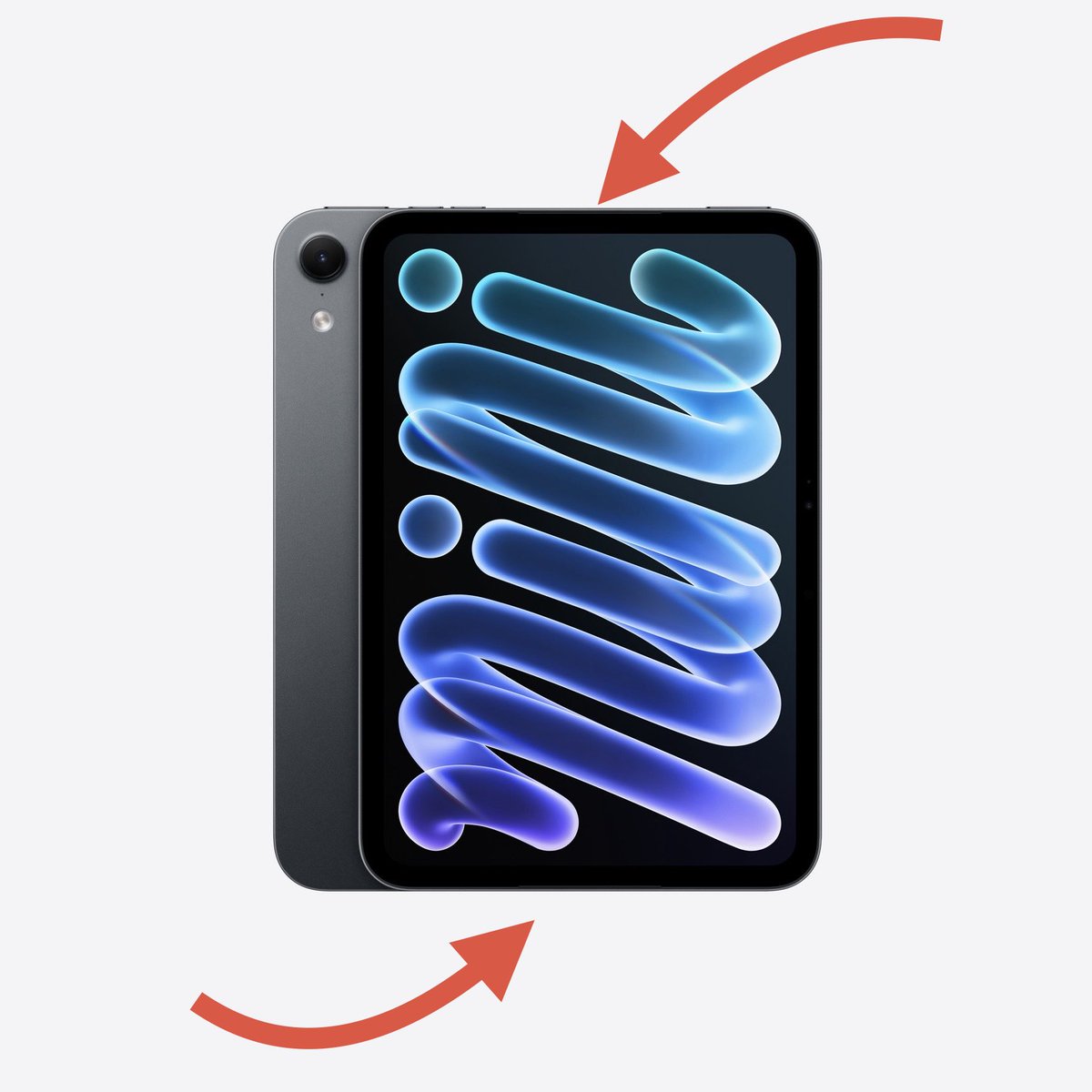
interesting design detail on the new iPad mini: there are now tiny speaker slits on the top and bottom of the iPad, similar to the earpiece speaker cutout on the top of the iPhone
this means there are no longer any holes on the sides of the iPad at all!
This is an excerpt from the original US Patent number 3005282 A, issued 65 years ago Today, proposing a design for a "Toy building brick", from a company named LEGO.
That brick became much more than a simple toy.
NEW: Episode 4 of the Power On podcast is out! I’m joined by @AndruEdwards to go deep on the iPhone Duo after a week of testing: what’s great, what’s missing and what’s next. We also discuss the pre-order mess and preview next week’s touch Mac launch. https://t.co/MUP8gF6eq5