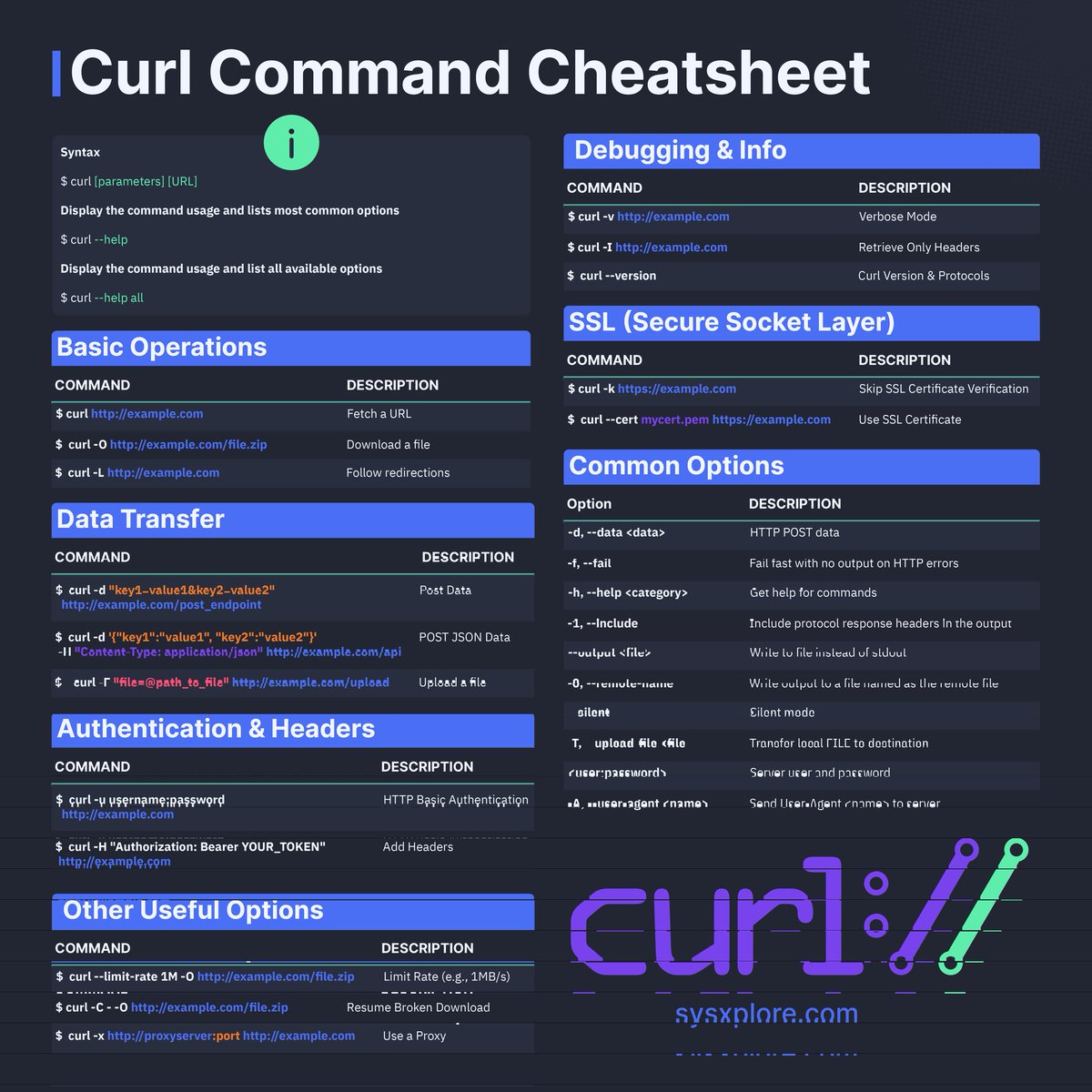
Free Udemy #CyberSecurity Course Collection
Access 30+ Video Courses and 1000 TB of Resources
You will get:
💼 Cybersecurity
💼 Ethical Hacking
💼 Penetration Testing
💼 Many more
To get access, simply:
1. Like & Retweet
2. Comment “Send”
3. Follow me (So I can DM you)
@360_Hardware Son 95 euros AL AÑO si cobras rollo 60000 anuales. Dime qué jóvenes entran en esa categoría porque desde luego no son los mismos afectados por los problemas estructurales de España. Yo no sé ya si sois todos bots o que coño pasa
@ElSecreDeEuge Fijate tú que todo eso me importa una mierda si aun teniendo un trabajo cualificado puedo comprarme una casa, pero intervenir el mercado inmobiliario se te ha pasado en tus propuestas
@BurntMem0ries_ No, me preocupan lo mismo, pero es más fácil llegar a un tipo de cuerpo que otro. No me verás llegar a pesar 130 kg de puro músculo y anabolizante sin rutina deportiva y nutricional (y dinero pa doparme).
I asked 11 developers and found that 8 were struggling with data consistency issues.
The number one culprit was Dual Writes.
Dual Writes happen when you have to update two different systems.
For example,
[1] Updating a database
[2] Publishing an event to a different system (say Kafka).
The 2nd step could also be anything else like sending an email.
Because these two systems aren’t linked, we can’t update both in a transactional manner.
If the DB update is successful but a failure occurs after that, the event will never be published.
This means inconsistent data.
What’s the solution?
👉 The Transactional Outbox Pattern.
In this pattern, the transactional logic is pushed into the database.
Whenever there is an update in the database, we also update an outbox table in the same transaction.
Think of the outbox table as a mailbox. As the database updates happen, it is filled with letters that have to be delivered to a post office.
From an application point of view,
- Letters = Events
- Post Office = Kafka
All we need now is the postman, who can carry those letters from the mailbox (outbox) to the post office (Kafka).
This could be an async process and you’ve multiple options on how to implement it:
- A separate thread with the original microservice
- A separate application
- Kafka Connector or Change Data Capture process that monitors the outbox table.
👉 But is the Outbox pattern perfect?
Nothing is perfect, as such.
With this pattern, you can still have duplicate messages in case there are failures.
This is to ensure that we have an At-Least-Once delivery guarantee.
But this requires the downstream systems to de-duplicate the messages.
👉 So - have you used the Outbox pattern?



![ProgressiveCod2's tweet photo. I asked 11 developers and found that 8 were struggling with data consistency issues.
The number one culprit was Dual Writes.
Dual Writes happen when you have to update two different systems.
For example,
[1] Updating a database
[2] Publishing an event to a different system (say Kafka).
The 2nd step could also be anything else like sending an email.
Because these two systems aren’t linked, we can’t update both in a transactional manner.
If the DB update is successful but a failure occurs after that, the event will never be published.
This means inconsistent data.
What’s the solution?
👉 The Transactional Outbox Pattern.
In this pattern, the transactional logic is pushed into the database.
Whenever there is an update in the database, we also update an outbox table in the same transaction.
Think of the outbox table as a mailbox. As the database updates happen, it is filled with letters that have to be delivered to a post office.
From an application point of view,
- Letters = Events
- Post Office = Kafka
All we need now is the postman, who can carry those letters from the mailbox (outbox) to the post office (Kafka).
This could be an async process and you’ve multiple options on how to implement it:
- A separate thread with the original microservice
- A separate application
- Kafka Connector or Change Data Capture process that monitors the outbox table.
👉 But is the Outbox pattern perfect?
Nothing is perfect, as such.
With this pattern, you can still have duplicate messages in case there are failures.
This is to ensure that we have an At-Least-Once delivery guarantee.
But this requires the downstream systems to de-duplicate the messages.
👉 So - have you used the Outbox pattern?](https://pbs.twimg.com/media/Ge-xo8Ta0AAnTKk.jpg)