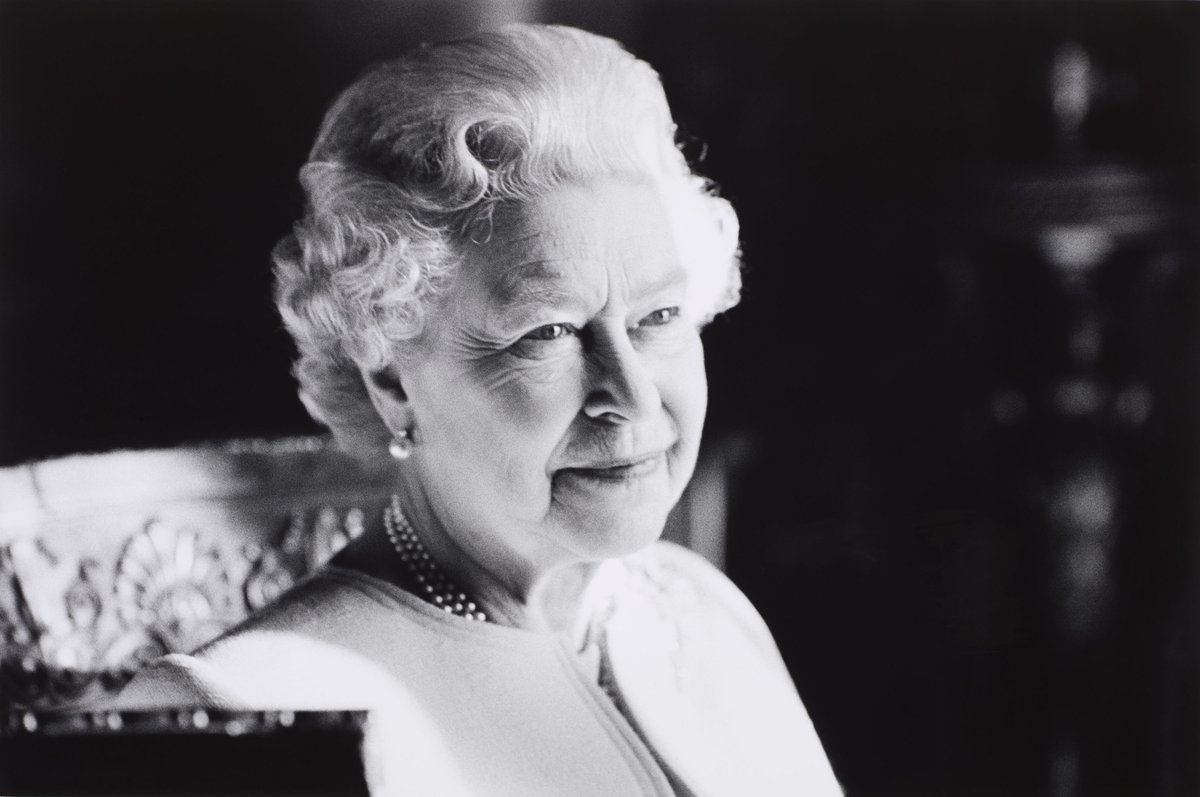
The Queen died peacefully at Balmoral this afternoon.
The King and The Queen Consort will remain at Balmoral this evening and will return to London tomorrow.
@MEPotts04@DawdlingSquid Yes, this! I have had many times that I may say something to a patient that is about a new medication or a medical condition that I was given in report, and sometimes the patient is like, “What? The doctor didn’t say that to me.” I’m left wondering what may have been discussed!
@CateStubenrauch@MEPotts04 (1) The power of a team seems really prominent in situations like this. Individually, I think it can be really difficult to call out on something, especially in fear of it seeming like it is something you did wrong, but if you communicate with a team, it may be a little better to
@DawdlingSquid@MEPotts04 No! It was just pulling students from the school of Medicine here at KU as well as the School of Pharmacy. Was pretty simple and went smoothly!
@MEPotts04 That is a good question, I don’t know! I just know that my nursing school, KU, was pretty good about having us do at least a couple of simulations that involved other schools of health professions.
@DawdlingSquid@MEPotts04 I have actually not had any experience with paper charting! (With the exception of maybe one time in a case study in nursing school). Did you find that you enjoyed the paper charting more than the EMR?
@CateStubenrauch@MEPotts04 (2) technology, but it still makes me a little uneasy, you know? Especially in light of the Radonda case. Overriding anything makes me really take a second look but, I know, especially on really busy shifts, it seems like getting things done faster is what’s more relieving.
@CateStubenrauch@MEPotts04 (1)Sometimes this tends to make me a little nervous. I know that it is like having another set of eyes, but I feel like I am reallly double checking and reading repeatedly to make sure everything is correct especially when I am giving a medication. I think I do have trust in
@MEPotts04 A3: (3) 2, actual hands-on practice (in the correct, intentional way, and not using “shortcuts”) is an effective way for students to understand real life skills. They can read about what they are learning, but once they put their hands on skills to use, sometimes that can help
@MEPotts04 A3: (2) Education allows for those moments of uncertainty to be clarified or at least instill confidence that as nurses, the students can report anything that may compromise patient safety without fear of serious consequence.
@MEPotts04 A3:#877GAP (1) clinical education is imperative in prevention of cases like Radonda’s in the future because of a few reasons. 1, in a clinical environment with students, it should always be a safe place to ask questions or bring up something that may be a concern to them.
@MEPotts04 A2:(2) in improving patient care. I did several of these simulations in nursing school where I worked with medical, pharmacy, and even respiratory therapy students. It was a fantastic way to meet potential future colleagues and learn together.
@MEPotts04 A1: (2)and can prevent mistakes that an overworked and tired nurse could potentially do. Technology also promotes safety by providing an easy access portal to see a patients allergies, medical history, etc and tailors their care plans specifically to reflect those health aspects.
@MEPotts04 A1:#877GAP (1) Technology is inevitable in our society at this day and age of advancement in the medical field. Technology makes many tasks as nurses go a lot faster and with ease. It also does have some safeguards in place where it will stop staff from making a medical error