I4C cautions corporates and finance professionals against ‘Boss Scam’: WhatsApp account takeover through malicious ‘Statement of Account’, ‘MCA’ and ‘RBI’ files aimed at high-value financial fraud
▶️Self-propagating malware disguised as account statements and RBI communications spreading over WhatsApp, SMS and e-mail; Chartered Accountants, Company Directors, CFOs and corporate finance teams the prime targets
▶️Compromised WhatsApp accounts of senior executives misused to instruct finance staff to transfer funds to mule accounts
▶️I4C has intimated over 58000 potential victims through SMS header ‘I4CMHA-G’ in last 30 days; threat signals shared with CERT-In, Microsoft, Indian Anti-virus & Threat Intelligence companies
▶️More than 10,000 Indians protected from the campaign so far by geo-blocking C2 Servers through Sahyog Portal
More details: https://t.co/O9bI9aTIll
@HMOIndia
🧩 MSSPs: Detection isn’t the issue. It’s depth.
Clients want clarity—not guesswork.
📘 Get “IR for Business Continuity” by @drerdalozkaya . Built for SOC leads & IR teams. Backed by @Binalyze. ✅ Real-world frameworks
✅ Smart recovery playbooks 🔗 https://t.co/kzdToErkDE
SEBI CSCRF is raising the bar on cybersecurity. How prepared is your organization to meet these expectations? 🧭 Take the SEBI CSCRF Readiness Assessment — a free tool from Binalyze
🔗 https://t.co/NI0PWDMdLL
#SEBI
⚽ 𝗖𝘆𝗯𝗲𝗿𝘀𝗲𝗰𝘂𝗿𝗶𝘁𝘆 𝗺𝗲𝗲𝘁𝘀 𝗙𝗼𝗼𝘁𝗯𝗮𝗹𝗹: 𝗪𝗵𝗼’𝘀 𝗶𝗻 𝘆𝗼𝘂𝗿 𝗱𝗿𝗲𝗮𝗺 𝘁𝗲𝗮𝗺? 🛡️
Just like a football team, every cybersecurity professional..
plays a crucial role in defending the organization's goalkeeping threats at bay!
From the Incident Handler guarding the net to the Pentester leading the attack…
each role is strategic, specialized, and essential.
𝗜𝗻 𝘁𝗵𝗶𝘀 "𝗰𝘆𝗯𝗲𝗿-𝗱𝗲𝗳𝗲𝗻𝘀𝗲 𝗳𝗼𝗿𝗺𝗮𝘁𝗶𝗼𝗻"
every position showcases the importance of teamwork in protecting an organization:
🧤𝗜𝗻𝗰𝗶𝗱𝗲𝗻𝘁 𝗛𝗮𝗻𝗱𝗹𝗲𝗿:
↳ The goalkeeper reacts instantly to save the day.
↳ Their quick reflexes keep the organization safe during critical moments.
🛡️𝗦𝗢𝗖 𝗔𝗻𝗮𝗹𝘆𝘀𝘁:
↳ Always monitoring and identifying threats before they breach the defense.
↳ A vigilant defender, ensuring no attack slips through unnoticed.
💻𝗠𝗮𝗹𝘄𝗮𝗿𝗲 𝗔𝗻𝗮𝗹𝘆𝘀𝘁:
↳ Dissects malicious threats to nullify their impact.
↳ The team's "virus slayer," stops infections at their source.
🔍𝗧𝗵𝗿𝗲𝗮𝘁 𝗜𝗻𝘁𝗲𝗹 𝗘𝗻𝗴𝗶𝗻𝗲𝗲𝗿:
↳ The tactical genius, analyzing opponents' strategies.
↳ Keeps the team prepared by predicting and countering threats.
🏰𝗦𝗲𝗰𝘂𝗿𝗶𝘁𝘆 𝗘𝗻𝗴𝗶𝗻𝗲𝗲𝗿:
↳ The solid defender, building and maintaining strong walls.
↳ Creates an impenetrable line of defense against attacks.
🎩𝗖𝗜𝗦𝗢:
↳ The captain, orchestrating the entire strategy.
↳ Balances risk, business goals, and security priorities with precision.
🖥️𝗦𝗲𝗰𝘂𝗿𝗶𝘁𝘆 𝗔𝗿𝗰𝗵𝗶𝘁𝗲𝗰𝘁:
↳ Designs the infrastructure to protect and enable the team.
↳ Bridges long-term vision with practical implementation.
📊𝗦𝗲𝗰𝘂𝗿𝗶𝘁𝘆 𝗖𝗼𝗻𝘀𝘂𝗹𝘁𝗮𝗻𝘁:
↳ Provides critical insights to guide the team’s operations.
↳ Analyzes and aligns security needs with organizational goals.
⚔️𝗣𝗲𝗻𝘁𝗲𝘀𝘁𝗲𝗿:
↳ The proactive attacker, uncovering vulnerabilities before anyone else.
↳ Exploits gaps to ensure the organization stays ahead of threats.
🕵️♂️𝗘𝘁𝗵𝗶𝗰𝗮𝗹 𝗛𝗮𝗰𝗸𝗲𝗿:
↳ Tests and strengthens the system by thinking like an attacker.
↳ Ensures every weakness is identified and fortified.
🔴𝗥𝗲𝗱 𝗧𝗲𝗮𝗺𝗲𝗿:
↳ Simulates real-world attack scenarios to prepare the team.
↳ Strengthens defenses through rigorous testing and innovation.
Each of these roles is vital to a robust cybersecurity strategy.
Just like on the pitch, victory comes when every player knows their role and works together seamlessly.
𝗖𝘆𝗯𝗲𝗿𝘀𝗲𝗰𝘂𝗿𝗶𝘁𝘆 𝗶𝘀 𝗻𝗼𝘁 𝗮 𝗼𝗻𝗲-𝗽𝗲𝗿𝘀𝗼𝗻 𝗴𝗮𝗺𝗲; 𝗶𝘁’𝘀 𝗮 𝘁𝗲𝗮𝗺 𝘀𝗽𝗼𝗿𝘁.
Whether you’re on the field or behind the scenes, your role is invaluable.
So, which position are you playing?
𝗧𝗮𝗴 𝗮 𝗰𝘆𝗯𝗲𝗿𝘀𝗲𝗰𝘂𝗿𝗶𝘁𝘆 𝗽𝗿𝗼 𝗶𝗻 𝘆𝗼𝘂𝗿 𝗻𝗲𝘁𝘄𝗼𝗿𝗸 and let them know which position they'd dominate in this lineup!
thanks to Marcel Velica on LinkedIn for posting
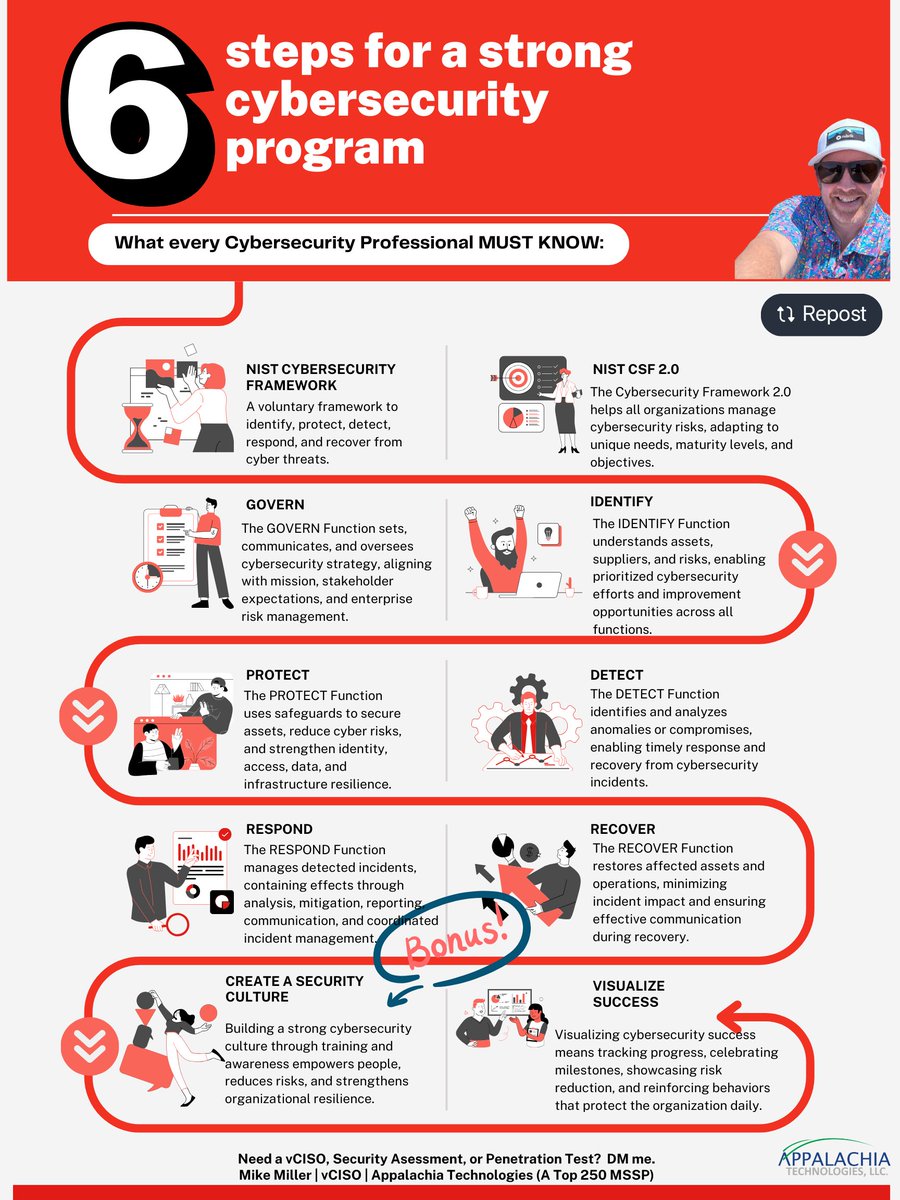
Here are 6 steps every business should to do stay safe from Cyber Attacks. This is what every single Cybersecurity Professional should know:
As a Cybersecurity professional, you don't have to re-invent the wheel to keep your organization safe. There are many cybersecurity frameworks that can guide you there. Today, I'm focusing on the NIST CSF 2.0.
The NIST CSF 2.0 is a volunteer framework that, at minimum, every organization should be following.
Here are the 6 Steps within the framework:
1. GOVERN - The organization’s cybersecurity risk management strategy, expectations, and policy are established, communicated, and monitored. It provides outcomes to inform what an organization may do to achieve and prioritize the outcomes of the other five Functions in the context of its mission and stakeholder expectations.
IDENTIFY - The organization’s current cybersecurity risks are understood. Understanding the organization’s assets (e.g., data, hardware, software, systems, facilities, services, people), suppliers, and related cybersecurity risks enables an organization to prioritize its efforts consistent with its risk management strategy and the mission needs identified under it.
PROTECT - Safeguards to manage the organization’s cybersecurity risks are used. Once assets and risks are identified and prioritized, it supports the ability to secure those assets to prevent or lower the likelihood and impact of adverse cybersecurity events, as well as to increase the likelihood and impact of taking advantage of opportunities. Outcomes covered include identity management, authentication, and access control; awareness and training; data security; platform security (i.e., securing the hardware, software, and services of physical and virtual platforms); and the resilience of technology infrastructure.
DETECT - Possible cybersecurity attacks and compromises are found and analyzed. It enables the timely discovery and analysis of anomalies, indicators of compromise, and other potentially adverse events that may indicate that cybersecurity attacks and incidents are occurring. It supports successful incident response and recovery activities.
RESPOND - Actions regarding a detected cybersecurity incident are taken. It supports the ability to contain the effects of cybersecurity incidents. Outcomes cover incident management, analysis, mitigation, reporting, and communication.
RECOVER - Assets and operations affected by a cybersecurity incident are restored. RECOVER supports the timely restoration of normal operations to reduce the effects of cybersecurity incidents and enable appropriate communication during recovery efforts.
Bonuses:
→ Create a strong Cybersecurity culture
→ Visualize Success
Don't have all of these above in place? It's ok. Start building toward them. The goal is to get stronger every day.
Please repost ♻ to help keep another organization safe.
October is Cybersecurity Awareness month! To kick off this month, here are some Cybersecurity books to add to your fall reading list: https://t.co/dqZMUYkcrj, https://t.co/2pRt1NDnTB, https://t.co/VoLuH7OkH7 #cybersecurity#USD#leadership#engineering
Is your child’s screen time taking over your family life?
It doesn’t have to be that way.
Here are 10 ways to build healthy digital habits and keep your child safe online. 👇
#SaferInternetDay#OnMyMind
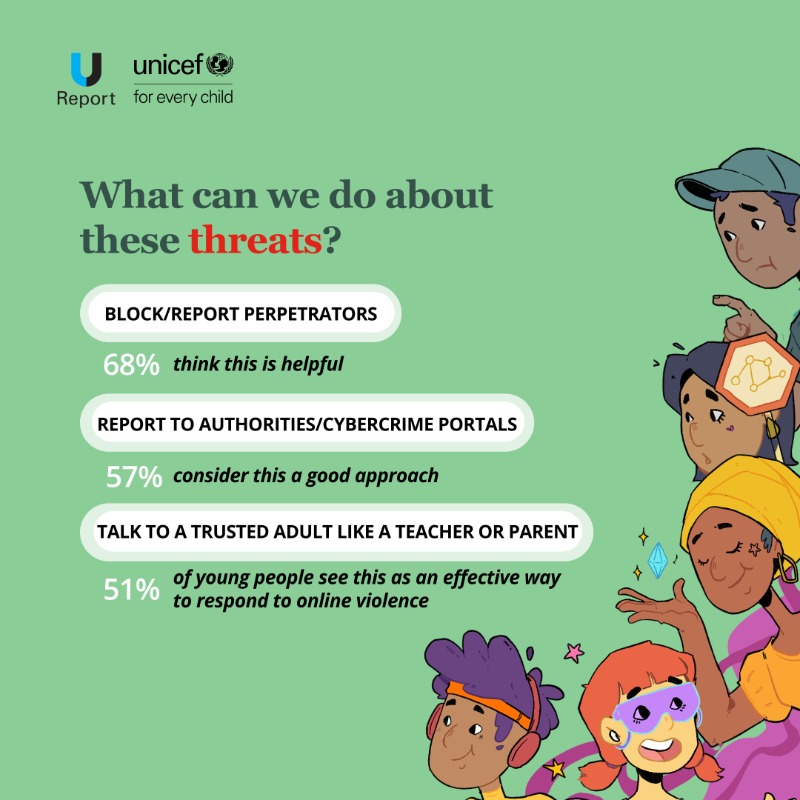
Let’s talk about online safety.
UNICEF and @UReportIndia teamed up to understand the risks children and young adults face in the online world.
You can make the Internet a safer, more inclusive and accessible space for all!
#SaferInternetDaLet’s talk about online safety.
UNICEF and @UReportIndia teamed up to understand the risks children and young adults face in the online world.
You can make the Internet a safer, more inclusive and accessible space for all!
#SaferInternetDaLet’s talk about online safety.
UNICEF and @UReportIndia teamed up to understand the risks children and young adults face in the online world.
You can make the Internet a safer, more inclusive and accessible space for all!
#SaferInternetDaLet’s talk about online safety.
UNICEF and @UReportIndia teamed up to understand the risks children and young adults face in the online world.
You can make the Internet a safer, more inclusive and accessible space for all!
#SaferInternetDaLet’s talk about online safety.
UNICEF and @UReportIndia teamed up to understand the risks children and young adults face in the online world.
You can make the Internet a safer, more inclusive and accessible space for all!
#SaferInternetDay
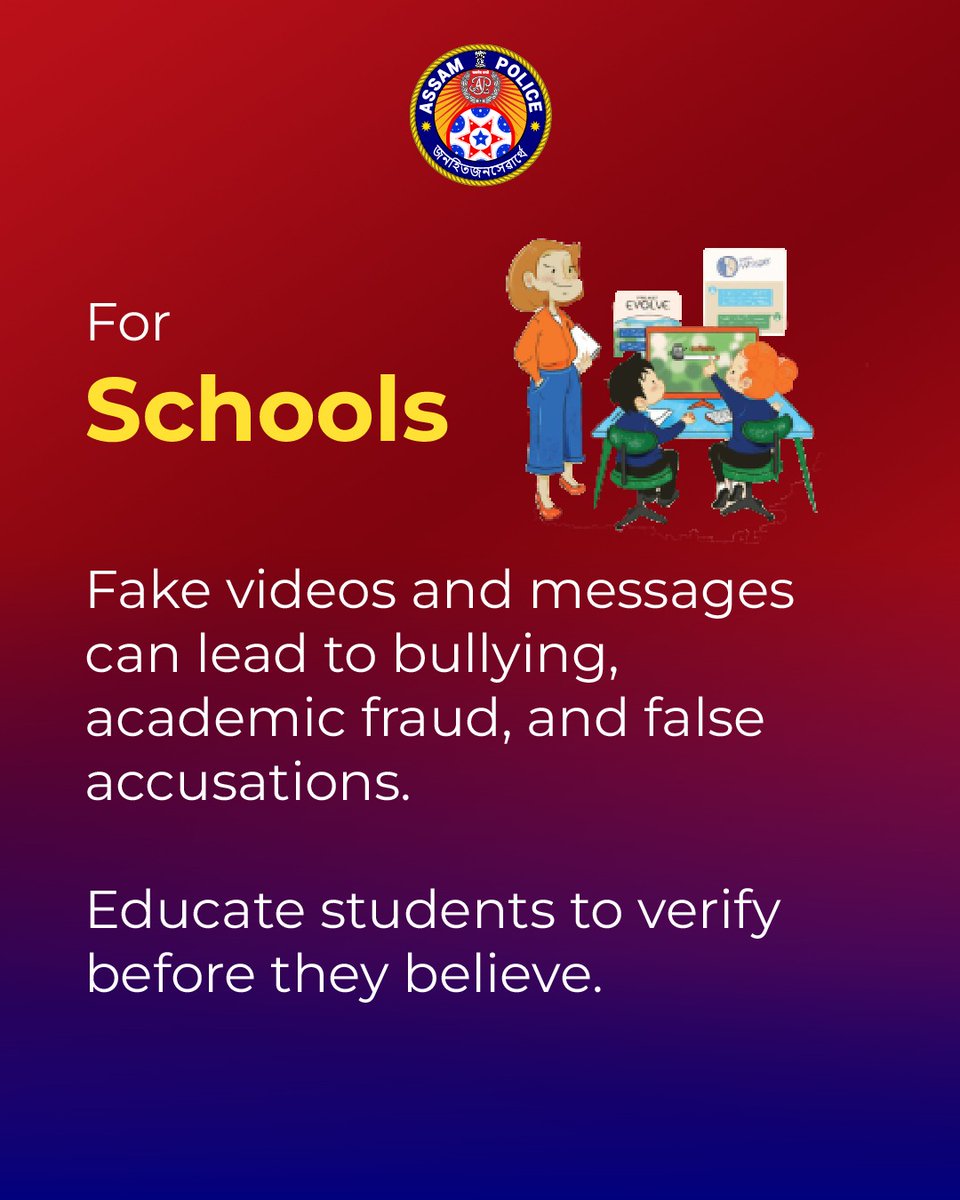
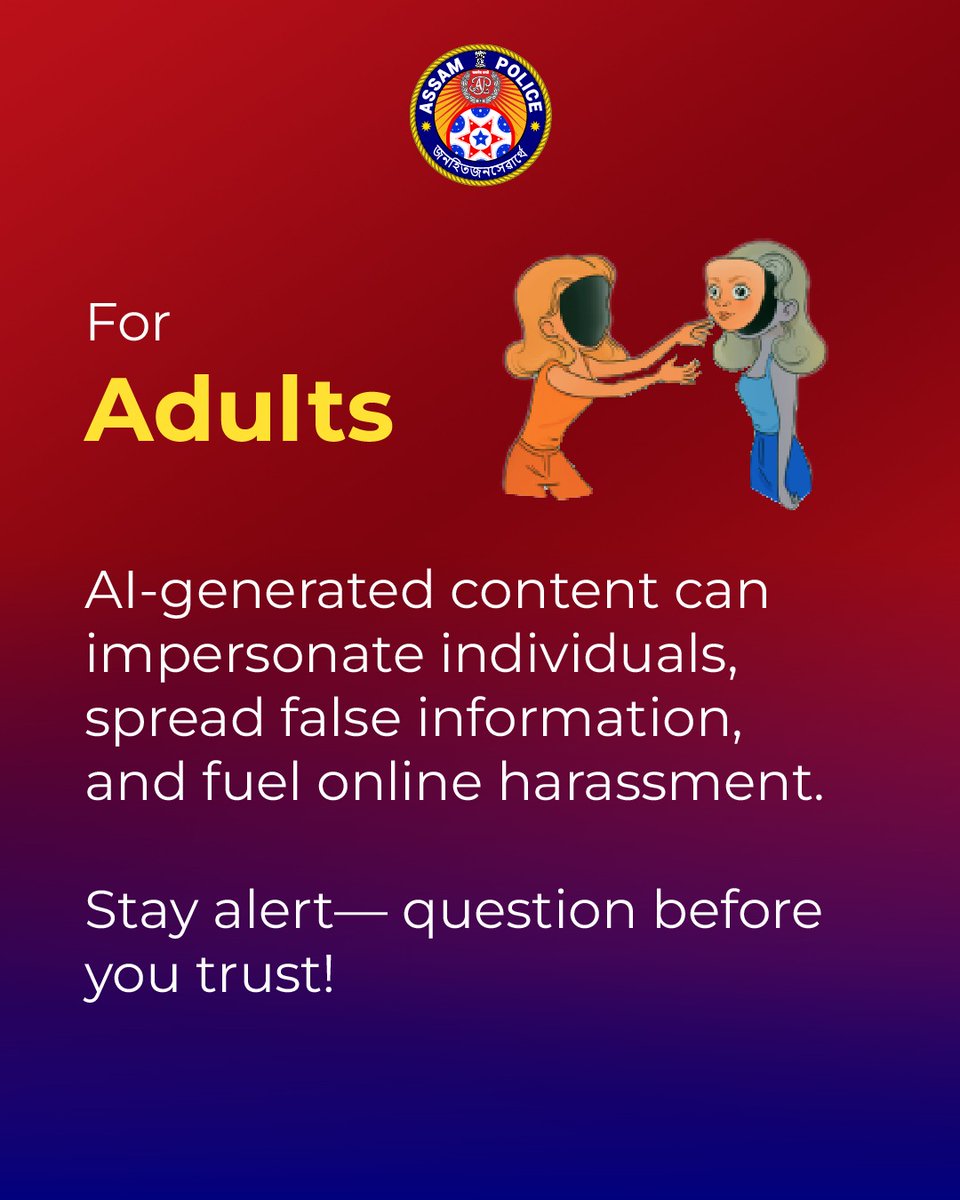
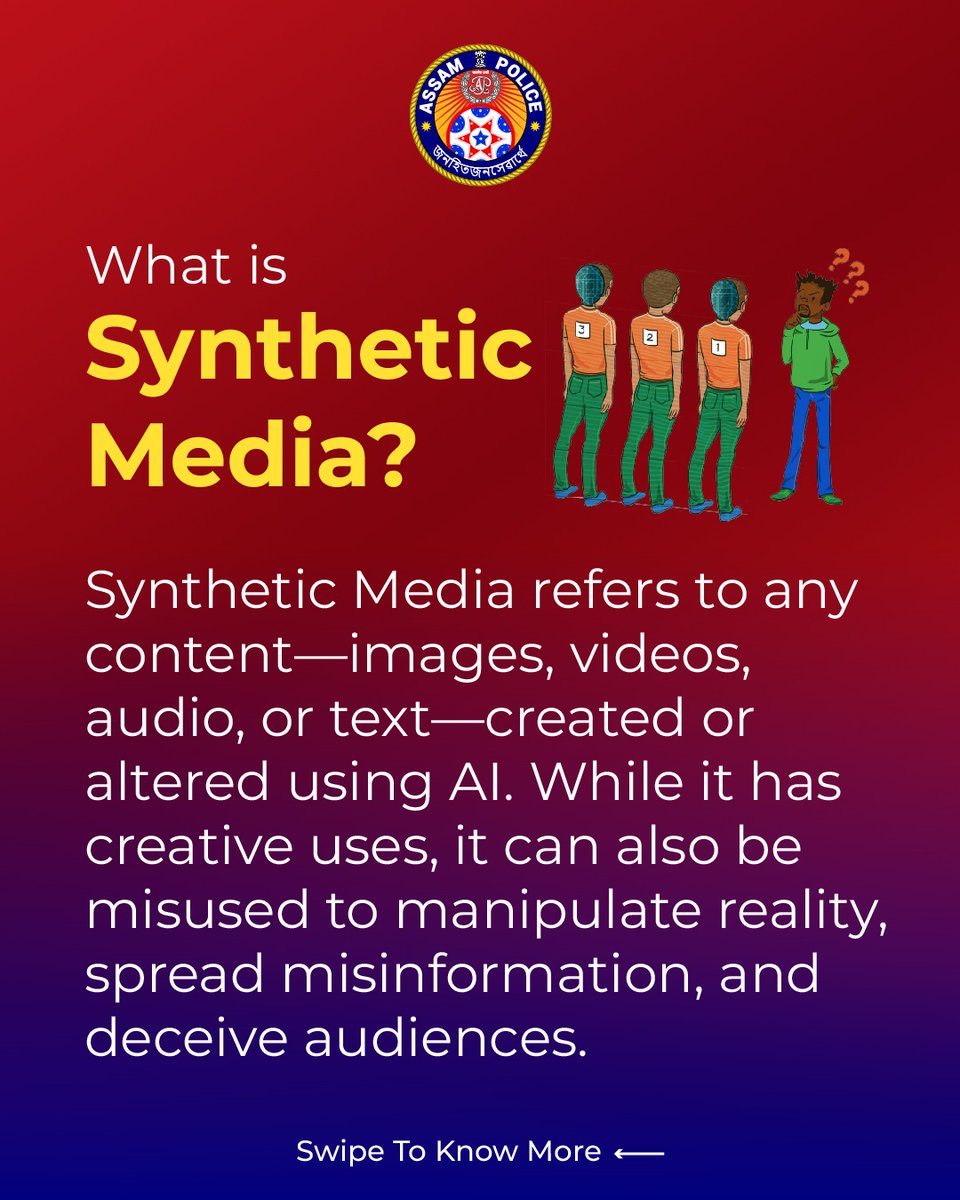
Synthetic Media Alert! 🚨
AI-generated fake media can mislead & harm:
Kids – Bullying & false accusations
Schools – Misinformation & fraud
Adults – Impersonation & harassment
Question before you trust.
#ThinkBeforeYouBelieve#SaferInternetDay#SID2025
Storytelling is a core capability for leaders of change. Stories are the building blocks of empathy & compassion and a way of getting to the heart of who you are. They foster feelings of community & connection. They can help people feel more in control & less alone in the challenges they face. Leaders who tell compelling stories can move their audience from apathy to empathy & ultimately to action.
The original article: https://t.co/pgrP0J5Kpd. A new podcast ("Leaders who tell stories rule the world"): https://t.co/Qv1AMcoMQO. By Manfred Kets de Vries via @INSEADKnowledge. I paired this with a graphic by @tnvora.
Knowing red flags can help keep your child safe online. Here are some signs that an online interaction might be dangerous.
Learn what to do if a predator contacts your child:
https://t.co/lZJpNrGhHP
Ratan Tata ’59, B.Arch. ’62, the university’s most generous international donor and one of India's most respected business leaders and philanthropists, passed Oct. 9. We will remember his legacy of transformative giving to Cornell.
https://t.co/0v0zYb6aGl
Online shopping is growing rapidly, but so is the risk of #onlinefraud❗ #Payment fraud is expected to hit $206 billion by 2025. So businesses need to understand these risks and learn to protect themselves from scams.
Our new guide on this topic👉 https://t.co/etZ8pKgy81