Excited about our new paper in the journal Mycorrhiza by @CaiafaMarcos@MAJusino@karlsenayala and others in the Smith Lab. One of the first papers to examine the ectomycorrhizal fungi of North American Cistaceae plants: https://t.co/oKNRbq8JNd
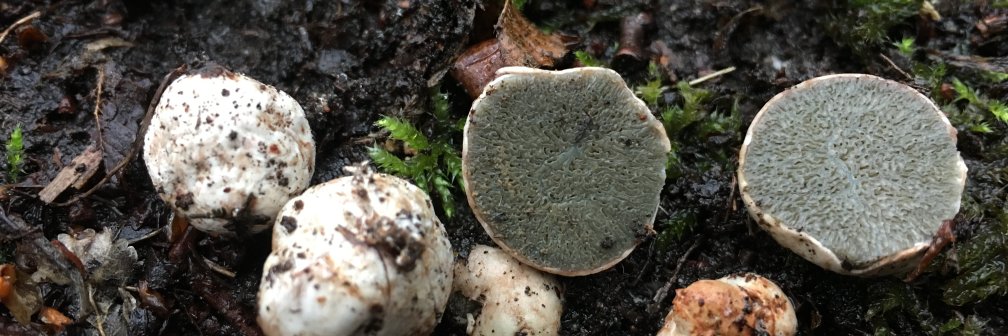
Check out the new paper in Mycologia by Alassane Sow et al. - a collaboration by our lab and Greg Bonito's lab at MSU describing two edible North American truffles. @BenLemmond @JudVanWyk : https://t.co/DtltU6qlz3
Elated to share that this January, I’ll be opening the doors to the Lofgren Mycology Laboratory at Berkeley in the @PMB_Berkeley dep. Our group will work on the ecology and evolution of fungi and their hosts, with a focus on ectomycorrhizal symbiosis, metabolism, and genomics.
I’ve enjoyed recent debates about common mycorrhizal networks and the #woodwideweb as well explained in this nice @nature_news piece by @Aisling_Irwin BUT I disagree with one misconception that I think is being propagated in these discussions 1/n
https://t.co/oTT3yEDomT
What is the most common fungus in Florida? it might very well be this putatively introduced mushroom species, Marasmius vagus:
https://t.co/b4k4Sherwj
The rapid expansion of the range of this fungus in Florida is captured nicely by Sarah Prentice in this new extension document
Congratulations to Dr. Claudia Paez and our other co-authors on this new paper describing Parvodontia relampaga - the causal agent of relampago blight of woody plants in Florida, USA (https://t.co/PLk5DflWua)
Take a trip through the evolutionary history of the mushroom genus Psilocybe . The genes for the psychoactive compound psilocybin were transferred horizontally between species up to five times between 40 million and 9 million years ago. In PNAS: https://t.co/NReIJMPQ11
Assistant Professor of Forest Pathology at the University of Florida. So much fungus! Search chaired by @JiriHulcr if you have questions.
https://t.co/1a0Ex26UTJ
@ImperfectFunGuy two relevant papers are:
Lazarus KL et al (2017) on the genus Syncephalis
and Reynolds et al (2019) on the genus Piptocephalis . both genera have crazy long ITS regions
Domestication through clandestine cultivation constrained genetic diversity in magic mushrooms relative to naturalized populations: Current Biology https://t.co/yXRotubgxm
Connecting the multiple dimensions of global soil fungal diversity: a comprehensive 6-dataset analysis of drivers of alpha, beta, gamma and phylogenetic diversity of fungi globally by Vladimir Mikryukov and co-workers. https://t.co/zM2BVkHWB2
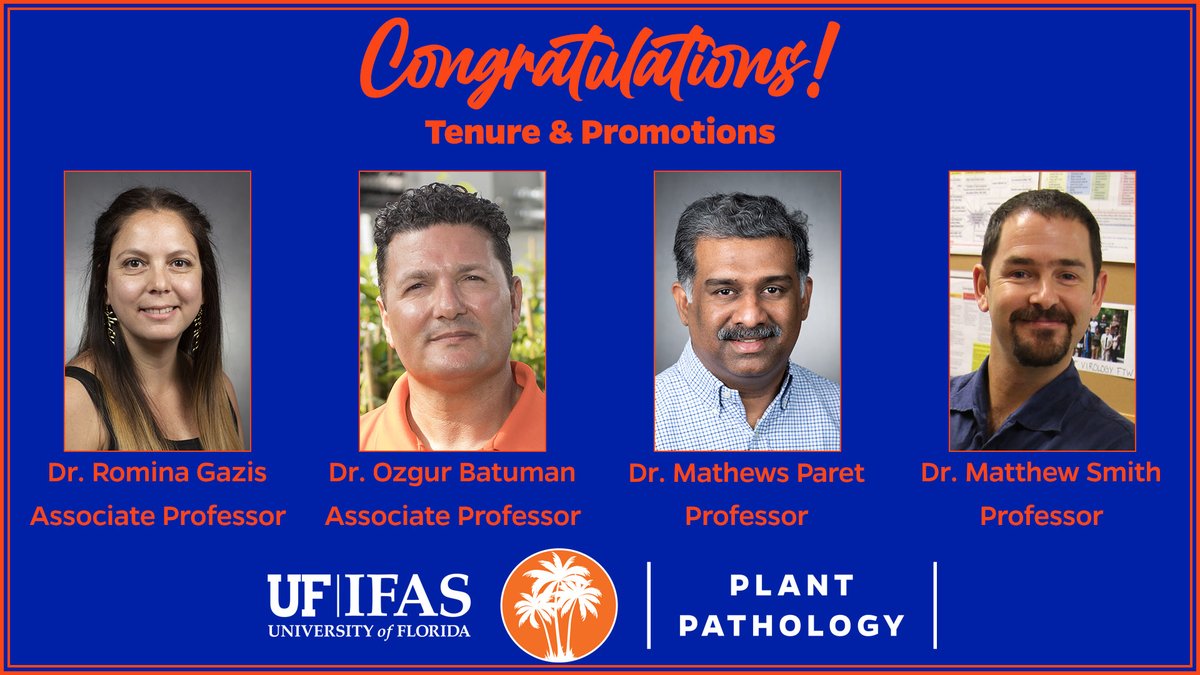
Congratulations to @ufplantpath faculty members on their tenure and promotions:
Dr. Romina Gazis and Dr. Ozgur Batuman have been promoted to the rank of Associate Professor and awarded tenure.
Dr. Mathews Paret and Dr. Matthew Smith have been promoted to the rank of Professor.
New publication by PhD student Ben Lemmond on accidental cultivation of Tuber brumale in the USA. Thanks also to our excellent collaborators Greg Bonito and Alassane Sow from Michigan State.
https://t.co/8PGUvymHSB
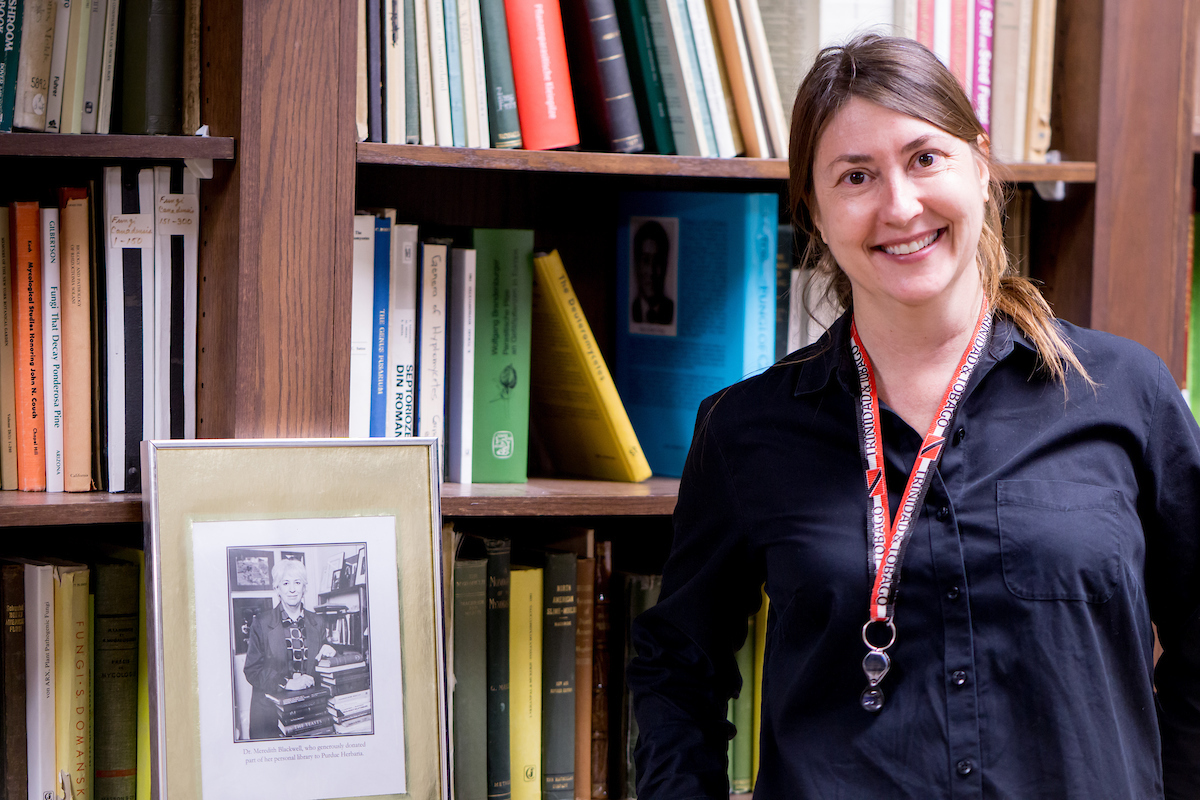
Cathie Aime was recently awarded the Josef Adolf von Arx Award from the Westerdijk Fungal Biodiversity Institute, reserved for individuals who has made an outstanding contribution to taxonomic research of fungal biodiversity, marking a distinguished career in mycology. Congrats!
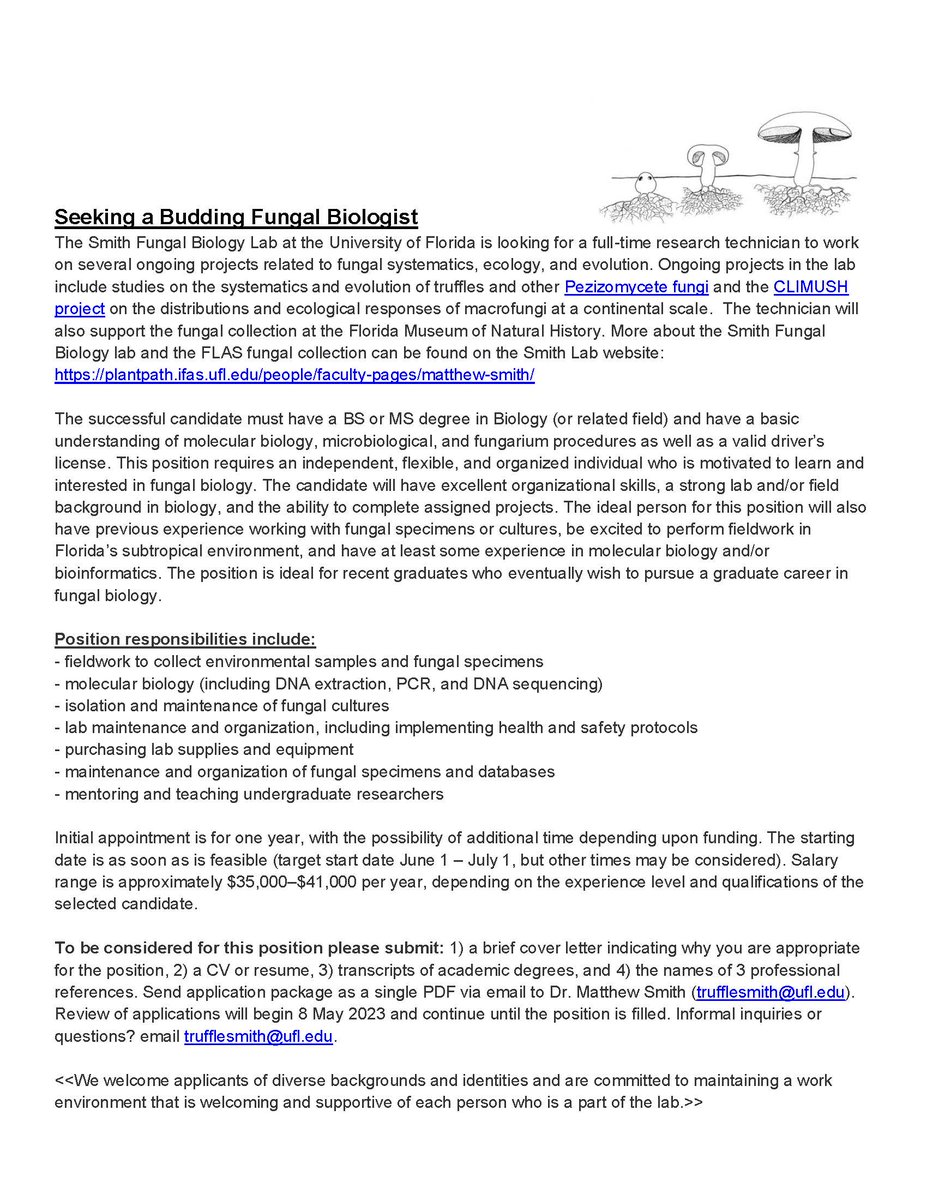
The Smith Fungal Biology Lab at the University of Florida is looking for a full-time research technician to work on several ongoing projects related to fungal systematics, ecology, and evolution. Details are below! Questions? email <[email protected]>