South Africa’s maize harvest process is roughly 14% behind last year’s pace.
The farmers have so far delivered 6.4 million tonnes of maize to commercial silos. This season is running 14% behind last season's pace.
The delays in the start of the season and the longer rainfall period are among the key reasons for this.
Still. South Africa is poised to harvest an ample 17.25 million tonnes of maize, the largest harvest on record.
BUY KAROO LAMB, ESPECIALLY THIS YEAR! 🇿🇦
The Karoo has exceptional rains, boosting the grazing veld.
So, all lambs produced and slaughtered in the Karoo will have access only to natural Karoo veld vegetation this year.
Every lamb produced in 2026 should automatically have complied with the requirements for the Karoo Lamb Geographical Indication (Karoo Lamb GI).
It is very good to see that Vietnam is back to buying South African maize after a few months of quietness. Last week, South Africa exported 85,320 tonnes of maize, with about 77% going to Vietnam. The rest went to the neighbouring countries.
In the 2026-27 marketing year, we recently started, in May 2026, South Africa could export roughly 3 million tonnes of maize. This would be up from 2 million tonnes in the past season.
South Africa has ample maize supplies on the back of robust production.
South Africa’s maize exports so far in the 2026-27 marketing year total 216 348 tonnes, out of the expected 3.0 million tonnes.
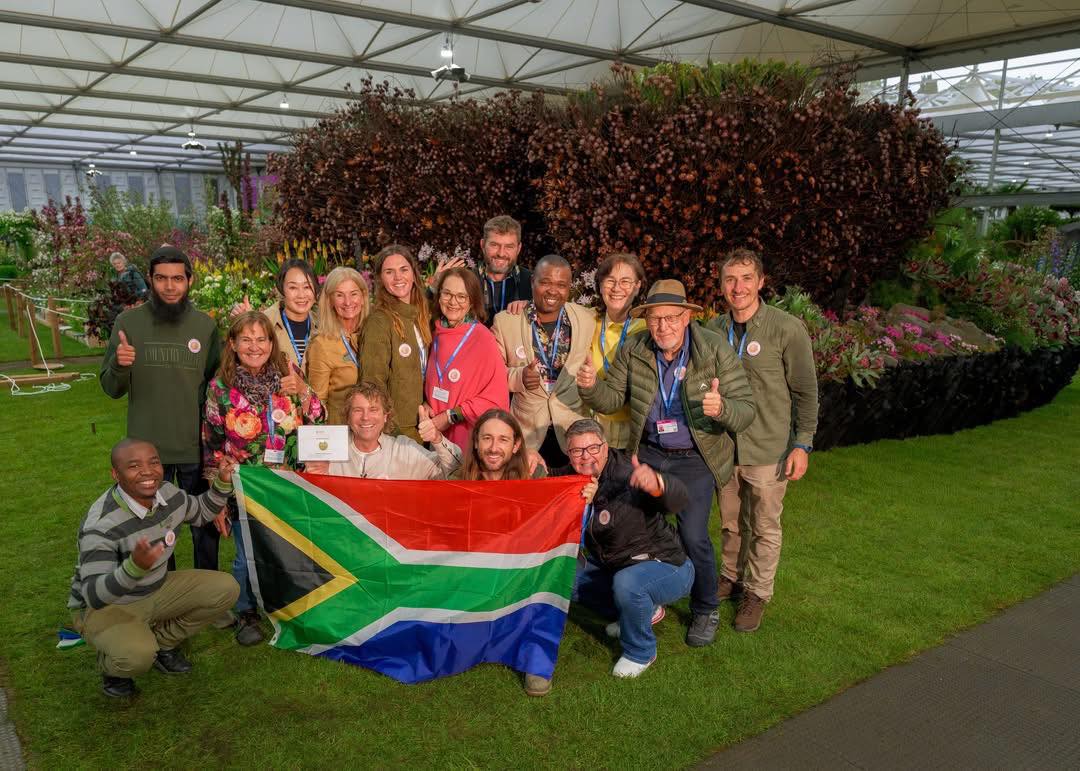
🇿🇦 Gold for #SouthAfrica at the #RHSChelsea Flower Show! Despite severe #WesternCape storms delaying flower harvesting, @LeonKluge & #TeamSA delivered a breathtaking display celebrating the resilience and beauty of the #Capeflora. Read: https://t.co/Gddcabhr0D
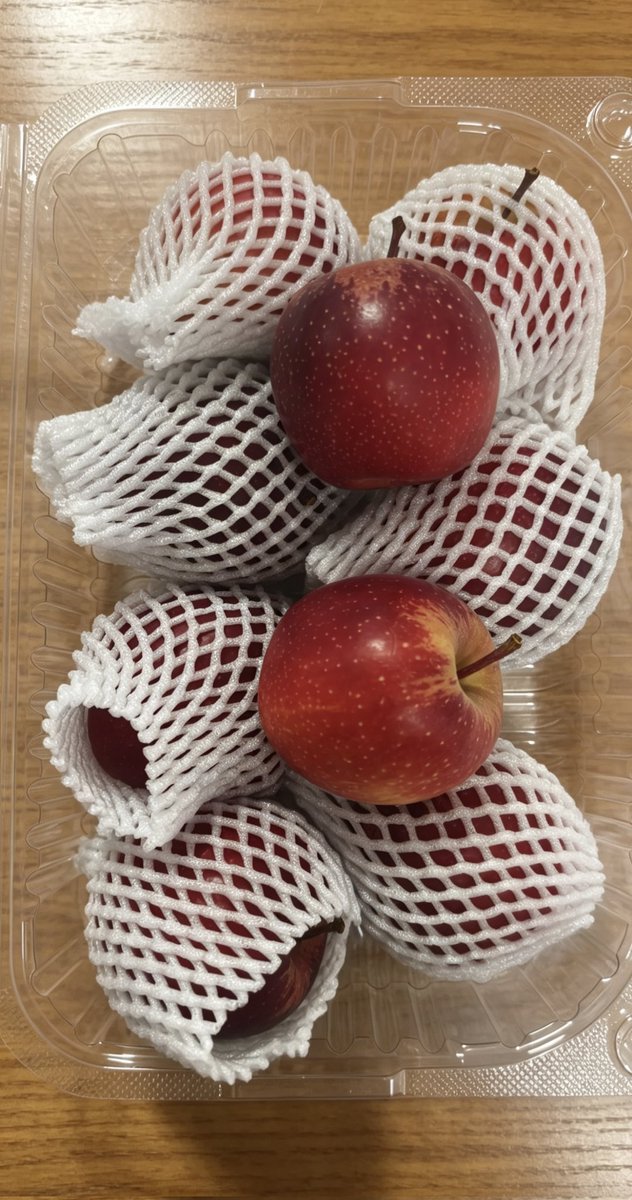
As you may have known, the first 24 tons of South African apple under #ZeroTariffPolicy arrived in Shenzhen on 1 May. I was able to buy some of them from a supermarket in Beijing today. Delicious!
SOUTH AFRICA IS NOW THE WORLD’S LEADING CITRUS EXPORTER.
South Africa has overtaken Spain and is now the world's leading exporter by volume.
Citrus is the leading agricultural export product, accounting for 17% of South Africa’s agricultural exports of US$15.1 billion in 2025.
Now that the tariffs are down to 10% (and may be removed given recent court rulings in the U.S.), South Africa’s agriculture is at the same level as our competitors in South America, including Chile and Peru. We can compete fairly.
The continuous inclusion on AGOA is key to this better access in the US market.
South Africa’s agricultural products have struggled with higher tariffs in China. For example, the wine industry faced duties of 14-20%, the macadamia industry 12%, and several other products faced higher tariffs. The China–Africa Economic Partnership Agreement has now removed all of these for us to have better access.
The current WOOL price surge still has some way to go to reach the June 2018 peak, when real price levels were R349/kg. All of these price levels are still far below the massive wool price boom in 1951/52.
Still, we are at a superb time for South African wool growers.
South Africa’s iconic rooibos tea has secured tariff-free access to China’s booming market. This breakthrough opens new opportunities for local producers, boosting exports and strengthening trade ties. With demand for health-focused beverages rising, rooibos is set to shine globally as both a cultural symbol and economic driver.
#news #business #Rooibos #success #GlobalTrade #tea
Read on https://t.co/2SnTHOTd5X
SA rooibos tea, nuts & red wine shone at the Hunan African Goodies Fair held in Changsha during the May Day holiday. With more affordable prices, Chinese consumers are embracing the natural flavors from SA. The zero-tariff policy is delivering tangible benefits to SA businesses & Chinese consumers.
In 2025, a year where some said BAD things were happening in South Africa’s farming, the sector did so well, and the exports were robust.
South Africa's agricultural exports in 2025 reached a record US$15.1 billion, up 10% from 2024. This is due to higher volumes of various product exports and better commodity prices.
The first shipment of SA apples arrived in Shenzhen, China on May 1st. Under the zero tariff treatment, the 24 tons of SA apples enjoyed a tariff reduction of around 50,000 Rand. We welcome more products of SA to reach the Chinese market and hope the policy will better benefit our two peoples.