@mrjasonchoi@dydx@compoundfinance shorting DAI = long ETH/BTC. But since you can long crypto with any stable-coin, it doesn't really explain why only DAI utilization > 99%. USDC which is also available on these platforms have utilization around 20% currently.
At this moment, the utilization rate of DAI is 99.7% on @dydx and 99.3% on @compoundfinance. Does anyone have a rational explanation for who is borrowing
$30m worth of DAI and what they are doing with it?
In the age of flash loans, poorly designed smart contracts are more vulnerable than ever. Our team decided to re-examined everything from the ground up:
We just published a piece on flash loans, the #bZx hacks, and DDEX's security.
In the article we answer 4 questions that #DeFi users may consider when they go to test a new platform.
Questions and feedback are welcome 😊
#DDEX#Security#Decentralized
https://t.co/kPripW5veF
@mrjasonchoi @UniswapExchange Yes it is true that users want as much slippage as possible. But that's just like saying consumers want as much accidentally mis-priced "deals" on Amazon as possible. Someone paid for it, and they probably didn't do it on purpose.
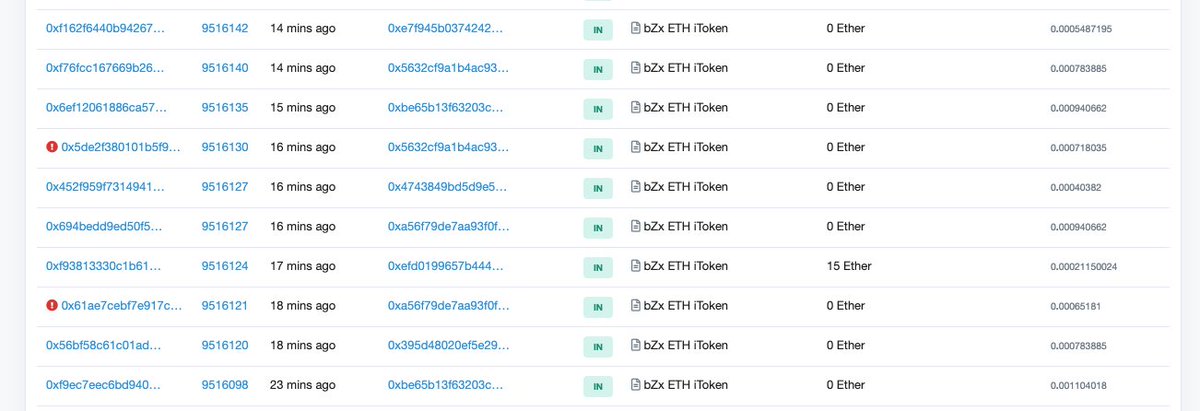
Looking at the transaction log of iETH, the majority of the 0 Ether transactions are withdraws, often failing due to lack of liquidity. Occasionally (for whatever reason) a DEPOSIT would come in, which gets gobbled up like meat thrown to wolves
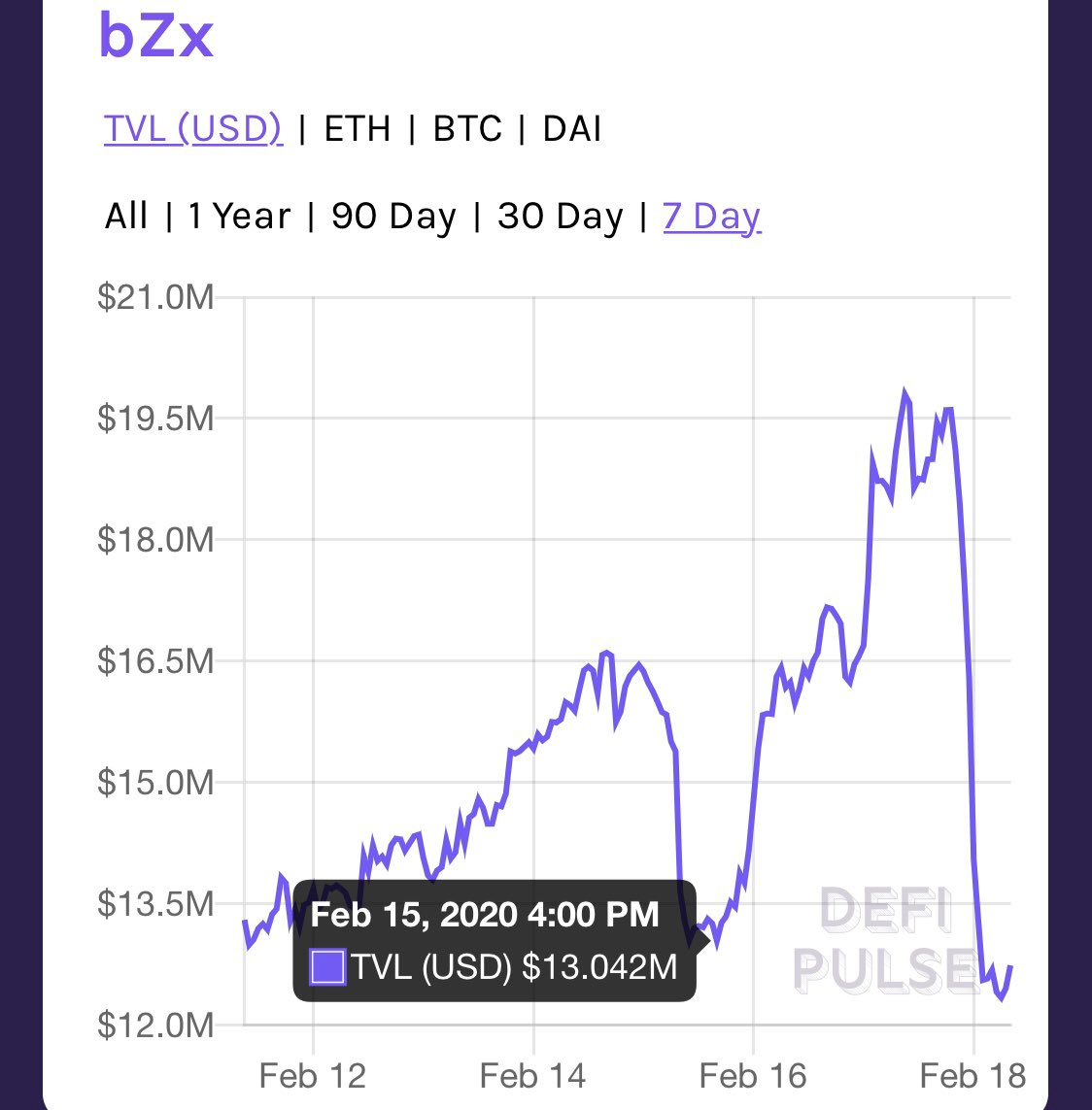
The deleveraging happening on bZx right now is both fascinating and scary to look at.
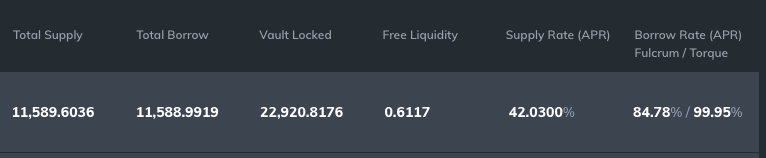
As of now there are over 11,000 ETH in the bZx pool with only 0.6 ETH available for withdraw, meaning it is nearly impossible for lenders to exit. (source: https://t.co/EjdatP2BQM)
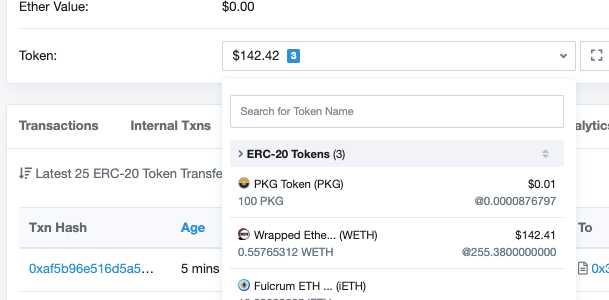
An easier way to see "free liquidity" is to look at the iETH contract on https://t.co/VGuJNn8lKA. The balance of WETH it holds is what is available for withdraw.
https://t.co/lcqEknJMo9
One lesson we learned from past experience is that although "all the data is right there in the smart contract", it is not practical to expect the majority of users to perform raw analysis. We should strive to improve observability.
@tayvano_ Whether bZx could survive the second incident ultimately depends on the perception of lenders. After the first incident and the “funds are safu” announcement, deposits rebounded and the bZx pool actually achieved a new all time high (for a short while)
@hosseeb How does one "consolidate against" flash loans? Do I just say: "hey guys do you mind not letting random people swing around the entirety of your pooled assets as a wrecking ball against our contracts?"
@tomhschmidt@tushar_jain For some reason "timelock" is just a boring thing to talk about (compared to stuff like "Flash Loans") and fails to garner mainstream attention. But hey as long as somebody knows ^^
3/ Claiming that this was not a hack/bug but simply advanced financial juggling
https://t.co/ZkLrwNFy2V
When in fact an (understandable) mistake was made and a crucial invariant check was omitted.
This analysis of the bZx hack is the first one I've read that actually makes sense and doesn't hand wave over crucial steps. Much respect to @pecshield https://t.co/6UNxqmthbX
2/ Focusing on the flash lending and involvement of a large number of protocols instead of the crucial step
@dydx and @compoundfinance was the easiest way to temporarily procure ETH WBTC, but weren't necessary. ingredients. The crucial step only involves bZx and uniswap