I'm proud to announce a new textbook for #musicscience out, titled Music and Science: A Guide to Empirical Music Research. It covers methods in music psychology to open research & computational analysis, see https://t.co/4jcBWMAkhg R & Python code at https://t.co/lFVeYBQ1UE
@nielschr_@Spotify I was demonstrating all the features during teaching on Wednesday (what is the saddest Christmas hit and the most acoustic Coldplay album and the slowest variant of Purcell's aria) and I thought I had exceeded my quotas when I hit "Forbidden (HTTP 403)"! Workaround is needed.
Just to note that I prefer to have my social media discussions at the other side, where the sky is blue and tone is civil and professional. You can find me by following #musicscience tag or firstnamelastname[dot]bsky[dot]social
Model offers predictions to guide empirical research on music’s emotional impact. This constructionist perspective provides ways to focus music and emotion research, supporting both applied directions & more personalised explanations of these experiences 4/5
The Episode Model further breaks down the 5 episodes into 6 schemes: 1 emotional qualia, 2 mechanisms, 3 listening modes & agency, 4 reward & exposure, 5 musical meanings, and 6 functional contexts. These emphasise the situated and contextual nature of these episodes 3/5
New theory out! What do you get when you mix music and emotion regulation literature with the functions of music and explanations of music-induced emotions? You get a new theory called the 'Episode Model of Emotional Experiences of Music' 1/5
This framework places the functions and situations of music listening at the centre & identifies 5 unique emotional episodes: 1) Enjoyment–Distraction–Relaxation, 2) Connection–Belonging, 3) Focus–Motivation, 4) Personal Emotional Processing, and 5) Aesthetic–Interest–Awe 2/5
I made a 1-minute YouTube video of how to create an index to a book with keywords, page proofs and python scripting.
https://t.co/gJN15SxaHQ #musicscience#book#WorkSmart
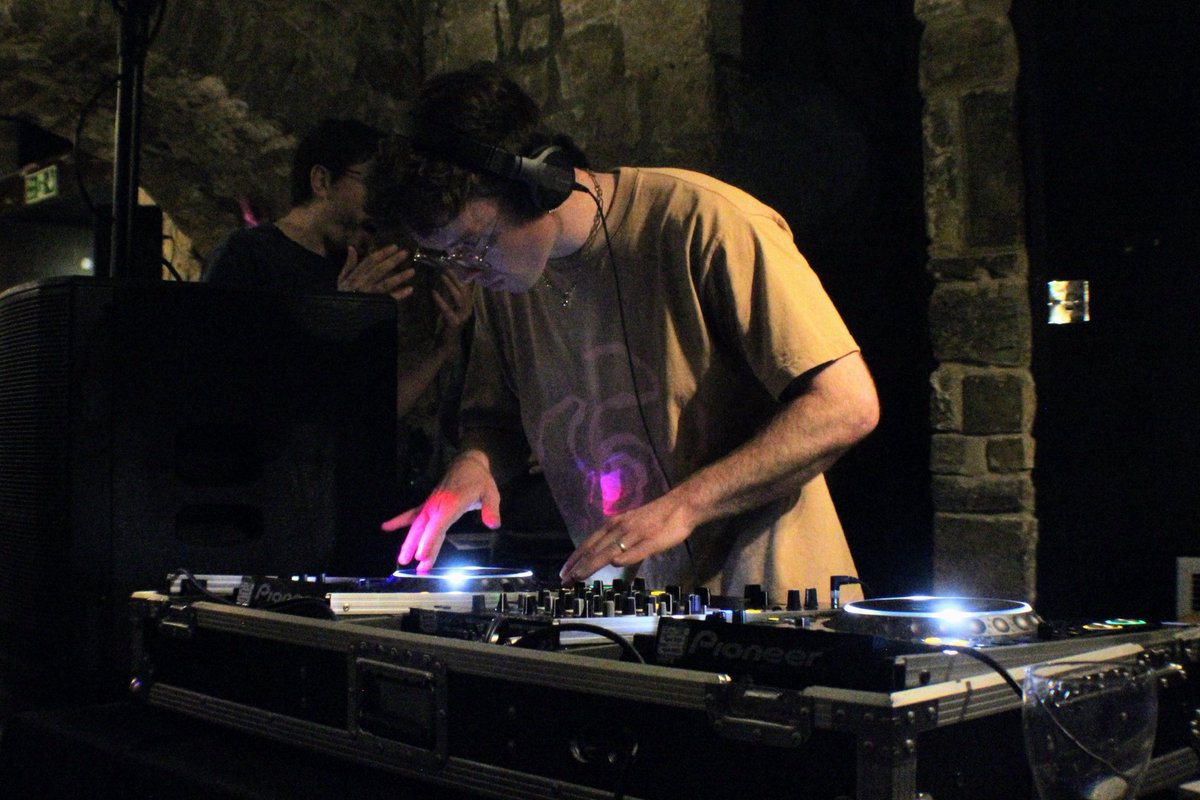
Another incredible @CulturalEvolSoc conference! Had such a fun time DJing with @evogom 🐦 Massive thank you to the organizers for putting together such an engaging and inclusive conference, especially @sheinalew for the invite 🫶 Can't wait for #CES2026!
📢 New paper in Memory & Cognition!📢
Musical pieces that have incongruent emotion cues (mode & timbre) are better remembered than congruent ones; consistent with desirable difficulty. Nice collab with Andrea Halpern from Bucknell University https://t.co/3BVH439fK1
#musicscience
@noindent @GamelanSP@escom_12@bleizdelsette @jordieshier @tiianhk@c4dm I really enjoyed the richness of the descriptions from the digital instrument makers & was not proud of the rigidness of the academic coverage, but perhaps there is a way to meet in the middle. Great building blocks for enriching our concept for the sound colour #timbre
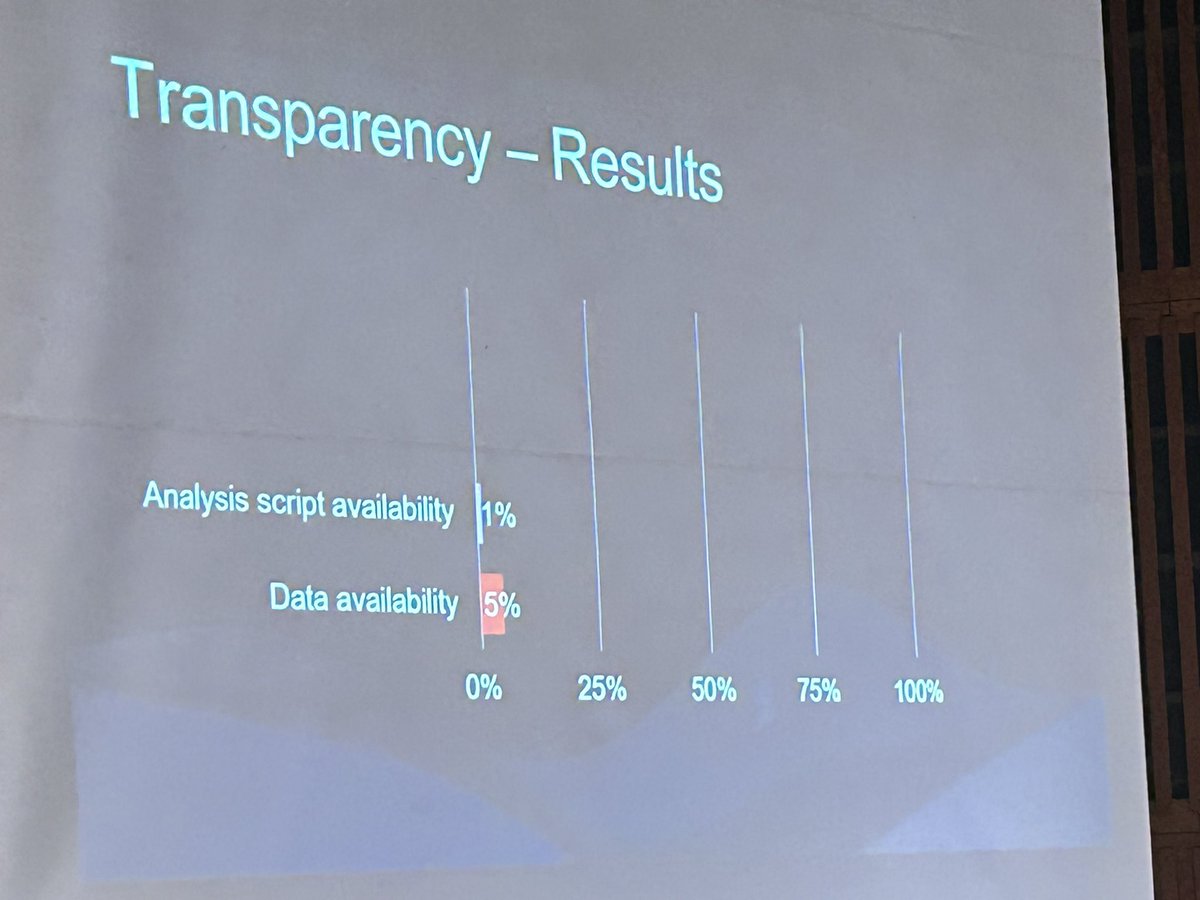
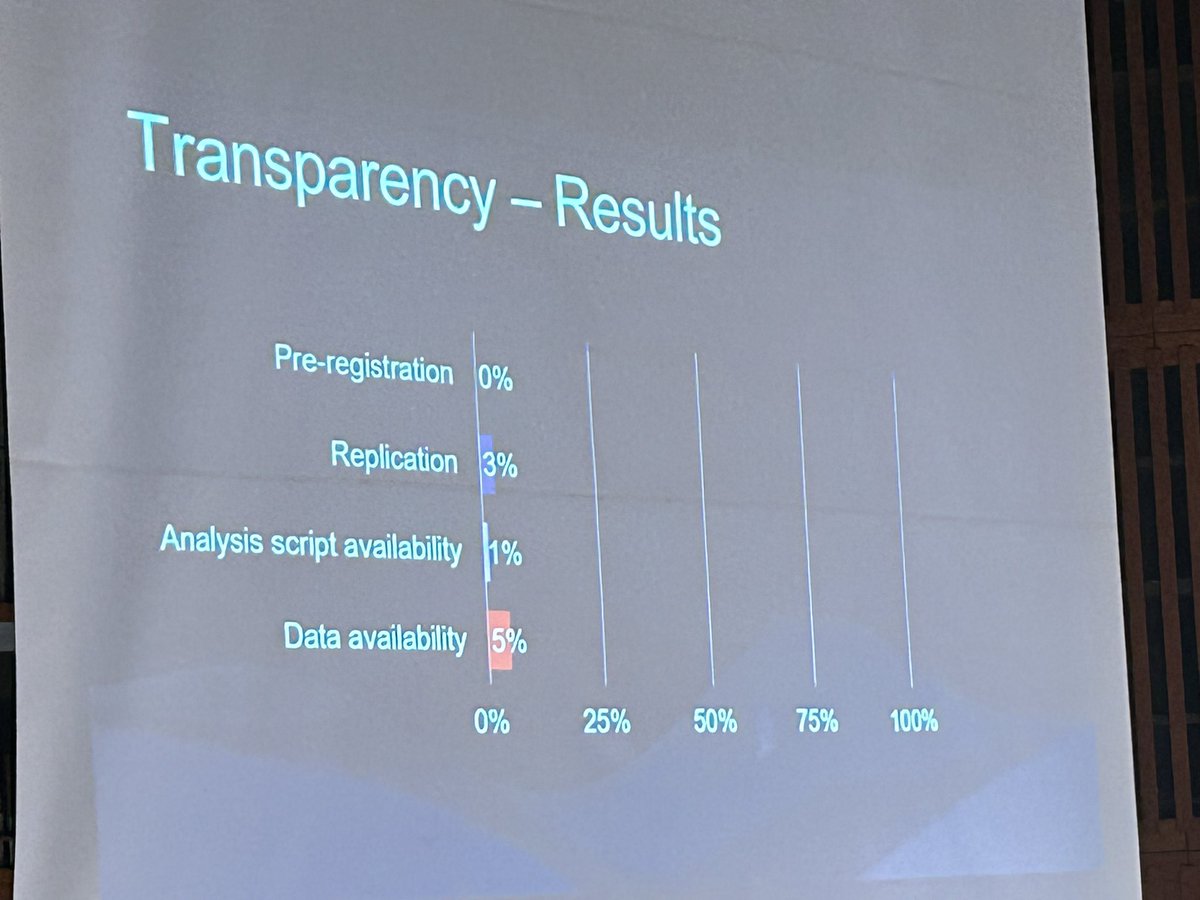
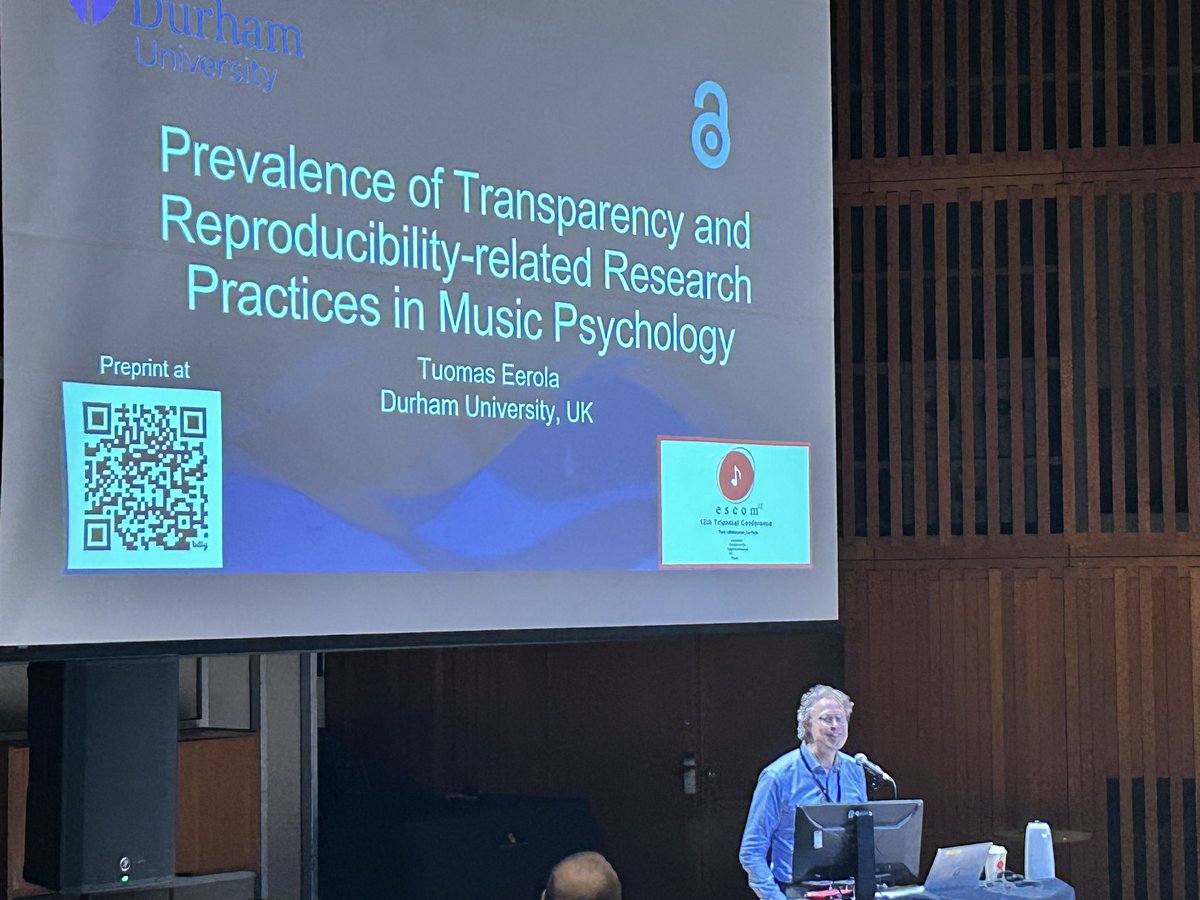
A really important talk on the importance of sharing data and analysis scripts in #musicscience.
More needs to be done and faster advancements in the field will follow.
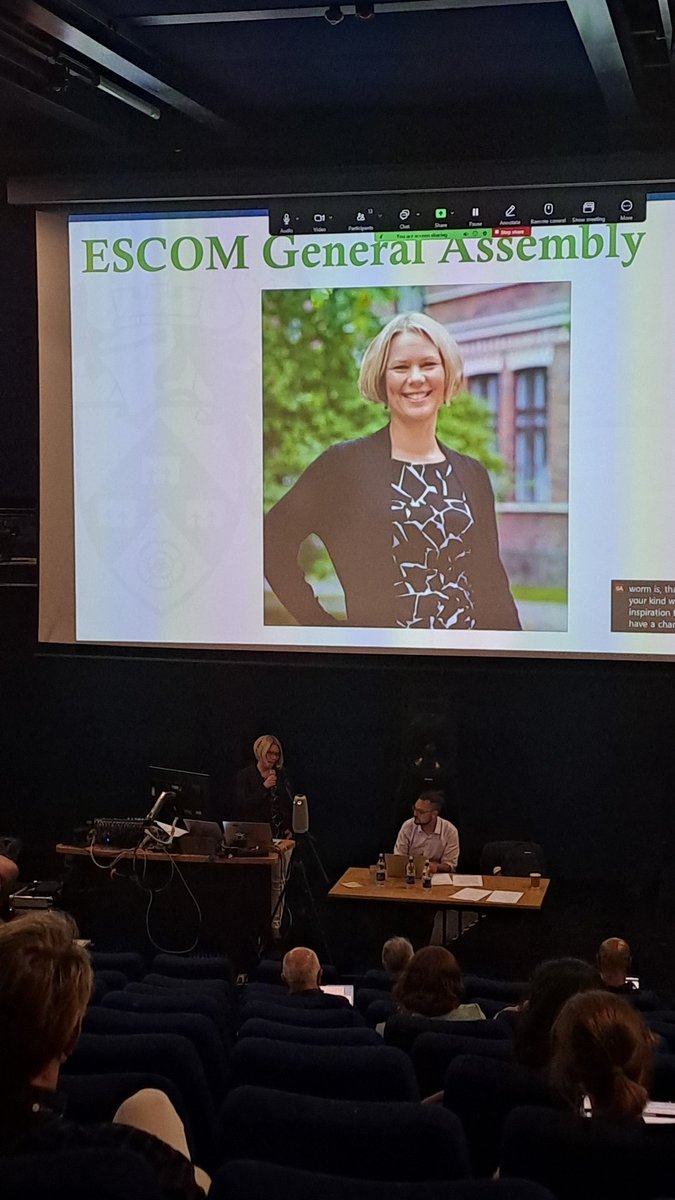
@tuomas_ee @ #escom12
@dancingresearch@lennie_tm Yes please!, even if it would attract a minority of authors initially, it sends a strong signal about the value of planning and theorising, especially for studies that test theories
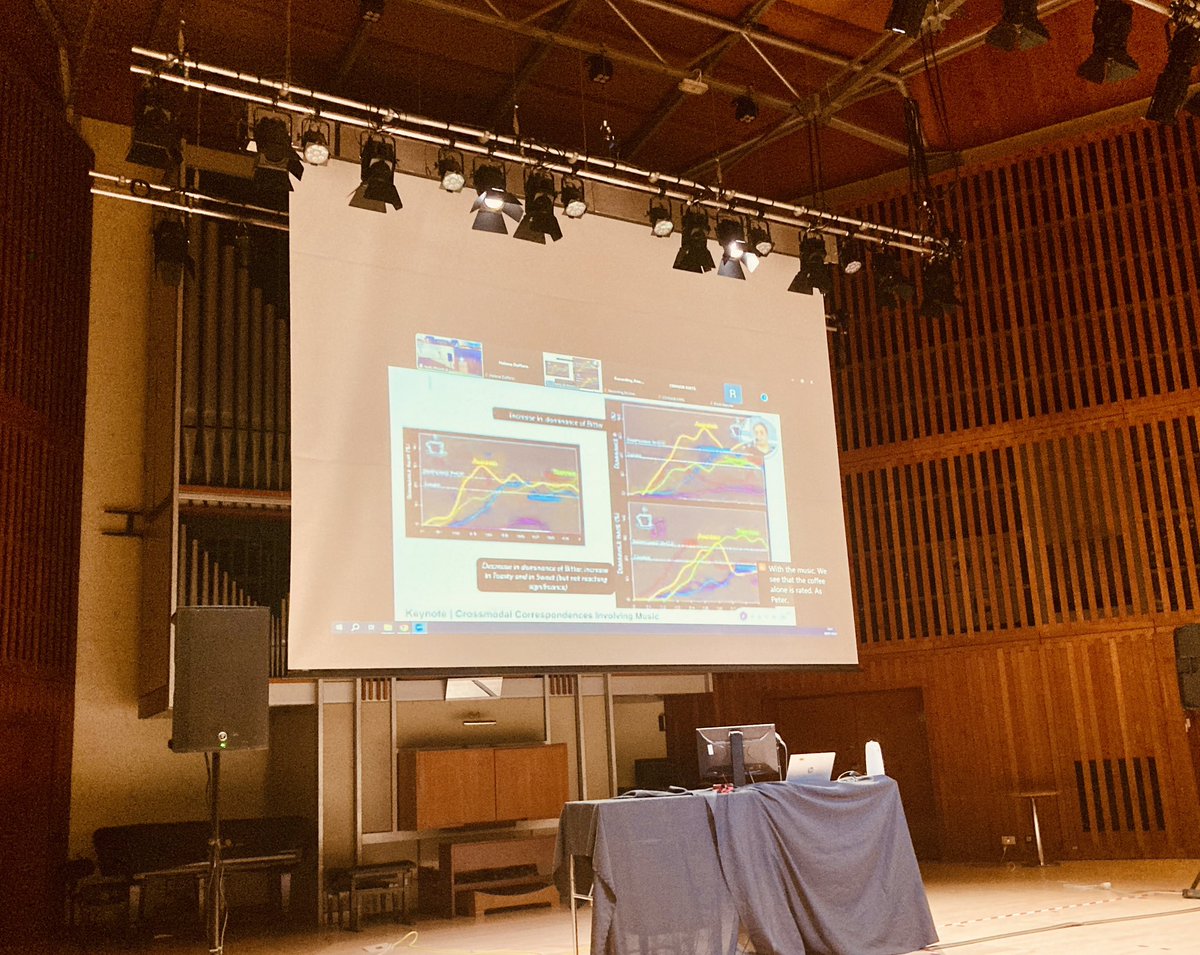
Final #escom12 keynote given by Bruno Mesz who took us on a whirlwind tour of #crossmodal interactions with music. So many mappings (#smell, #shape, #colour, #taste) make sense with music but the level of explanation is not always easy to define #musicscience
Wonderful big data take on tempo and age by @Geoff_Luck & Alessandro Ansani that show a hockey stick function of performed tempo across age that matches the changes in spontaneous motor tempo across life-span #musicscience#escom12