📢 Come listen to Prof. Wooten on #Astronomy Research in the #Atacama : Unveiling the Secrets of the Universe from Chile’s #ClearSkies ✨✨
#PhysicsColloquium is Friday at 12:20 pm in Heritage Hall, Rm 121. @UAB @UAB_CAS @HonorsUAB
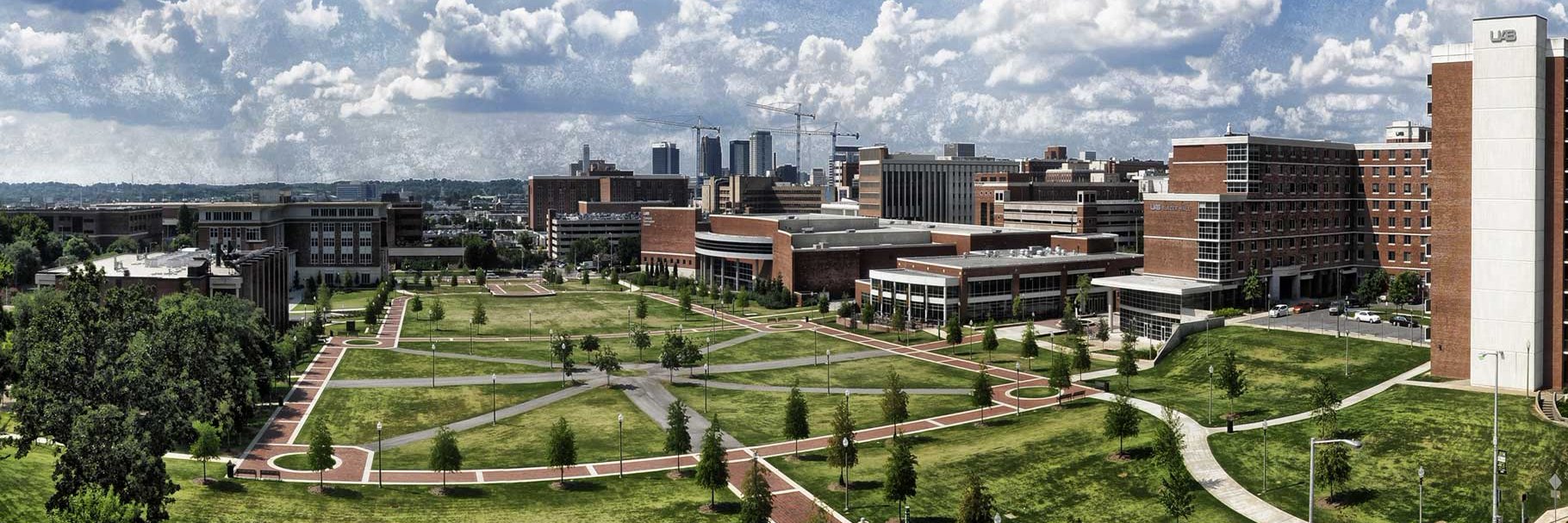
From the start, UAB has been a force for what's new. Now, for the first time in our history, we're excited to unite campus, medicine, and athletics under one bold brand. A new step forward, together. #TeamUAB https://t.co/okivZhKx2c
@UAB_Athletics@uabmedicine
Sergey Mirov, Superfund member and @UAB_Physics professor, has been selected as a Program Chair for the upcoming Mid-Infrared Coherent Sources Conference to be held in Vienna, Austria on March 12-14, 2024.
🎉🎉Happy to announce we received the 2023-2025 Department of Distinction in undergraduate Physics education from @APSphysics this weekend!! Here's our shiny new plaque! @UABNews
📢We will receive the Undergraduate Physics Education Award this year from the @APS!! 🥳🎉
Thanks to the faculty, staff and students that made this possible. To read more... https://t.co/Tkdf49uB7h
New work from @AppavooLab on angle-resolved polarimetry of hybrid #perovskite emission for photonic technologies now out in @nanoscale_rsc! Find out more in communication 👇
https://t.co/eNQ72qW2wV
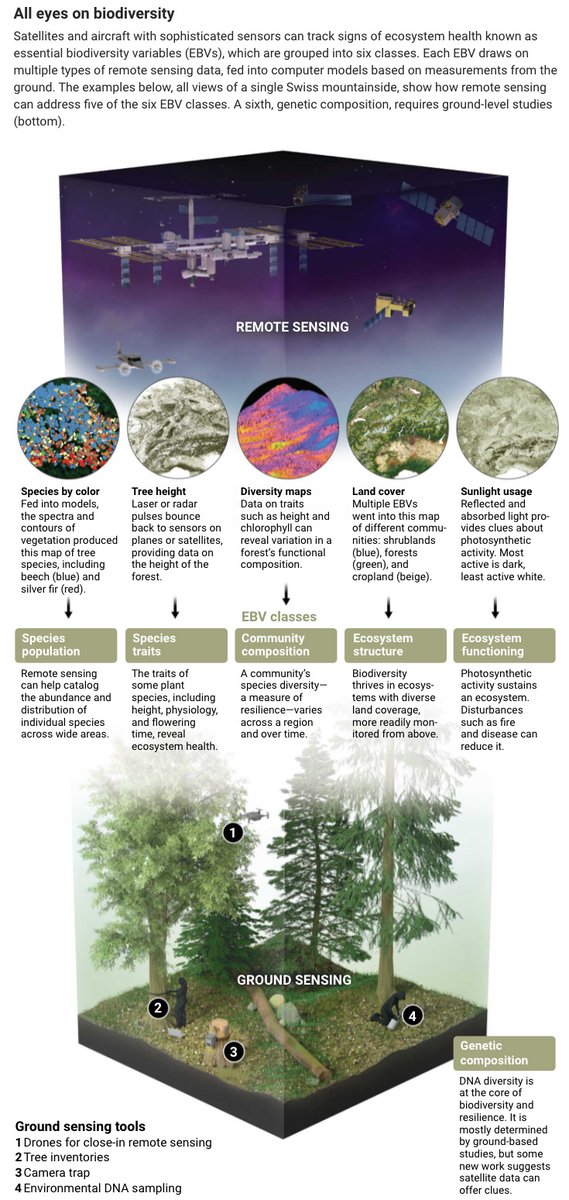
Satellites and other remote sensing tools are not only revolutionizing how scientists study ecosystems, they��re also poised to become powerful new tools in the fight to protect them. https://t.co/90vtAIx02U #EarthDay
Here, Mootz and colleagues demonstrate theoretically how non-equilibrium superconducting states can be identified from features in THz multi-dimensional coherent spectroscopy experiments. @UAB_Physics, @Ames_Laboratory, @IowaStateU https://t.co/8eBNb2uPyX
Congrats to Assistant Professor Cheng-Chien Chen, who received the NSF CAREER award for his data-driven machine learning and supercomputing approach to Correlated Superconductors under Extreme Conditions!! 🎉
https://t.co/X67vVPCnBX
When it’s cold out, window glass and roof coatings that use passive radiative cooling to keep buildings cool can be designed to passively turn off radiative cooling to avoid heat loss, two new Science studies show. ⬇️
https://t.co/jyaSzqD3BM
https://t.co/hqzyyoJ0Td