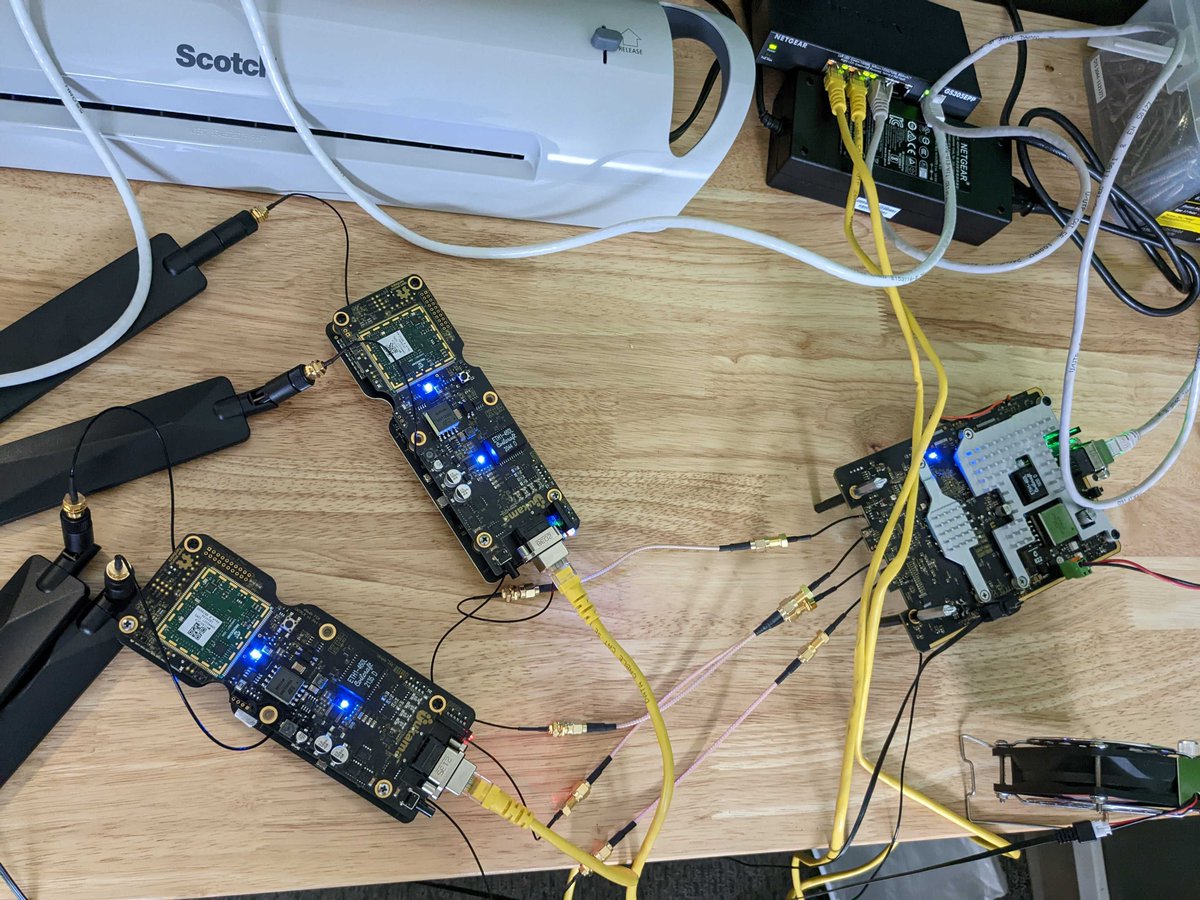
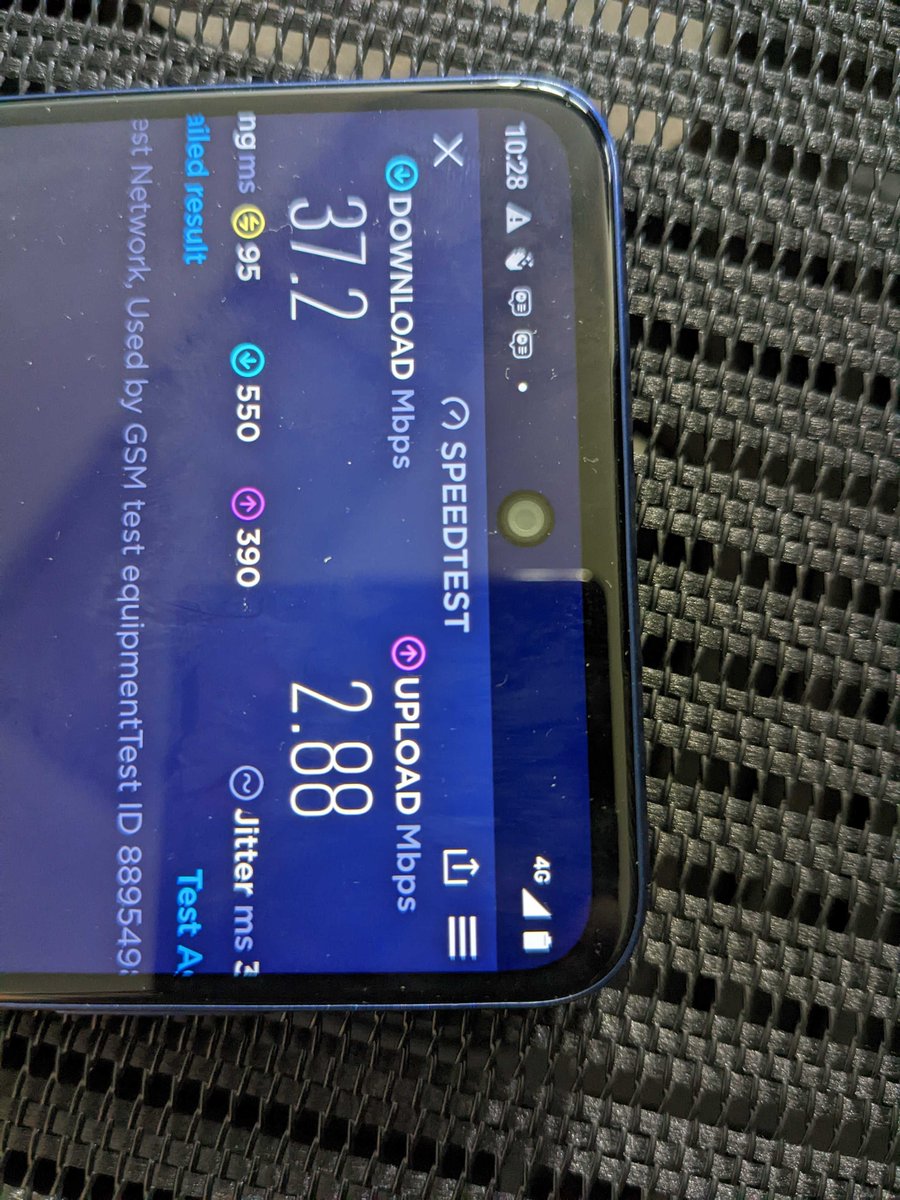
Ukama full stack (SIM, Hardware, Software including core) using @SpaceX starlink as backhaul at customer site. You can deploy your own solar-powered decentralized cellular network anywhere! #solarenergy@SpaceX@ukamaNetworks@SpaceXStarlink
Working with @USTDA for our first deployment in the Democratic Republic of the Congo (DRC), connecting over 500K+ people to the internet, empowered by local entrepreneurs!. https://t.co/IOXsXyKy80
Support our crowdsupply campaign: https://t.co/YF4VKEiVbN @USTDA_Director
@9600@LaF0rge@ericmigi Ukama Tower Node has two things: it is based on SoC and it also have build in GPP module. When you buy Ukama Tower Node, you don't need to buy anything else. Agree, I should add "hardware required" to LTE stack and remove it from EPC but it will still be no :)
@9600@LaF0rge@ericmigi So do i, when running SRS stack + EPC. :) Point is, when using SDR, you need additional hardware (GPP). When you buy SoC-based solution, you don't need to get another hardware to run your L1-L3 but ofcourse you loose flexibility.
@edwardmiller Tower Node + amplifier is approx. 1km. The frequency used, terrain and vegetation also effect the range. Yes, you can increase the range. alternatively, depending on your use case, you can also use CPE (as UE) as FWS (Fixed Wireless Access).
@LaF0rge https://t.co/Vkjr5O7ugi
Stack is not open-source but it is still consider open-source. I assume because people can buy the module and still be able to replicate. We are going for same model. :)
@LaF0rge@laForge another example of certified open-source project but it doesn't have L1-L3 cellular stack open.
Cert: https://t.co/Vkjr5NPl2a
Product: https://t.co/8qg9uSDPg3
@LaF0rge@ericmigi@LaF0rge yes the stack (L1-L3) is not open-source at this time, unfortunately. We have embedded core implementation, which runs in the same box, which will be open-source under same repo shortly. We are updating our page to reflect this clearly what all is open-source