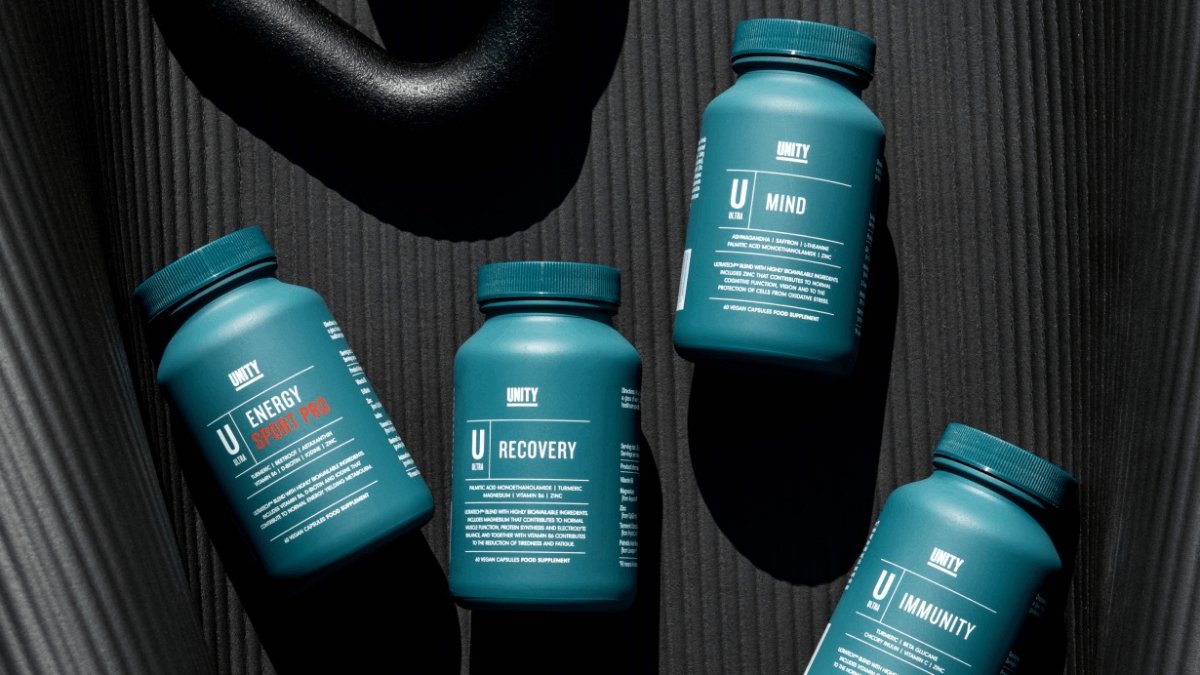
We are a community of elite athletes, performance experts & scientists. The U ULTRA range: Developed by Athletes, Formulated by Scientists, Made for You
INTRODUCING the groundbreaking new U ULTRA supplements range.
Developed by elite athletes @mathieuflamini and @MesutOzil1088, formulated by @UniWestminster leading scientists, and made for you.
The U ULTRA range is where #SportMeetsScience
Learn more: https://t.co/h38PKtcGMG
Make 2022 the year of you with new U ULTRA supplement bundles.
Available exclusively @selfridges each bundle comprises clinically-proven, targeted nutrition to help you reach your goals.
Hit the link to learn more.
https://t.co/eBhseqKmJJ
MOVEMENT AND MOOD.
Depression, anxiety, burnout, and even just general stuckness hate a moving target. A little bit of exercise every day helps to keep the mind at bay.
Many people are struggling with challenging emotions right now.
Here is a deeper dive. (Thread.)
Tired of feeling tired? Exciting new research shows that one of the active ingredients in our U ULTRA Mind and Recovery formulas is even better for improving sleep quality than first thought…
What an absolute inspiration!
Ida Keeling’s life just goes to show what can be achieved in spite of the challenges and obstacles life throws our way.
#mindset#training#running
https://t.co/0T5fTCeaax
3. Some research suggests if we’re going to eat sugary foods, it’s best to do it early. One study found that changing levels of the appetite hormone leptin in the body throughout the day coincide with having our lowest threshold for sweet food in a morning.
2. Researchers from the University of Surrey and University of Aberdeen are researching the mechanisms behind how the time we eat influences body weight. Early findings suggest that a bigger breakfast is beneficial to weight control.
5. A review of 54 studies found no consensus on what type of breakfast is healthier, and concluded that the type of breakfast doesn’t matter as much as long as we eat something.
4. Breakfast is also associated with improved brain function, including concentration and language. A review of 54 studies even found that eating breakfast can improve our memory.
3. Breakfast has been found to affect more than just weight. Skipping breakfast is associated with a 27% increased risk of heart disease, a 21% higher risk of type 2 diabetes in men, and a 20% higher risk of type 2 diabetes in women.
Okay, time for some… BREAKFACTS!
1. A randomised control found that skipping breakfast disrupts our circadian rhythms, leading to spikes in blood glucose levels after eating. Eating breakfast, the researchers concluded, is essential for keeping our body clocks running on time.