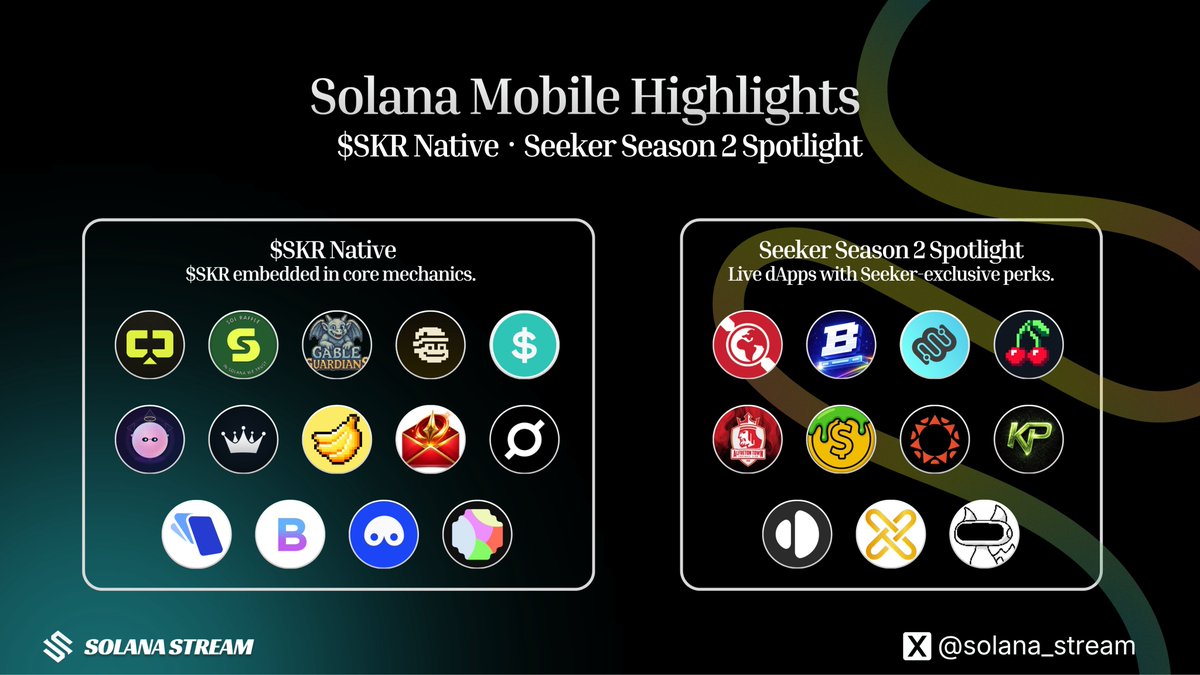
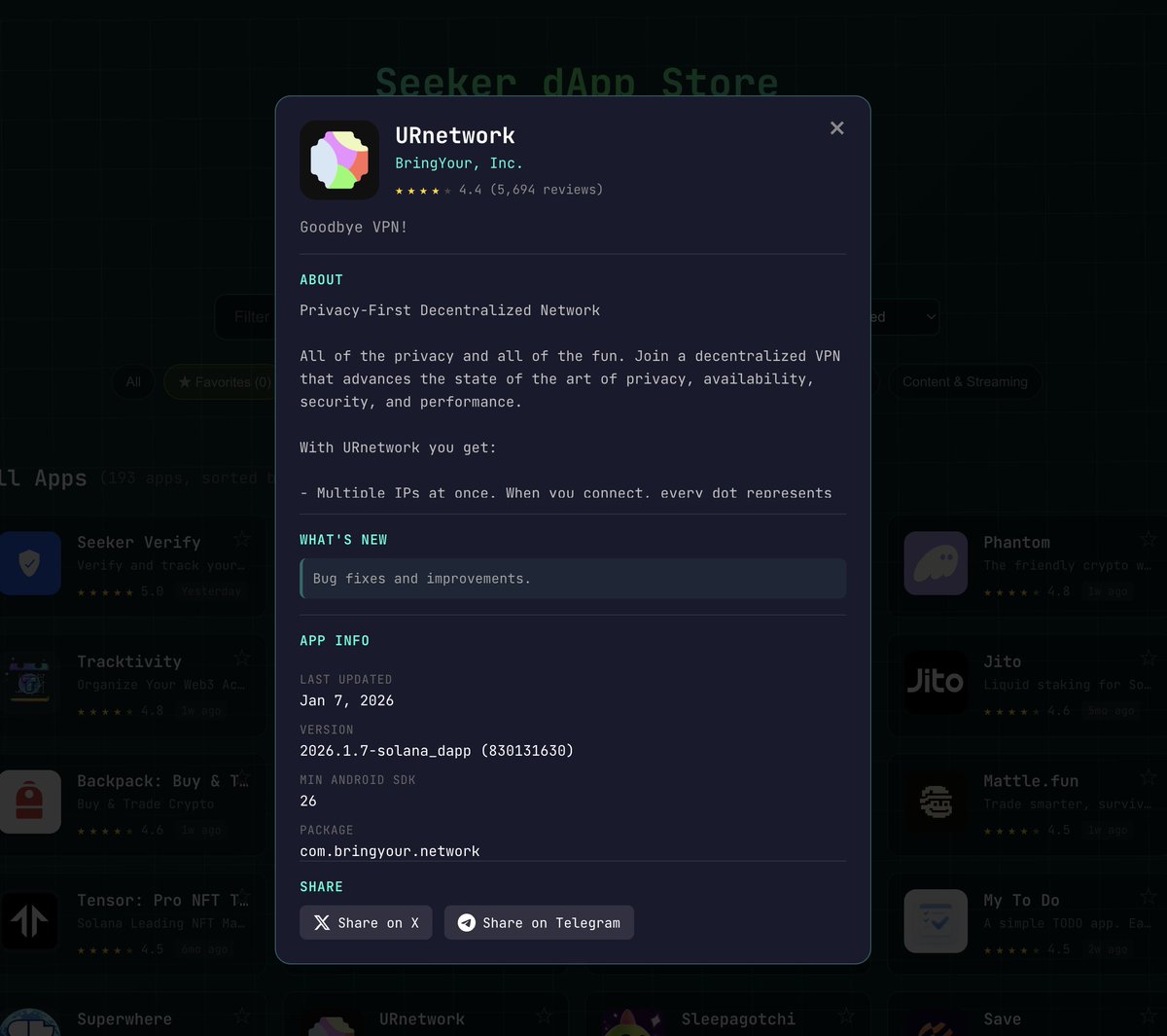
Solana Mobile is building the decentralized infrastructure of the future. That’s why we’re giving Saga & Seeker holders 2x earnings on URnetwork. Free VPN + Earn = actual utility. GM to innovation.
Claim your multiplier → https://t.co/Az0OwWY9jC
Every time you go online, someone can see who you're talking to. @urnetwork hides that.
Your traffic gets encrypted at the deepest level, so what you do online stays yours.
Bringing true privacy to the internet ↓
2. Could we get Obtanium on the device by default? It would make it easy for users to get apps like the ethOS build of URnetwork. Get it here - https://t.co/pVadswcQbl
1. It's clear @FreedomFactory cares a ton about privacy. Even the included USB cable is charge only (no data connection). There a ton of other thoughtful choices like a GrapheneOS base.
@r4nk0X@SentinelP2P@nym@MysteriumNet Those are included. If you don't like the project your choice but this project made intentional choices on how to build to work the best for the most people. We're still building.
New episode of Solana is Global:
@afscott talks with Brien Colwell, founder of @urnetwork, a decentralized VPN built on Solana, about the future of internet privacy and how Solana enables a fully encrypted Internet
Check out the full episode 👇
Nobody should have to choose between privacy and safety online.
We're building an internet that's free, anonymous, and secure by default... not by trust.
URnetwork
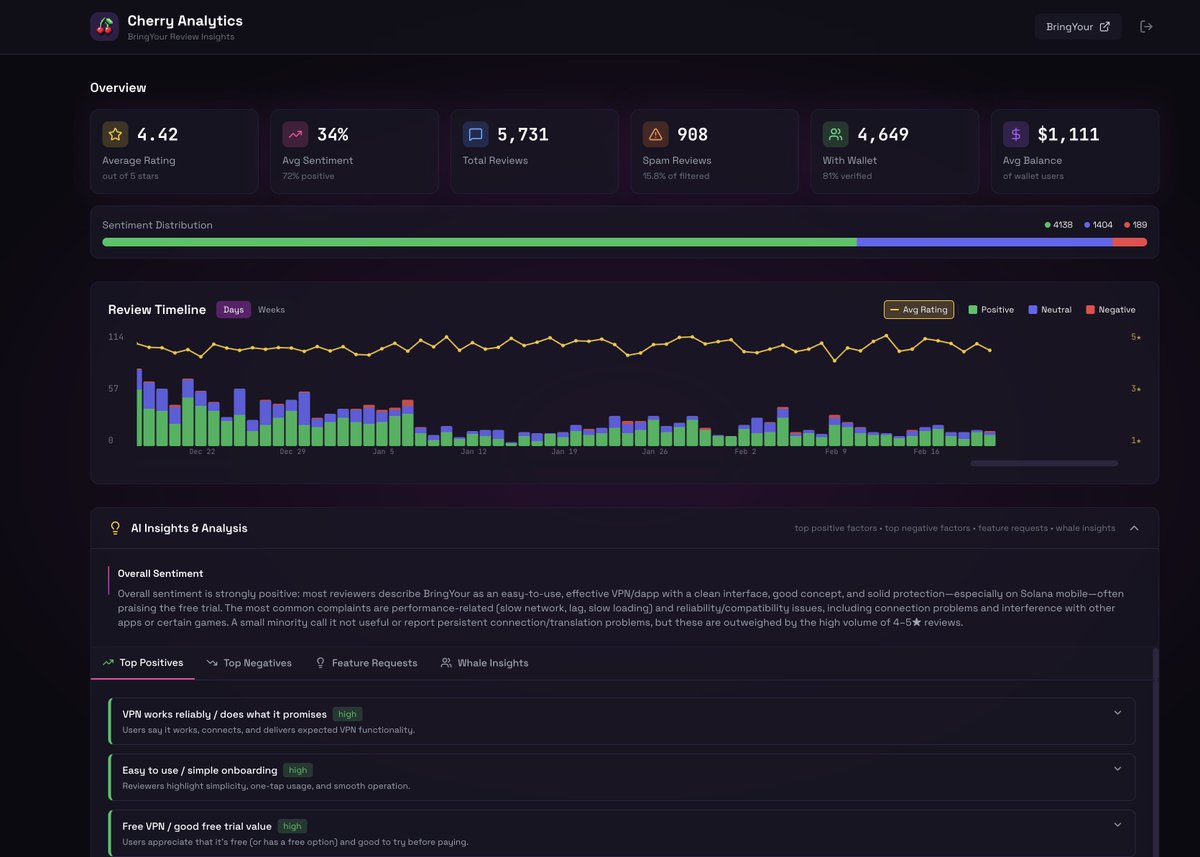
Using @cherrydotfun as a way to read our reviews and feedback from Seeker users has been incredibly helpful.
Huge thank you to the Cherry Dot Fun Team!
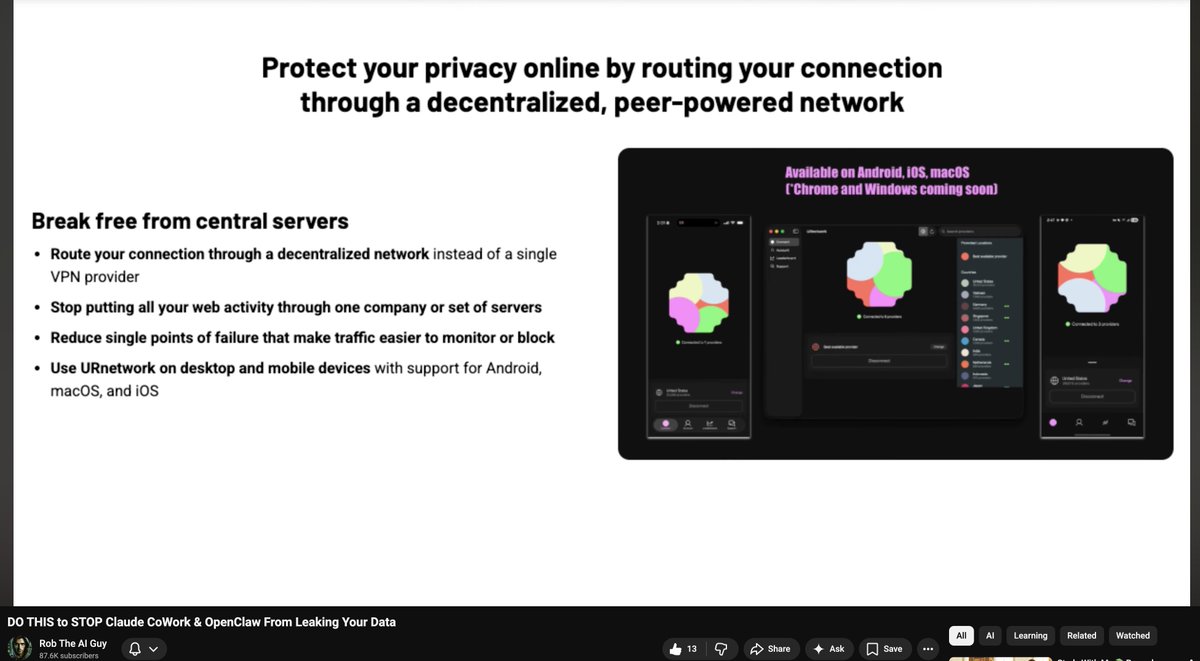
Shout out to @RobTheAIguy for shouting out @urnetwork in his latest video.
Go check out "Do THIS to STOP Claude CoWork & OpenClaw from Leaking your Data" on his YT channel today!
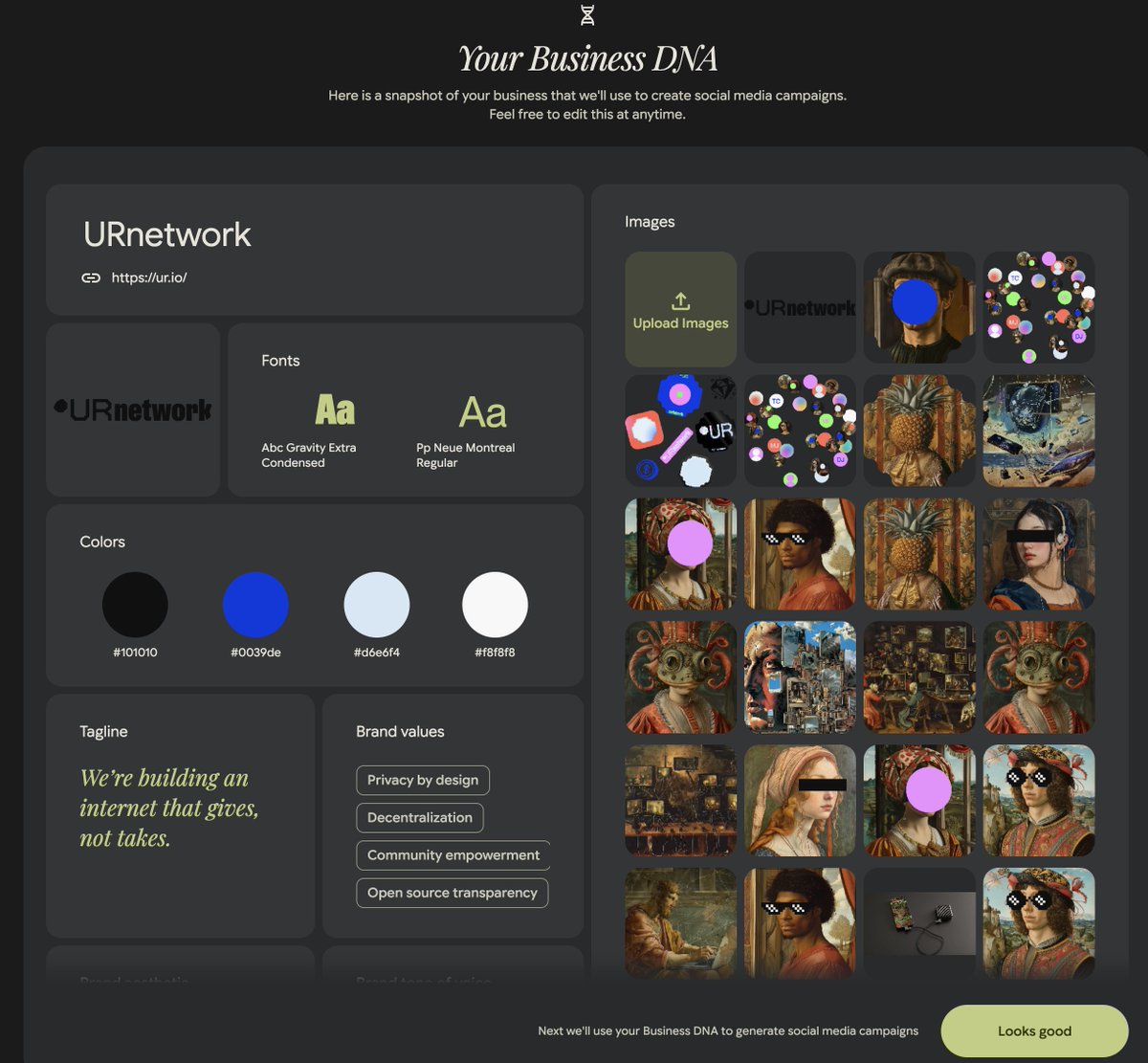
Today, we’re introducing Pomelli’s latest feature update, ‘Photoshoot’
With Photoshoot, you can start from a single image of your product and easily create high quality, customized product shots to elevate your marketing.
Available free of charge in the US, Canada, Australia & New Zealand! Get started with Pomelli today at https://t.co/SbeT00ToNx
This is a good post on the impact of surveillance in Iran:
https://t.co/1kT3SrsCyO
It's worth reading.
IMO one mistake that freedom advocates often make is that we talk about privacy violation and surveillance as "dystopian", using the word as a semantic stop sign: we know it means "bad", we nod along, and don't really go further to clarify why it's bad. I worry that this approach is long-run unhealthy: when we criticize various companies and countries for being "dystopian" and stop there, then to someone who's not already in the same memeplex, it sounds like we're basically criticizing companies and countries for not complying with our culture's aesthetic preferences. Which is ... duh, companies and countries are *supposed* to not comply with each other's aesthetic preferences, that's the whole point of the "pluralism" thing.
What the above article makes clear so well is that "dystopian" surveillance is not bad because it's "dystopian", it's bad because it makes a concrete property of the world worse: the power balance between individual and state. Surveillance enables an outcome where basically everyone other than police and security forces has no opportunity whatsoever to challenge the political status quo without being punished. This means an outcome where a political regime can remain in power forever, without satisfying more than a very small coalition of people who have the eyes and the guns (now drones).
The Dictator's Handbook talks about "large coalition" and "small coalition" governments; large coalition governments are the ones that are more pro-human, because they, well, have to keep a large coalition happy. Small coalition ones are the really nasty ones. Here is the near-term dark outcome of dictatorship + automated warfare + surveillance: a regime can literally survive with a coalition of size 1, because an army of all-seeing eyes and robots can defeat the entire populace in battle if needed. In Iran, we see what *just* dictatorship with surveillance can do, once you add automated police, you get to the unholy trifecta.
I don't know of a good solution to this. Privacy technology, as well as more work on censorship-resistant internet (I think we should strive for at least basic-quality internet, eg. 1 Mbps, being a global human right outside the domain of nation-state sovereignty), can help somewhat to reduce the possibility of total government control. But what else?
---
BTW one implicit frame in the article I take some issue with is framing Iran + Russia + China as the unique antagonists (both in surveillance they do internally, and in the technology they export to other countries). They do a lot of dystopian shit of both types. However, Israeli and US tech companies, and undoubtedly tech companies from other Western nations, also do a lot of dystopian shit.
Perhaps one key difference between the surveillance described above, and the Western type, is:
* The surveillance in the above article is about exercising *great control over a medium area*: you can see everything, but it requires active participation of the government of the territory being surveilled.
* The Israeli / US / Western flavor is about exercising *medium control over a great area*: there are more limits to how much they can do, but their surveillance is global: they know what people are doing even in countries and territories they have no presence in.
The distinction is not absolute: Israeli surveillance backstops a lot of its human rights abuse in Palestine, US surveillance reinforces ICE abuses (see the recent article about Homeland Security demanding social media firms reveal names of anti-ICE protesters), etc, and "transnational repression" is done by anti-Western countries. But *on average*, the above seems to be the pattern.
The two are differently scary. The former for the reasons I described above. The latter because it allows global projection of power: a politician or civil servant in one country now has to worry about being blackmailed, droned or otherwise attacked from other countries. The USA has shown willingness to go after individual EU officials, ICC officials (see recent articles on both), and others. Ultimately, I suspect that even democratic governments will want more privacy to protect themselves, and we will have to have deep conversations about what "democratic accountability" means: how can a civil servant be accountable to the people, but not accountable to foreign spooks?
My high-level frame is: privacy generally helps whoever is weaker. "Weaker" does not mean "moral": sometimes the weaker side is criminal. But in the 21st century, we are at serious risk of stronger factions using modern technologies to establish unbreakable lock-in to power. And so on average, reducing the gradient of power, giving the weak a fighting chance, is something that the world desperately needs.
Privacy season is here. @yrschrade kicked the door open.
We've been on the other side building. Your VPN should protect everyone on the network — not just you.
That's @URnetwork.
We need more alternative mobile hardware manufacturers if we want to reclaim personal privacy.
@solanamobile is doing amazing efforts on this front.
Phones should be open source.