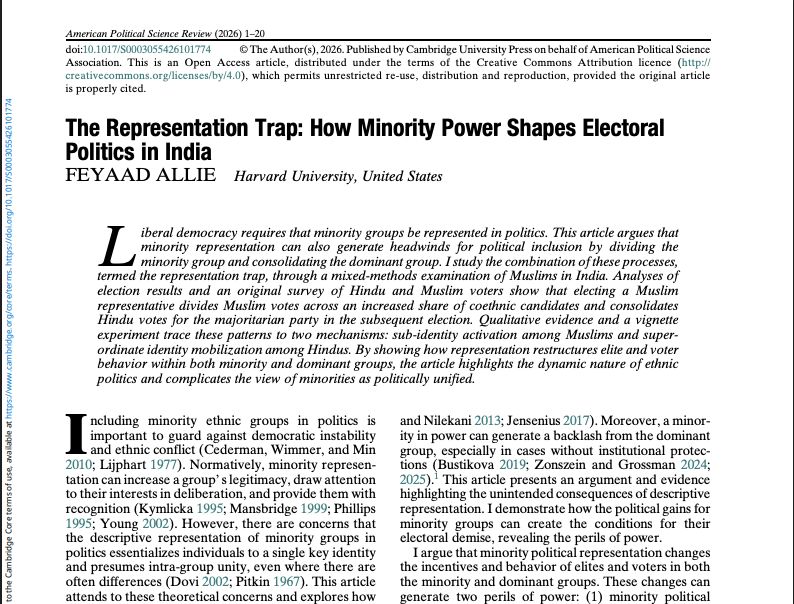
Congratulations to @adam_m_auerbach, Shikhar Singh, and @tariqthachil, winners of the Heinz I. Eulau Award for "Who Knows How to Govern? Procedural Knowledge in India's Small-Town Councils," published in the APSR. https://t.co/Yvrc070V1s
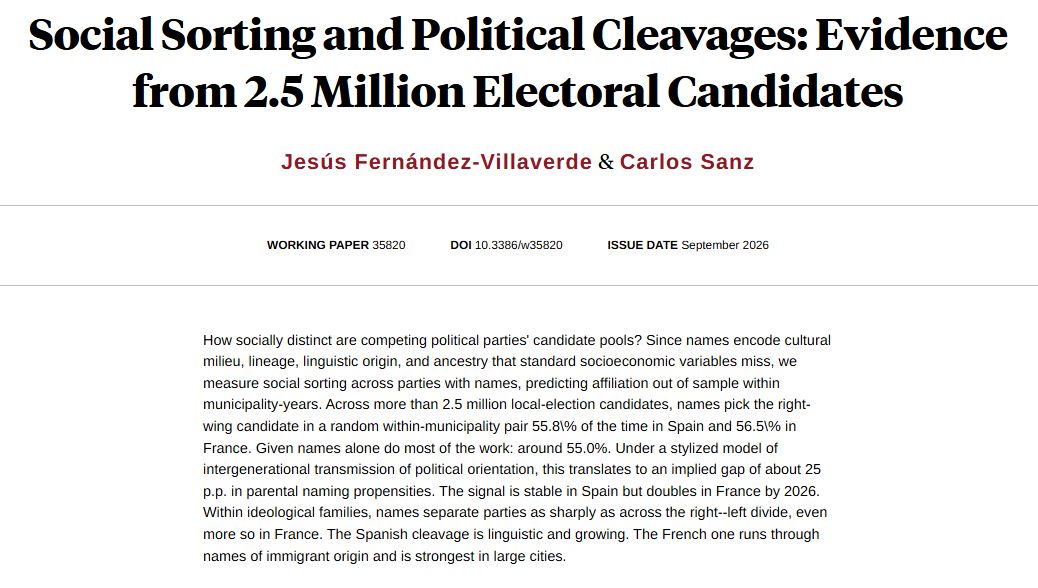
Across 2.5 million candidates in Spain and France, names influence sorting into parties, from Jesús Fernández-Villaverde and Carlos Sanz https://t.co/vG1wAiM22c
Happy to share our new publication, `Does Financial Inclusion Mitigate Social Exclusion?', in the Oxford Bulletin of Economics and Statistics.
https://t.co/plpnyeQSKA
@AhdUniv@AMSOM_Ahmedabad
A non-exhaustive 🧵 of my (many) favorite Michael Kremer papers:
1. Quirks in market incentives can lead to an undersupply of preventive drugs, relative to cures
An elegant case for why pharmaceutical companies might underinvest in some vaccines
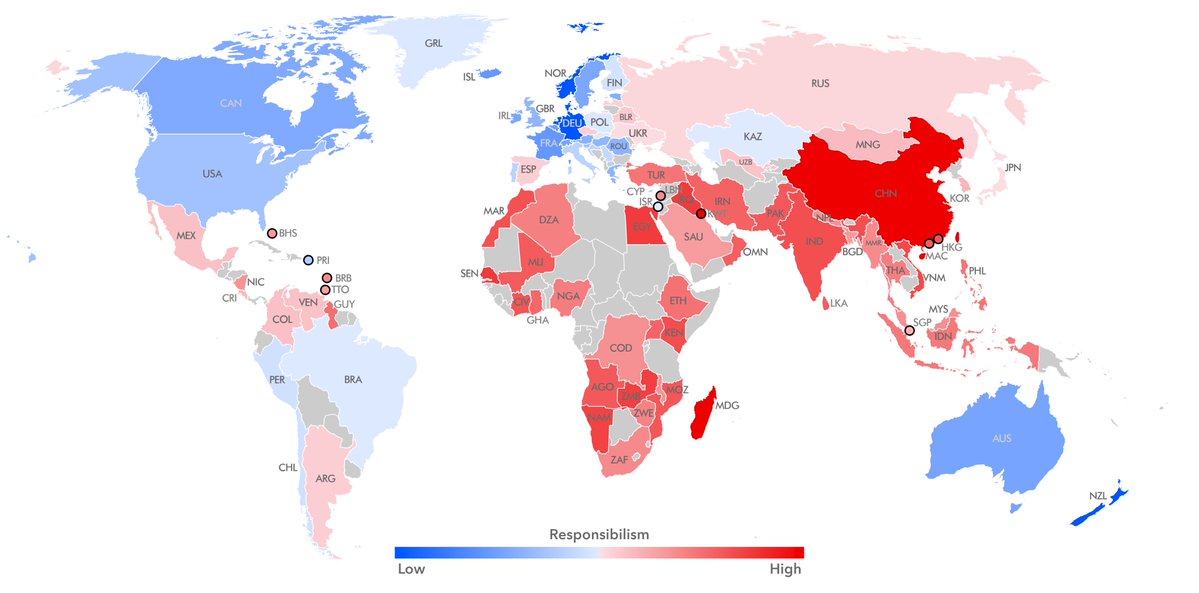
🚨 It's finally out! 🚨 This is the big one. 100 cultures, 12,000 people, 108 researchers. Why people (and our most-used surveys) get collectivism wrong and how to fix it. Join me for a fun thread! 🧵 @NatureHumBehav https://t.co/4JZhjbuwcV
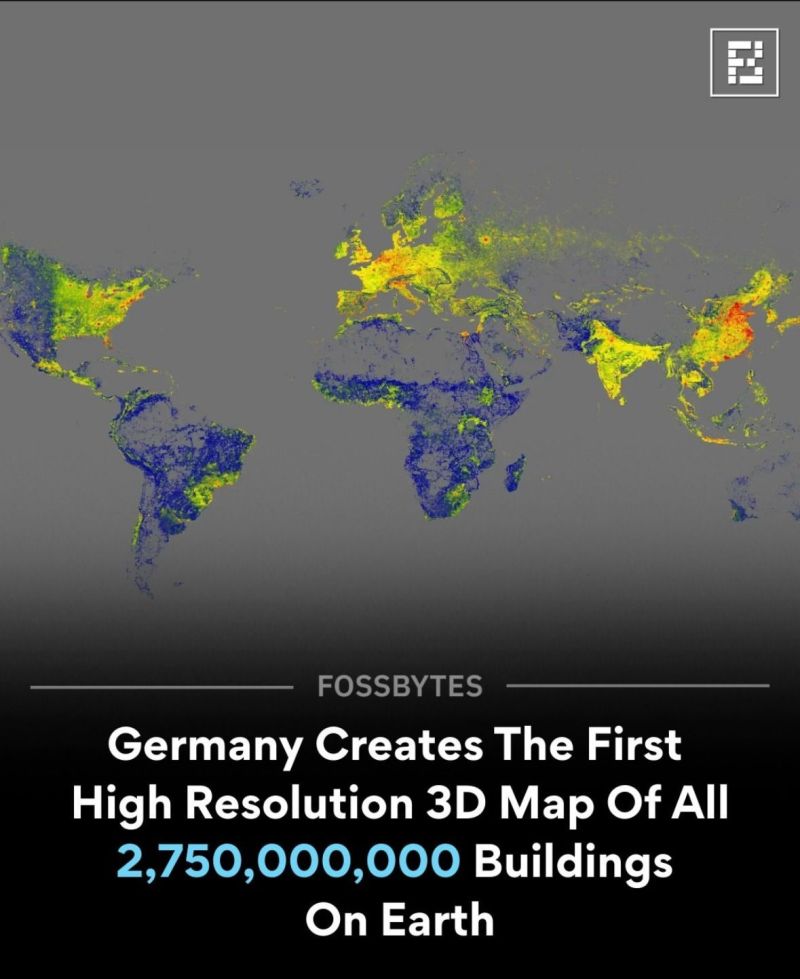
𝐎𝐩𝐞𝐧𝐒𝐭𝐫𝐞𝐞𝐭𝐌𝐚𝐩 𝐯𝐬 𝐆𝐥𝐨𝐛𝐚𝐥 𝐁𝐮𝐢𝐥𝐝𝐢𝐧𝐠 𝐀𝐭𝐥𝐚𝐬 𝐄𝐱𝐩𝐥𝐚𝐢𝐧𝐞𝐝
A regular reminder to keep your building data in check - from OSM maps to the GBA
Tutorial: https://t.co/1Kpe76fVeE
Paper: https://t.co/JR8GWKLs1y
𝐌𝐨𝐫𝐞: https://t.co/7oLqY4KQpA
🆕 Can digitising courts speed up justice without cutting corners?
Today on VoxDev, Sultan Mehmood (@NES_Moscow), @resuf_ahmed (@StanfordKingCtr) & Aleksandra Filimonova (@Unibocconi) discuss research on Indonesia: https://t.co/HZeEwTr7LE
🧵New on @dataforin: we use data to derive insights about India, but we're also big on researching and writing about these datasets for the benefit of other researchers who may want to use them. The latest in this series is our research on e-courts data https://t.co/gBdA2GjtJ9
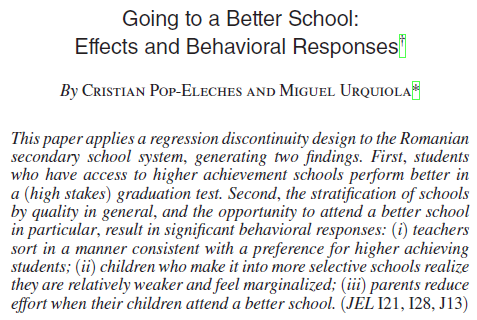
@cremieuxrecueil My coauthors find something very different in their paper (published in the AER). This result has been replicated many times. This possibly has something to do with the gap in the quality of the school vs the fallback (among other things); it might be relatively small in Bos/NY.
Suryanarayan (2024) casts state capacity as an endogenous political outcome. Reviewing global historical political economy research, she shows how elite conflict, bureaucracy, information, and identity can selectively build or hollow out state capacities.
https://t.co/UwUBRamGvk
Under Pressure: High-Stakes Exams and Media-Reported Student Suicides ... https://t.co/xCtc0Mq7WJ
Increasing students' stress during high-stakes exams is a major concern in education, here is our most recent work with @SubarnaBee published in Journal of Development Economics.
In June 2022, the Dobbs v. Jackson Supreme Court decision overturned Roe v. Wade, sending abortion regulation back to states. Within months, bans were enforced in some states while others expanded protections. I study how these bans affected the practice locations of OBGYNs. 🧵
I learnt so much at the Pendency Lab Research Symposium today, organised by @CSEP_Org and @TrustBridgeRule. Such enlightening discussions! Thank you for organizing this.
This week we published an article critically assessing the work of @DAcemogluMIT. In response, the Nobel prize-winning economist has robustly defended his research and core ideas. Read his letter in full: https://t.co/9LXCR6T1L3