JUST IN TIME FOR #EHA25 POSTER SESSION! COME AND STOP AT OUR POSTERS PS1981 and PS1987 for the LASTEST INSIGHTS IN ALCL. @AIRC_it and Laboratory of Translational Research
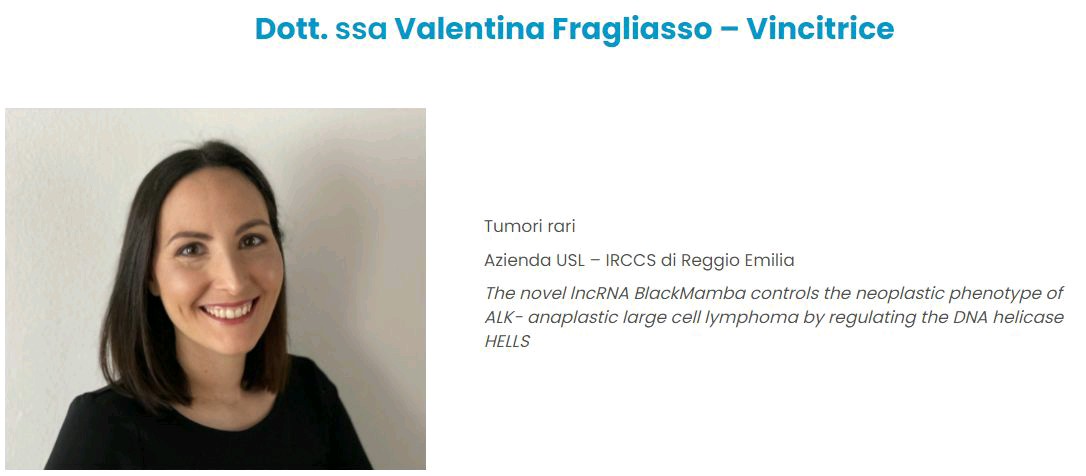
Don’t miss Valentina Fragliasso’s @valyvf poster #2778 dissecting the role of HELLS in the transcriptional regulation of T-cell Lymphomas at ASH in San Diego! Her work received the ASH Achievement Award!
#ASH23#tRes_Lab@Ausl_RE
Domani mattina, 11 Novembre, potrete trovare anche a Reggio Emilia i cioccolatini di @AIRC_it in Piazza del Monte, di fronte all'Arcispedale Santa Maria Nuova!Un dolce contributo per continuare a sostenere la ricerca contro il cancro. Vi attendiamo numerosi!
Nature rejected her paper for not being original,
University of Pennsylvania (her employer) demoted her,
and yesterday Katalin Karikó won the Noble Prize in physiology.
In mid-2000s, Karikó and her Drew Weismann submitted their paper on mRNA (messenger Ribonucleic Acid) to Nature.
Nature desk rejected their paper for being "an incremental contribution" only. The paper was later published in another journal, Immunity.
Earlier in her career at the University of Pennsylvania, Karikó was demoted because her applications for grants kept getting rejected.
But Karikó persevered and kept on going.
In 2013, she joined BioNTech, a German company founded by two scientists, Uğur Şahin and Özlem Türeci. In 2018, BioNTech partnered with Pfizer to develop mRNA vaccines against the influenza virus.
When the COVID-19 hit the world, Karikó's research helped Pfizer to produce the first vaccine against the disease.
I don't know how the Nature editors who desk rejected Karikó's paper and the Penn administration who demoted her feel about Karikó Nobel Prize.
Takeaway: Many academics and scientists worry about getting published in "prestigious" journals. Instead of worrying about prestige, we should try to put our work out as quickly as possible like Karikó did.
Once you put your work out without caring about prestige, two good things happen:
1. Your work will lead to newer opportunities.
2. You will start getting feedback from the scholarly community, which you can use to iterate and improve.
Here's another interesting Nobel Prize story.
Peter Higgs, a British physicist, joined the University of Edinburgh in 1956. By 1964, Higgs has published his groundbreaking work about subatomic particles.
After 1964, Higgs published less than 10 papers.
When his department would ask him how many papers, he published in a given year, he would reply "None."
It happened so often that he stared feeling like an "embarrassment to the department."
The University of Edinburgh, however, never fired Higgs because in 1980 he had been nominated for the Nobel Prize.
Higgs retired in 1996 and stayed on as an emeritus professor at Edinburg.
In 2012, experiments conducted at the CERN laboratory confirmed Higgs work and the existence of Higgs Particle.
And in 2013, Higgs was awarded the Noble Prize in physics and the University of Edinburgh got rewarded for being patient.
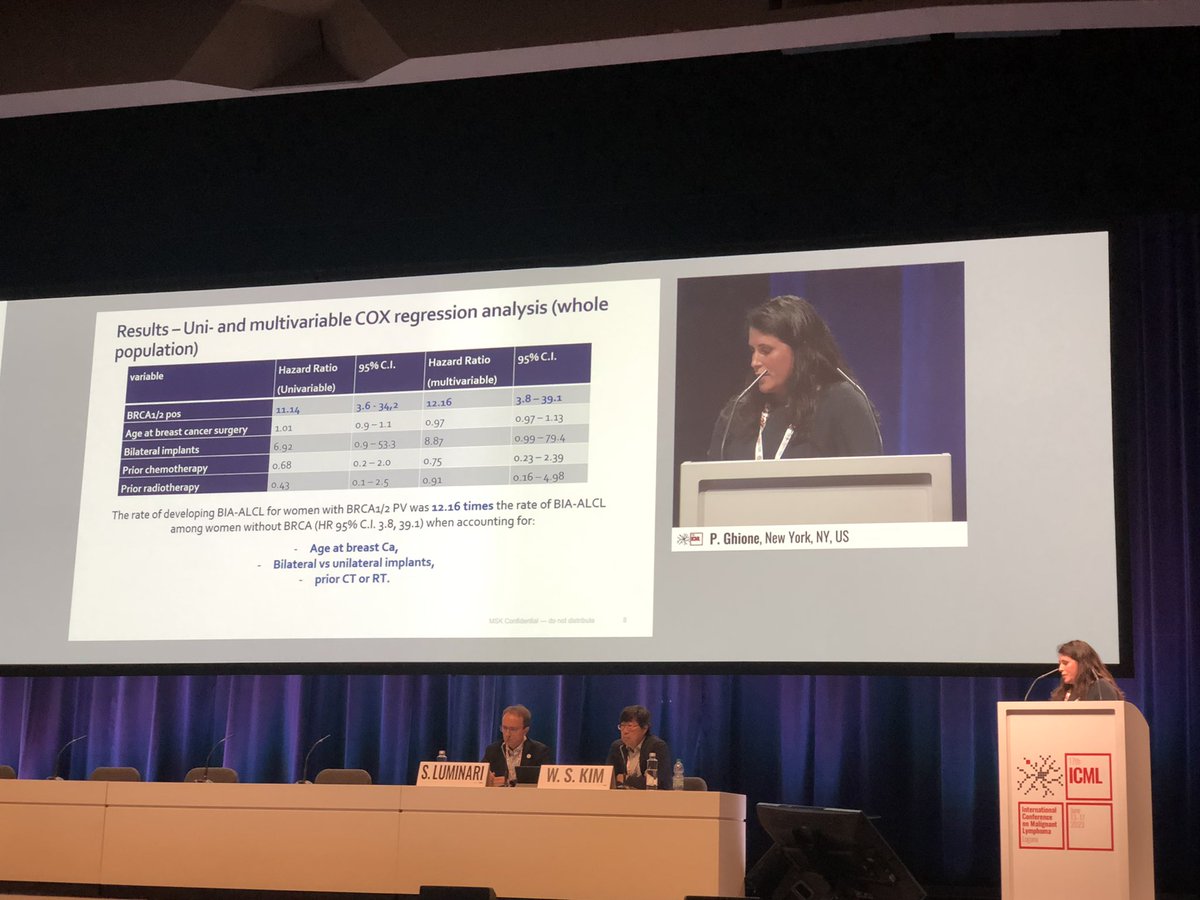
#17ICML P Ghione: Career women of BRCA1/2 mutations are at 12-times higher of developing a breast-implanted associated anaplastic large cell lymphoma #lymsm
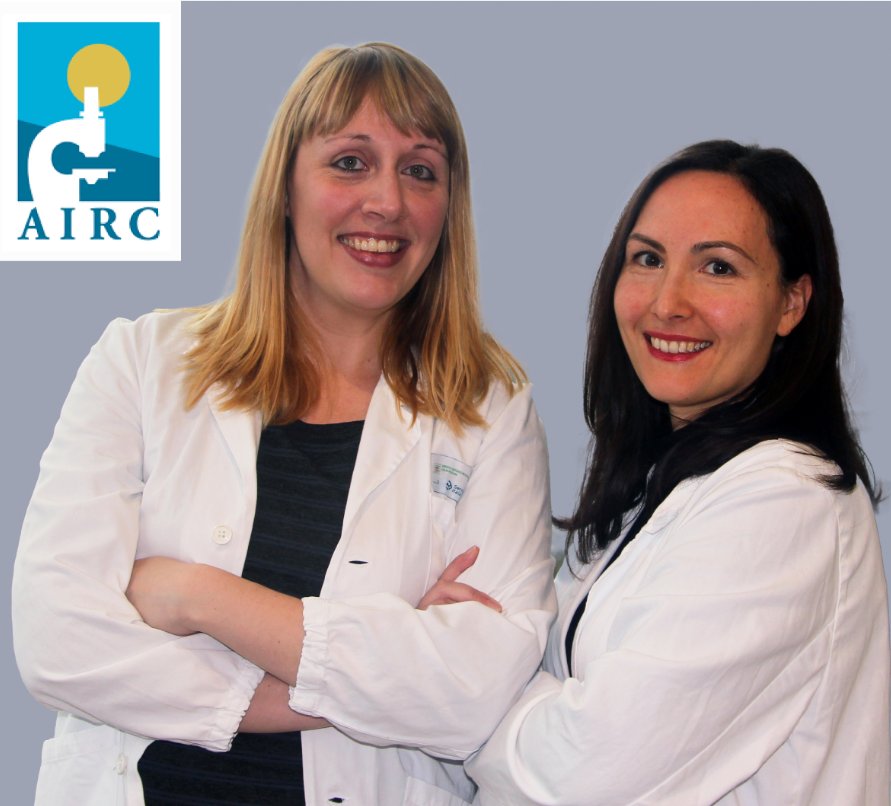
Grazie allo Zonta Club Reggio Emilia per averci come esempio di ricerca al femminile. Bravissime @DonatiBenedetta, @valyvf, Francesca Reggiani e tutto il nostro staff. Domani a Palazzo Rocca Saporiti avverrà la premiazione e un' interessante discussione sul tema.@Ausl_RE
Tomorrow 8:30-10 am our PhD student Annalisa Tameni will give a talk at #SIES2022 in Rome (C32 session) on her work on the lncRNA MAAT! Also, step by @valyvf poster on HELLS helicase role in lymphoma progression!
#tRes_Lab#hematology#canceresearch@Ausl_RE
Tomorrow 8:30-10 am our PhD student Annalisa Tameni will give a talk at #SIES2022 in Rome (C32 session) on her work on the lncRNA MAAT! Also, step by @valyvf poster on HELLS helicase role in lymphoma progression!
#tRes_Lab#hematology#canceresearch@Ausl_RE