Own the ultimate Avatar 3-movie collection as a limited-edition 9-disc set in a collectible book with a special letter from Director James Cameron June 16. Pre-order now.
Make new friends, but keep the old.
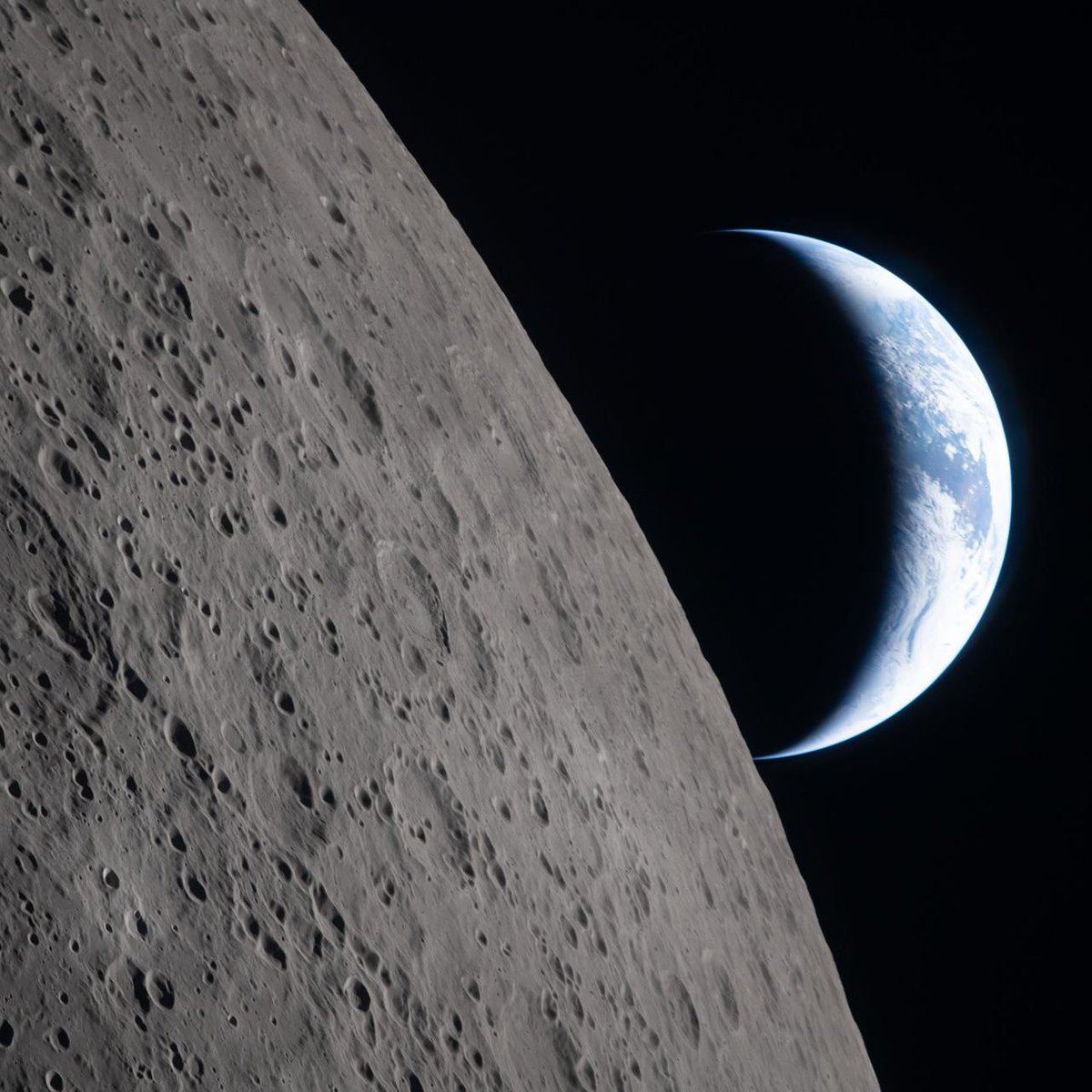
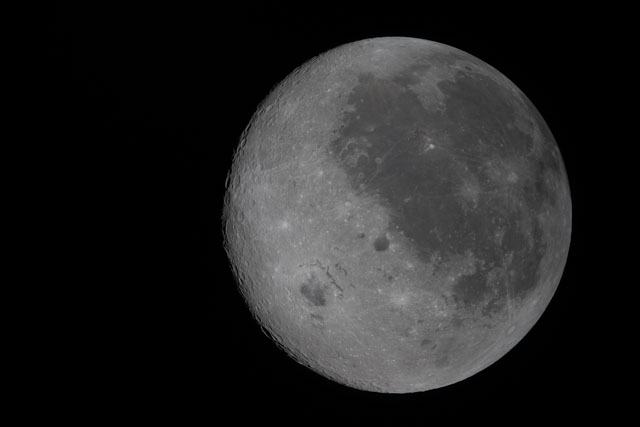
A new photo captures the Moon's near side on the right (the side we see from Earth, identifiable by its dark splotches) and its far side on the left. The Artemis II crew are the first to see the far side with human eyes.
We see our home planet as a whole, lit up in spectacular blues and browns. A green aurora even lights up the atmosphere. That's us, together, watching as our astronauts make their journey to the Moon.
This is the first spotless day on the Sun since 2022, when we were rapidly climbing out of solar minimum (2019) towards solar maximum (2024). Does the spotless day signify the solar minimum is coming? Yes and no. A single spotless day can occur even during relatively high activity - we had one in 2014, during the peak of Solar Cycle 24. But that was a weak cycle. Spotless days usually begin during the declining phase of a solar cycle, some 4-5 years before solar minimum. On the other hand, the first spotless days of SC23, a much stronger cycle than SC24, began when the cycle had declined more than SC25 has so far - 2004 had smoothed sunspot number values between about 55 and 80, while we are likely still >100 right now (unless the cycle really crashes in the next 6 months). Certainly an interesting situation.
Is it a fluke and we will not see more spotless days in 2026, or is it a sign of the trend? We will likely see in a month when the low-activity solar longitude interval that has been present for about 6 months now again rotates into view. And it's still a long way to the solar minimum, but it may already be visible far, far in the distance.