@jtsaxon@kashishgoelmd Large Cross overs should dilute the treatment effect size in ITT analysis. ( unlike in non-inferiority trials) but it is interesting perspective that cross over occurred at first HFH in 58% that was counted as the occurrence of primary end point in control group.
@DrDamluji@AndrewJSauer@NEJM Numerically and statistically bleeding is higher with DAPT but more ischemic events when Clopidogrel mono therapy with non-inferior primary end point. I think in clinical practice mono therapy is the answer beyond 12 months- Should that be aspirin or plavix.
@AnasNomanMD Great case. Our go to is Command 018 for peripheral cases and works great. I think CART is good for peripherals as we can easily go with retrograde balloons. Was your retro balloon in true lumen.?
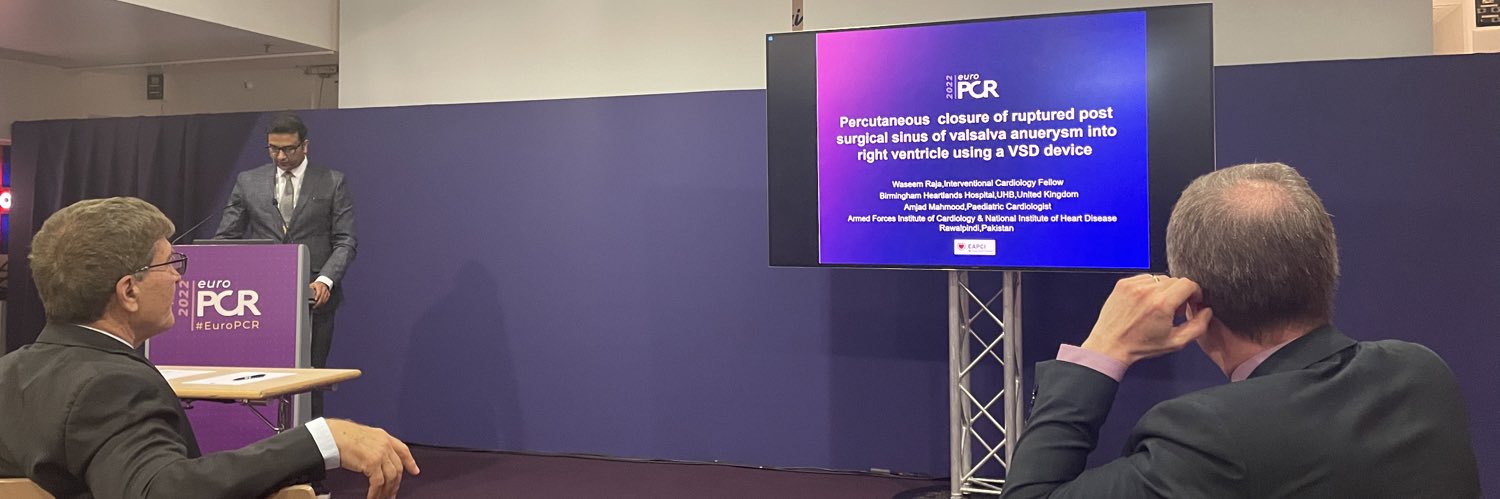
Mitral PVL .Serpiginous tract. Initial CT under estimated the size.6x6 mm ADO II embolized and snared. Multiple VSD devices attempted (6,8,10 and 12 mm). 6 mm popped out to LA before release and others impinged on the posterior mitral leaflet.
VSD devices are bulkier and 6,8,10 and 12 have respective disc sizes of 14,16,18 and 20 mm. Any thoughts on this case or other devices we could try. @PedroMDMSc
CART for the CTO common iliac artery. Attempted reverse CART initially. We, at one point, used antegrade and retrograde balloons simultaneously. but finished with conventional CART with antegrade crossing.
@realarainmd@AnasNomanMD@LAzzaliniMD
@AnasNomanMD We used a 26F Dryseal for a different reason, but it worked like a charm. L femoral vein always has a worst angle- we always use long TVP sheaths for TAVRs for left side.
From study design to funding to career pathways, Clinical Trials Research: Upping Your Game brought together future clinical trial leaders.
Two days of insights, mentorship, & momentum for the future of CV research at Heart House. https://t.co/uqCTbKkxRr
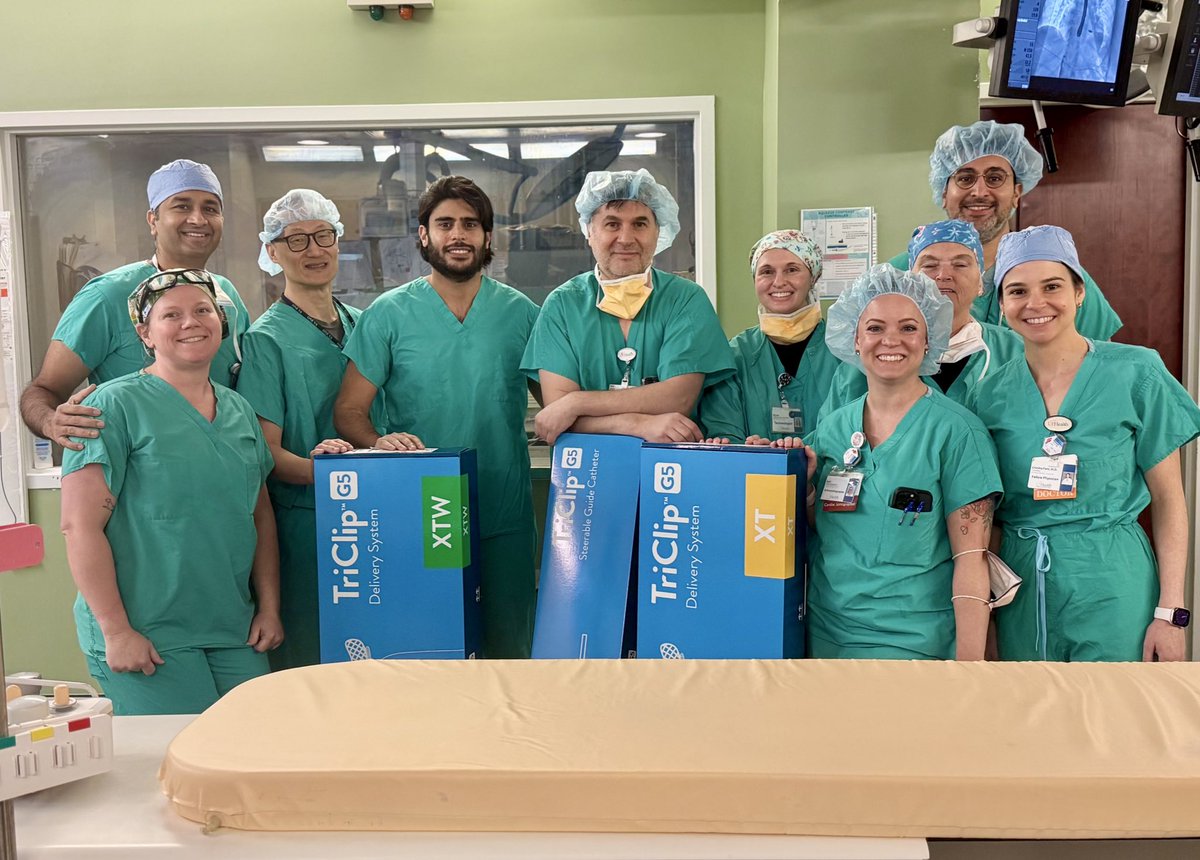
#TheFaceOfCardiology
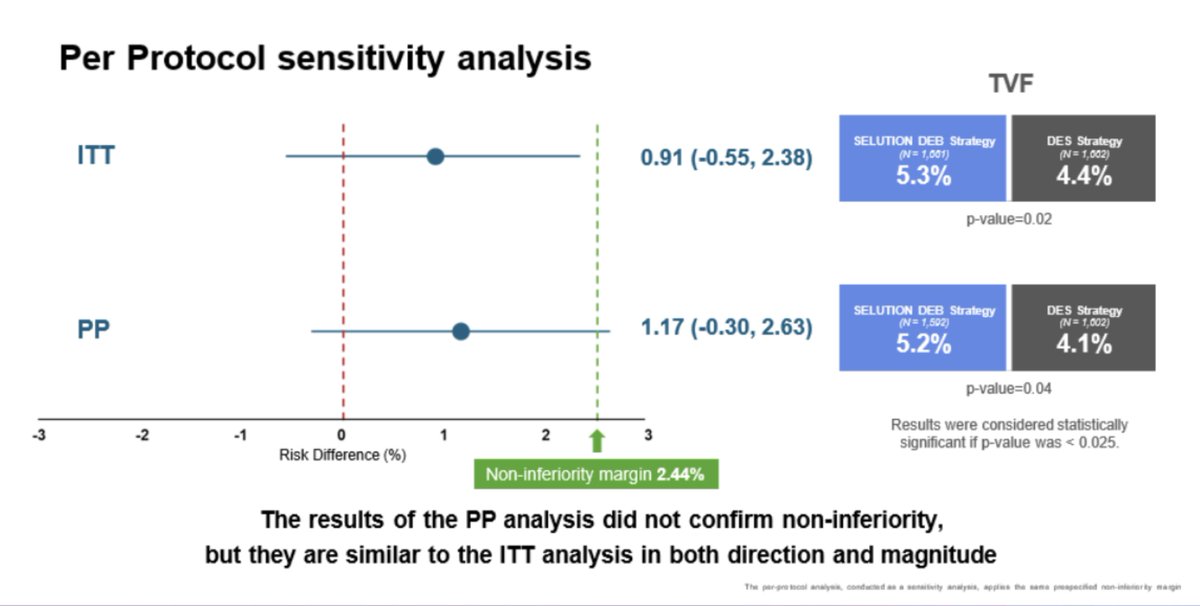
I am not particularly surprised that the SELUTION DeNovo paper has not yet been published if this is the interpretation being promoted by the authors.
The noninferiority margin was 2.44%. In the intention-to-treat analysis, the upper bound of the risk difference for TLF was 2.38%, therefore technically meeting the criterion for noninferiority. However, in a noninferiority trial the per-protocol analysis carries greater weight, and in that analysis the upper bound of the risk difference is 2.63%, meaning that noninferiority is not achieved. To be precise, in noninferiority trials both intention-to-treat and per-protocol analyses are required, and concordant results are generally expected; when they diverge, the evidence for noninferiority is considered weak.
The authors now state that “the results of the per-protocol analysis did not confirm noninferiority, but they are similar to the intention-to-treat analysis in both direction and magnitude.” Well, where I come from we would say: “If my grandfather had wheels, he would have been a cart.”
#CVRjax Thanks to Prof. @CMichaelGibson for discussing the findings of this interesting study assessing the impact of race on platelet reactivity and clinical outcomes after PCI.