We are the Vector Biology & Disease Group @UofGlasgow studying vectors & their pathogens.
@UofG_SBOHVM @CVRinfo @UofGSii @UofGChem @GlasgowCS @UofGSciEng
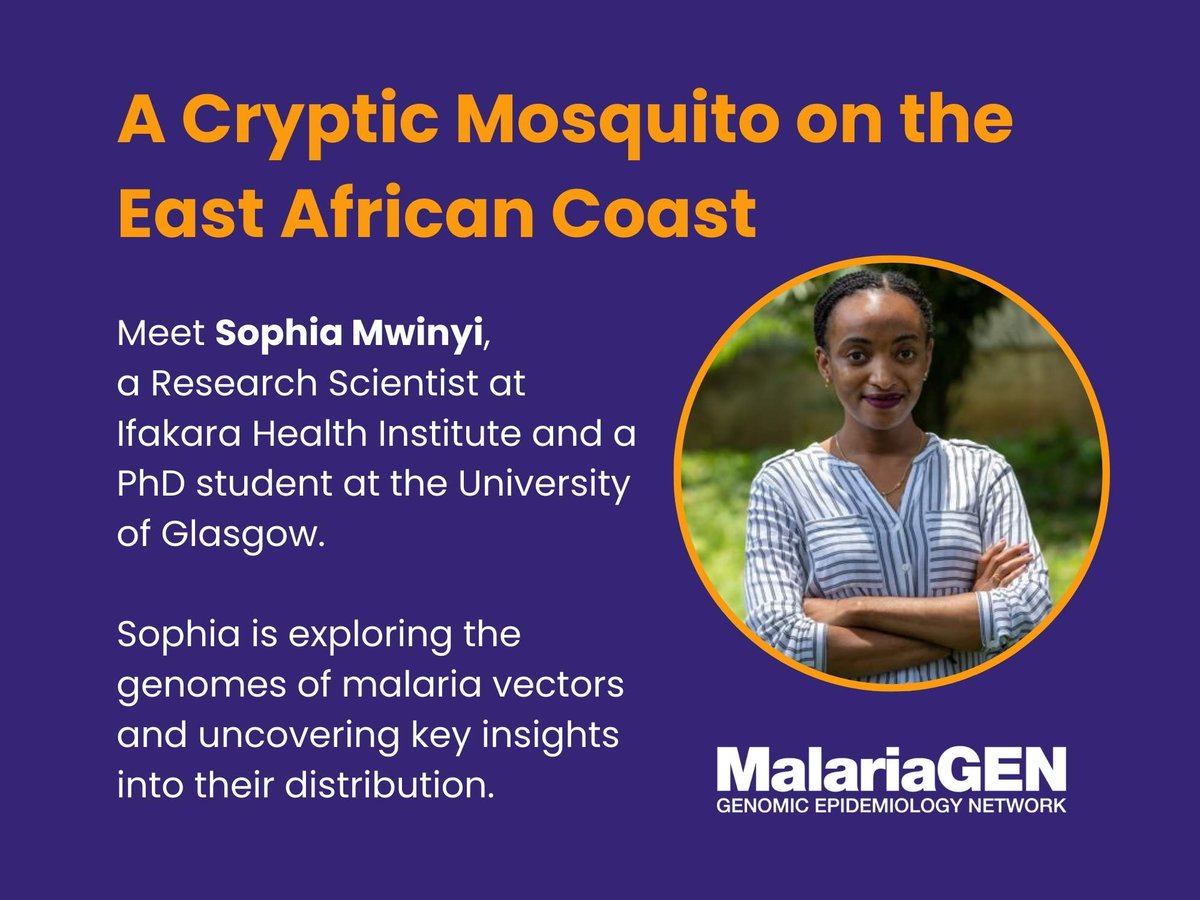
Meet @SophiaMwinyi, a Research Scientist at @ifakarahealth and a PhD student at the @UofGlasgow
Read about her journey in malaria genomics and her recent work contributing to the identification of a cryptic mosquito taxon on the coast of East Africa 🦟
https://t.co/UDezYBknlu
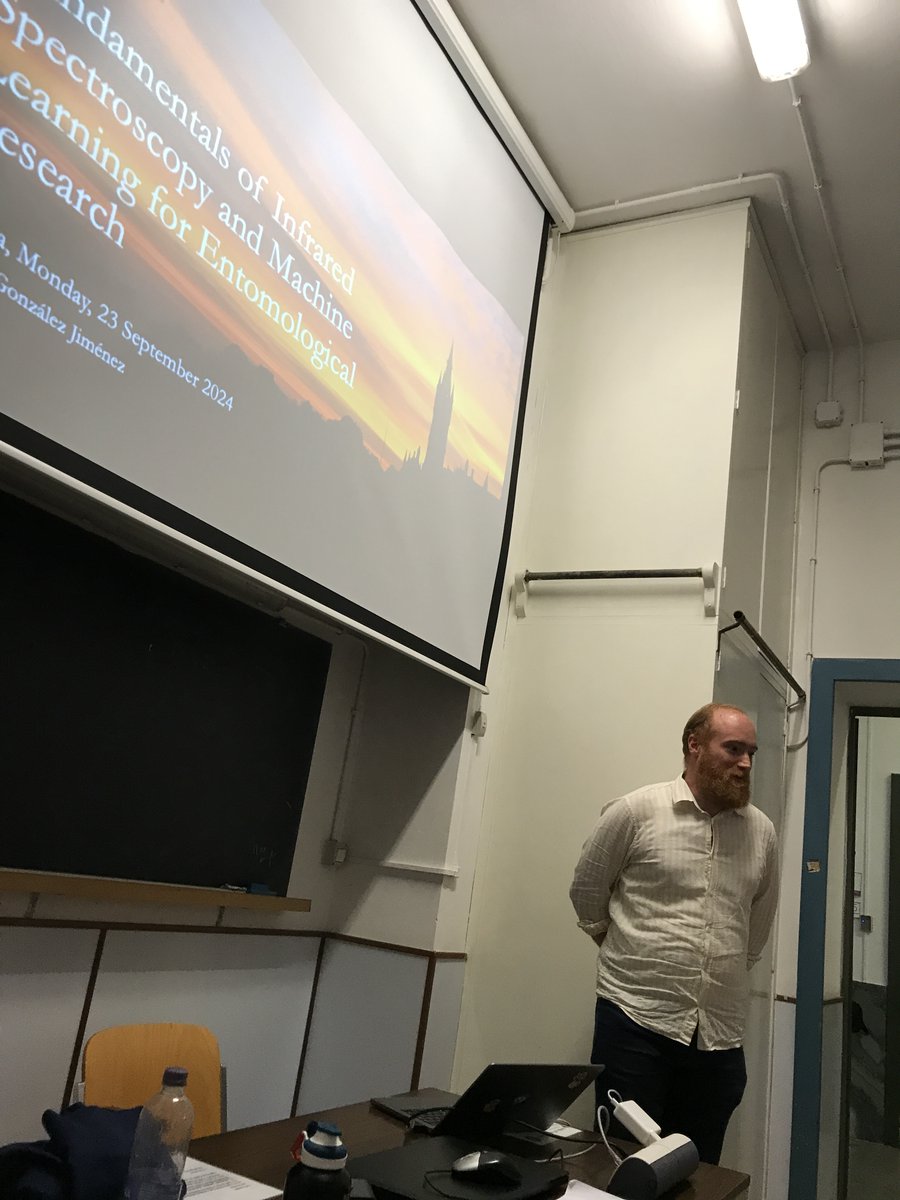
Fantastic pre-viva talk by @IssaMshani1 today on his PhD work "Screening of Malaria Infections Using AI-Powered Infrared Spectroscopy"
An impressive breadth and depth, spanning epidemiology to parasitology, physical chemistry to computing science.
@ifakarahealth@UofGSBOHVM
New research shows that mosquito breeding sites in rural Africa are also key water sources for local households. Mosquito control must therefore balance public health goals with community water needs.
~
One way to improve malaria control efforts in Africa is to target the mosquitoes directly at their breeding sites for more effective control. This method, called larval source management (LSM), may involve treating water bodies with insecticides (larviciding), manipulating the breeding sites to prevent mosquito breeding, or removing the water sources entirely. In this study, led by my colleague, @Najatferouz, we investigated how communities in rural Tanzania rely on water sources that also serve as breeding grounds for the main malaria mosquitoes, Anopheles funestus; and explored how such community practices might impact mosquito control. We surveyed these habitats and conducted focus group discussions with residents to understand how they use the different water sources, and their perceptions of LSM strategies. We found that most of mosquito breeding sites were indeed regularly being used by the communities, as sources of water for domestic chores, for crop-farming, for livestock and for other economic activities like brick-making and fishing. This overlap presents both challenges and opportunities, and highlights the need for mosquito control strategies that respect community water needs. In this study area, communities preferred larviciding or habitat manipulation over complete removal of the water bodies; but also insisted that whatever larvicides are used should be safe for both humans and animals. The study highlights the need to educate communities on the safety and effectiveness of LSM and to adapt LSM strategies to align with local needs and preferences
~
Kahamba et al Societal uses of the main water bodies inhabited by malaria vectors and implications for larval source management. https://t.co/ewdL53G8ME @UofGlasgow@UofGSBOHVM@ifakarahealth@drheatherferg@Baldini_Fra
We are delighted to launch our new tick awareness animation aimed at younger children (aged 5-11)
The animation aims to enable younger children to be their own advocates and stay safe whilst enjoying the outdoors!
https://t.co/BrEY2EmmQk
My youngest is a magnet for ticks so helping him understand what to look for is really important. As for the oldest, never had a tick, but he did lend his beautiful voice to this amazing animation 🥰. Such an amazing example of engagement done right
Exciting new opportunity to join my research group at the University of Glasgow as a Research Technician! If you are interested in working with mosquitoes and investigating virus transmission apply now:
https://t.co/Vv5o4aMHAF
Closing date: 02/12/2024
.@BBCScotland A Scottish-led team of scientists has discovered the first cases of genetic mutation in malaria-spreading mosquitoes that give them resistance to DDT, a banned insecticide which continues to affect the environment
https://t.co/Cq6YkKSAID
@UofGSBOHVM@ifakarahealth
New research, led by @UofGlasgow and @ifakarahealth scientists has found that historical insecticide use may be linked to DDT resistance among some mosquitoes in Eastern and Southern Africa 🦟
@Baldini_Fra@UofGSBOHVM@molecology
Read more➡️ https://t.co/91ngJtInkE
Important new discovery by @odero_joe & team
Found a mutation linked to DDT resistance in #malaria mosquitoes in Tanzania
Why a mutation against a banned insecticide?
Can it spread in Africa?
Can it give resistance to insecticides used for vector control?
Many open questions
Poor @odero_joe - I had temporarily stopped subjecting PhD students to this pre-viva air guitar pep talk - but I couldn't resist today.
Well - he ended up passing with no corrections. Coincidence? I think not...
#FinalCountdown@vectorsglasgow