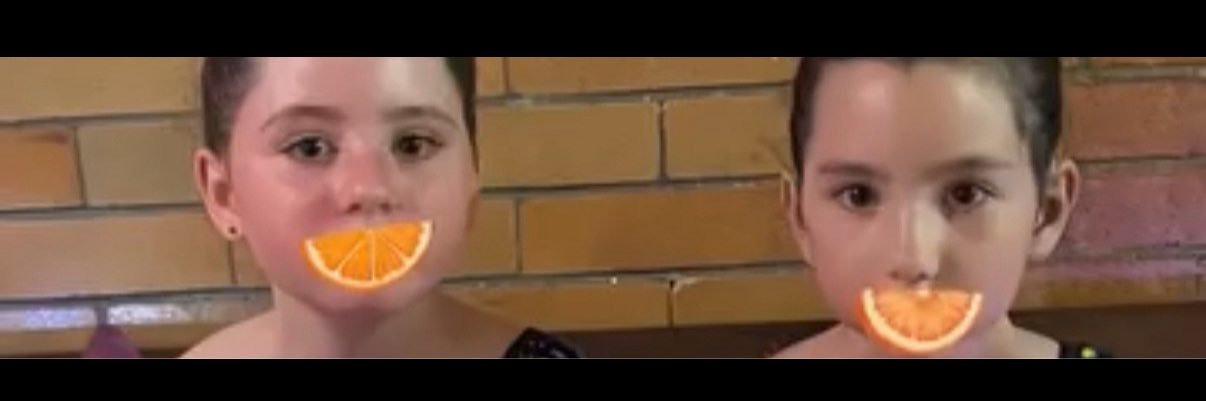
By the age of 8, they were already dependent on wheelchairs because of early-onset FSHD. They wake up every single day knowing they cannot run, jump, climb, or keep up with other children. They didn’t lose their childhood for a season—they are losing it for a lifetime.
Some days I find myself thinking something no parent should ever think: I wish my daughters had cancer instead.
Not because cancer is easier—it isn’t. But because cancer is recognized. There are treatments, urgency, awareness, funding, support, and wishes.
Sometimes I struggle to make sense of what our world considers “worthy.”
I see children who battle an illness, complete treatment, return to sports, go back to school, and thankfully move on to live long, healthy lives. I am genuinely grateful when that happens.
The medical community has cured a mountain of diseases in the past several decades.
Diseases cured thread🧵
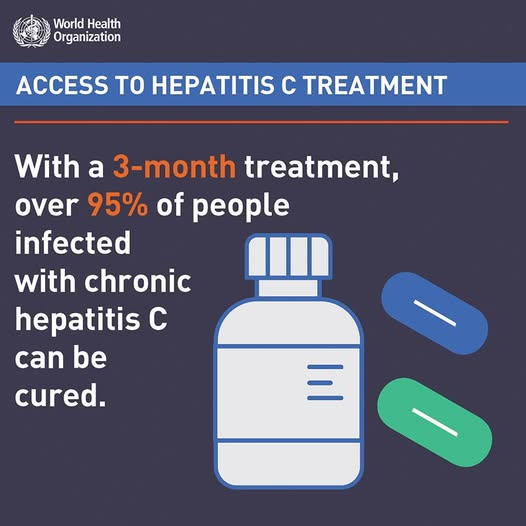
In 2013, hepatitis C was cured by direct-acting antivirals.
Today, @lifebiosciences confirmed the first patient has been dosed with an epigenetic restoration drug candidate. An exciting milestone 🚀
Life Biosciences is the OG cellular rejuvenation using epigenetic restoration to reverse diseases of aging. It was cofounded by @davidasinclair, who serves as Chairman
The company’s proprietary Epigenetic Restoration platform utilizes three transcription factors, OCT4, SOX2, and KLF4 (OSK), to restore older and damaged cells to a younger and healthier state. This innovative approach targets a root cause of aging at the epigenetic level, and has the potential to address a wide range of serious age-related diseases
The Phase 1 trial will evaluate the safety and tolerability of ER-100, with additional endpoints assessing visual function. ER‑100 is the first clinical candidate from Life Bio’s Epigenetic Restoration platform, which uses controlled expression of three transcription factors, OCT4, SOX2 and KLF4 (OSK) to restore cellular function by resetting the epigenetic code to more youthful patterns of gene expression
“This is an important moment for Life Bio and for the field of aging biology,” said David Sinclair, Ph.D., Co‑founder of Life Biosciences and Professor of Genetics at Harvard Medical School. “Our research has suggested that aging is driven in large part by the loss of epigenetic information, not irreversible damage. This clinical study represents the first opportunity to test whether restoring that information can ameliorate human disease.”
Beyond ER-100, the company is strategically broadening its therapeutic pipeline to address additional age-related diseases, underscoring the platform’s versatility and transformative potential.
“This milestone reflects years of rigorous scientific development and translational research,” said Sharon Rosenzweig‑Lipson, Ph.D., Chief Scientific Officer of Life Biosciences. “Our preclinical studies have demonstrated that controlled OSK expression can reset epigenetic patterns associated with healthy cellular function, improve tissue performance, and restore visual function in animal models. Advancing ER‑100 into the clinic is an important step toward translating epigenetic restoration into a new class of medicines for age-related diseases.”
Optic neuropathies represent a large unmet medical need. Current treatments primarily address risk factors, such as intraocular pressure in glaucoma, but do not directly target the damage to retinal ganglion cells. As a consequence, the disease often leads to irreversible vision loss despite treatment
Vision loss not only directly impacts patients’ lives, but also increases the risk of loss of independence, damaging falls, and depression and dementia due to social isolation, underscoring the need for disease-modifying therapies.
Beyond ER‑100, Life Bio is developing applications of its proprietary Epigenetic Restoration platform for multiple indications in a variety of organs, reflecting the broad therapeutic potential of this platform.
About Optic Neuropathies Optic neuropathies are a group of disorders characterized by damage to retinal ganglion cells (RGCs), the primary neurons connecting the eye to the brain. Because RGCs do not naturally regenerate, damage results in permanent vision impairment. One such optic neuropathy, open-angle glaucoma (OAG) is a chronic neurodegenerative disease and a leading cause of blindness in older adults
While often associated with elevated intraocular pressure, disease progression frequently continues despite treatment, and some patients suffer from OAG despite normal intraocular pressure. Non-arteritic anterior ischemic optic neuropathy (NAION) is the most common acute optic neuropathy in adults over fifty. It involves sudden, painless vision loss due to insufficient blood flow, for which there are currently no approved treatments
About ER-100 ER‑100 is an investigational therapy in clinical development for the treatment of optic neuropathies including OAG and NAION. ER‑100 is designed to restore function in retinal ganglion cells using Life Biosciences’ Epigenetic Restoration platform, which utilizes controlled expression of three transcription factors, OCT4, SOX2 and KLF4 (OSK), to reset cellular gene expression patterns and restore cells to a more youthful and functional state. ER‑100 is currently being evaluated in a Phase 1 clinical trial. More information can be found at https://t.co/GDRzIctoot (NCT07290244): https://t.co/Jj9cnu2M6w
For more information, visit https://t.co/msih0JTYfF or follow on social media
https://t.co/pEGPJjFjnQ
I championed Right to Try to give terminal patients the freedom and hope to access promising treatments without years of FDA delays.
Yesterday, I introduced Right to Try 2.0 to expand that freedom for patients needing individualized, one-patient therapies.
This is about medical freedom and putting doctors and patients at the top of the treatment pyramid.
Read more below⬇️
🔥@SenRonJohnson called out the FDA for what it is—an agency that needlessly says "no" while patients and families suffer.
"It enraged me that these families, these patients, are being denied effective treatments because of regulatory roadblocks."
Patients with ultra-rare diseases often face impossible odds.
I applaud today’s framework from @SecKennedy and @DrMakaryFDA to cut unnecessary barriers, speeding the path to new therapies and giving families hope.
@DrMakaryFDA My daughter‘s 8 & 9 have a rare muscular dystrophy FSHD there are treatments out there that could help them, but companies will not give them access! They are losing their abilities every day!