💡 Treating #malnutrition in healthcare, including with #OralNutritionalSupplements, has many benefits, incl. fewer complications, better outcomes and lower costs.
👀 ➡ Read the 'Malnutrition in healthcare: treatment pays off' report: https://t.co/McL5bv5QXB
#MedicalNutrition
💬 We all share the responsibility for maximising the impact of @FAOWHOCodex by increasing the visibility and use of our standards, and I can think of no better example of a Codex observer organisation taking a lead in fulfilling this shared responsibility.
🌍🤝 We're committed to working with all stakeholders to improve the health and wellbeing of people with special dietary needs.
🔬✅ ISDI supports @FAOWHOCodex in establishing science-based food standards that ensure #FoodSafety and quality.
#SafeFood#WorldFoodSafetyDay
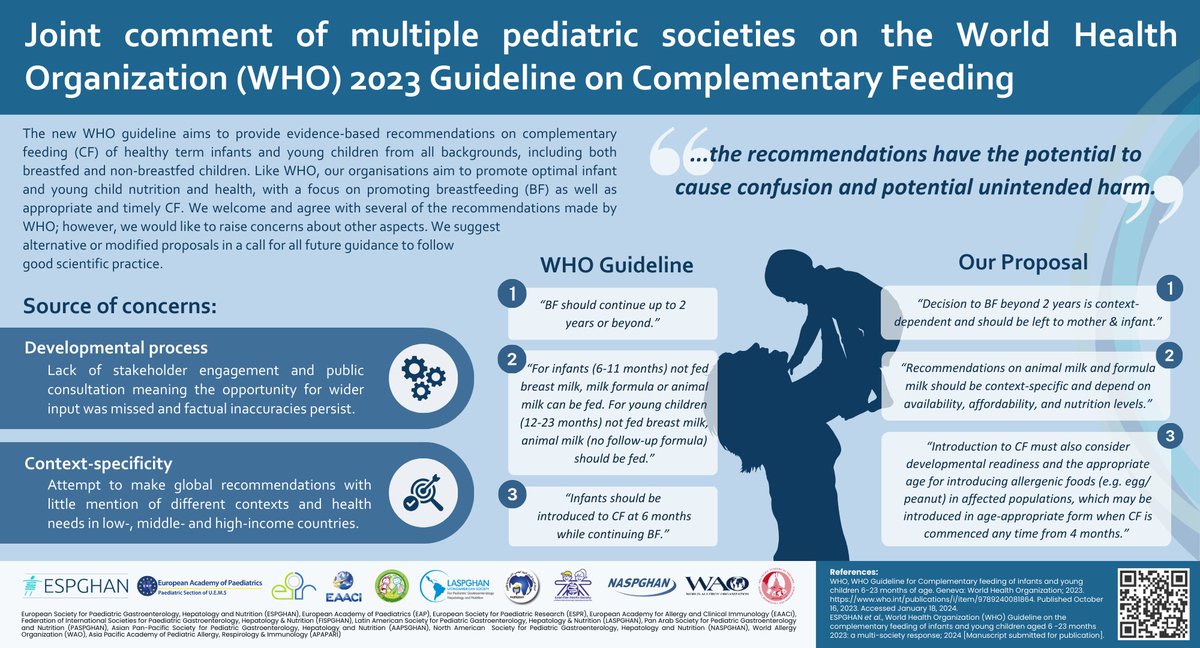
🚨 Eleven leading pediatric societies from around the globe have voiced significant concerns regarding the 2023 WHO guideline on complementary feeding. They caution that it "could potentially cause unintended harm in infants and young children." https://t.co/yOtngMS9Tm
Let's talk about hot topics between #ESPGHAN24 sessions! ☕
Multiple international paediatric societies joined in a commentary on the 2023 WHO Guideline on Complementary Feeding, calling for context-specific guidance.
Get inspired! View the paper 🔽
https://t.co/7qPdfzUfMQ
👩🔬🔬 At APIYCNA, we believe food safety starts with science!
✅ We are committed to supporting @FAOWHOCodex in setting science-based food standards to ensure #FoodSafety for infants and young children.
🗓️🔜 #WorldFoodSafetyDay#Nutrition#APIYCNA
ISDI was pleased to attend #CCFA54. Progress was made to prepare the evaluation of #FoodAdditives for use in infant formula. We're confident that JECFA can now begin the scientific risk assessment.
🙏 Thank you to @FAOWHOCodex and China for organising a successful meeting.
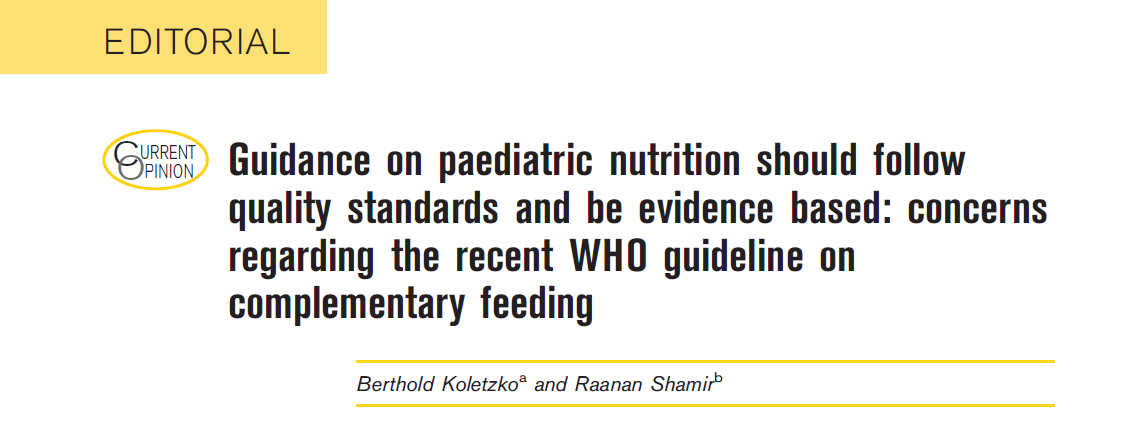
💡Key insights from leading paediatricians on the WHO #ComplementaryFeeding Guideline:
- It does not meet widely agreed standards
- Major stakeholders were not consulted
- Some recommendations are not in line with the evidence
- Need to consider specific needs of an infant
👀⬇️
Leading paediatricians say that the WHO Guideline on #ComplementaryFeeding does not meet widely agreed standards, some recommendations are not in line with the available evidence and major stakeholders were not consulted.
➡️ Access it here: https://t.co/P61cl7u2zZ
Fortified Complementary Foods:
✅ Help increase nutrient intakes
✅ Are scientifically-formulated, safe and manufactured according to strict international product quality standards
✅ Promote increased diet diversity
Read more about #ComplementaryFeeding in our factsheet ⬇️
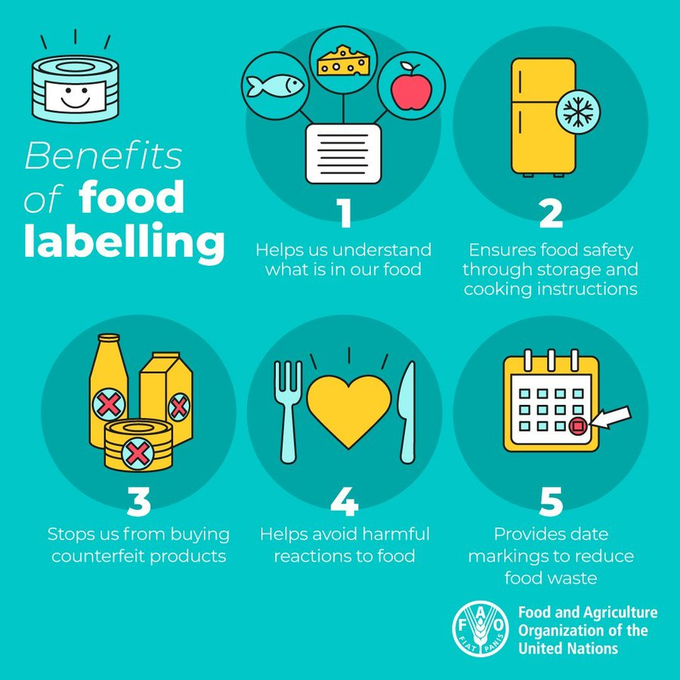
📽️ | With more and more international trade, it is harder and harder for us to know who our food producers are and exactly where the food comes from.
👉 Trustworthy labels help fill this gap.
🥫📋🔍✅😊
#FoodSafety | #Codex
📋 | Food labels guarantee that the food is what we think it is, and that products are as nutritious as we think they are.
👉They also ensure #FoodSafety though storage and cooking instructions.
🥫📋✅🍽️☺️
🔸Weekly reminder🔸
👉 #FoodSafety is a shared responsibility between governments, producers and consumers.
👉 Everybody has a role to play from farm 👨🌾🍅🧺🥬👩🌾to table 🥗🍴 to ensure the food we consume is safe and will not cause damages to our health.
#Codex | #SafeFood
In situations in which infants and young children are not or cannot be breastfed, infant formula is life-saving and life-sustaining.
It is important that families in these situations have adequate information about infant formula products.
Read more 👇
Considering the upcoming Global #Congress on Implementation of the International Code of #Marketing of Breast-milk Substitutes, we reiterate our desire to contribute to a balanced, evidence-based dialogue about access to optimum #nutrition for infants.
Our full statement here 👇